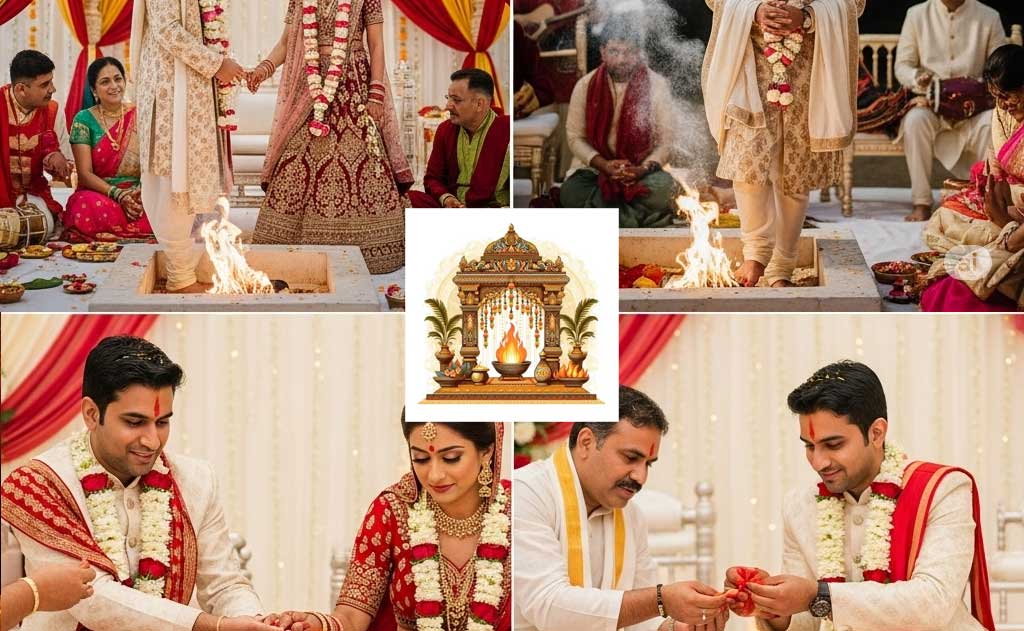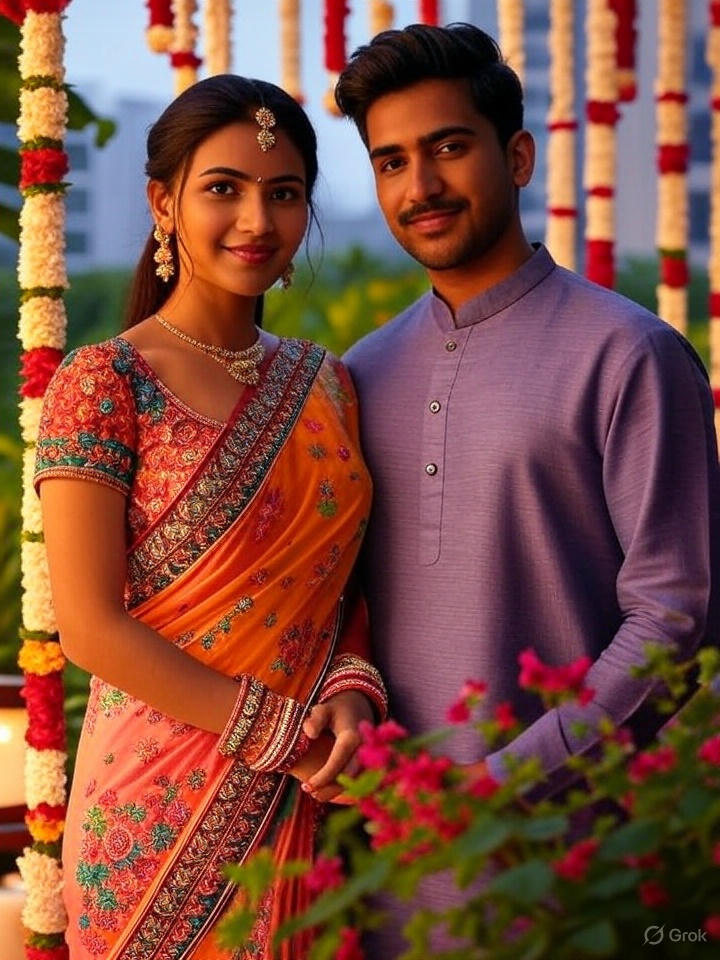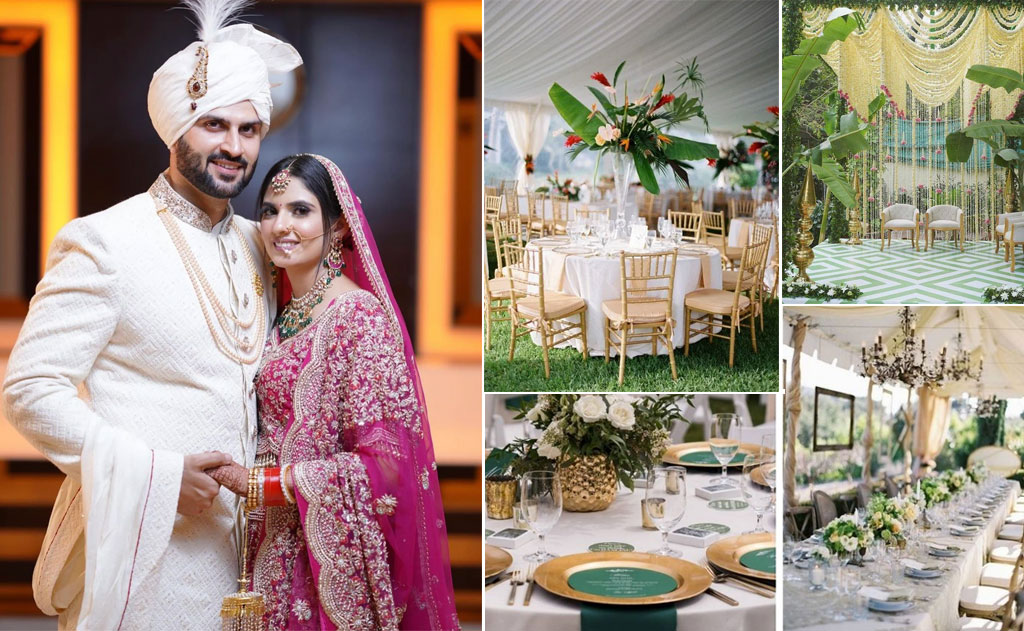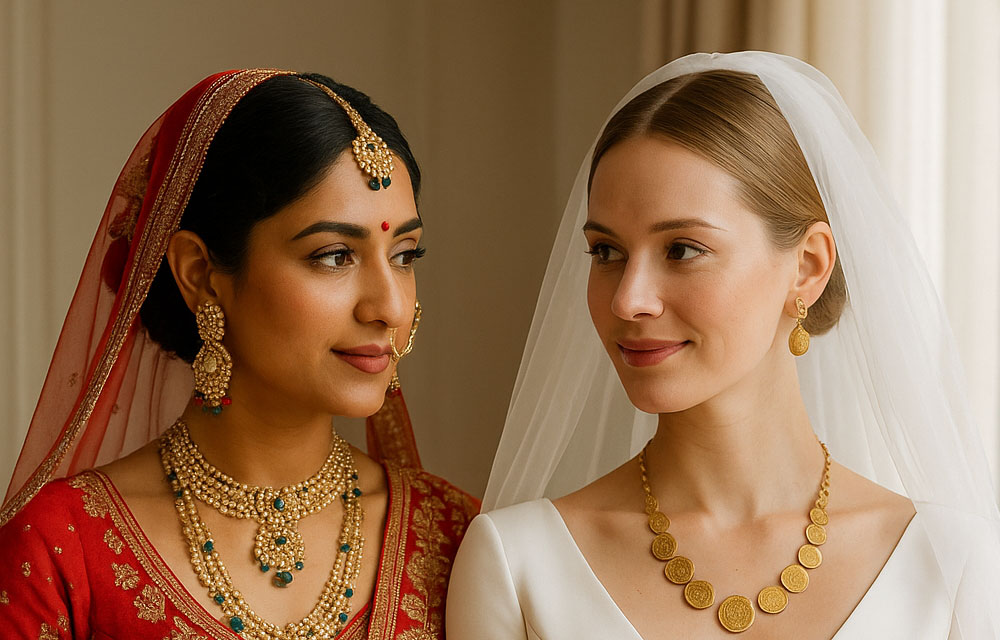
For Non-Resident Indians (NRIs), the first year of marriage is a unique opportunity to celebrate their Hindu heritage while navigating life abroad. Rooted in ancient Vedic traditions, Hindu marriage rituals carry deep spiritual and emotional significance, helping couples strengthen their bond and connect with their cultural roots, even from afar. This article, tailored for www.hindutone.com, explores key first-year Hindu marriage rituals from an NRI perspective, offering insights on how to adapt these practices to modern, global lifestyles while staying true to tradition. Optimized for SEO, this guide aims to engage NRI couples and boost visibility for your platform.
Why First-Year Marriage Rituals Matter for NRI Couples
In Hindu culture, marriage (Vivaha) is a sacred union that binds two souls across lifetimes, marking the transition to the Grihastha (householder) phase of life. For NRI couples, the first year is a time to balance cultural traditions with the demands of living abroad, fostering love, unity, and spiritual growth. These rituals help NRIs maintain a connection to their heritage, integrate into their spouse’s family, and seek divine blessings, even in a new cultural context. By embracing these practices, NRI couples can honor their roots while building a strong foundation for their marriage.
Key First-Year Hindu Marriage Rituals for NRIs
1. Grihapravesh: Welcoming the Bride into Her New Home
The Grihapravesh ceremony marks the bride’s entry into her new home, symbolizing her integration into her husband’s family. For NRIs, this ritual often takes place in a new country or city, making it a poignant moment of transition.
- What Happens: The bride is welcomed with an aarti (a ritual with a lit lamp) by her mother-in-law or family members. She steps into the home with her right foot, often kicking over a pot of rice to signify prosperity. In some cases, her footprints are marked with kumkum (vermillion) as a sign of good fortune.
- NRI Adaptation: For NRIs, Grihapravesh may occur in an apartment or home abroad, with family joining via video calls or traveling for the occasion. Couples might simplify the ritual, using readily available items like rice and diyas, or host a small gathering with local Indian community members.
- Significance: This ritual helps the bride feel welcomed and establishes her role in the new household, bridging cultural gaps in a foreign setting.
SEO Keywords: Grihapravesh for NRIs, Hindu marriage rituals abroad, NRI bride entry ceremony, first-year marriage traditions.
2. Celebrating First Festivals: Connecting Through Culture
Festivals like Diwali, Karva Chauth, Teej, or Raksha Bandhan are significant in the first year, offering NRI couples a chance to celebrate their shared heritage, even far from India.
- What Happens: During Karva Chauth, the wife may fast for her husband’s long life, breaking her fast after sighting the moon (or a photo of it, if abroad). Diwali involves lighting diyas and performing a Lakshmi Puja together, while Teej may include prayers for marital bliss.
- NRI Adaptation: NRIs often celebrate festivals with the local Indian diaspora, attending community events at temples or cultural centers. Virtual celebrations with family in India via Zoom or Skype are common, with couples sharing sweets or performing pujas at home using online priest services.
- Significance: These festivals strengthen the couple’s bond and keep them connected to their roots, fostering a sense of community abroad.
SEO Keywords: NRI Karva Chauth, Hindu festivals abroad, first-year marriage celebrations for NRIs, Diwali for Hindu couples.
3. Aashirwad Ceremony: Blessings Across Borders
The Aashirwad ceremony involves seeking blessings from elders for the couple’s new life, a ritual that holds special meaning for NRIs who may be physically distant from family.
- What Happens: Traditionally, the couple visits family elders to receive blessings, gifts, and sweets. For NRIs, this may happen during a visit to India or through virtual ceremonies where elders offer blessings via video calls.
- NRI Adaptation: Couples may organize a hybrid event, combining in-person blessings from local relatives or community elders with virtual participation from family in India. Some NRIs host a small reception to celebrate with their diaspora community.
- Significance: This ritual reinforces family ties and provides emotional support, helping NRI couples feel connected to their heritage despite the distance.
SEO Keywords: Aashirwad for NRI couples, Hindu marriage blessings abroad, NRI first-year rituals, virtual Hindu ceremonies.
4. First Anniversary: Satyanarayan Puja and Modern Celebrations
The first wedding anniversary is a milestone often celebrated with a Satyanarayan Puja to Lord Vishnu, seeking blessings for a prosperous marriage.
- What Happens: The couple performs a puja at home, a local temple, or through an online priest service, offering prayers, fruits, and sweets. Some exchange gifts or renew vows to mark the occasion.
- NRI Adaptation: NRIs may conduct the puja at a local Hindu temple or use virtual puja services available through platforms like ePuja or local Indian organizations. Couples often combine the ritual with a romantic dinner or getaway, blending tradition with modern romance.
- Significance: The Satyanarayan Puja invokes divine blessings for harmony and success, while the anniversary celebration strengthens the couple’s emotional bond.
SEO Keywords: NRI first anniversary rituals, Satyanarayan Puja abroad, Hindu anniversary celebrations, NRI marriage traditions.
5. Virtual or Local Pilgrimages: Spiritual Journeys Abroad
Visiting sacred sites is a cherished tradition for Hindu couples, but for NRIs, physical pilgrimages to India may not always be feasible in the first year.
- What Happens: In India, couples visit temples like Tirupati or Varanasi. NRIs may instead visit local Hindu temples, such as those dedicated to Venkateswara or Shiva in the U.S., U.K., or Canada, or participate in virtual darshans offered by major temples.
- NRI Adaptation: Couples can join online pujas or abhishekam ceremonies streamed from India or visit local temples to perform rituals. Some plan a short trip to a nearby cultural hub, like an ashram or spiritual center, to mark their spiritual journey.
- Significance: These practices connect NRIs to their spiritual heritage, fostering unity and devotion in their marriage.
SEO Keywords: NRI Hindu pilgrimage, virtual temple visits, first-year marriage blessings abroad, Hindu spiritual rituals for NRIs.
Balancing Tradition and Modern Life as NRIs
For NRI couples, first-year marriage rituals are a meaningful way to stay connected to their Hindu identity while adapting to life abroad. These practices bridge the gap between cultures, offering spiritual grounding and emotional connection. By blending traditional rituals with modern elements—like virtual ceremonies, community events, or simplified pujas—NRIs can honor their heritage in a way that fits their global lifestyle.
The emotional significance of these rituals lies in their ability to create shared memories and strengthen the couple’s bond. Spiritually, they align the couple with divine blessings, ensuring a harmonious marriage. For NRIs, these rituals also foster a sense of community, whether through local diaspora events or virtual connections with family in India.
Tips for NRI Couples Embracing First-Year Rituals
- Leverage Technology: Use virtual platforms for pujas or blessings, connecting with priests or family in India via Zoom or specialized services like ePuja.
- Engage with the Diaspora: Join local Indian cultural organizations or temples to participate in festivals and rituals, building a support network abroad.
- Simplify Rituals: Adapt traditions to your environment, using locally available items like rice, diyas, or sweets for Grihapravesh or pujas.
- Plan Visits to India: If possible, schedule a trip to India for key rituals like Aashirwad or pilgrimages, combining them with family reunions.
- Document the Journey: Capture moments like your first Diwali or Karva Chauth abroad through photos or videos to create lasting memories.
Conclusion: A Global Celebration of Hindu Love
For NRI couples, the first year of marriage is a beautiful blend of Hindu tradition and modern global living. From the heartfelt Grihapravesh to virtual Satyanarayan Pujas, these rituals offer a way to honor cultural roots while embracing life abroad. By adapting these practices to their unique circumstances, NRI couples can create meaningful memories, strengthen their bond, and stay connected to their heritage.
At www.hindutone.com, we celebrate the vibrant spirit of Hindu traditions for NRIs worldwide. Whether you’re a newlywed navigating life abroad or planning your first-year celebrations, these rituals offer a pathway to love, unity, and spirituality. Share your NRI marriage stories or questions in the comments, and let’s keep the essence of Hindu culture alive across borders!