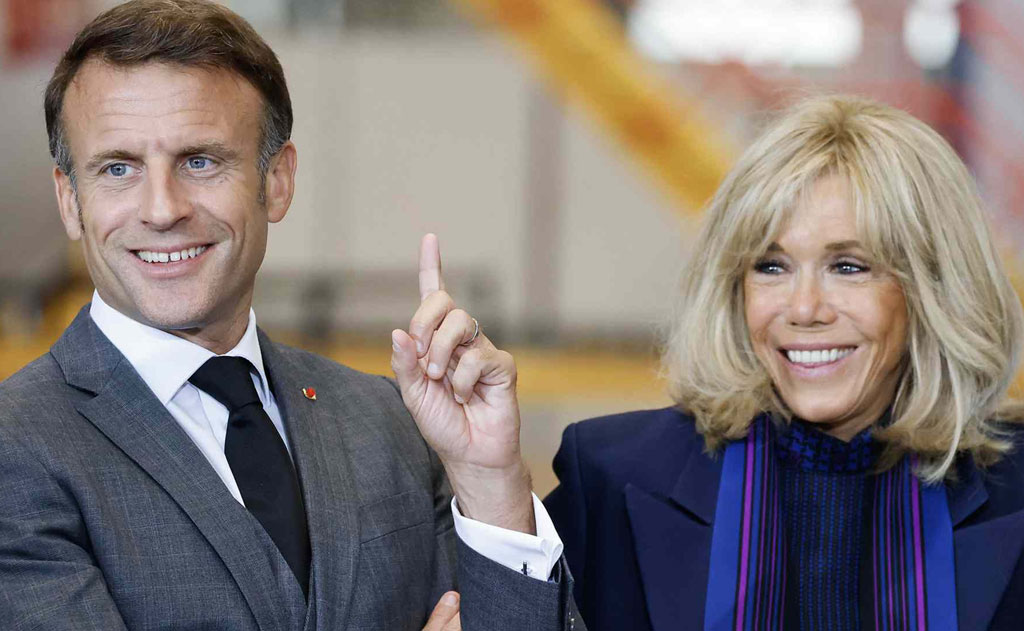
In a historic announcement, French President Emmanuel Macron revealed on July 24, 2025, that France will formally recognize the State of Palestine at the United Nations General Assembly in September 2025. This decision positions France as the first G7 nation to take such a step, marking a significant shift in Western diplomacy amid escalating tensions in the Israeli-Palestinian conflict. Shared via a letter to Palestinian Authority President Mahmoud Abbas and posted on X, Macron’s declaration has ignited global debate, with reactions ranging from praise for advancing peace to sharp criticism for potentially destabilizing the region.
A Diplomatic Milestone
Macron’s announcement underscores France’s long-standing commitment to a two-state solution as a pathway to lasting peace in the Middle East. In his statement, Macron emphasized, “True to its historic commitment to a just and lasting peace in the Middle East, I have decided that France will recognize the State of Palestine. I will make this solemn announcement at the United Nations General Assembly next September.” He highlighted the urgent need for an immediate ceasefire in Gaza, the release of hostages, and massive humanitarian aid to address the region’s worsening crisis.
The move comes as global outrage grows over the humanitarian crisis in Gaza, where over 59,000 Palestinians have been killed since Israel’s military campaign began following Hamas’s October 7, 2023, attack, which killed 1,200 Israelis and took 251 hostages. Macron’s decision aligns with France’s recent actions, including condemning Israel’s restrictions on Gaza aid and co-hosting a UN conference to promote a two-state solution.
Global Reactions: Support and Backlash
Palestinian Support
The Palestinian Authority welcomed Macron’s announcement with enthusiasm. Hussein al-Sheikh, the PLO’s vice president, praised France’s commitment to “international law and the Palestinian people’s rights to self-determination.” Hamas, in a surprising alignment, called the move a “positive step” and urged other nations, particularly in Europe, to follow suit. According to an AFP tally, 142 of 193 UN member states now recognize or plan to recognize Palestine, though major Western powers like the United States, United Kingdom, and Germany have historically resisted such moves.
Israel’s Condemnation
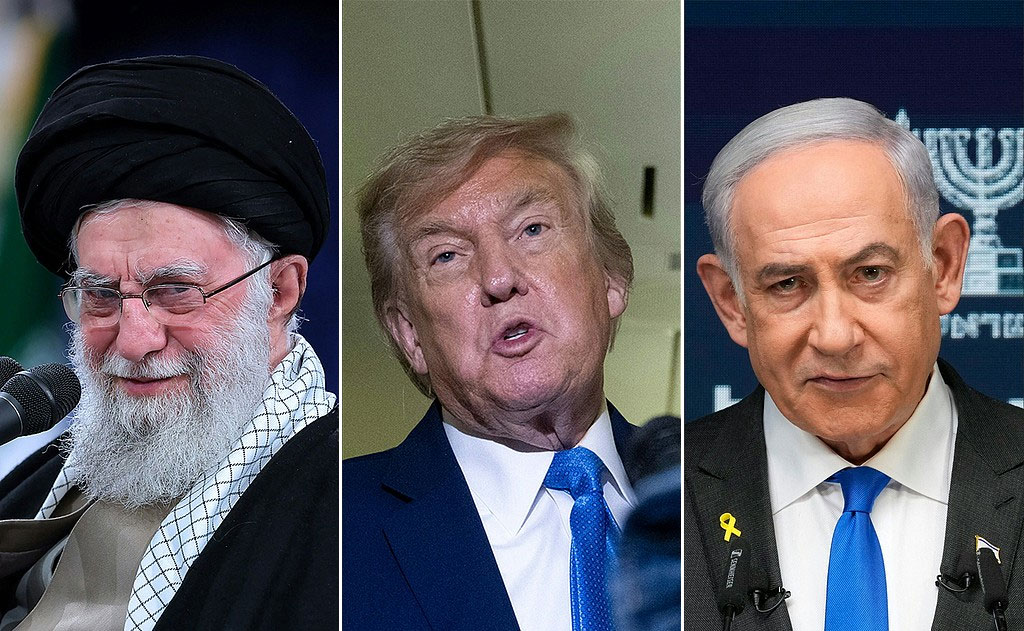
Israel’s response was swift and scathing. Prime Minister Benjamin Netanyahu condemned the decision as “rewarding terror” and warned that a Palestinian state could become “a launchpad to annihilate Israel.” He referenced the October 7 attack, arguing that recognition risks creating another “Iranian proxy” like Gaza. Deputy Prime Minister Yariv Levin called it a “black stain on France’s history” and advocated for Israel to annex West Bank settlements in retaliation. The Israeli government has long opposed unilateral recognition, insisting it should result from direct negotiations.
International Divide
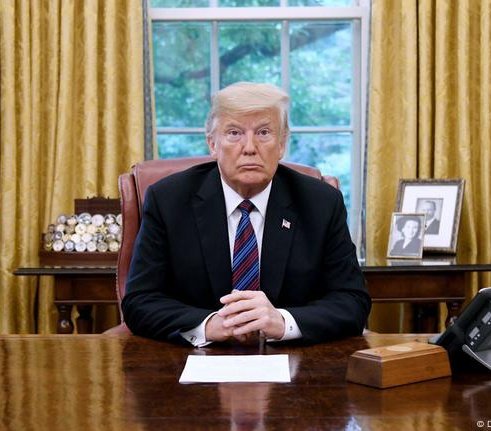
Macron’s move has exposed divisions among Western allies. The United States, under President Donald Trump, rejected the decision, with Secretary of State Marco Rubio labeling it “reckless” and a boost to Hamas propaganda. Canada and Britain have expressed reservations, with Canadian Prime Minister Mark Carney emphasizing a ceasefire and two-state solution over immediate recognition. In contrast, Spain’s Prime Minister Pedro Sánchez, whose country recognized Palestine in 2024, welcomed France’s decision as a step to protect the two-state framework. Norway, Ireland, and Slovenia, which also recognized Palestine in 2024, see France’s move as a potential catalyst for broader European support.
A Strategic Shift for France
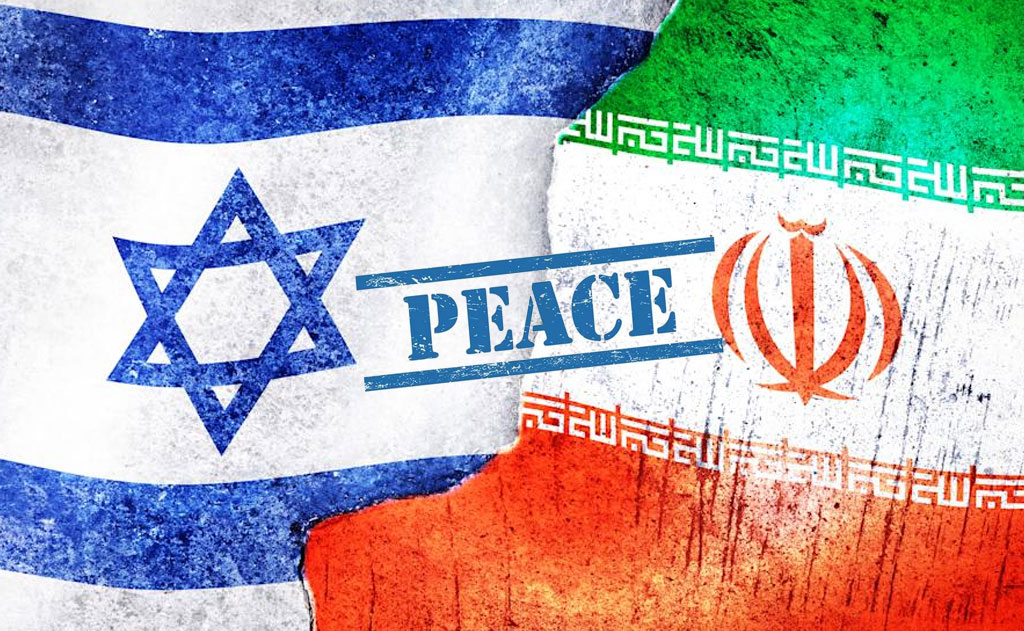
France’s decision follows months of deliberation, with Macron hinting at recognition as early as April 2025 during a visit to Egypt. Initially, he planned to announce it at a June UN conference co-hosted with Saudi Arabia, but U.S. pressure and regional tensions, including an Israel-Iran air war, delayed the move. The rescheduled ministerial conference on July 28–29, 2025, set the stage for Macron’s final decision, with the September UN General Assembly chosen for its global platform.
Macron framed the recognition as part of a broader peace initiative, urging the demilitarization of Hamas and the rebuilding of Gaza. He also suggested that recognizing Palestine could encourage Middle Eastern countries like Saudi Arabia to normalize ties with Israel, though no such commitments have materialized amid Gaza’s ongoing crisis. France’s role as home to Europe’s largest Jewish and Muslim communities adds weight to the decision, though it has drawn criticism from French Jewish groups like Crif, who called it a “political victory” for Hamas.
Implications and Challenges
While largely symbolic, France’s recognition could inspire other Western nations to follow, potentially isolating Israel further as it faces criticism over Gaza’s humanitarian crisis. However, critics argue that unilateral recognition without negotiations may weaken incentives for Palestinians to engage in peace talks. Israel has warned of retaliatory measures, including reduced intelligence sharing or annexation of West Bank territories, which could escalate tensions.
The decision also places France at odds with the U.S., its key ally, and risks straining relations with Israel, a significant trade partner. Diplomats suggest Macron’s move is driven by a desire to restore France’s diplomatic influence in the Middle East, but its success hinges on whether other nations join the momentum.
Looking Ahead
As the UN General Assembly approaches, all eyes are on Macron’s next steps. France’s foreign minister is set to co-host a conference next week to advance the two-state solution, signaling Paris’s commitment to action beyond rhetoric. Meanwhile, emergency talks with British and German leaders on July 25, 2025, aim to address Gaza’s humanitarian crisis and push for a ceasefire.
For the Indian diaspora, particularly those engaged in global affairs, Macron’s move highlights the complex interplay of diplomacy, humanitarian concerns, and regional security. As France takes this bold step, the world watches to see if it will spark a broader movement toward Palestinian statehood or deepen the divide in an already volatile region.
Join the Conversation: Share your thoughts on France’s recognition of Palestine on X using #PalestineRecognition. Will it pave the way for peace or complicate the conflict? Let us know!