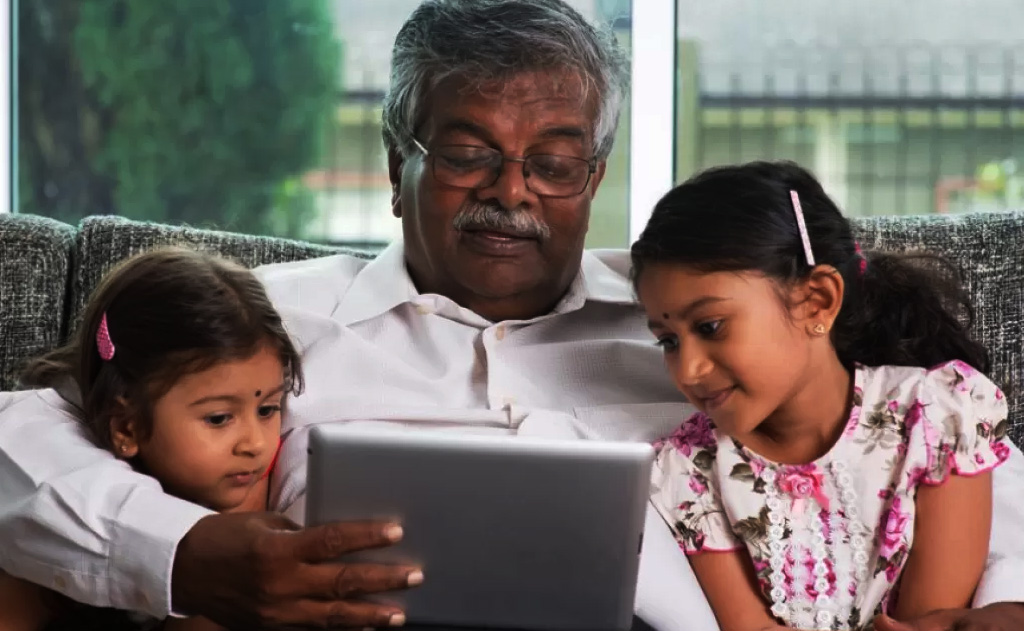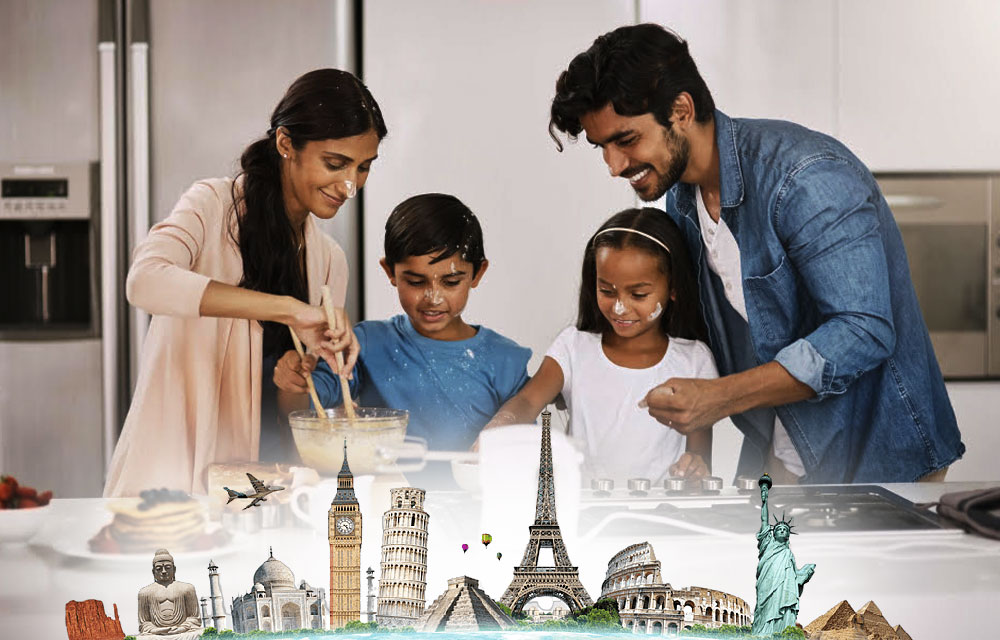
Raising children with Hindu values while living abroad as an NRI can feel like walking a tightrope. With Western cultural influences all around—from school, social media, and peer groups—how can NRI parents ensure that their children grow up connected to their roots, grounded in Hindu philosophy, and proud of their Indian heritage?
This guide offers practical and culturally relevant tips to help NRI families pass on timeless Hindu principles such as dharma (righteousness), ahimsa (non-violence), seva (selfless service), and satyam (truth) while embracing the opportunities of a modern, interconnected world.
Why Hindu Values Are Crucial for NRI Families
For Indian families living abroad, Hindu values provide more than just moral guidance—they offer cultural identity, emotional stability, and spiritual grounding. They empower children to confidently navigate multicultural environments with empathy, resilience, and pride in their heritage.
Key Values to Emphasize:
- Dharma: Helps children make ethical choices in a complex world.
- Ahimsa: Teaches compassion and non-violence in speech, thought, and action.
- Seva: Encourages selfless service and community involvement.
- Satyam: Builds honesty and integrity.
1. Be the Role Model: Live the Values You Preach
NRI children often absorb their parents’ habits and beliefs more than their spoken advice. Reflect Hindu values in your daily life:
- Perform simple daily pujas or aarti with your kids.
- Share real-life stories about choosing dharma over convenience.
- Respect elders and Mother Nature—teach namaste, touching feet, and not wasting food.
Pro Tip: Your consistency and enthusiasm will inspire children far more than words.
2. Make Hindu Stories a Bedtime Routine
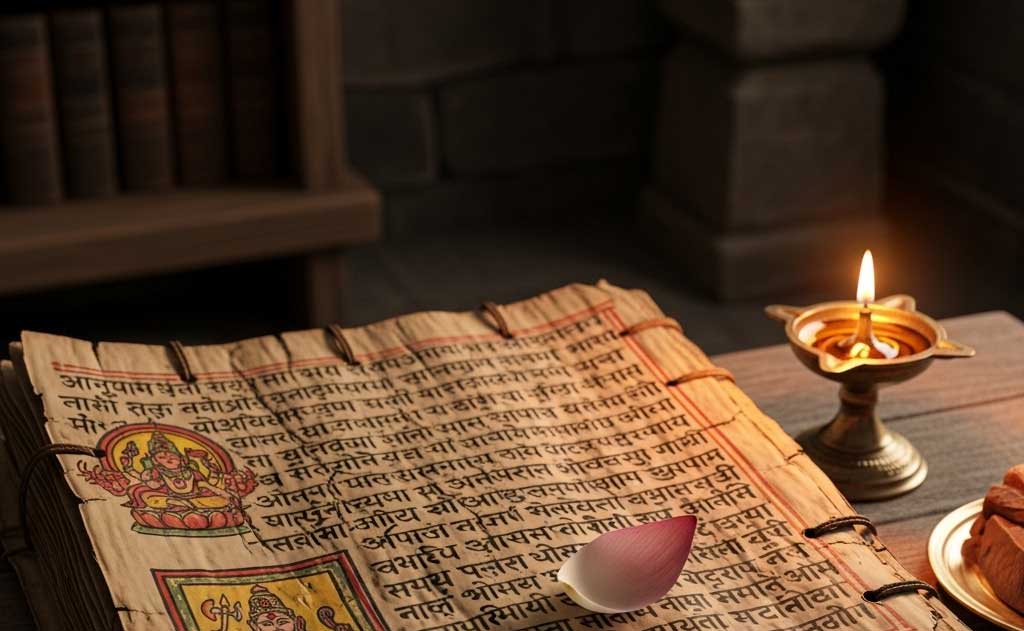
From the Ramayana to the Mahabharata, Hindu epics offer relatable, timeless moral lessons. Use storytelling as a spiritual bonding time:
- Choose English or bilingual storybooks like Amar Chitra Katha, Gita for Children, or Krishna Leela.
- Watch Indian mythology-based shows on YouTube or streaming platforms like Hotstar, ZEE5, or Netflix Kids (VPN may help).
- Discuss how characters like Lord Rama, Arjuna, or Prahlad responded to challenges.
SEO Tip: Use phrases like “Hindu bedtime stories for NRI kids” or “Ramayana for diaspora children” for better search reach.
3. Celebrate Festivals in Your Own Unique Way
Festivals offer the best opportunity to reinforce Hindu values while giving children a sense of cultural belonging—even abroad:
- Explain the symbolism: Diwali for inner light, Holi for joy and forgiveness, Navratri for feminine power.
- Involve kids in making rangoli, preparing prasad, or dressing in traditional clothes.
- Host community gatherings or organize Zoom celebrations with extended family in India.
Engagement Tip: Let kids invite their school friends to Diwali or Holi parties. Sharing culture builds confidence.
4. Practice Seva as a Family Activity
Even in the Western world, opportunities to practice selfless service abound:
- Volunteer at local food drives, animal shelters, or retirement homes.
- Encourage simple acts of kindness like helping classmates or donating old toys.
- Explain how these acts align with Hindu teachings on compassion and karma.
NRI Example: Help your child lead a school project on “Helping the World,” inspired by seva.
5. Introduce Sanskrit and Mantras Early On
Even if your child doesn’t speak fluent Indian languages, you can teach basic Sanskrit chants and their meanings:
- Start with Gayatri Mantra, Om Namah Shivaya, or Asato Ma Sadgamaya.
- Use apps like Chinmaya Kids, Little Gurukul, or YouTube bhajan playlists.
- Recite mantras together during bedtime or car rides.
SEO Focus: Use keywords like “Sanskrit for NRI children” or “Hindu mantras abroad.”
6. Balance Global Exposure with Cultural Roots
Living abroad exposes children to diverse ideas. Encourage curiosity while offering a strong cultural foundation:
- Discuss global issues through a Hindu lens. Example: Connect ahimsa to animal rights or climate change.
- Use questions like: “What would Lord Krishna advise in this situation?” to develop their spiritual reasoning.
- Normalize wearing Indian clothes, celebrating Indian festivals, and speaking mother tongue at home.
Parenting Hack: Encourage dual identity—being a global citizen and a proud Hindu.
7. Join or Create Hindu Communities Abroad
A support system matters. Look for or build Hindu networks where your children can feel connected:
- Enroll in Bal Vihar, ISKCON kids’ classes, or temple youth programs.
- Attend Gita study circles, Indian classical dance/music classes, or Hindu heritage camps.
- Use WhatsApp or Facebook groups to connect with other NRI parents.
SEO Tip: Target local search terms like “Bal Vihar in [your city]” or “Indian cultural events near me.”
8. Use Media as a Cultural Bridge
With Netflix, YouTube, and social media everywhere, monitor what your children consume:
- Limit screen time and favor shows that align with your values.
- Encourage Indian-language shows with English subtitles.
- Use mythology-based cartoons like Chhota Bheem, Little Krishna, or Bal Hanuman.
Pro Tip: Watch episodes together and talk about the messages afterward.
Common NRI Parenting Challenges—and How to Overcome Them
| Challenge | NRI Parenting Strategy |
|---|---|
| Peer Pressure | Encourage uniqueness; remind them of Hindu leaders/scientists/artists who made global impact. |
| Language Barrier | Speak at least one Indian language at home; translate shlokas and explain meanings. |
| Identity Crisis | Tell your child: “You’re not choosing between East or West—you’re both.” |
| Time Constraints | Even 10 minutes of chanting, storytelling, or gratitude journaling can make a difference. |
Long-Term Benefits for Your Child
By growing up with Hindu values, your child will develop:
- A strong cultural and spiritual identity.
- The ability to make ethical choices under pressure.
- Compassion and respect for others, regardless of background.
- Inner peace and resilience—rooted in ancient wisdom, equipped for modern life.
Final Thoughts
Raising children with Hindu values as an NRI parent doesn’t mean isolating them from the world—it means giving them roots and wings. Roots in their cultural heritage, and wings to fly confidently in a globalized society.
Start small. Be consistent. Let your home be your child’s first temple.
Call to Action:
What Hindu parenting strategy works best for you as an NRI? Share your thoughts in the comments or explore more tips and community stories on www.nriglobe.com!