PM Modi Celebrates Paithani Sarees: Maharashtra’s 2,000-Year-Old Weaving Legacy Shines for NRIs
Published on: July 30, 2025 | By: NRI Globe Editorial Team
Category: Culture & Heritage
Tags: Paithani Sarees, PM Modi, Mann Ki Baat, Maharashtra Weaving, National Handloom Day, Vocal for Local, Atmanirbhar Bharat, Indian Diaspora, Kavita Dhawale, Indian Textile Heritage
Introduction
In the 124th episode of his monthly radio program Mann Ki Baat on July 27, 2025, Prime Minister Narendra Modi celebrated the timeless artistry of Maharashtra’s Paithani sarees, a 2,000-year-old weaving tradition that embodies India’s cultural richness. Highlighting artisans like Kavita Dhawale from Paithan, PM Modi praised the intricate craftsmanship of these sarees and their role in empowering rural women while strengthening India’s textile industry. As the 10th National Handloom Day approaches on August 7, 2025, this spotlight on Paithani sarees resonates deeply with Non-Resident Indians (NRIs), offering a connection to their heritage and a chance to support the “Vocal for Local” and “Atmanirbhar Bharat” movements. For NRI Globe readers, here’s an exploration of Paithani’s legacy, its modern revival, and its global appeal for the Indian diaspora.
The Enduring Legacy of Paithani Weaving
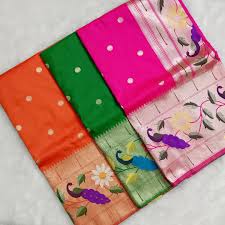
Originating in Paithan, a historic town in Maharashtra’s Aurangabad district once called Pratishthana, Paithani sarees trace their origins to the Satavahana dynasty (200 BCE). These handwoven silk sarees, known for their vibrant hues, intricate gold and silver zari work, and nature-inspired motifs like peacocks, lotuses, and vines, were once traded for gold in the Greco-Roman world. The craft thrived under the Maratha Empire’s Peshwas in the 17th and 18th centuries, with Yeola emerging as a major weaving center alongside Paithan. Today, Paithani sarees remain a cherished symbol of elegance, worn for weddings, festivals, and cultural celebrations across India and among the diaspora.
Crafting a Paithani saree is a meticulous process, taking anywhere from six months to two years based on the design’s complexity. Made with mulberry silk from Bengaluru and zari from Surat, these sarees feature a plain or butti-embellished body, a decorative pallu, and borders crafted with an interlocking weft technique. A true Paithani is identical on both sides, distinguishing it from power-loom replicas. Traditional colors like reds, blues, yellows, and purples, paired with motifs such as Narali (coconut), pankha (fan), and asavali (flowering vine), reflect Maharashtra’s rich artistic heritage.
PM Modi’s Tribute to Paithani Artisans
During Mann Ki Baat, PM Modi highlighted the inspiring journey of Kavita Dhawale, a Paithani weaver from Paithan who transformed her small-scale weaving into a thriving production center employing over 350 women. With government support, Dhawale’s income has tripled, showcasing how traditional crafts can drive economic empowerment and rural development. Modi connected this success to the broader revival of India’s textile sector, noting that over 3,000 textile startups are innovating and elevating Indian handlooms on the global stage.
The Prime Minister also celebrated other handloom success stories, such as the revival of Santhali sarees by 650 tribal women in Odisha’s Mayurbhanj and the modernization of weaving in Nalanda, Bihar, where Naveen Kumar’s family uses advanced handloom technology to collaborate with major brands. “India’s textile sector is a vibrant tapestry of our diversity,” Modi said, emphasizing its role in the Viksit Bharat vision for a developed India by 2047.
Paithani’s Modern Revival and Global Appeal
The Paithani weaving tradition, centered in Paithan and Yeola, has experienced a remarkable resurgence. Yeola, with over 3,000 looms and 10,000 artisans involved in weaving, dyeing, and degumming, earned a Geographical Indication (GI) tag in 2010, alongside Paithan. Master weavers like Shantilal V. Bhandge, a recipient of the National Award and Sant Kabir Award, have preserved the craft while introducing modern touches like larger borders and unique colors such as chocolate brown and violet.
Government initiatives, including training programs and financial support, have revived Paithani weaving after a 20th-century decline. Modern Paithanis incorporate trendy patterns and lighter fabrics to appeal to younger buyers, while e-commerce platforms like Paithanistore.com and Vastranand.in have made these sarees accessible worldwide. For NRIs, Paithani sarees are a cultural touchstone, often chosen for weddings and festivals, with versatile draping styles like the Nauvari or dupatta-like tucks adding contemporary flair. Celebrities and brides globally flaunt Paithanis, amplifying their appeal among the Indian diaspora.
National Handloom Day and Vocal for Local
PM Modi’s address aligns with the 10th National Handloom Day on August 7, 2025, marking the Swadeshi Movement of 1905 that championed local crafts like Khadi and Paithani. Modi urged Indians and the diaspora to embrace “Vocal for Local,” encouraging the purchase of handcrafted products to support artisans and advance the Atmanirbhar Bharat (self-reliant India) initiative. “Choose products made with the sweat and skill of Indian artisans,” he said, highlighting the economic and cultural value of handlooms.
Social media reactions on X reflect global pride in this recognition. One user posted, “Kavita Dhawale’s Paithani story is so inspiring! It’s amazing to see our heritage weaves celebrated.” Another wrote, “Paithani sarees are a must-have for every NRI wardrobe—pure elegance!” These sentiments resonate with NRIs seeking to stay connected to their roots.
Why Paithani Matters to the Indian Diaspora
Paithani sarees are more than just attire; they are a vibrant link to Maharashtra’s heritage and India’s textile diversity. Each saree, with its intricate motifs and radiant colors, carries centuries of craftsmanship, making it a prized possession for NRIs during cultural celebrations like Diwali, weddings, or community events. The revival of Paithani, fueled by government support and modern innovation, empowers artisans—especially women—and positions these sarees as a global symbol of Indian sophistication.
For NRI Globe readers, embracing Paithani sarees is a way to celebrate cultural identity while supporting rural artisans. As National Handloom Day nears, consider investing in a Paithani saree to honor this 2,000-year-old legacy and contribute to India’s self-reliance journey.
How NRIs Can Support Paithani Weavers
- Purchase Authentic Paithanis: Shop from verified platforms like Paithanistore.com or Vastranand.in to ensure you’re supporting genuine artisans.
- Spread Awareness: Share the story of Paithani sarees with your community to boost global demand.
- Celebrate Heritage: Wear Paithani sarees at cultural events to showcase India’s textile legacy.
- Stay Informed: Follow NRI Globe’s culture updates for more on India’s handloom traditions.
Conclusion
PM Modi’s Mann Ki Baat tribute to Paithani sarees underscores their cultural and economic significance, offering NRIs a meaningful way to connect with India’s heritage. By supporting Paithani weavers, you can preserve a 2,000-year-old art form, empower rural communities, and celebrate the spirit of Atmanirbhar Bharat. Stay tuned to NRI Globe for the latest on India’s cultural treasures, including our guides on “Celebrating Indian Handlooms” and “Vocal for Local Initiatives”.
Optimization
Target Keywords: Paithani sarees, PM Modi Mann Ki Baat, Maharashtra weaving, National Handloom Day, Vocal for Local, Atmanirbhar Bharat, Indian diaspora culture, Kavita Dhawale, Indian textile heritage
Meta Description: PM Modi celebrates Paithani sarees in Mann Ki Baat, highlighting their 2,000-year-old legacy. Discover their cultural significance and how NRIs can support this iconic Indian craft in 2025.