

Introduction: The Overlooked Crisis in NRI Families
As Indian professionals chase global dreams, their parents often face a grim, isolated reality back home. NRIs (Non-Resident Indians) must wake up to the emotional, physical, and psychological toll their absence takes on aging parents. This article is a heartfelt yet hard-hitting reminder to prioritize elder care before it’s too late.
Why Every NRI Must Pause and Reflect
Many NRIs are immersed in organizing Periyava Mandalis or Brahmotsavams abroad. While these cultural efforts are commendable, the real deities—your aging parents—are quietly enduring their twilight years alone. Their struggles are invisible but deeply painful.
When Age Hits: What Happens After 75
Aging parents, especially those over 75, begin to show signs of serious physical and cognitive decline. After 80, daily tasks become battles. Adult diapers, mobility aids, and memory lapses become their everyday reality. Sadly, many are left to manage this alone.
The Harsh Truth: $USD Can’t Buy Love or Time
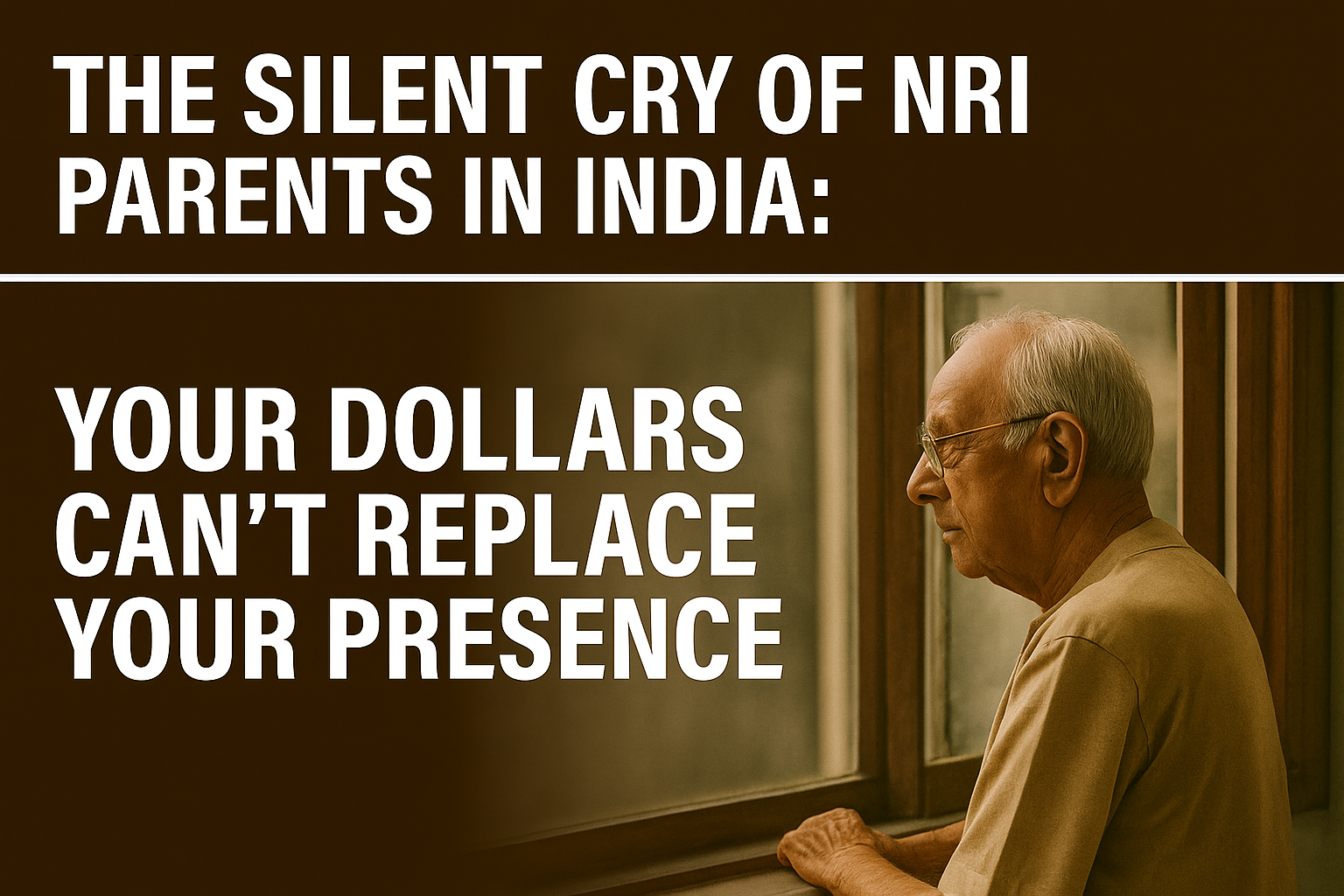
You might be sending money regularly, but that can’t hug your mother when she’s crying or help your father when he falls. In fact, your dollars often feel worthless compared to the basic human touch they crave. Even the most luxurious adult diaper pales in comparison to the comfort of your presence.
Arrange Help—Before It’s Too Late
If you can’t return permanently, arrange a full-time caretaker. Vet them thoroughly and ensure your parents’ comfort. If they resist, respectfully convince them to move into a quality elder care facility. Many are now dignified, safe, and emotionally enriching.
Make a Pact: Visit Every Two Years
Let this be your non-negotiable commitment: visit your parents at least once every two years. These visits can be emotionally restorative and give you a clearer picture of their needs.
Real Stories, Real Pain
As someone who interacts with NRI parents regularly, I can attest that this is a widespread issue. Their loneliness is palpable. Their health is deteriorating, and their eyes always search the door for the son or daughter who once promised the world.
Be the Son or Daughter They Deserve
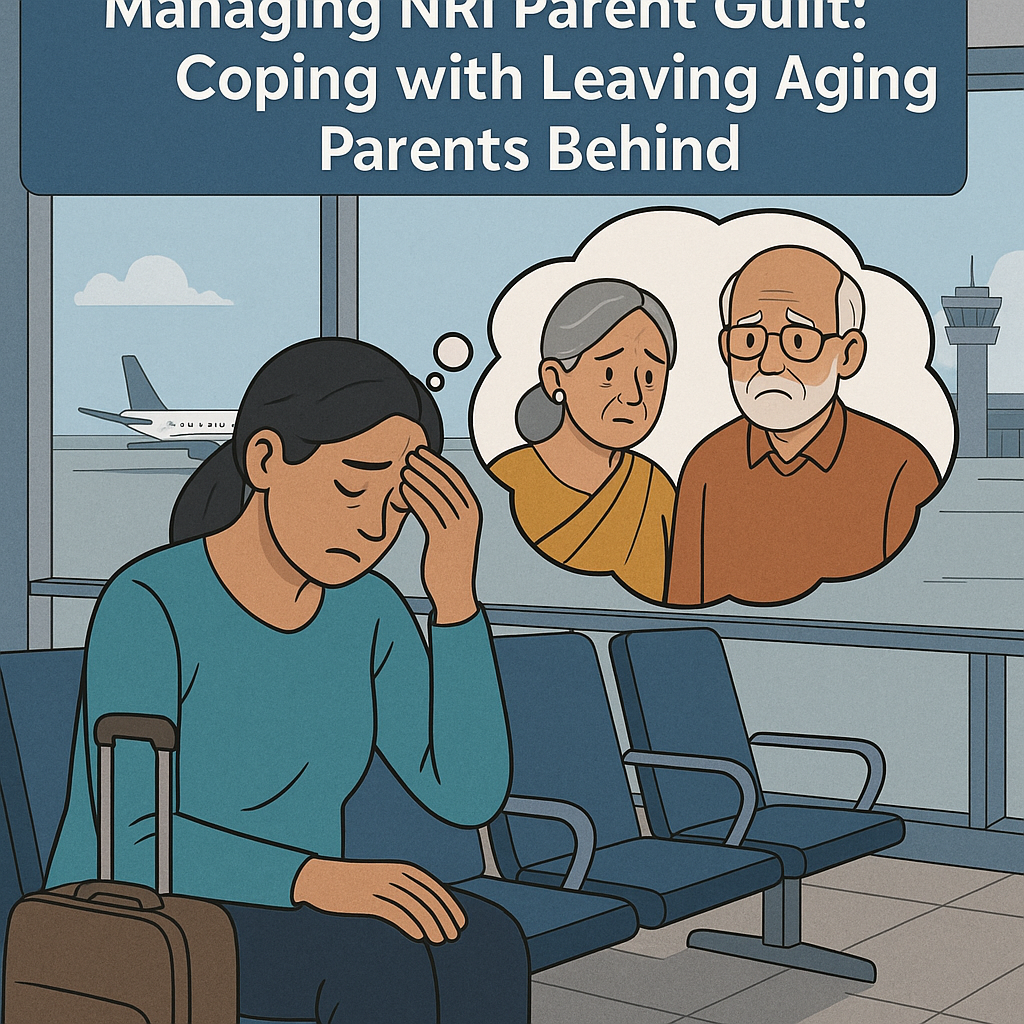
You once held their hands to walk; now it’s your turn to hold theirs. Don’t let them face the darkness alone. Your success is meaningless if it costs your parents their dignity.
Takeaways for NRIs
- Pause your rat race and assess your parents’ real needs.
- Hire a caretaker or choose elder care homes wisely.
- Communicate weekly; video calls go a long way.
- Visit every 24 months—no excuses.
- Don’t wait for a medical emergency to act.
Conclusion: Compassion Over Convenience
You may live oceans away, but don’t let your love for your parents get lost in time zones. Their quiet suffering deserves your loud action. Share this article with every NRI you know—because some truths must be told, and some responsibilities must never be outsourced.
FAQs
1. Why is elder care a growing concern for NRIs?
As the NRI population grows, so does the number of elderly parents left behind. Many are ill-equipped to deal with aging issues alone.
2. What options are available if I can’t return to India permanently?
Consider professional in-home caretakers or reputable elder care facilities that provide comprehensive services.
3. How often should I visit my parents in India?
A visit at least once every two years is a minimal yet meaningful commitment to their well-being.
4. Are elder care homes in India trustworthy?
Yes, if you do thorough research. Many offer clean, compassionate environments with medical and emotional support.
5. How can I emotionally support my parents from abroad?
Regular video calls, emotional check-ins, and involvement in their day-to-day lives—even virtually—can make a big difference.