Best Investment Options for NRIs in 2025: Share Market vs. Gold vs. Bitcoin vs. Land
As a Non-Resident Indian (NRI), choosing the right investment avenue in India is crucial for wealth creation and financial security. With India’s economy projected to grow steadily, NRIs have diverse options like the share market, gold, Bitcoin, and land to consider. Each asset class offers unique benefits and risks, making it essential to align your investment choice with your financial goals, risk tolerance, and investment horizon. This comprehensive guide for NRIGlobe.com analyzes these four investment options, their pros and cons, and their long-term return potential to help NRIs make informed decisions in 2025.
1. Share Market Investments for NRIs
The Indian stock market, with indices like the Nifty 50 and Sensex, has historically delivered strong returns, making it an attractive option for NRIs seeking high growth.
Pros of Investing in the Share Market
- High Return Potential: Historical data shows Indian equity markets have delivered 12–15% annualized returns (CAGR) over the long term, outpacing many global markets.
- Diversification: NRIs can invest in equities, mutual funds, or ETFs through a Portfolio Investment Scheme (PIS) account, spreading risk across sectors like technology, finance, and healthcare.
- Liquidity: Stocks and mutual funds offer high liquidity, allowing NRIs to buy or sell quickly on exchanges like NSE or BSE.
- Economic Growth: India’s projected GDP growth of 8.2% for 2023-24 makes it a hotspot for equity investments.
- Professional Management: Mutual funds provide professional management, ideal for NRIs with limited time to research individual stocks.
Cons of Investing in the Share Market
- Market Volatility: Equities are subject to market fluctuations, posing risks during economic downturns.
- Regulatory Complexity: NRIs need a PIS account, Demat account, and trading account, which involve KYC compliance and paperwork.
- Taxation: Short-term capital gains (STCG) are taxed at 20% for listed instruments, and long-term capital gains (LTCG) above ₹1.25 lakh are taxed at 12.5%. Double Taxation Avoidance Agreements (DTAA) may mitigate some tax burdens.
- Restrictions: NRIs cannot engage in intraday trading or trade in currency/commodity derivatives.
- High Risk: Equity investments carry higher risk compared to fixed-income options, requiring thorough research or professional advice.
Long-Term Returns
Over the past few decades, the Indian stock market has outperformed many global markets, with Sensex delivering ~12–15% CAGR. For NRIs, rupee depreciation can amplify returns when converted to foreign currency. Mutual funds, especially equity-oriented schemes, can offer inflation-beating returns over 10+ years, with SIPs benefiting from rupee-cost averaging.
Who Should Invest?
NRIs with a high-risk appetite and a long-term horizon (7–10 years) should consider equities or mutual funds. Those with limited market knowledge can opt for professionally managed mutual funds or ETFs.
2. Gold Investments for NRIs
Gold remains a cultural and financial favorite for NRIs, offering stability and a hedge against inflation.
Pros of Investing in Gold
- Safe Haven Asset: Gold protects against inflation and currency depreciation, especially during economic uncertainties.
- Multiple Investment Options: NRIs can invest in physical gold (bars, coins), gold ETFs, or gold mutual funds, which don’t require a PIS account.
- Liquidity: Gold ETFs and mutual funds are highly liquid, traded on NSE/BSE, while physical gold can be sold through jewelers or banks.
- Diversification: Gold’s low correlation with equities reduces portfolio risk.
- Cultural Appeal: NRIs often value gold for its emotional and cultural significance in India.
Cons of Investing in Gold
- Moderate Returns: Gold has historically delivered 6–8% annualized returns, lower than equities.
- Storage Costs: Physical gold requires secure storage (e.g., bank lockers), adding costs and logistical challenges for NRIs.
- Taxation: Capital gains from gold ETFs or mutual funds are taxed at 12.5% (LTCG) or slab rates (STCG). Physical gold sales may attract additional taxes.
- No Income Generation: Unlike equities or real estate, gold doesn’t generate dividends or rental income.
- Regulatory Limits: NRIs cannot invest in Sovereign Gold Bonds (SGBs).
Long-Term Returns
Gold prices have appreciated steadily, with an average annual return of ~6–8% over the past 10 years. Its value often rises during economic crises, making it a reliable long-term hedge. However, returns are generally lower than equities or real estate.
Who Should Invest?
NRIs seeking low-risk, stable investments with moderate returns should consider gold ETFs or mutual funds. Physical gold suits those comfortable with storage logistics.
3. Bitcoin and Cryptocurrency Investments for NRIs
Bitcoin, a decentralized digital currency, has gained popularity but remains a high-risk, volatile asset.
Pros of Investing in Bitcoin
- High Return Potential: Bitcoin has delivered extraordinary returns, with a CAGR of ~100% from 2013–2023, though past performance isn’t indicative of future results.
- Global Accessibility: NRIs can invest in Bitcoin through international or Indian crypto exchanges, bypassing Indian banking restrictions.
- Hedge Against Fiat Currency: Bitcoin offers protection against currency devaluation, appealing to NRIs in countries with unstable currencies.
- Portfolio Diversification: Its low correlation with traditional assets like stocks or gold adds diversification.
Cons of Investing in Bitcoin
- Extreme Volatility: Bitcoin prices can swing dramatically, with corrections of 50% or more in short periods.
- Regulatory Uncertainty: India’s crypto regulations remain unclear, with potential for future restrictions or taxes (e.g., 30% tax on crypto gains introduced in 2022).
- Security Risks: Crypto wallets and exchanges are vulnerable to hacks, fraud, or loss of private keys.
- No Intrinsic Value: Unlike gold or land, Bitcoin lacks tangible backing, relying solely on market sentiment.
- Limited Acceptance: Bitcoin’s use as a currency is restricted, reducing its practical utility.
Long-Term Returns
Bitcoin’s long-term returns are speculative, with historical gains driven by adoption and hype. While some predict continued growth, others warn of potential crashes. NRIs must weigh the risk of total loss against potential high rewards.
Who Should Invest?
Bitcoin suits tech-savvy NRIs with a very high-risk tolerance and a small allocation (e.g., 1–5% of portfolio) for speculative growth. It’s not ideal for conservative investors.
4. Land and Real Estate Investments for NRIs
Real estate, particularly land and residential/commercial properties, is a popular choice for NRIs due to its tangible nature and emotional appeal.
Pros of Investing in Land/Real Estate
- Capital Appreciation: Real estate in urban centers like Mumbai, Bengaluru, and Hyderabad has seen significant price appreciation, with average annual returns of ~10–12%.
- Rental Income: Properties can generate steady rental income, taxable at slab rates in India.
- Tangible Asset: Land and property offer a sense of security and emotional connection for NRIs.
- Favorable Exchange Rates: NRIs benefit from converting stronger foreign currencies (e.g., USD, GBP) into rupees, amplifying purchasing power.
- Government Incentives: States like Gujarat and Kerala offer streamlined processes for NRI property investments.
Cons of Investing in Land/Real Estate
- Illiquidity: Selling land or property can take months, especially in less developed areas.
- Regulatory Restrictions: NRIs cannot purchase agricultural land, plantations, or farmhouses unless inherited or gifted.
- Maintenance Costs: Properties require ongoing maintenance, society fees, and management, which can be challenging for NRIs abroad.
- Taxation: Long-term capital gains are taxed at 12.5% (without indexation for properties acquired after July 23, 2024). Rental income is taxed at slab rates.
- Market Risks: Real estate markets can stagnate, and oversupply in certain areas may depress prices.
Long-Term Returns
Real estate has historically delivered ~10–12% annualized returns through capital appreciation and rental yields, especially in metro cities. However, returns vary by location, with urban areas outperforming rural ones.
Who Should Invest?
NRIs with a long-term horizon (10+ years) and the ability to manage properties (or hire professionals) should consider real estate. It’s ideal for those seeking stable, tangible assets.
Comparative Analysis: Which is the Best Investment for NRIs in 2025?
| Asset Class | Potential Returns (CAGR) | Risk Level | Liquidity | Taxation | Best For |
|---|---|---|---|---|---|
| Share Market | 12–15% | High | High | STCG: 20%, LTCG: 12.5% | High-risk, long-term investors |
| Gold | 6–8% | Low–Moderate | High (ETFs), Moderate (Physical) | STCG: Slab rates, LTCG: 12.5% | Conservative investors |
| Bitcoin | Highly variable (~100% historically) | Very High | High | 30% on gains | Speculative, tech-savvy investors |
| Land/Real Estate | 10–12% | Moderate | Low | STCG: Slab rates, LTCG: 12.5% | Long-term, tangible asset seekers |
Key Considerations for NRIs
- Risk Tolerance: Equities and Bitcoin suit high-risk investors, while gold and fixed deposits are safer. Real estate balances risk and reward but requires active management.
- Investment Horizon: Equities and real estate perform best over 7–10 years, while gold offers stability for shorter horizons. Bitcoin is speculative and unpredictable.
- Tax Implications: Consult a tax expert to navigate India’s tax laws and DTAA benefits. NRE accounts offer tax-free interest, while NRO accounts face 30% TDS (claimable via ITR).
- Regulatory Compliance: Ensure KYC compliance and use NRE/NRO/FCNR accounts for investments. Real estate and equities require specific accounts (e.g., PIS for stocks).
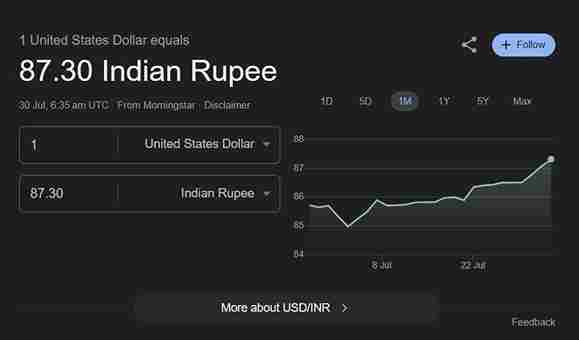
- Currency Advantage: Rupee depreciation can boost returns when repatriating funds, especially for equities and real estate.
Recent Performance (2024–2025)
- Share Market: The Nifty 50 gained ~25% in 2024, driven by tech and banking sectors, but volatility persists due to global uncertainties.
- Gold: Gold prices rose ~10% in 2024, reflecting global inflation concerns and safe-haven demand.
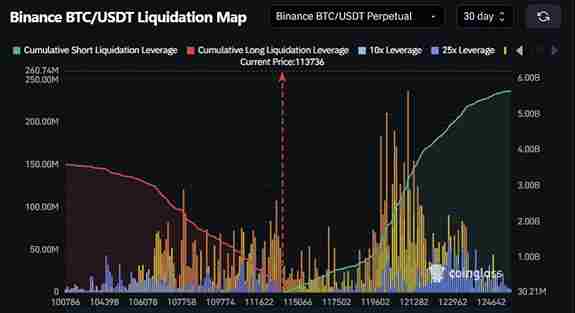
- Bitcoin: Bitcoin surged ~50% in 2024 but faced sharp corrections, highlighting its volatility.
- Real Estate: Urban property prices grew ~8–10% in 2024, with strong demand in cities like Bengaluru and Pune.
Conclusion: What’s the Best Investment for NRIs in 2025?
The best investment depends on your financial goals, risk appetite, and investment horizon:
- Share Market: Ideal for NRIs seeking high returns and willing to accept volatility. Mutual funds or ETFs are recommended for diversification and ease.
- Gold: Best for conservative NRIs prioritizing wealth preservation and inflation protection. Gold ETFs offer convenience over physical gold.
- Bitcoin: Suitable for speculative NRIs with a small portfolio allocation, but caution is advised due to extreme volatility and regulatory risks.
- Land/Real Estate: Perfect for NRIs seeking tangible assets with steady appreciation and rental income, provided they can manage maintenance and illiquidity.
For a balanced approach, NRIs should diversify across asset classes. A portfolio combining equities (50%), real estate (30%), and gold (20%) could optimize returns while managing risk. Always consult a financial advisor and tax expert to tailor your strategy to India’s regulations and your resident country’s tax laws.
Disclaimer: Investments carry risks, and past performance is not indicative of future results. Consult a financial advisor before investing.
Keywords: NRI investment options, share market for NRIs, gold investment, Bitcoin for NRIs, real estate investment, long-term returns, pros and cons, India investment guide, 2025 investment trends.
Published: August 4, 2025
Author: NRIGlobe Team
Website: www.nriglobe.com