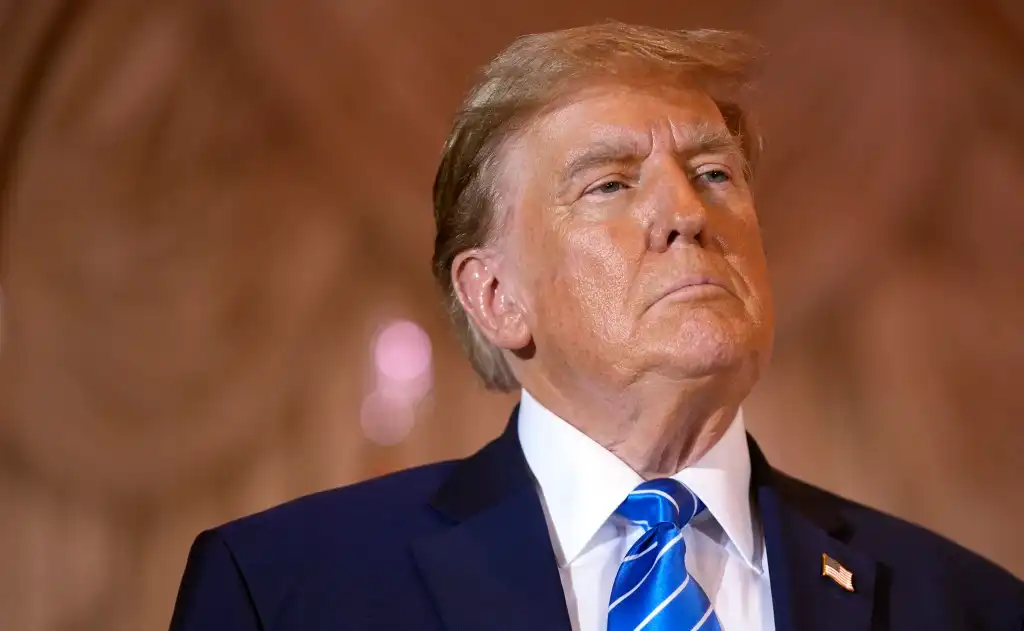
Trump Imposes New Tariffs on India and Brazil, Signs Trade Deal with South Korea
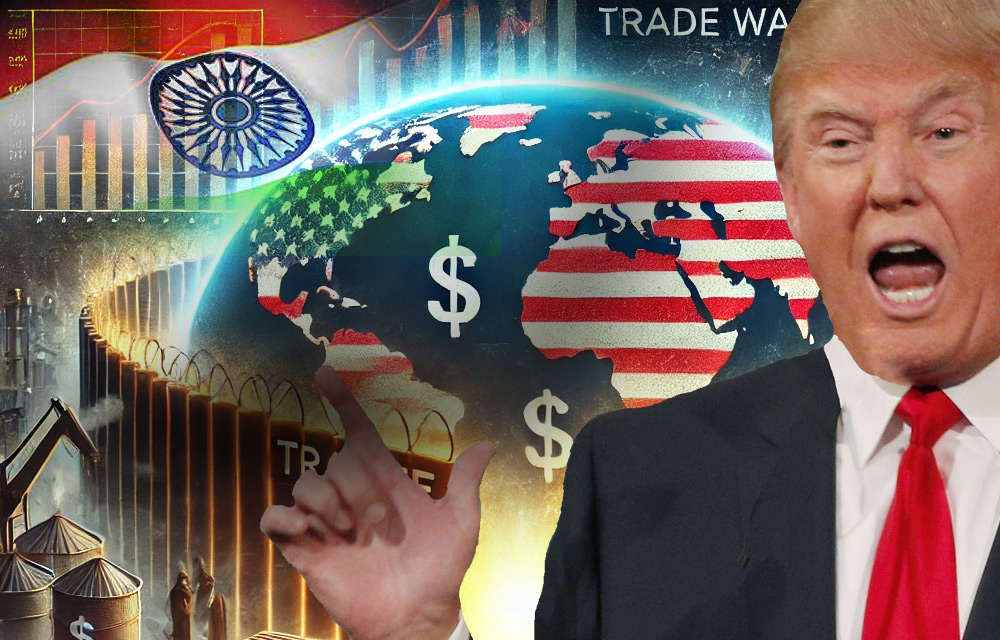
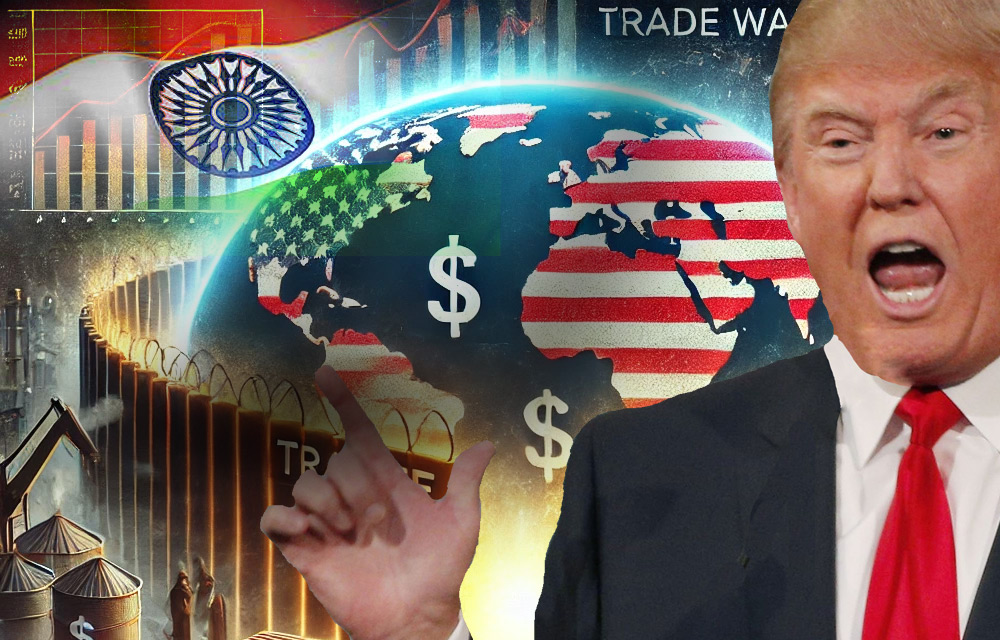
Washington, D.C., July 31, 2025 – U.S. President Donald Trump has escalated his trade war, announcing steep tariffs on India and Brazil while finalizing a trade agreement with South Korea. These moves, effective August 1, 2025, mark a significant shift in U.S. trade policy, impacting the Indian diaspora, global markets, and bilateral relations. Here’s a detailed look at the developments and their implications for the NRI community and beyond.
South Korea Secures Trade Deal
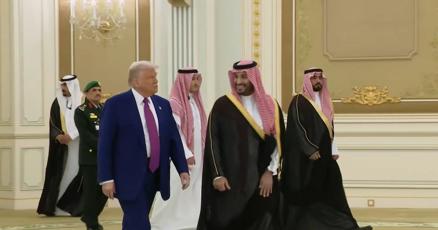
President Trump announced a “full and complete trade deal” with South Korea, reducing tariffs on its imports from a threatened 25% to 15%. The agreement includes South Korea’s commitment to invest $350 billion in U.S. projects, handpicked by Trump, and purchase $100 billion in American energy products, including liquefied natural gas. South Korean President Lee Jae-myung hailed the deal as a breakthrough, ensuring competitive terms for South Korea’s exports like computer chips, cars, and steel. This deal strengthens U.S.-South Korea ties, a key alliance in the Indo-Pacific, and offers relief to South Korean businesses facing tariff pressures.
India Faces 25% Tariffs and Russia Penalty
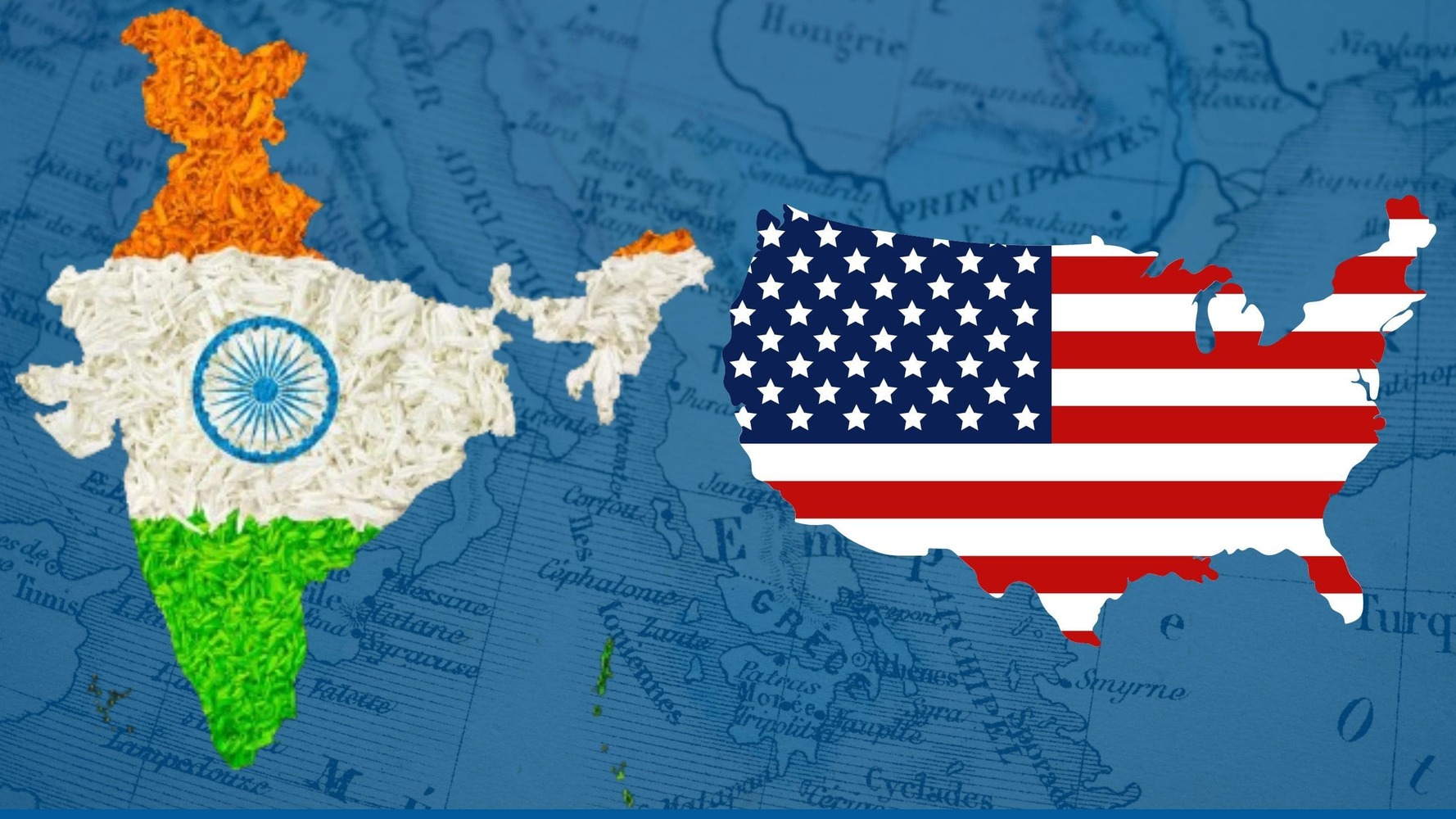
India, a major U.S. trading partner with a $129 billion goods trade in 2024, will face 25% tariffs on its exports starting August 1, 2025, after failing to finalize a trade deal by Trump’s deadline. The decision stems from India’s high trade barriers, including a 12% trade-weighted average tariff and non-tariff restrictions on agriculture and dairy. Trump also imposed an unspecified “penalty tariff” due to India’s continued energy and arms trade with Russia amid the Ukraine conflict.
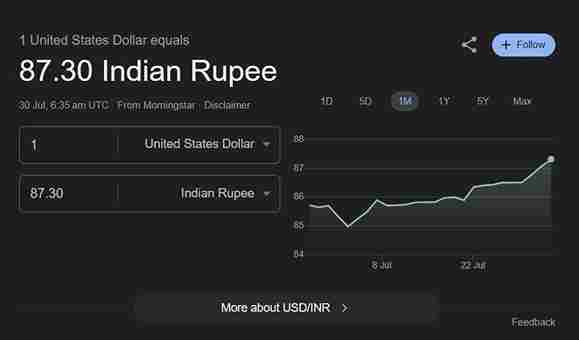
In a controversial statement, Trump called India’s economy “dead” and dismissed concerns about the tariffs’ impact, citing India’s $46 billion trade surplus with the U.S. Indian Commerce Minister Piyush Goyal, who described trade talks as “fantastic” last week, now faces pressure to negotiate a deal to mitigate the tariffs’ effects on key exports like pharmaceuticals, auto parts, and gemstones. The Indian rupee fell by 52 paise to 87.43 against the dollar, reflecting market concerns.
Brazil Hit with 50% Tariffs
Brazil faces 50% tariffs on select imports, a sharp increase from the 10% baseline set in April, partly as retaliation for the prosecution of former President Jair Bolsonaro, whom Trump calls a victim of “political persecution.” The tariffs, justified under a 1977 law, exempt key U.S. imports like orange juice and aircraft parts. Despite a $6.8 billion U.S. trade surplus with Brazil in 2024, Trump criticized its trade practices, escalating tensions. Brazilian Treasury Secretary Rogerio Ceron called the outcome “benign” compared to a threatened 90% tariff, but the levies could strain Brazil’s export-driven economy.
Implications for the NRI Community
For Non-Resident Indians (NRIs), particularly those in the U.S., the tariffs on India could have far-reaching effects:
- Economic Impact: Higher tariffs may increase costs for Indian goods like pharmaceuticals and electronics, affecting NRI-owned businesses and consumers. Indian exporters may lose competitiveness compared to Asian nations like Vietnam, which secured a 20% tariff rate.
- Investment Opportunities: South Korea’s $350 billion investment in U.S. projects could create jobs and opportunities for NRIs in sectors like manufacturing and energy.
- Diplomatic Tensions: The tariffs and Trump’s remarks on India’s economy may strain U.S.-India relations, impacting NRIs navigating cultural and economic ties between the two nations.
Global and Domestic Reactions
The tariffs have sparked varied responses. In India, Congress MP Shashi Tharoor called the 25% tariff “completely unreasonable,” while the Federation of Indian Export Organisations urged continued dialogue. Brazil’s government signaled restraint, with no immediate plans for retaliation. Globally, markets reacted with volatility, with Asian indices like Hong Kong and Seoul falling, though Wall Street remained resilient. The U.S. Federal Reserve, citing inflation concerns, left interest rates unchanged, with Chair Jerome Powell noting the ongoing trade negotiations’ uncertainty.
What’s Next for India-U.S. Trade?
Despite the tariff setback, negotiations between Washington and New Delhi continue. U.S. Trade Representative Jamieson Greer emphasized Trump’s preference for “good deals” over quick ones, while Indian officials aim for a comprehensive trade agreement by September or October. Key sticking points include India’s resistance to opening its dairy and agriculture markets and U.S. demands for reduced non-tariff barriers. A potential deal could align India’s tariff rate with competitors like Vietnam or Indonesia (15-20%), preserving its edge in the U.S. market.
Conclusion
Trump’s latest tariff actions underscore his aggressive trade strategy, impacting major economies like India and Brazil while rewarding allies like South Korea. For the NRI community, these developments signal economic challenges and opportunities as India navigates its response. Stay tuned to NRI Globe for updates on how these tariffs affect trade, investment, and U.S.-India relations.
Keywords: Trump Tariffs, India 25% Tariffs, Brazil 50% Tariffs, South Korea Trade Deal, U.S.-India Trade, Piyush Goyal, Narendra Modi, Jair Bolsonaro, NRI Community, Global Trade