July 30, 2025 | NRI Globe News Desk
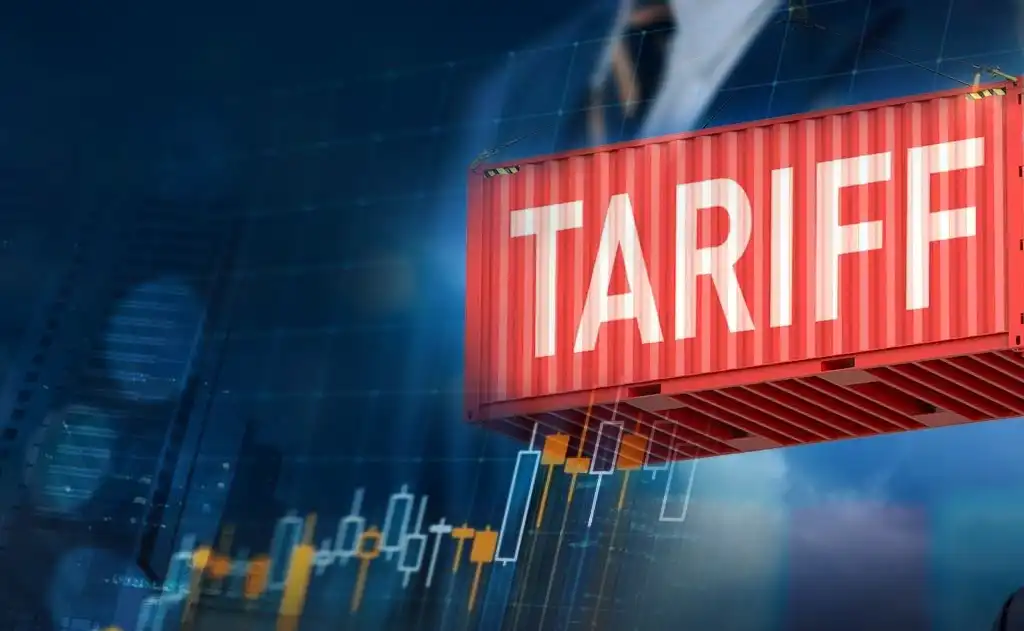
As the August 1, 2025, deadline for U.S. tariff impositions looms, global trade tensions are escalating, with significant implications for Indian businesses and Non-Resident Indian (NRI) investors. President Donald Trump’s aggressive trade policy, centered on imposing steep tariffs, is set to affect major U.S. trading partners, including Canada, Mexico, and India, if trade agreements are not finalized by the deadline. With U.S.-China trade talks stalling and the European Union narrowly escaping higher tariffs, India faces potential 20–25% tariffs on key exports, which could ripple through its economy and impact NRI investments. Here’s a deep dive into what this means for Indian businesses and the diaspora.
The Tariff Landscape: What’s at Stake?
During his second term, President Trump has doubled down on his “America First” trade policy, implementing a series of protective tariffs that have raised the average U.S. tariff rate to an estimated 18.2% as of July 2025, up from 2.5% at the start of the year. These tariffs, enacted under the International Emergency Economic Powers Act (IEEPA), target a wide range of goods, including steel (50%), aluminum (25%), and automobiles (25%), with additional tariffs on pharmaceuticals and semiconductors pending.
India, a key U.S. trading partner with $130 billion in bilateral trade in 2024, is bracing for tariffs of 20–25% on select exports, such as pharmaceuticals, auto parts, electrical goods, and gemstones, if no deal is reached by August 1. These tariffs follow a universal 10% baseline tariff already in place and a 50% tariff on Indian steel exports imposed on June 4, 2025. The absence of a trade agreement could exacerbate India’s $44 billion trade surplus with the U.S., potentially costing Indian exporters tens of billions in revenue.
U.S.-India Trade Talks: A Stalled Opportunity
India has been actively negotiating with the Trump administration since Prime Minister Narendra Modi’s visit to Washington post-inauguration. Despite Commerce Minister Piyush Goyal’s optimism about “fantastic progress,” no deal has materialized. Posts on X suggest India may settle for an interim agreement with 10–15% tariffs, but sticking points remain, particularly around agricultural market access and automobile tariffs.
The U.S. is pushing for greater access to India’s agricultural markets, which could threaten local farmers by introducing heavily subsidized American products, including genetically modified (GM) crops. Indian negotiators face a delicate balancing act: opening markets to U.S. goods could reduce tariffs but risks harming domestic agriculture, a sector critical to India’s economy and food security. A group of former Indian commerce officials, including K.M. Chandrasekhar and Gopal Pillai, has urged India to resist excessive U.S. demands, warning that short-term tariff pain may be less damaging than a lopsided long-term agreement.
Impact on Indian Businesses
The potential 20–25% tariffs could significantly affect Indian exporters, particularly in key sectors:
- Pharmaceuticals: India, a global leader in generic drugs, faces looming U.S. tariffs on pharmaceutical exports. Trump has signaled tariffs of 25% or higher to pressure companies to relocate manufacturing to the U.S. This could increase costs for Indian firms, potentially raising drug prices for U.S. consumers and squeezing profit margins for exporters.
- Automotive and Auto Parts: The 25% U.S. tariff on auto parts, effective since May 3, 2025, impacts Indian manufacturers supplying the U.S. market. Higher costs could disrupt supply chains, especially for companies integrated with North American markets under the USMCA framework.
- Gemstones and Electrical Goods: These sectors, significant contributors to India’s $80 billion in exports to the U.S. in 2024, face increased costs that could erode competitiveness, especially if competing Asian nations secure lower tariff rates.
Indian businesses are also exploring diversification strategies. A recent trade deal with the UK, reducing reliance on the U.S. market (18% of India’s exports in 2024), is a step toward mitigating tariff risks. However, the loss of export revenue could strain small and medium enterprises, which employ millions across India.
Implications for NRI Investments
For NRIs, particularly those in the U.S., the tariffs could reshape investment opportunities and risks:
- Stock Market Volatility: The Indian stock market may face turbulence if tariffs reduce export revenues, impacting sectors like pharmaceuticals (e.g., Sun Pharma, Dr. Reddy’s) and auto ancillaries (e.g., Bharat Forge). NRIs with investments in these sectors should brace for potential short-term declines.
- Real Estate and Infrastructure: Reduced export earnings could slow India’s economic growth, indirectly affecting real estate demand in urban centers like Bangalore and Mumbai, popular among NRI investors. However, government initiatives to boost domestic manufacturing may create opportunities in industrial real estate.
- Currency Fluctuations: Tariffs could pressure the Indian rupee, as reduced export dollars weaken India’s trade balance. A weaker rupee may benefit NRIs remitting funds to India but could increase the cost of U.S.-based investments for Indian firms.
- Diversification Opportunities: NRIs may find opportunities in sectors less exposed to U.S. tariffs, such as IT services (e.g., Infosys, TCS) or renewable energy, where India is expanding domestic capacity to counter global trade disruptions.
Global Context: U.S.-China, EU, and North American Trade Dynamics
The U.S.-China trade war, a significant driver of global trade tensions, saw a 90-day tariff truce extended after talks in Sweden concluded without a breakthrough on July 29, 2025. U.S. tariffs on Chinese goods, now at 30% (down from a peak of 145%), and Chinese retaliatory tariffs at 10% (down from 125%) continue to disrupt global supply chains. This creates opportunities for India to position itself as an alternative supplier, but only if it navigates U.S. tariffs effectively.
The EU secured a deal with the U.S. for a 15% tariff rate, avoiding a threatened 30% levy, but automaker Stellantis (Jeep, Fiat) anticipates €1.5 billion in losses due to higher costs. Canada and Mexico face 35% and 25% tariffs, respectively, starting August 1, with exemptions for USMCA-compliant goods partially mitigating impacts. These developments highlight the global ripple effects of Trump’s policies, with India at a critical juncture.
Advice for NRIs and Indian Businesses
- Monitor Trade Talks: Stay updated on U.S.-India negotiations, particularly the defense summit in fall 2025, where a broader deal may emerge. Platforms like NRI Globe will provide real-time updates.
- Diversify Investments: NRIs should consider reallocating portfolios to sectors less vulnerable to U.S. tariffs, such as technology or consumer goods focused on domestic Indian markets.
- Engage with Policy: Indian businesses and NRIs with stakes in export-oriented firms should advocate for balanced trade policies through industry bodies like the Confederation of Indian Industry (CII).
- Explore Alternative Markets: The UK-India trade deal and potential agreements with ASEAN nations offer avenues to reduce U.S. market dependence.
Looking Ahead
With the August 1 deadline approaching, India’s ability to secure a favorable trade deal with the U.S. will determine the extent of economic fallout. While short-term challenges loom, strategic diversification and robust negotiations could position India as a resilient player in a tariff-laden global economy. For NRIs, staying informed and agile in investment decisions will be key to navigating this turbulent period.
Stay tuned to NRI Globe for updates on U.S.-India trade talks and their impact on the diaspora.
Sources: Web references from Wikipedia, The New York Times, Reuters, and posts on X.