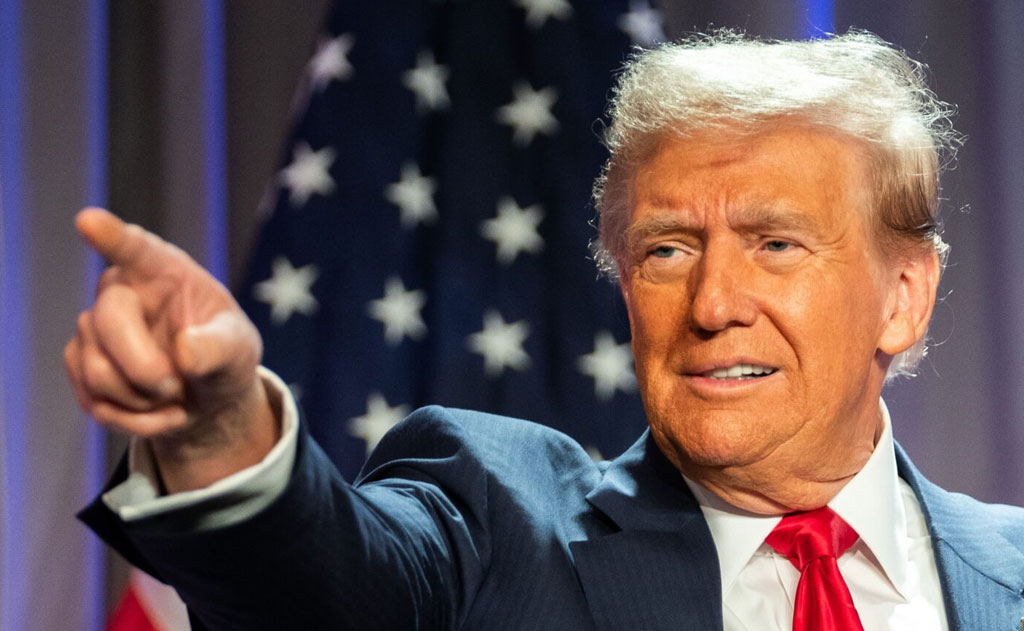
Washington, DC, July 24, 2025 – U.S. President Donald Trump has ignited a firestorm of controversy with a bold directive to American tech giants like Google, Microsoft, and Meta, urging them to cease hiring overseas talent, particularly from India, and prioritize American workers. The remarks, delivered at an AI Summit in Washington on July 23, 2025, have sent shockwaves through the global tech industry, raising concerns about the future of international talent pipelines and U.S.-India economic relations. Trump’s comments, coupled with his signing of three executive orders to bolster domestic AI development, signal a renewed push for economic nationalism under his “America First” agenda.
Trump’s Call to “Put America First”
Speaking at the All-In Podcast and Hill & Valley Forum AI Summit, Trump criticized what he called the “globalist mindset” of Silicon Valley, accusing tech companies of exploiting American freedoms while outsourcing jobs to countries like India and China. “Many of our largest tech companies have reaped the blessings of American freedom while building their factories in China, hiring workers in India, and stashing profits in Ireland,” Trump declared. “Under President Trump, those days are over. We want you to put America first. That’s all we ask.”
Trump’s remarks targeted the tech industry’s reliance on foreign talent, particularly Indian professionals who have long been a cornerstone of Silicon Valley’s workforce. He argued that companies like Google, Microsoft, and Meta have prioritized cost-cutting over American job creation, leaving domestic workers “distrustful and betrayed.” The president’s comments align with his broader “Make America Great Again” (MAGA) philosophy, emphasizing patriotism and national loyalty in the tech sector.
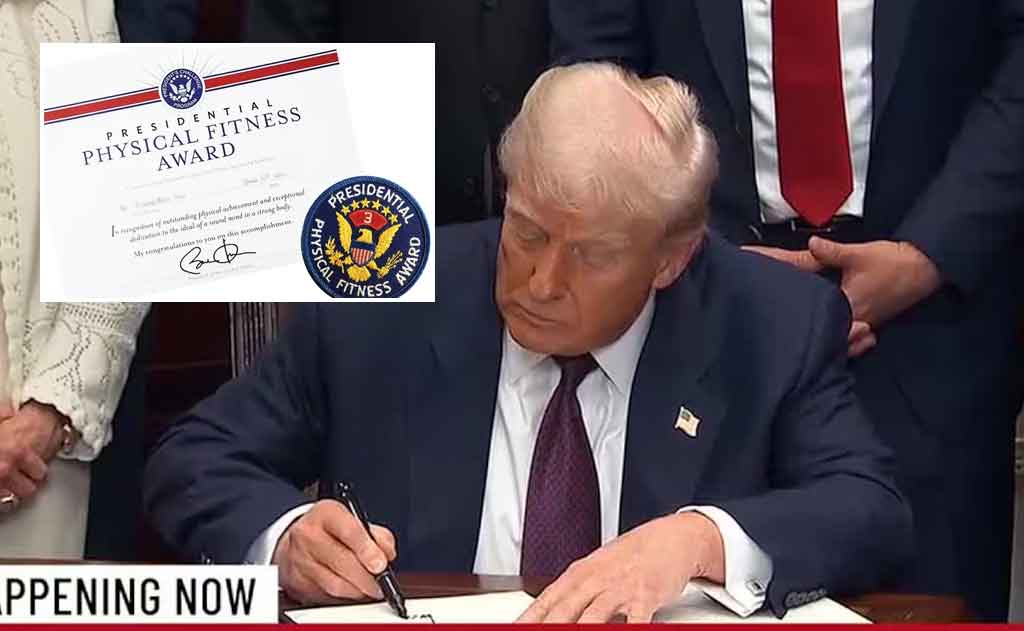
At the summit, Trump signed three executive orders aimed at strengthening U.S. dominance in artificial intelligence (AI). The first, titled “Winning the Race,” outlines a national strategy to accelerate AI infrastructure development, including data centers and research facilities. The second order mandates that federally funded AI projects avoid “woke” or politically biased models, while the third promotes the export of American-made AI tools to compete globally. Trump also expressed disdain for the term “artificial intelligence,” suggesting it be renamed to reflect its “genius.”
Impact on Indian Tech Professionals
India has long been a key outsourcing and talent hub for U.S. tech giants, with Indian professionals dominating the H-1B visa program, which allows companies to hire foreign workers for specialized roles. In 2024, companies like Amazon, Meta, Google, and Microsoft secured thousands of H-1B visas, with Indian workers making up a significant portion. Notably, Indian-born CEOs like Sundar Pichai of Google and Satya Nadella of Microsoft have led these companies to global success, highlighting the critical role of Indian talent in Silicon Valley.
Trump’s directive, while not legally binding, could signal tighter restrictions on H-1B visas and offshore hiring, potentially disrupting the career aspirations of Indian IT professionals and outsourcing firms. Posts on X reflect growing unease, with users like @nkk.getenv noting, “Saheb’s best fraand Dol@and Trump has sent a strong message to big tech companies like Google & Microsoft, asking them to stop hiring overseas, including from countries like India. Abki baar Modi ki sena bekaar.” Others, like @DrSrinubabu, pushed back, arguing, “The tech industry erased the borders long ago. The skilled ones will get jobs irrespective of their origin or birth.”
The timing of Trump’s remarks is particularly striking, coming shortly after India and the UK signed a free trade agreement during a meeting between Prime Minister Narendra Modi and UK Prime Minister Keir Starmer. Some analysts suggest Trump’s focus on India may stem from broader geopolitical frustrations, including India’s growing economic ties with other nations.
Silicon Valley’s Dilemma
Trump’s call to halt overseas hiring poses a dilemma for tech giants. Indian professionals have been instrumental in driving innovation, with over 1,000 Indian-founded startups in Silicon Valley valued at more than $40 billion. Critics argue that restricting access to global talent could harm the U.S. tech industry’s competitiveness, especially as companies race to lead in AI development. One X user, @ShineHamesha, called Trump’s stance “an imbecile with no vision,” suggesting that limiting global hiring could backfire.
Others point out that previous attempts by Trump to influence corporate decisions have met resistance. For example, when Trump pressured Apple to stop manufacturing in India, CEO Tim Cook reportedly ignored the request, and Apple continued to expand its operations in the country. X users like @Illustrious-Wall-293 on Reddit noted, “He cannot order this, he can only ask… He tried to order Apple to stop manufacturing in India and even threatened them with tariffs but was unsuccessful.”
Broader Implications
Trump’s remarks have sparked a broader debate about globalization, immigration, and the tech industry’s role in American society. Supporters of his stance argue that prioritizing domestic workers will create thousands of high-paying jobs, particularly in AI infrastructure, which Trump highlighted as a $320 billion investment by companies like Meta, Amazon, Google, and Microsoft, with Nvidia committing $500 billion over the next four years.
However, critics warn that isolating the U.S. from global talent could stifle innovation and drive companies to relocate operations to countries with fewer restrictions. The tech industry’s globalized workforce has been a key driver of its success, and Indian professionals have played a pivotal role. As one X user, @Tar21Operator, noted, “U.S. President Trump urges Google, Microsoft to stop hiring in India, prioritize American workers at AI summit,” framing the issue as a potential turning point for the industry.
What’s Next?
While Trump’s directive is not a formal mandate, it signals a potential shift in U.S. policy that could affect H-1B visa programs, trade relations, and global outsourcing models. The tech industry’s response remains uncertain, with companies likely weighing the costs of compliance against their global hiring needs. Indian IT firms and professionals, meanwhile, face an uncertain future as they navigate potential policy changes under Trump’s administration.
For now, the debate rages on, with Trump’s “America First” rhetoric clashing with the realities of a globalized tech ecosystem. As the U.S. pushes to dominate the AI race, the exclusion of international talent could reshape Silicon Valley and its relationship with countries like India.
Stay tuned to NRI Globe for the latest updates on global news, technology, and more.