Welcome back, NRI Globe readers, to a gripping chapter in America’s economic saga! Last week, the U.S. labor market sent shockwaves through Wall Street and the Federal Reserve, revealing a far weaker jobs picture than anyone expected. With employment growth sputtering, massive revisions to past data, and the Fed holding its breath, this is a story of uncertainty, policy debates, and a nation at a crossroads.
A Shocking Jobs Report
The U.S. labor market, long a pillar of economic resilience, showed cracks in July 2025. The Bureau of Labor Statistics reported a meager 73,000 nonfarm payroll jobs added, well below the 100,000 economists had forecasted. But the real bombshell came with revisions to earlier months: May’s job gains were slashed from 144,000 to just 19,000, and June’s plummeted from 147,000 to 14,000—a combined cut of 258,000 jobs. This rewrite painted a picture of a labor market that had been stalling over the spring, catching policymakers and investors off guard.
The unemployment rate ticked up slightly to 4.2%, holding steady within a narrow 4.0% to 4.2% range since May. Yet, beneath the surface, warning signs emerged. Household employment dropped by 260,000, and 38,000 people exited the labor force, pushing the participation rate down to 62.2% from 62.3%. The number of foreign-born workers fell by 341,000, partly due to immigration restrictions, adding pressure to labor supply. Meanwhile, the median duration of unemployment crept up to 10.2 weeks, hinting at growing difficulty for job seekers.
Sector Struggles and Bright Spots
Job gains were heavily concentrated in healthcare and social assistance, which added 55,000 and 18,000 jobs, respectively, continuing their steady growth. Retail and financial sectors eked out modest gains of 15,700 and 15,000 jobs, but manufacturing, professional services, and wholesale trade shed jobs. Federal government employment took a hit, losing 12,000 jobs in July, down 84,000 since its January peak, with more cuts looming after a Supreme Court ruling greenlit mass firings. Only 51.2% of industries reported job growth, up slightly from June’s 47.2%, but the overall picture was lackluster.
On a brighter note, wage growth held strong, with average hourly earnings rising 3.9% year-over-year, outpacing inflation and bolstering consumer wallets. The number of discouraged workers also dropped by 212,000 to 425,000, offsetting a prior month’s spike. But these silver linings couldn’t mask the broader slowdown.
The Fed’s Wait-and-See Dilemma
The Federal Reserve, caught in a delicate balancing act, faced intense scrutiny after the jobs report. At its July 30-31 meeting, the Fed held its benchmark interest rate steady at 4.25% to 4.5%, marking its fifth consecutive pause. Fed Chair Jerome Powell called the economy “solid” and emphasized a data-driven approach, citing concerns over tariffs stoking inflation above the Fed’s 2% target. Inflation, which hit 2.7% in June, remains a wildcard, with Trump’s new 35% tariffs on Canada and other trading partners threatening to push prices higher.
Yet, the weak jobs data sparked dissent within the Fed. Governors Christopher Waller and Michelle Bowman broke ranks, advocating for an immediate rate cut—the first such double dissent in over 30 years. Waller warned that private-sector payroll growth was “near stall speed” and urged preemptive action to protect the labor market. Bowman argued that easing rates would hedge against economic weakening without fueling persistent inflation from tariffs. Atlanta Fed President Raphael Bostic, while supporting the pause, called the July report “significant” and signaled closer scrutiny of job risks versus inflation concerns.
The report shifted market expectations dramatically. The odds of a September rate cut soared from 40% to 80%, with some analysts, like Jamie Cox of Harris Financial Group, predicting a bold 50-basis-point cut to “make up for lost time.” However, others cautioned that tariff-driven inflation could complicate the Fed’s dual mandate of maximum employment and price stability, risking a stagflation scenario of slow growth and high prices.
Trump’s Tariffs and Political Pressure
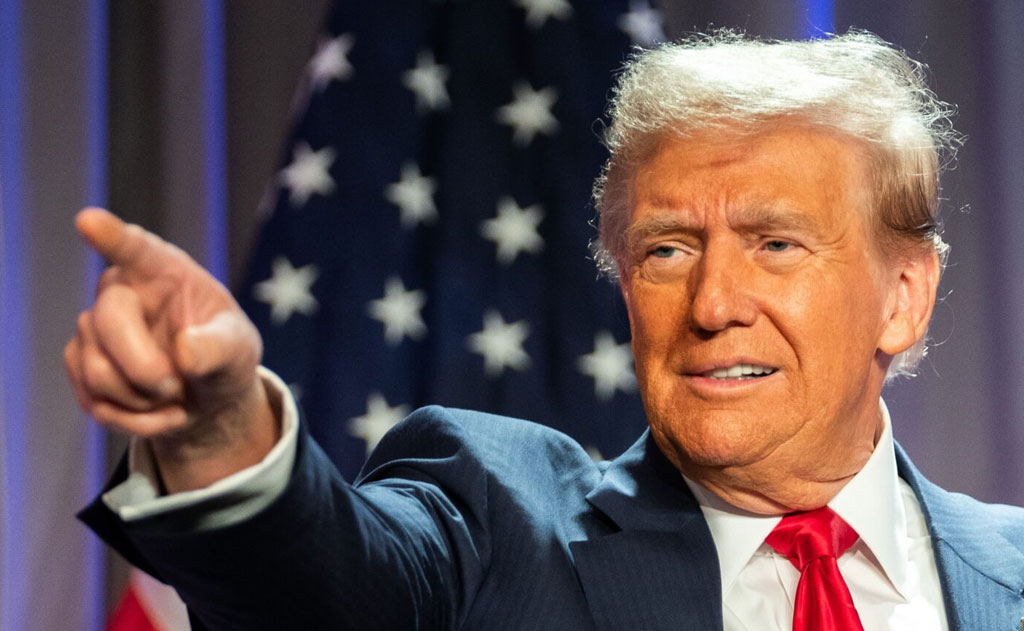
President Donald Trump turned up the heat, blasting Fed Chair Powell as a “disaster” on Truth Social and demanding an immediate rate cut: “Too Little, Too Late. DROP THE RATE!” His administration’s aggressive trade policies, including new tariffs announced on July 31, added fuel to the fire. Economists warned that these import duties, the highest since the 1930s, could exacerbate inflation while curbing business investment due to trade uncertainty. Trump’s mass firings of federal workers and immigration raids further tightened labor supply, contributing to the drop in foreign-born workers and potentially driving up wages.
In a dramatic move, Trump fired Bureau of Labor Statistics Commissioner Erika McEntarfer after the jobs report, reflecting frustration with the bleak data. Analysts like Eric Pachman of Bancreek Capital Advisors questioned the reliability of the numbers, asking, “How can we even trust this number now?”
What’s Next for America’s Workers?
The labor market’s sudden slowdown has raised alarms about a broader economic cooling. The Conference Board projects that tariff-related shocks could hit GDP growth, inflation, and employment harder in Q4 2025 and early 2026, though labor market resilience has delayed the worst effects so far. With another jobs report due before the Fed’s September 16-17 meeting, all eyes are on whether the data will confirm a deteriorating trend or signal stabilization.
For now, the Fed’s cautious stance reflects a high-stakes gamble: wait for clearer data or risk falling behind the curve. As NRI Globe readers navigate this economic turbulence, one thing is certain—America’s labor market is at a pivotal moment, and the world is watching. Stay tuned for the next chapter in this unfolding drama!