Introduction: Mythology as a Mirror for Modern NRIs
For the global Indian living across borders, Hindu mythology isn’t just ancient storytelling—it’s a living philosophy. Tales from the Puranas and epics like the Mahabharata are repositories of spiritual insight, ethical nuance, and cultural identity.
At NRI Globe, we re-explore these powerful stories through a contemporary, diaspora lens. Beyond the surface conflict of good versus evil lie hidden lessons that resonate with the ethical, emotional, and spiritual choices modern NRIs face every day.
Let’s dive into three symbolic stories—Bhasmasura’s paradox, Jaya-Vijaya’s cosmic curse, and Ashwatthama’s moral conflict—to uncover how ancient wisdom illuminates our global lives.
1. Bhasmasura’s Paradox: Power Without Purpose
The Story
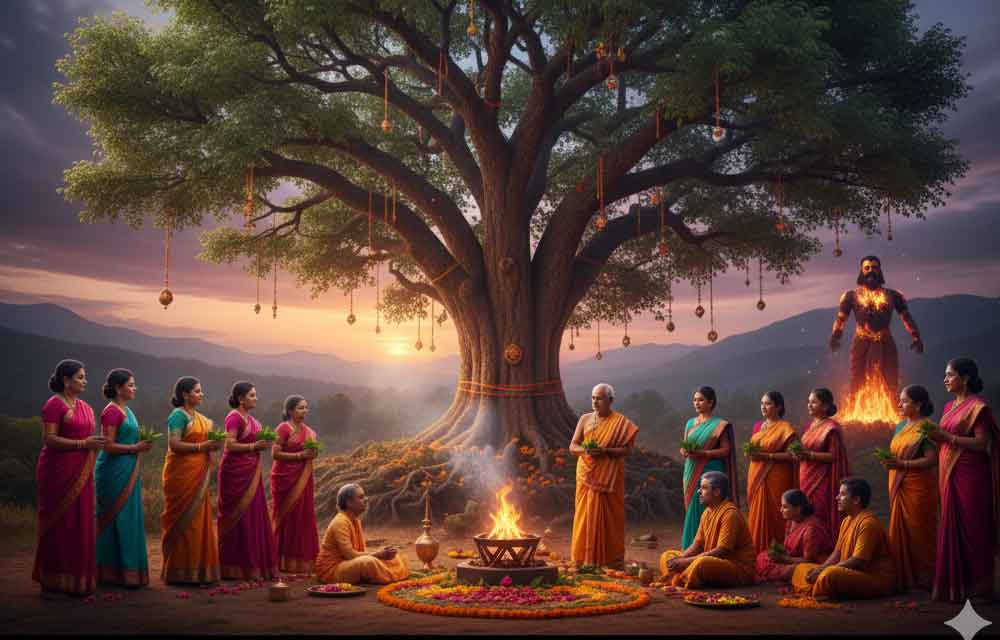
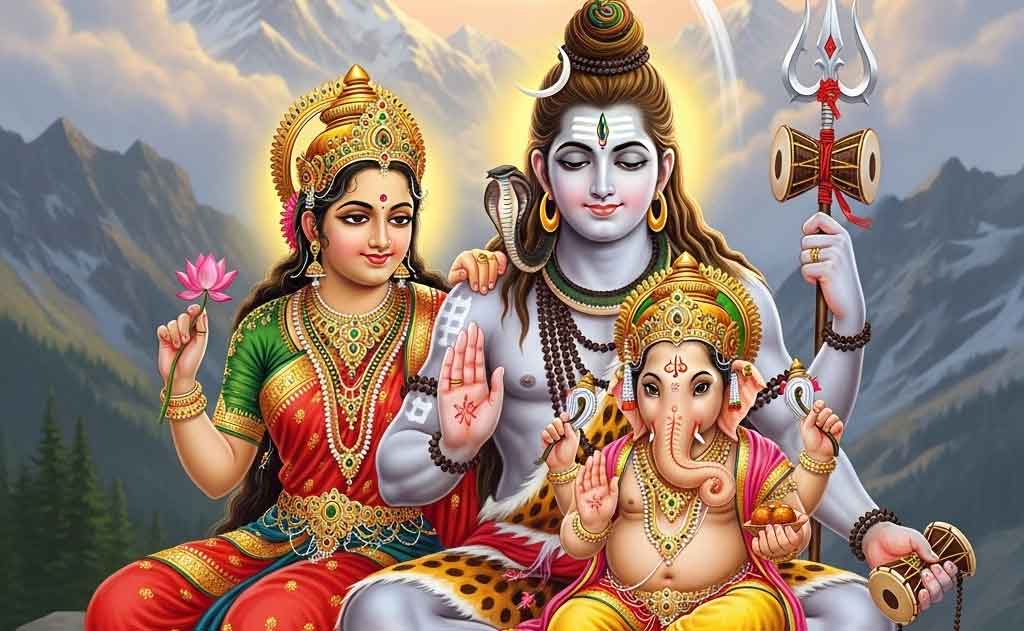
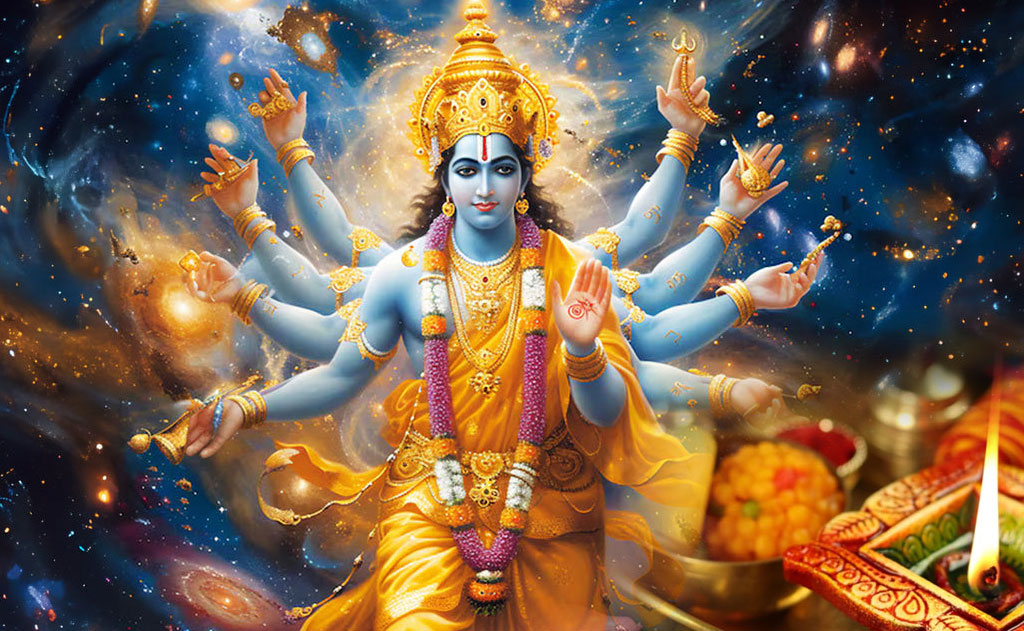
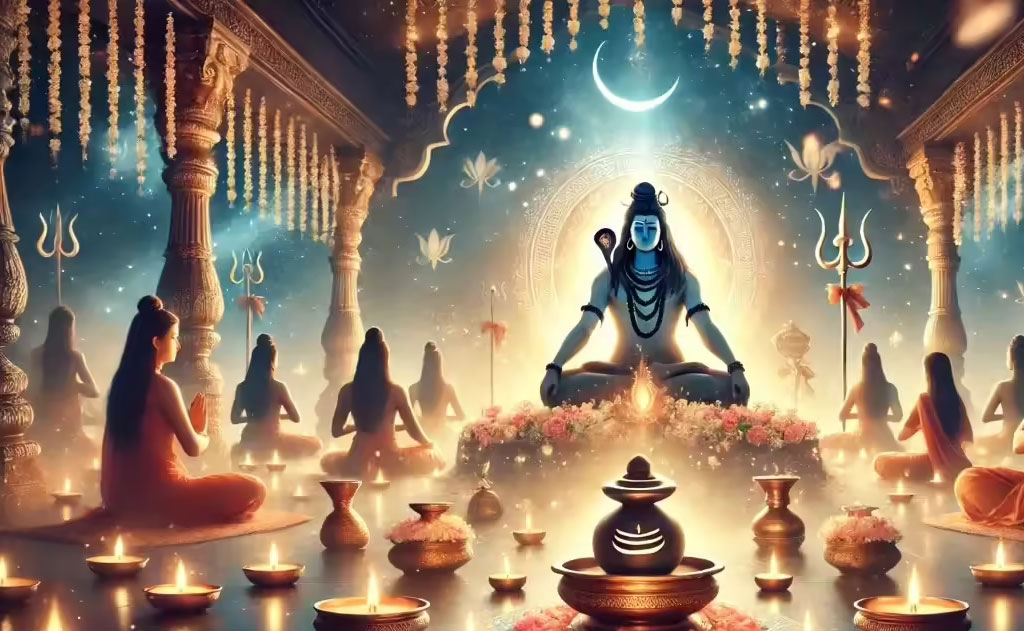
Bhasmasura, a demon (asura), gains a powerful boon from Lord Shiva—the ability to incinerate anyone he touches. Drunk on power, he turns on Shiva himself. In response, Lord Vishnu, in the form of Mohini, tricks him into touching his own head—destroying himself.
Modern Insight for NRIs
In our careers, investments, and pursuits of status, NRIs often wield significant influence. But unchecked ambition, like Bhasmasura’s, can turn inward. The story reminds us: Power without humility becomes self-destructive.
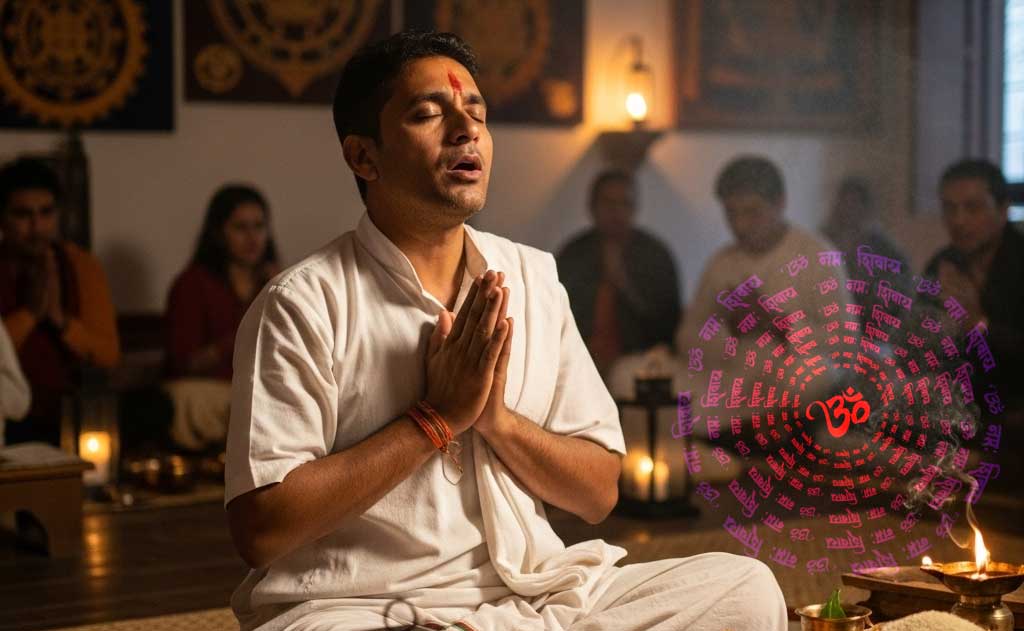
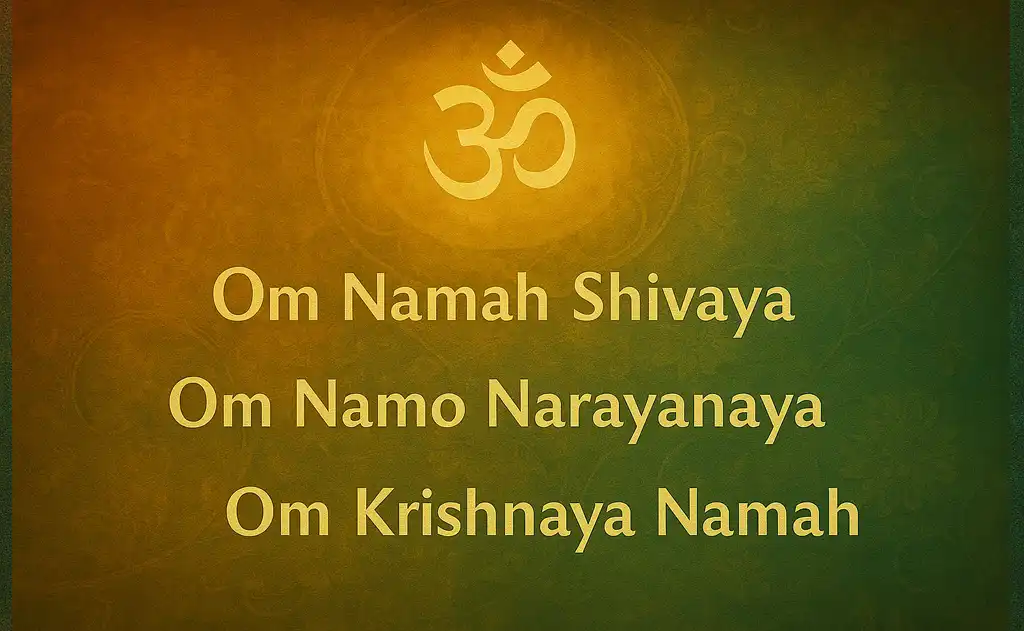
“Om Namah Shivaya” – a chant to cultivate balance between confidence and compassion.
Key Takeaway: Success should serve a higher good. Whether in Silicon Valley or Singapore, wield your talents with responsibility—not ego.
2. Jaya-Vijaya’s Curse: Liberation in Disguise
The Story
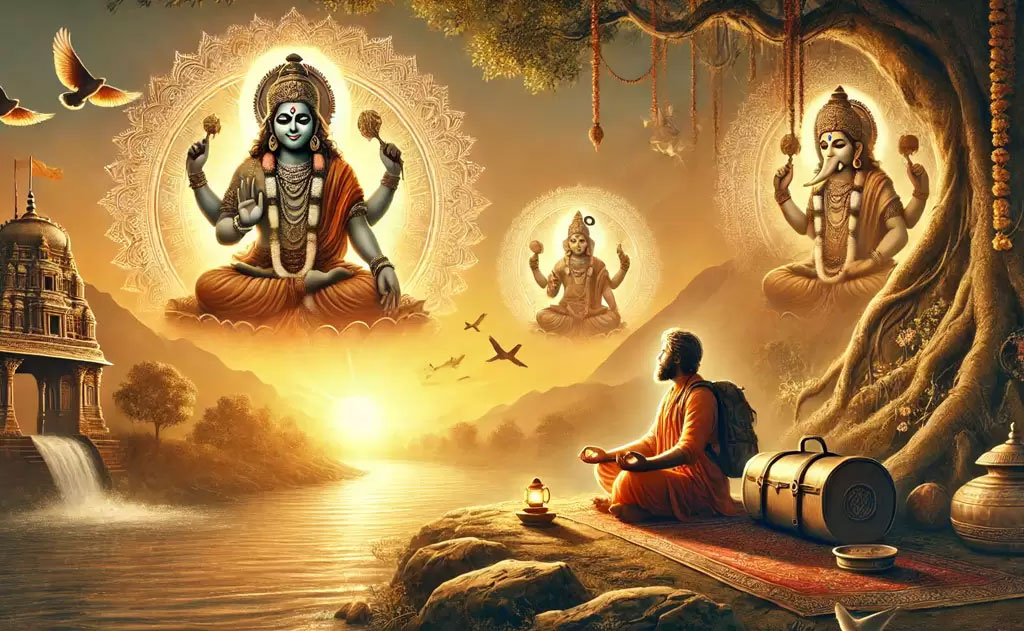
Jaya and Vijaya, the gatekeepers of Vaikuntha, deny access to the Kumaras, who then curse them to be born on Earth. Lord Vishnu offers them a choice: seven lifetimes as his devotees or three as enemies. They choose enmity—for a faster return.
They reincarnate as:
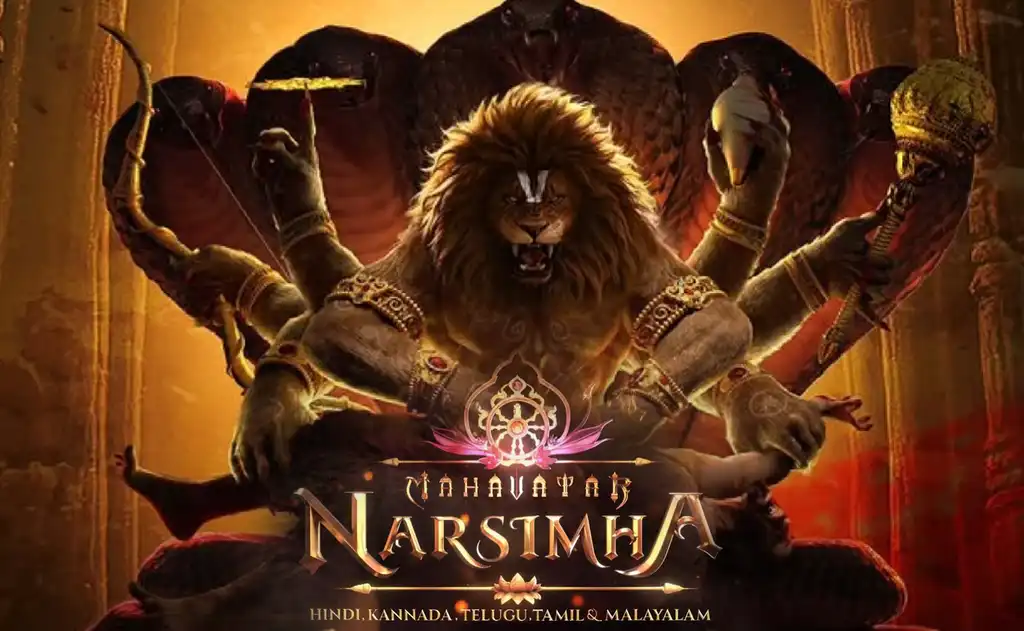
- Hiranyaksha & Hiranyakashipu (slain by Varaha & Narasimha)
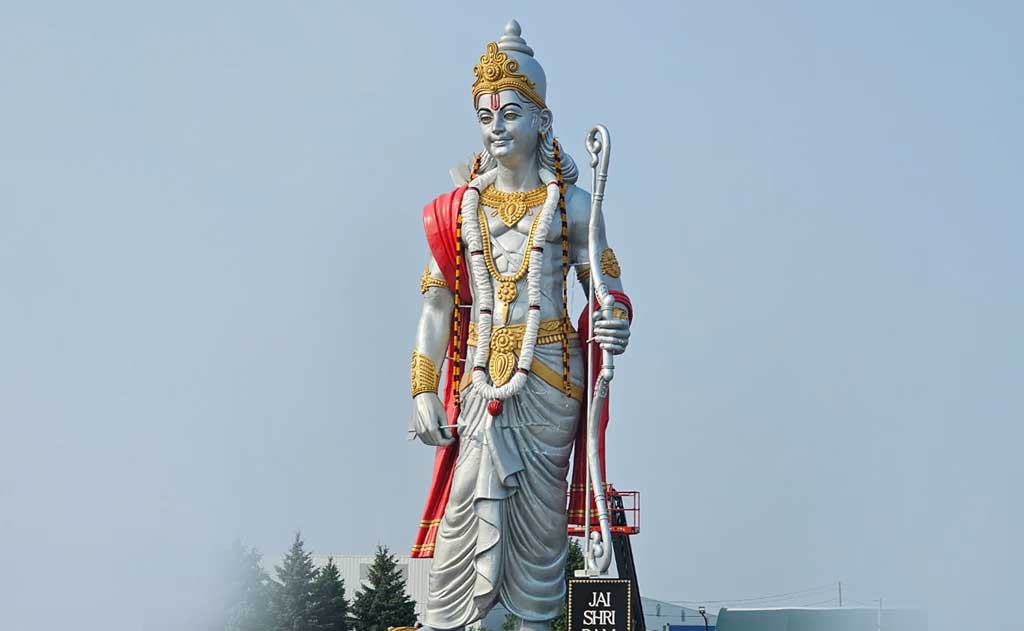
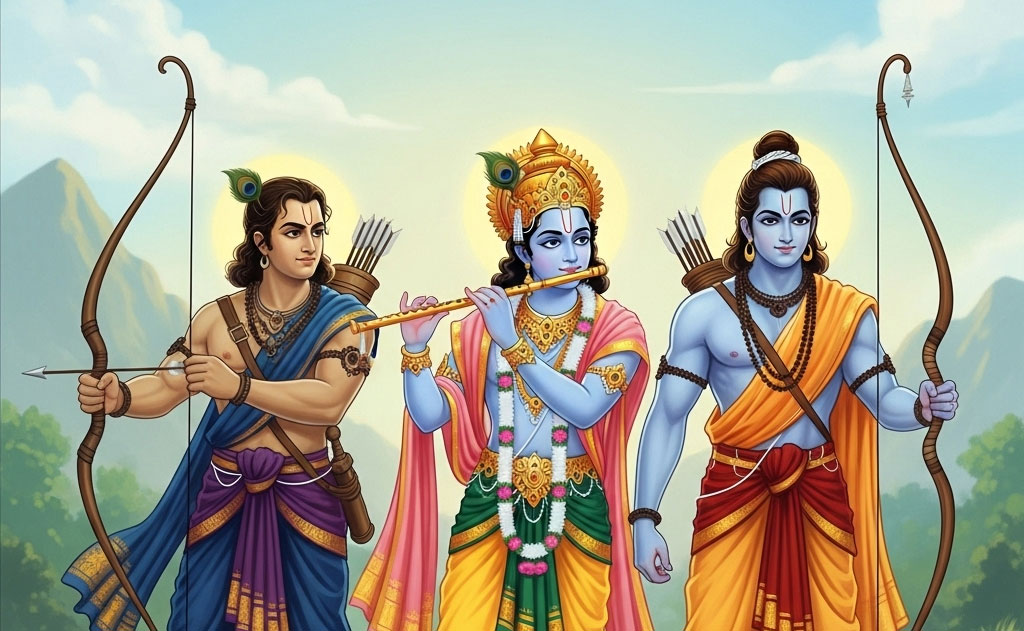
- Ravana & Kumbhakarna (slain by Rama)
- Shishupala & Dantavakra (slain by Krishna)
Modern Insight for NRIs
Adversity is often disguised grace. Jaya and Vijaya, though “villains,” played divine roles. As NRIs juggling identity, relocation, and life’s upheavals, we must see struggles as spiritual tools—not punishments.
“Om Namo Narayanaya” – to surrender personal control and align with divine timing.
Key Takeaway: Opposition and discomfort may be divine choreography pushing you toward transformation.
3. Ashwatthama’s Half-Truth: Navigating Ethical Grey Zones
The Story
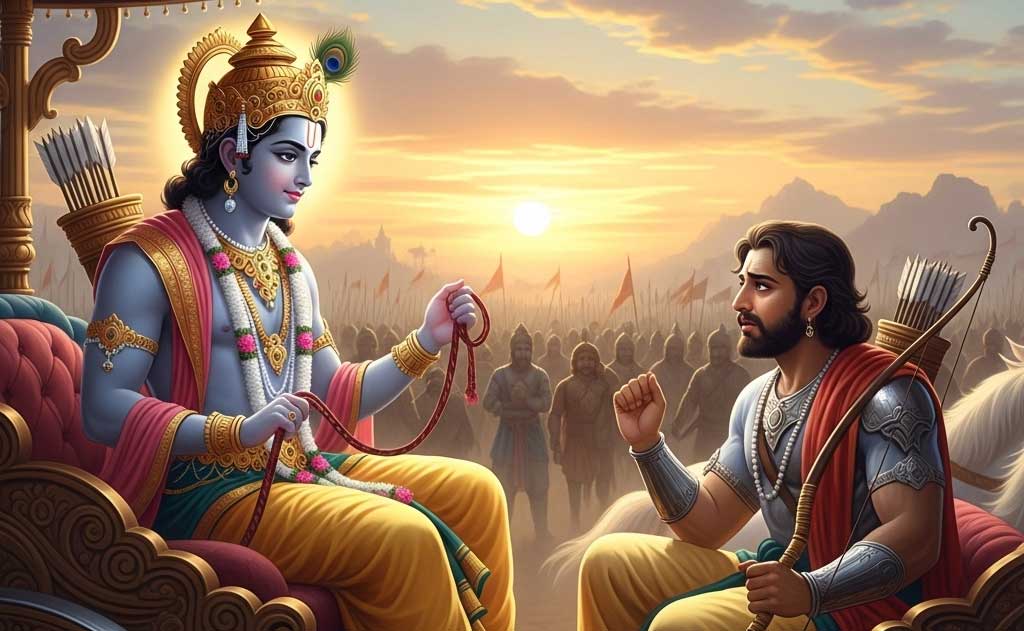
In the Mahabharata, Ashwatthama the elephant is killed. To demoralize Drona, Bhima shouts “Ashwatthama is dead!” Yudhishthira, bound to truth, adds “the elephant” under his breath. Krishna drowns out the clarification. Drona believes his son is dead, surrenders—and is killed.
Modern Insight for NRIs
Life in the diaspora is rarely black-and-white. Whether it’s parenting across cultures, workplace dilemmas, or legal complexities—moral absolutism may not always serve dharma.
“Om Krishnaya Namah” – to seek clarity and higher ethical discernment.
Key Takeaway: Truth must be wielded with wisdom. Dharma isn’t about rigid rules—it’s about compassionate choices.
Philosophical Takeaway: Beyond Good and Evil
| Tale | Lesson for NRIs |
|---|---|
| Bhasmasura | Power must be guided by humility and purpose |
| Jaya-Vijaya | Even adversity plays a role in spiritual evolution |
| Ashwatthama | Truth requires context; righteousness isn’t rigid |
These aren’t just stories—they are blueprints for spiritual navigation in a complex world, especially for those balancing ancient heritage with modern challenges.
How NRIs Can Integrate These Lessons
Practice Humility: Don’t let titles or wealth define your worth. Reflect on Shiva’s grace.
Reframe Hardships: Like Jaya-Vijaya, see every trial as a soul contract for growth.
Discern Truth: Like Ashwatthama’s tale, evaluate ethics through compassion, not dogma.
Trust the Divine Plan: Your path—however scattered—is divinely orchestrated. Let go and let dharma lead.
Daily Mantra Practice for Global Devotees
- Om Namah Shivaya – to remain grounded in strength
- Om Namo Narayanaya – to accept divine timing and destiny
- Om Krishnaya Namah – for wise decisions and inner clarity
Conclusion: Mythology Is a Compass, Not a Museum Piece
As NRIs, we are custodians of a spiritual legacy that spans continents. Hindu mythology, far from obsolete, offers living insights to elevate our daily lives.
At NRI Globe, we urge you to go beyond nostalgic remembrance. Let these sacred tales guide your dharma, shape your ethics, and deepen your devotion—no matter where you call home.