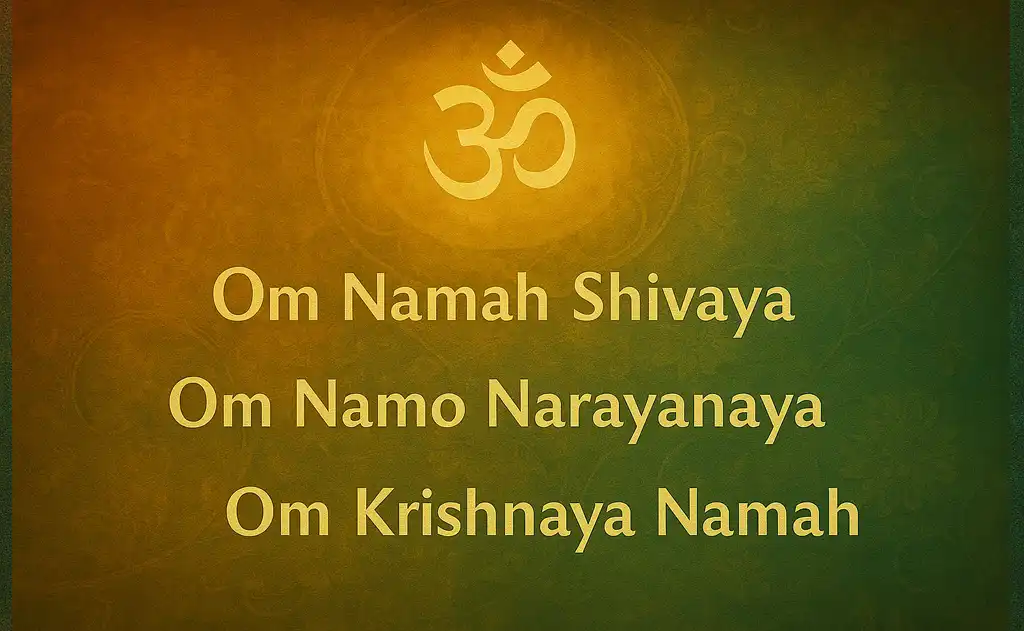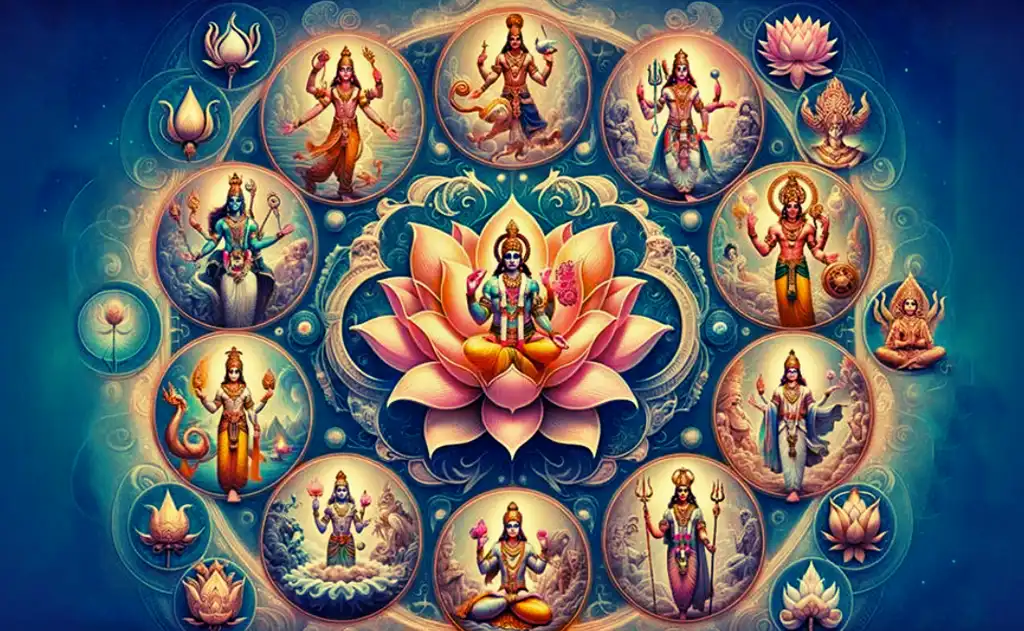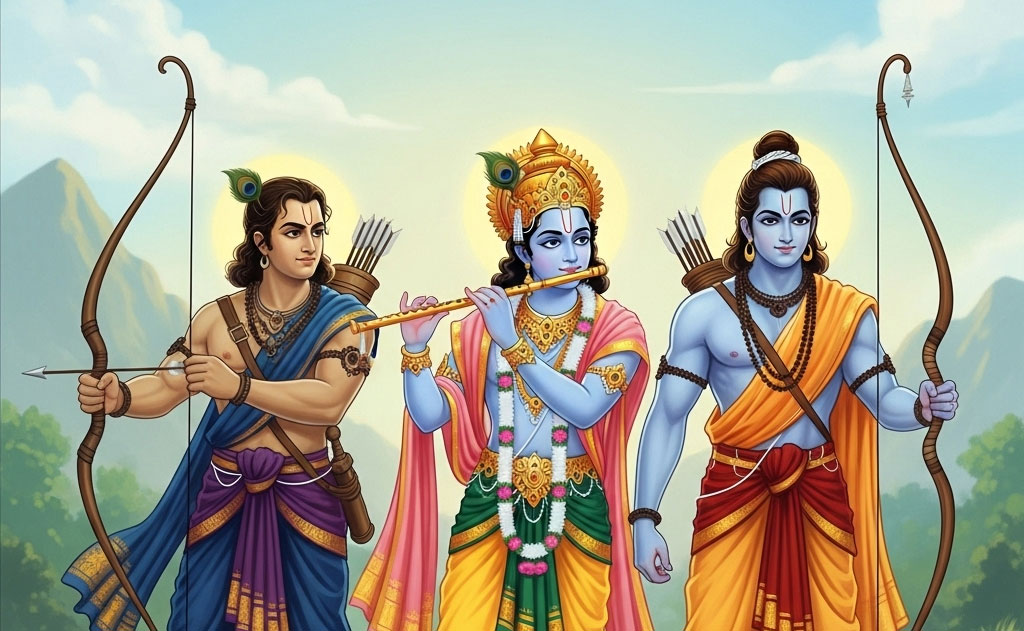
Raksha Bandhan, celebrated on the full moon day of Sravana Purnima, is more than a festival of sibling love. It is a sacred thread woven with spiritual significance, divine blessings, and cosmic harmony. Beyond the cherished bond between brothers and sisters, Raksha Bandhan carries a profound spiritual meaning that aligns with the blessings of deities and the eternal principles of protection, love, and devotion. This devotional story explores the deeper essence of Rakhi, its spiritual connection to Sravana Purnima, and how tying the sacred thread invokes divine grace. Crafted for NRI Globe, this narrative is designed to inspire and resonate with readers seeking cultural and spiritual insights.
The Spiritual Significance of Raksha Bandhan
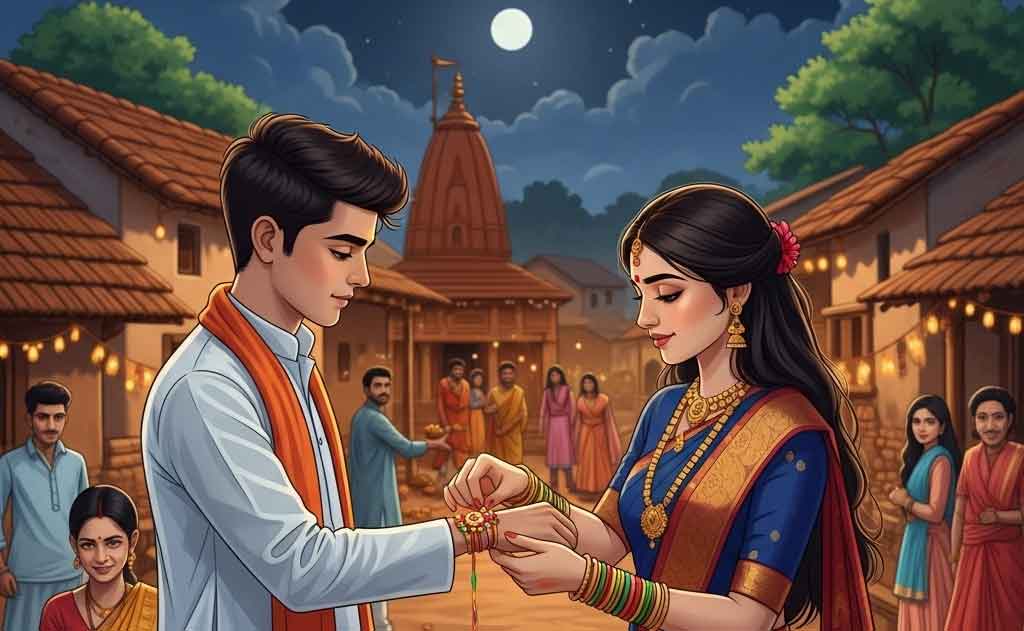
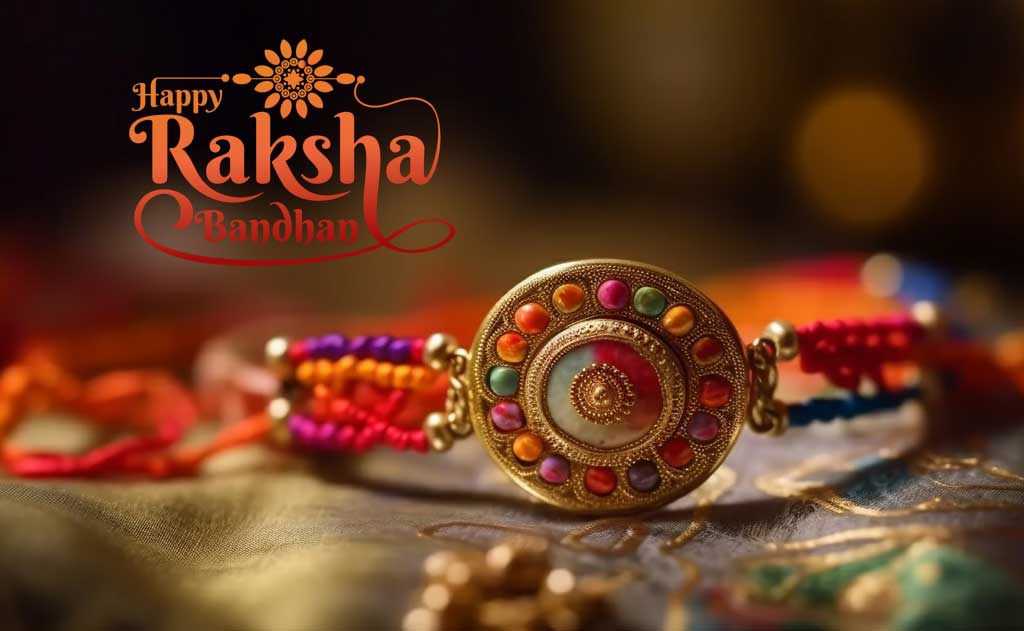
Raksha Bandhan, derived from the Sanskrit words Raksha (protection) and Bandhan (bond), symbolizes a sacred vow of safeguarding loved ones. While the festival is widely celebrated as a sibling tradition—where sisters tie a Rakhi on their brothers’ wrists, praying for their well-being, and brothers pledge protection—it transcends earthly ties. The act of tying the Rakhi is a spiritual ritual rooted in Vedic traditions, invoking divine energies to shield against negative forces and foster unity.
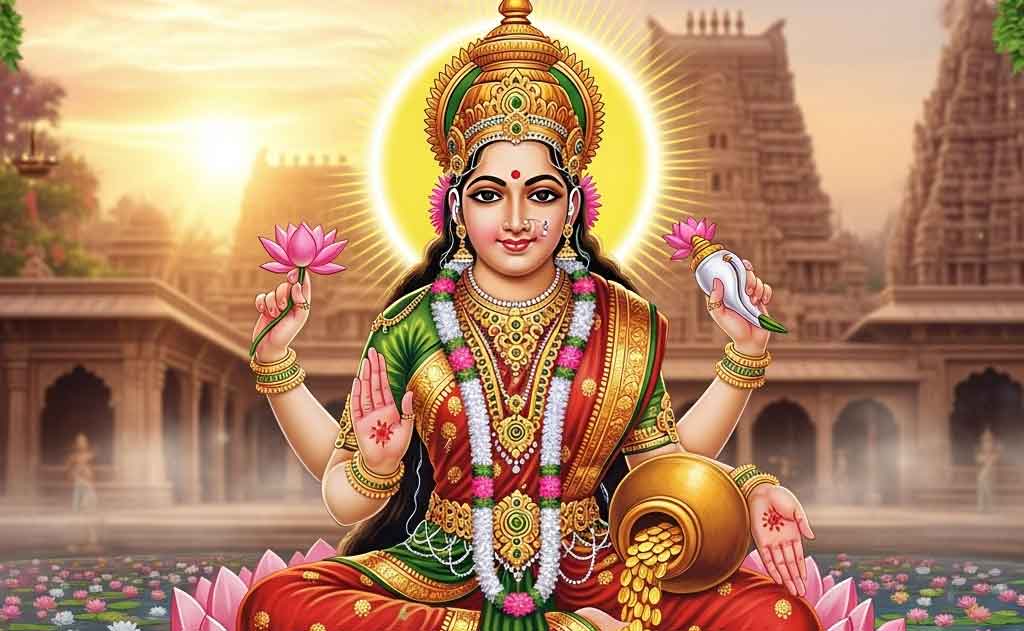
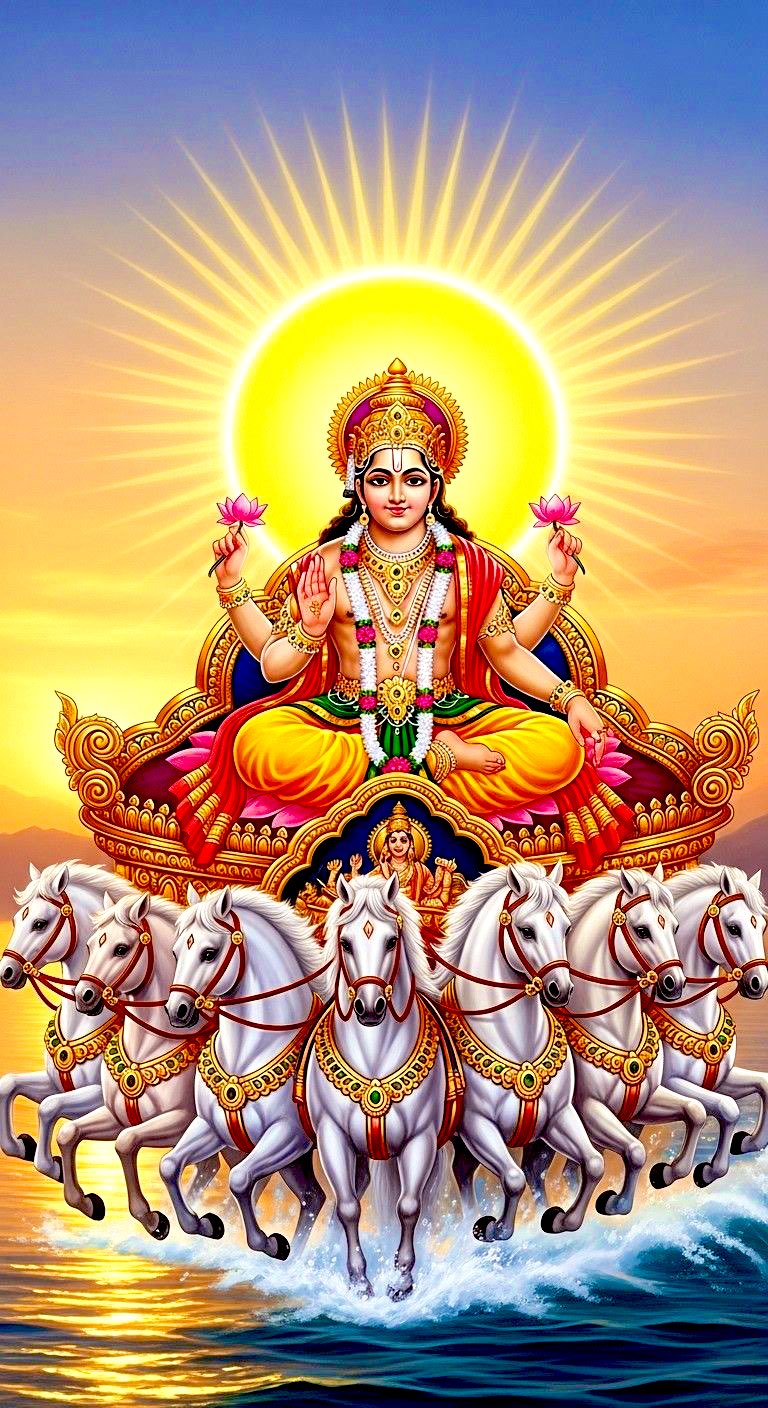
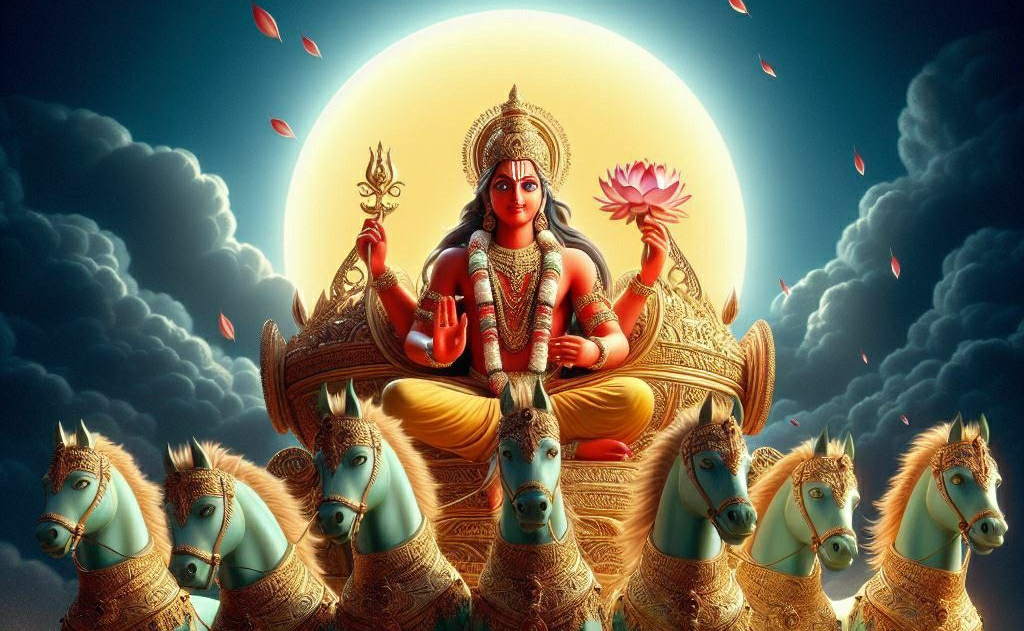
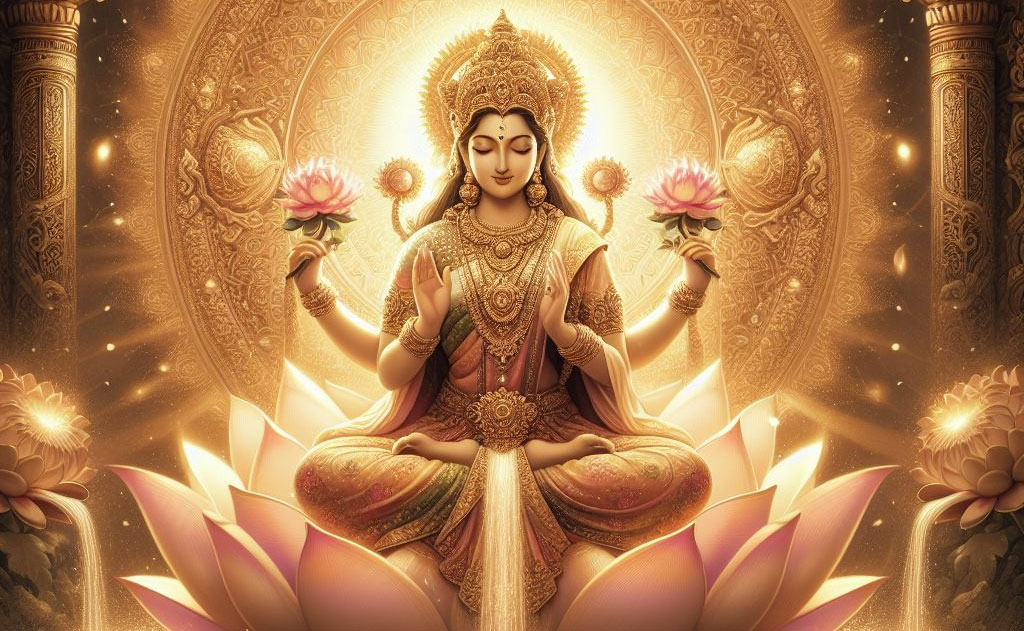
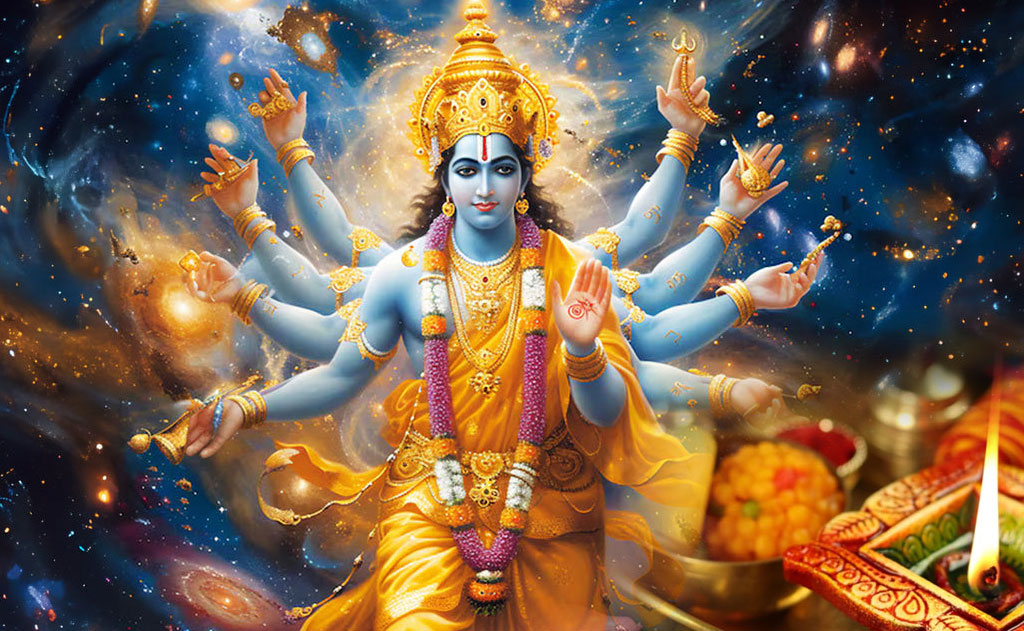
Sravana Purnima, the auspicious full moon day, amplifies the spiritual potency of Raksha Bandhan. In Hindu tradition, this day is considered highly sacred, as it aligns with cosmic energies that enhance spiritual practices. The full moon (Purnima) radiates divine light, symbolizing purity, abundance, and enlightenment. Tying the Rakhi on this day is believed to channel blessings from deities such as Lord Vishnu, Goddess Lakshmi, and Lord Krishna, who embody protection, prosperity, and love.
A Devotional Tale: The Divine Thread of Protection
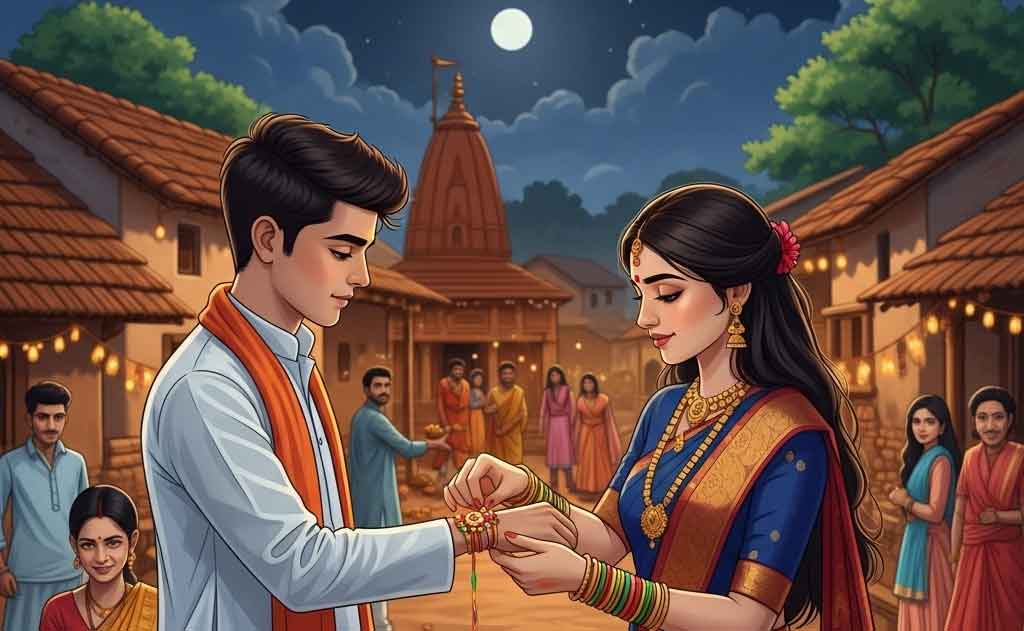
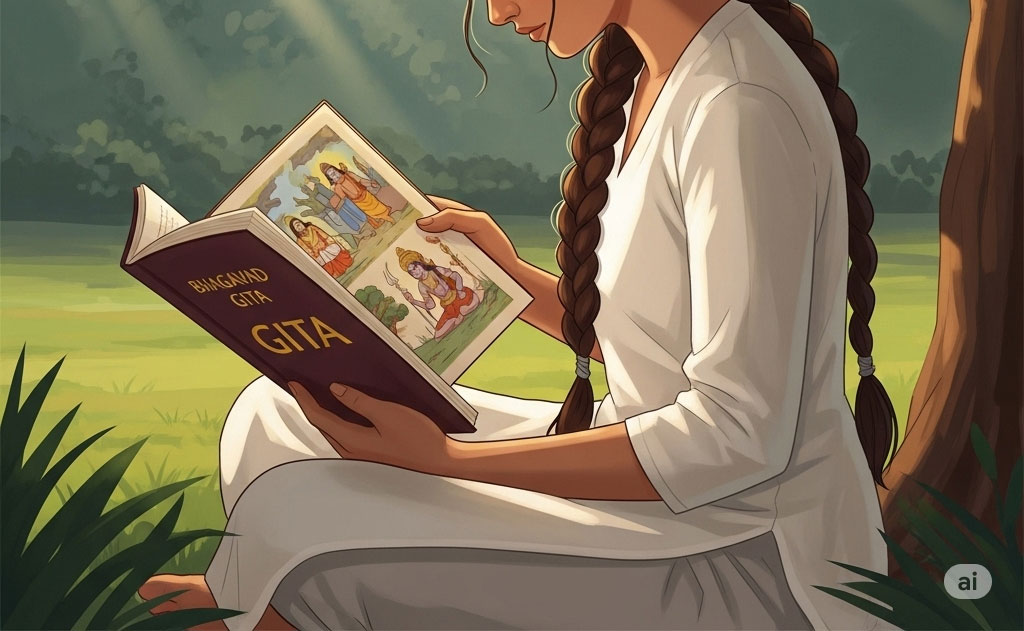
Long ago, in a serene village nestled by the banks of the Yamuna River, lived a young girl named Radha—not the divine consort of Lord Krishna, but a humble devotee named after her. Radha was known for her unwavering faith and devotion to Lord Krishna. She lived with her younger brother, Arjun, a kind-hearted but frail boy who often fell ill. Their bond was deep, but Radha worried constantly about Arjun’s health and safety.
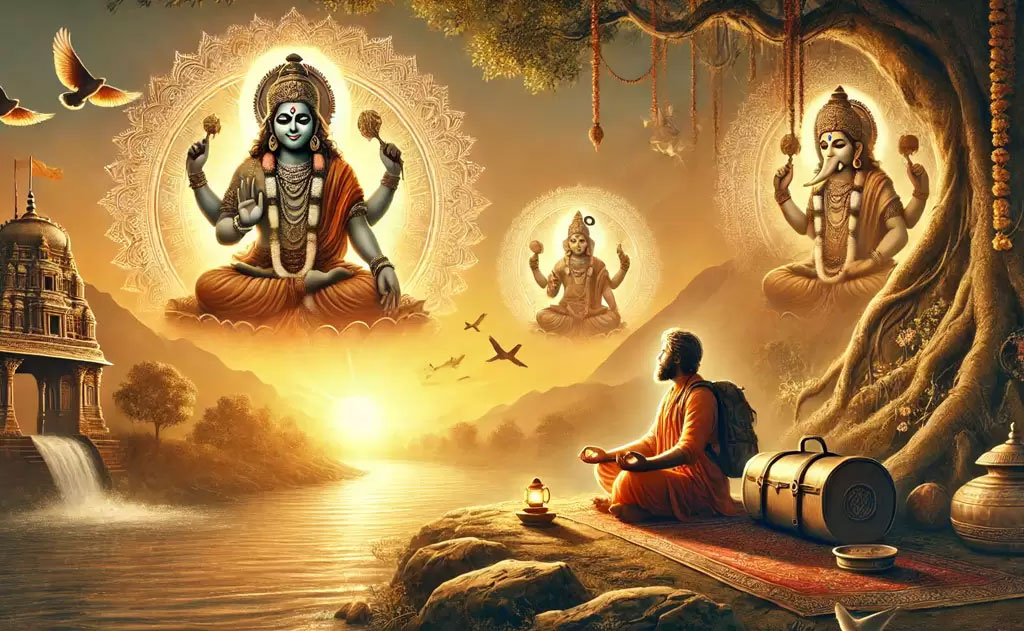
As Sravana Purnima approached, the village buzzed with preparations for Raksha Bandhan. Radha, however, felt a pang of helplessness. “How can I protect my brother when I am just a simple girl?” she thought. That night, under the glowing full moon, Radha sat by the river, praying fervently to Lord Krishna. With tears in her eyes, she sang bhajans, seeking divine guidance to safeguard her beloved brother.
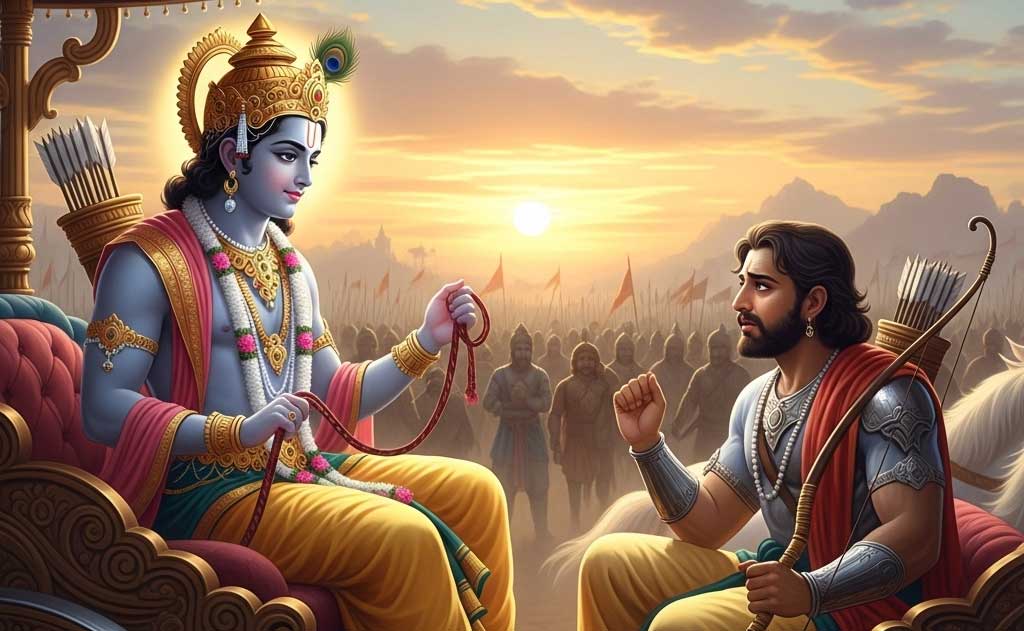
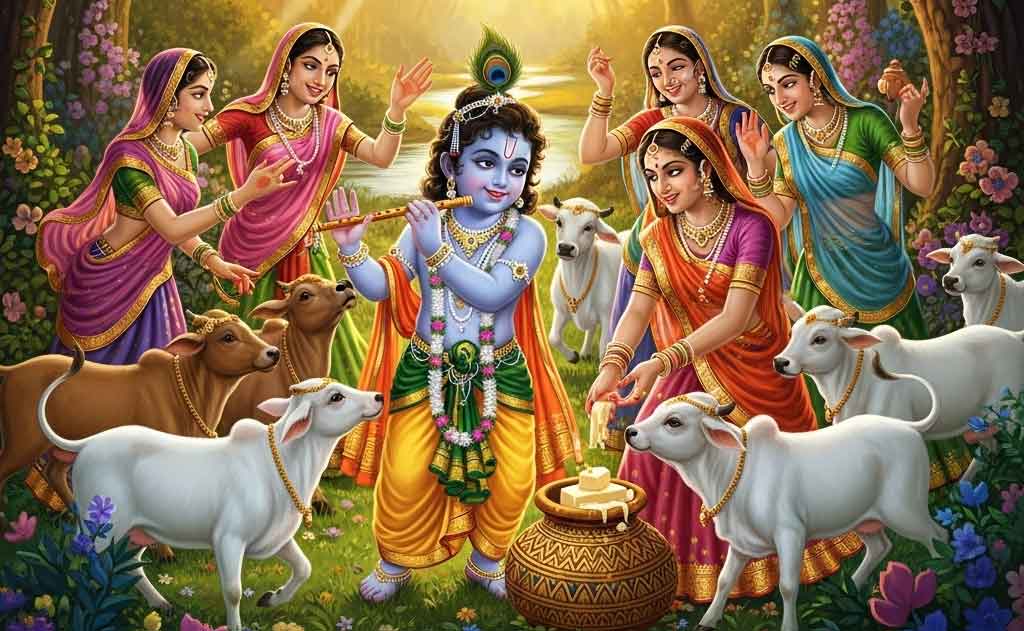
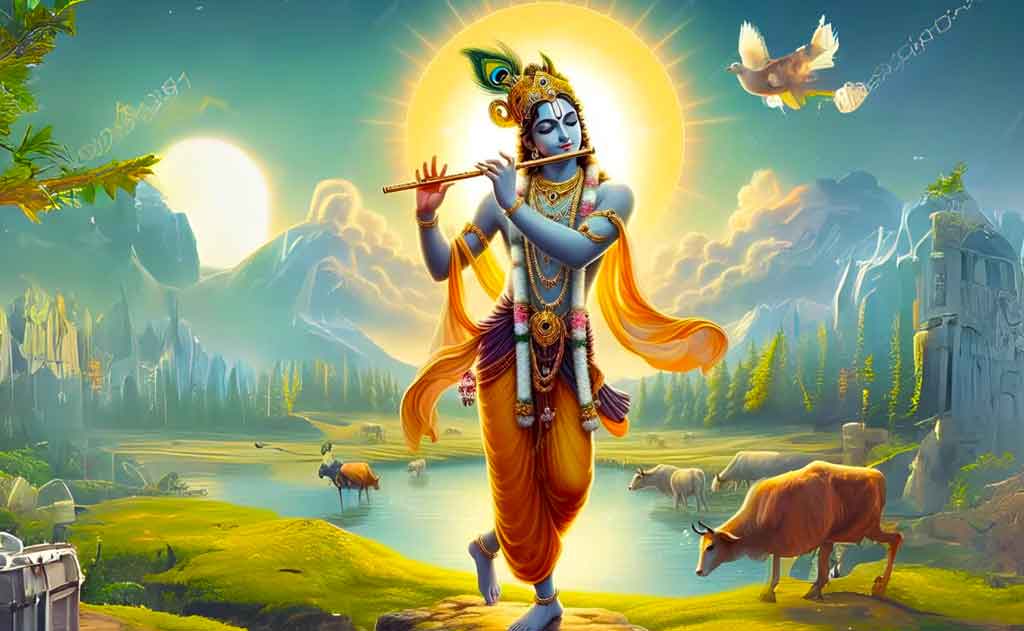
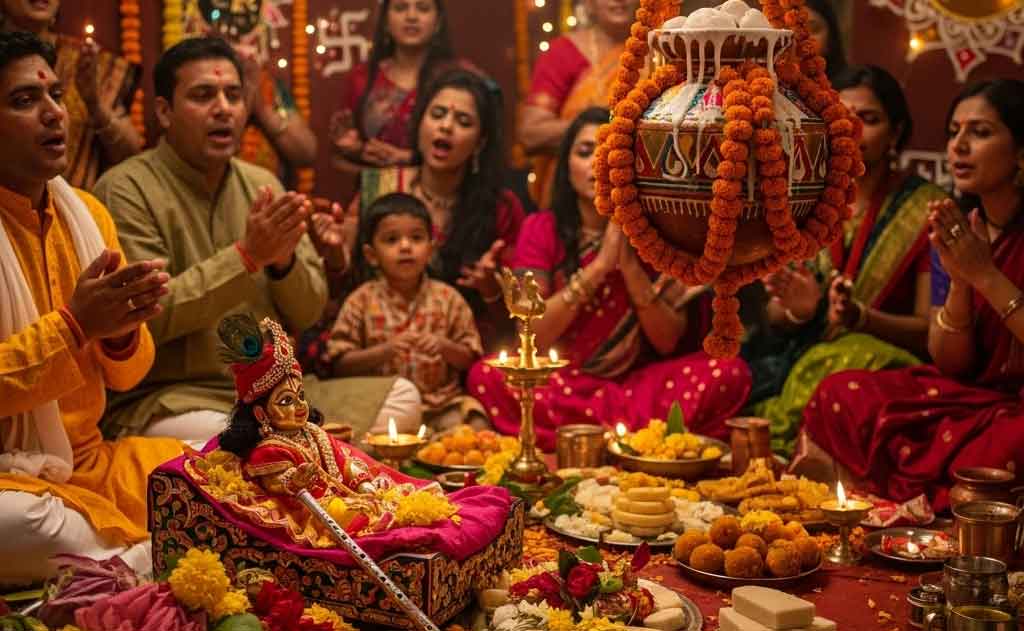
As the moonlight danced on the river, a gentle breeze carried a divine presence. Lord Krishna, moved by Radha’s devotion, appeared before her in a radiant form, his flute glimmering under the moon’s glow. “Dear Radha,” he said, “your love for Arjun is pure, and your prayers have reached me. On this sacred day of Sravana Purnima, tie a sacred thread on Arjun’s wrist, infused with your love and my blessings. This Rakhi will be a shield of divine protection, warding off all harm.”
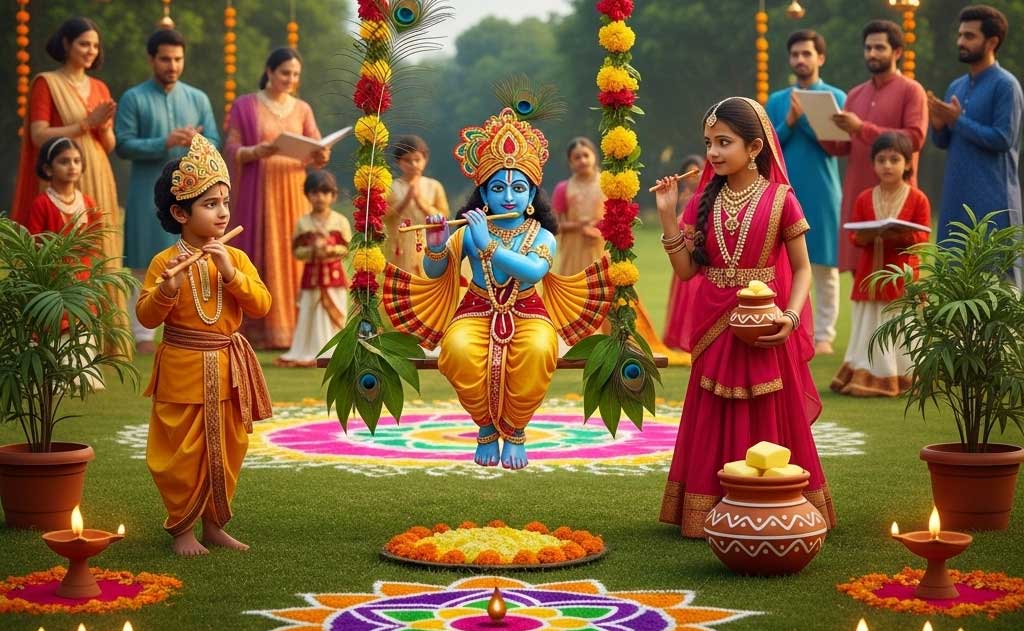
Overwhelmed with gratitude, Radha crafted a simple thread adorned with a small peacock feather, a symbol of Krishna’s divine presence. The next morning, during the auspicious muhurta of Sravana Purnima, Radha tied the Rakhi on Arjun’s wrist, chanting mantras and praying for his health and prosperity. As she tied the thread, a golden light seemed to envelop Arjun, and he felt a surge of strength and peace.
From that day forward, Arjun’s health improved miraculously. The villagers, witnessing this divine intervention, began to see the Rakhi as more than a sibling ritual—it became a sacred thread that connected the human soul to divine protection. They believed that tying the Rakhi on Sravana Purnima invoked the blessings of Lord Krishna, Goddess Lakshmi, and other deities, ensuring safety, prosperity, and spiritual growth.
The Cosmic Connection: Rakhi and Deity Blessings
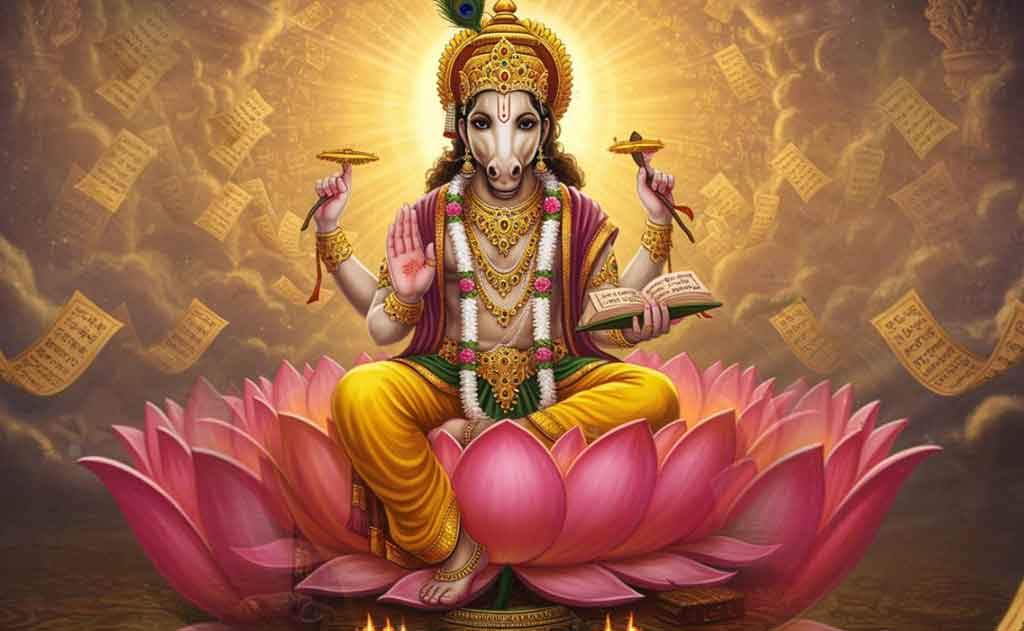
The act of tying the Rakhi is deeply symbolic, aligning with the divine energies of Sravana Purnima. According to Hindu scriptures, this day is associated with Lord Vishnu’s Narayana form, who protects the universe from chaos. The Rakhi, when tied with devotion, is believed to carry Vishnu’s protective energy, shielding the wearer from physical and spiritual harm.
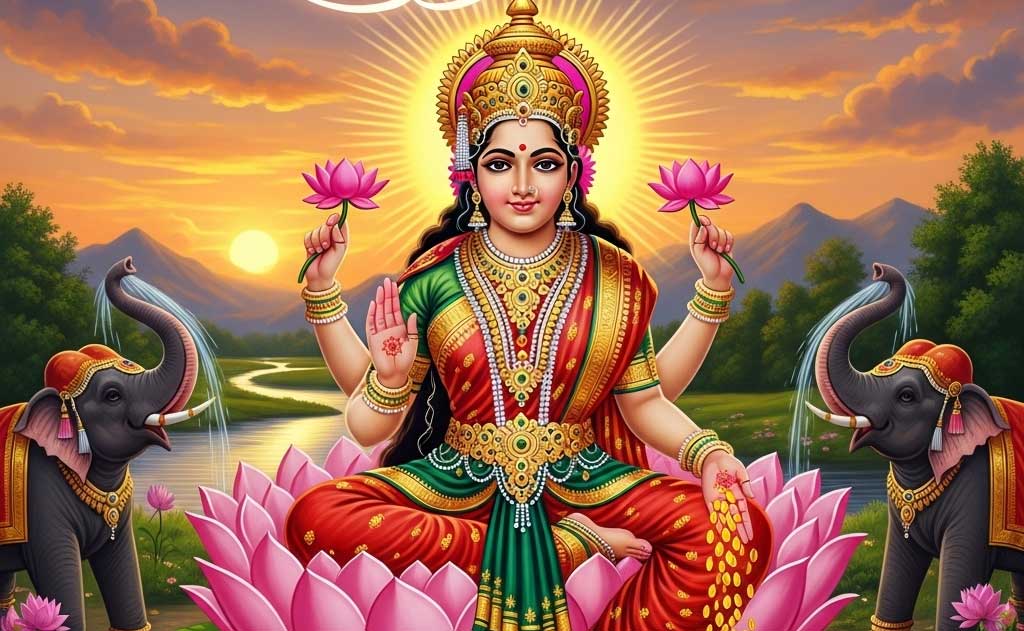
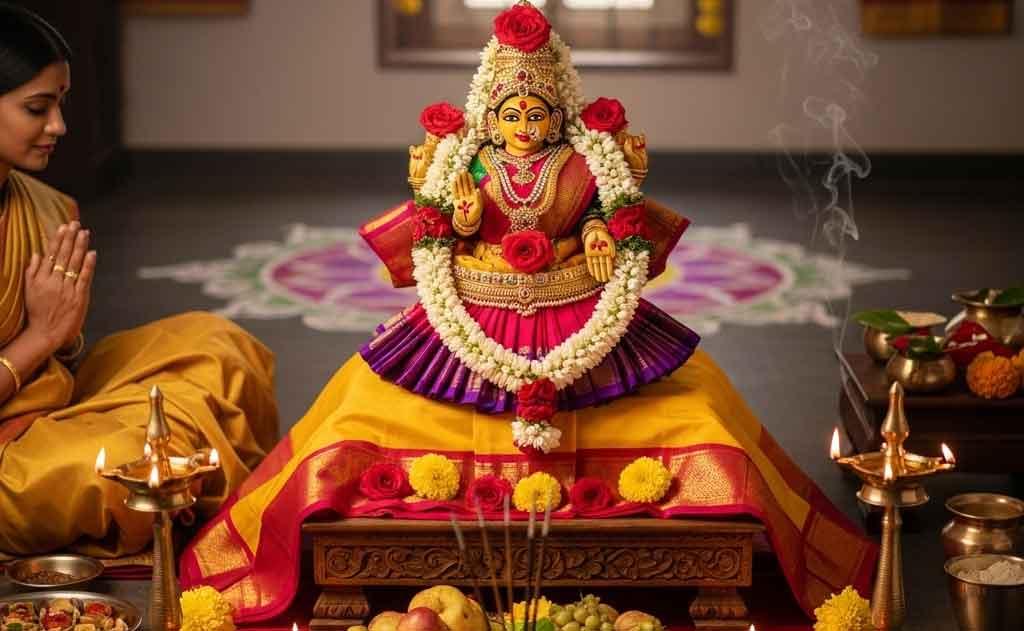
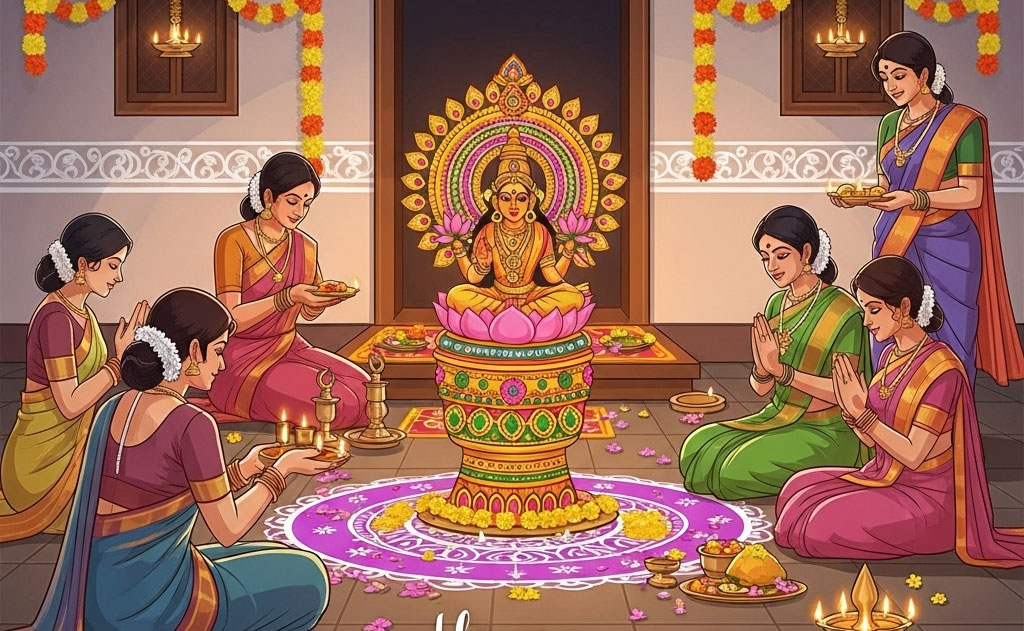
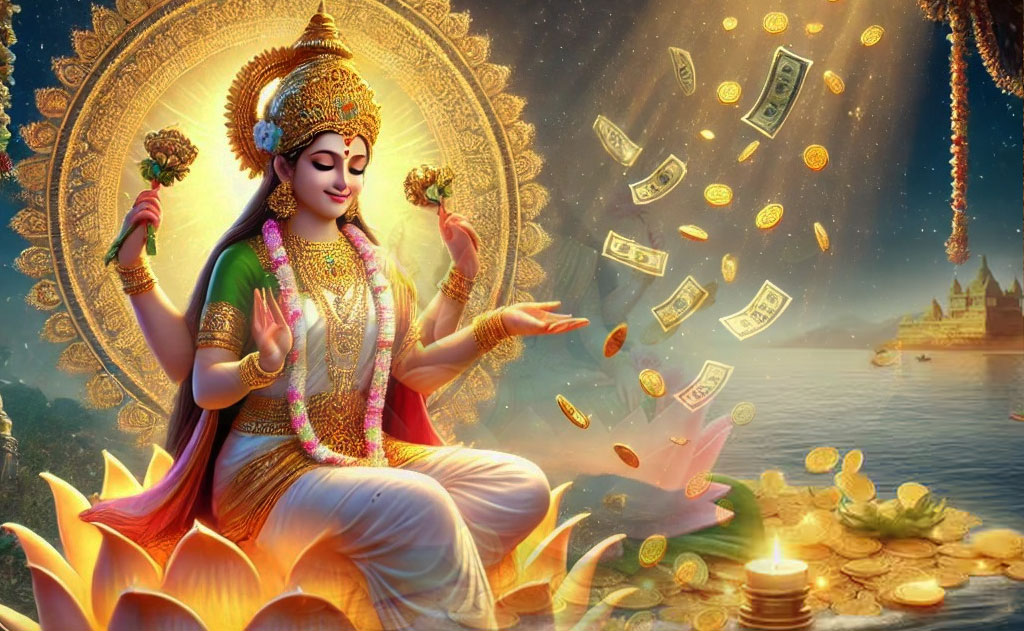
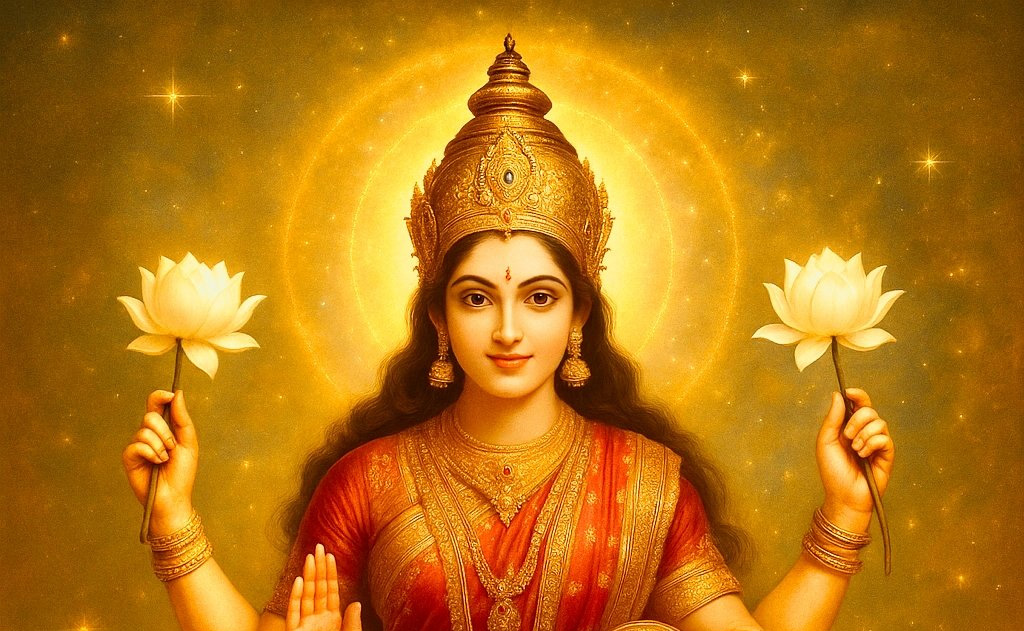
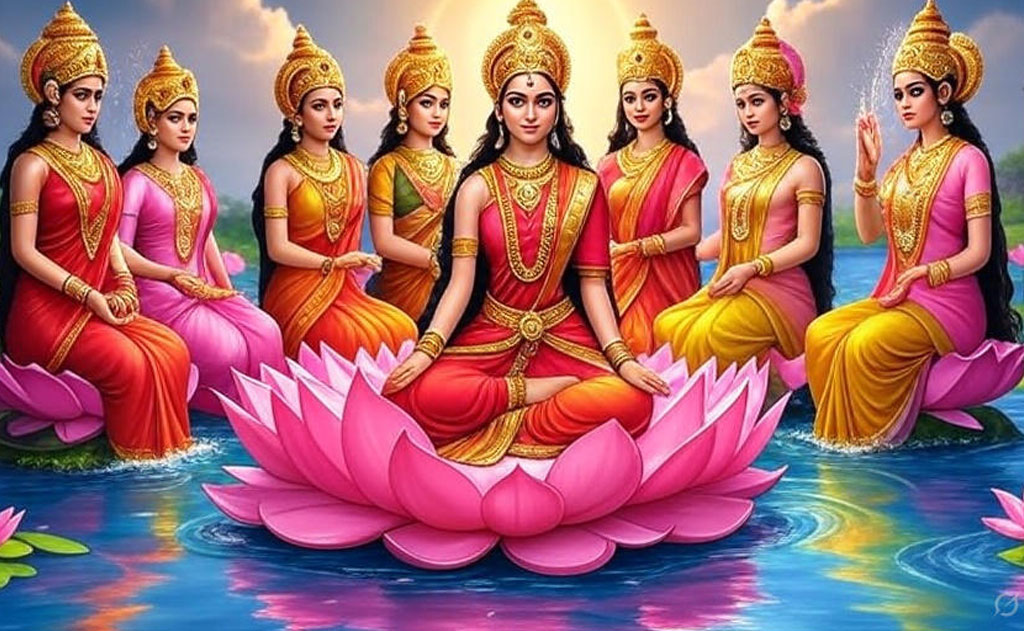
Goddess Lakshmi, the deity of wealth and prosperity, is also revered on Sravana Purnima. The sacred thread is seen as a conduit for her blessings, ensuring abundance and harmony in relationships. In some traditions, the Rakhi is tied while chanting mantras dedicated to Lakshmi-Narayana, invoking their joint grace for a fulfilling life.
Lord Krishna, the embodiment of love and compassion, plays a central role in Raksha Bandhan’s spiritual narrative. The story of Krishna and Draupadi from the Mahabharata illustrates this divine bond. When Draupadi tore a piece of her sari to bandage Krishna’s bleeding finger, Krishna promised to protect her forever. During her moment of crisis in the Kaurava court, Krishna fulfilled his vow by extending her sari infinitely, symbolizing his divine protection. This story underscores the spiritual essence of Rakhi—a bond that transcends blood ties and reflects divine guardianship.
Rituals of Raksha Bandhan: A Pathway to Divine Grace
The rituals of Raksha Bandhan are steeped in spiritual significance, aligning the devotee with cosmic and divine energies. Here’s how the act of tying the Rakhi fosters a connection with the divine:
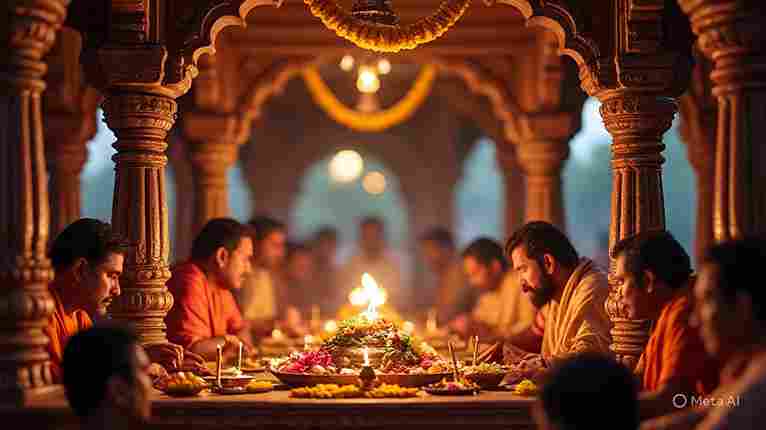
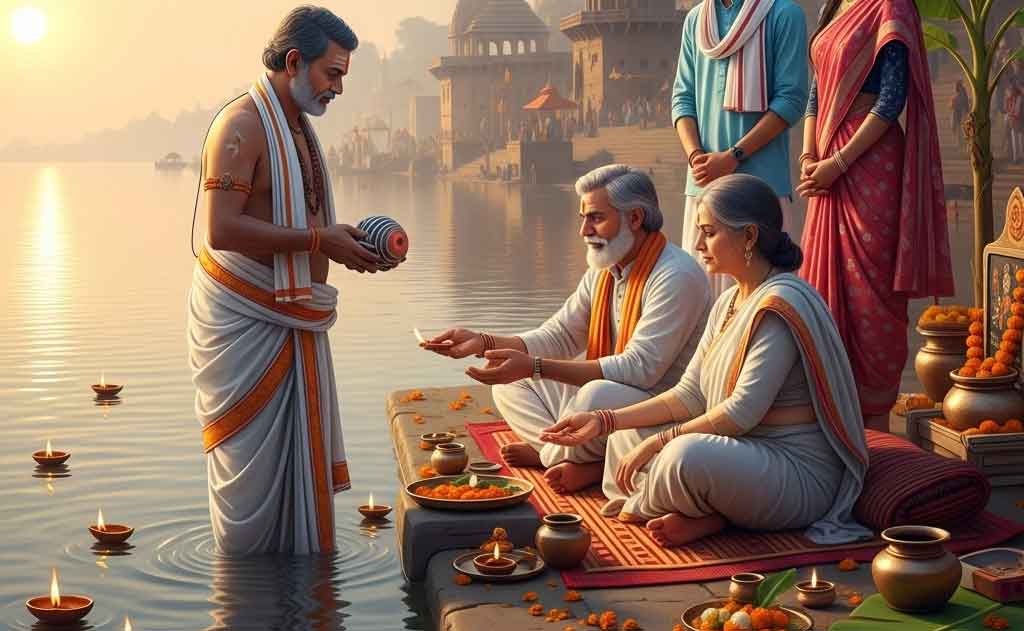
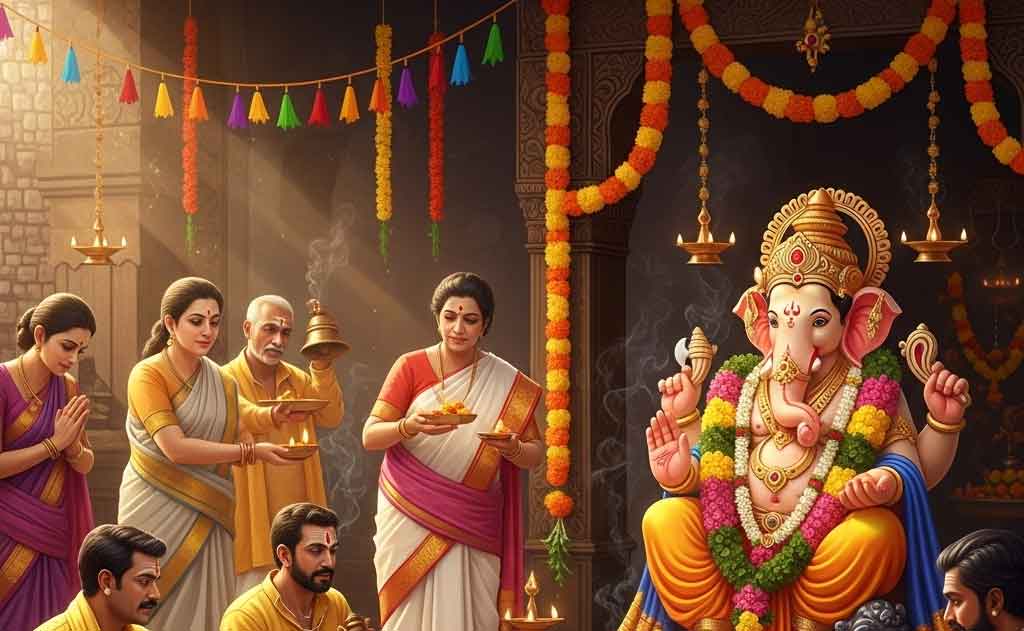
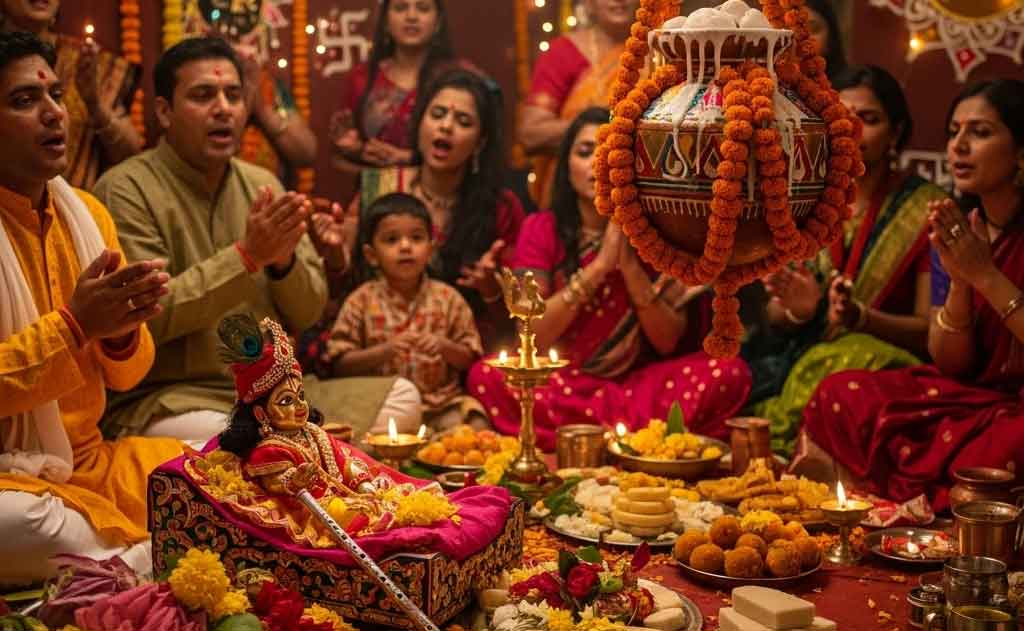
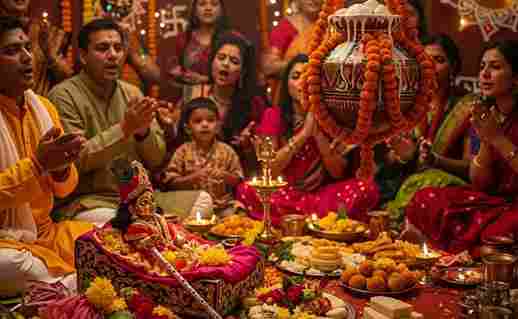
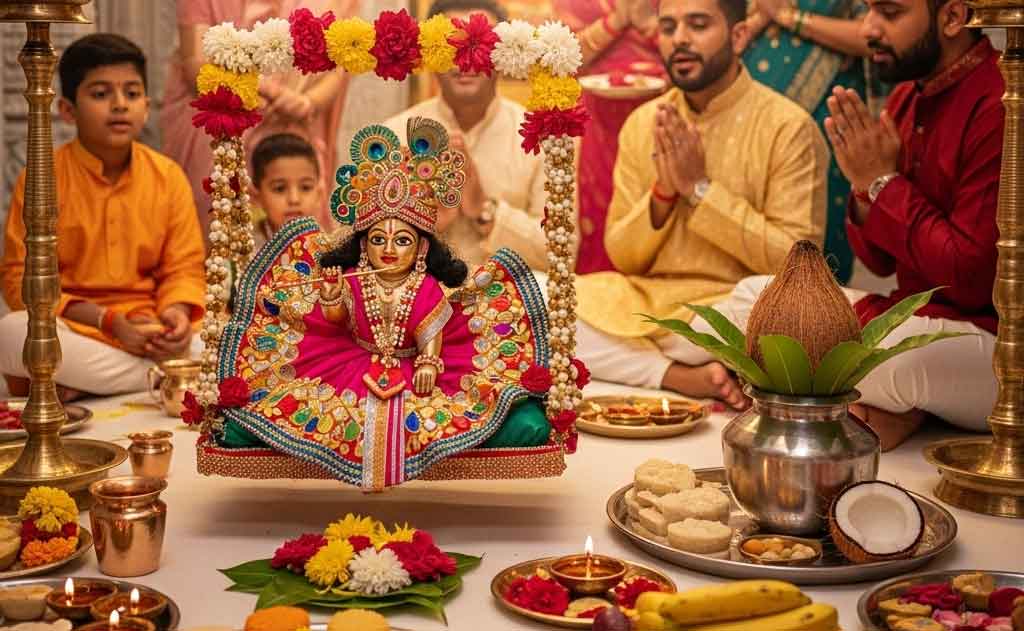
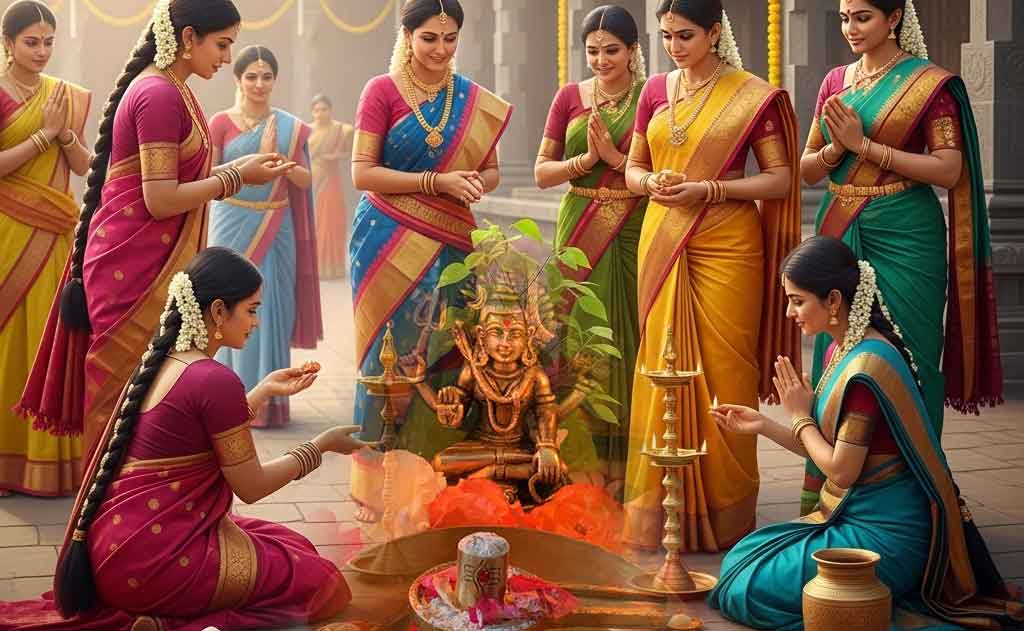
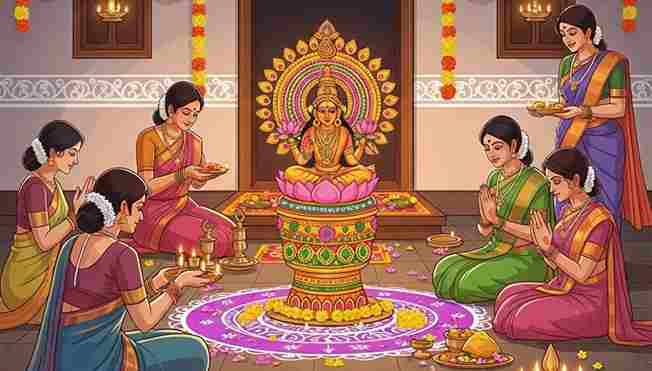
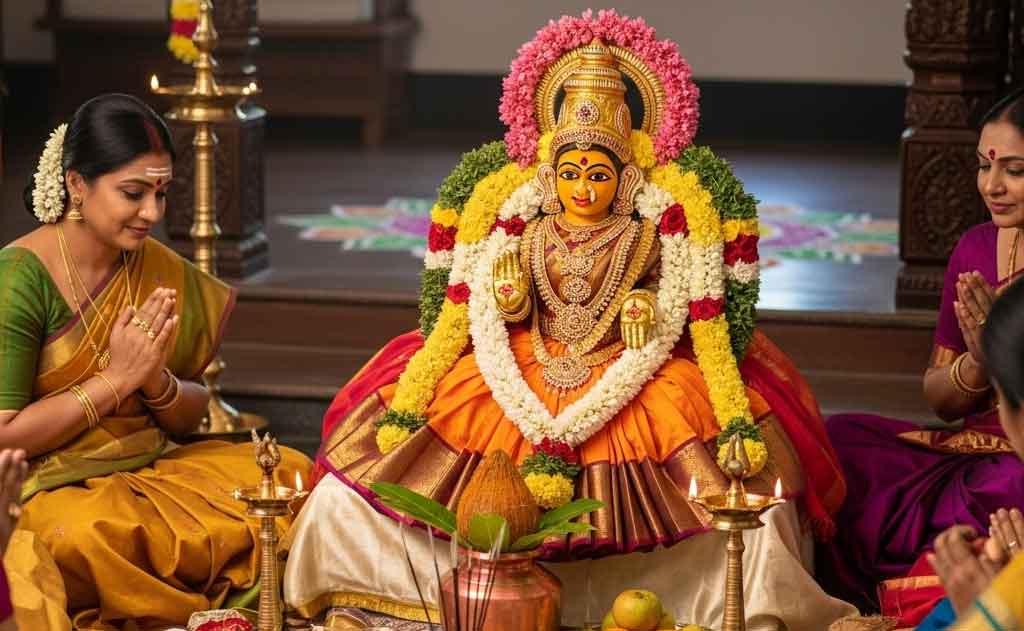
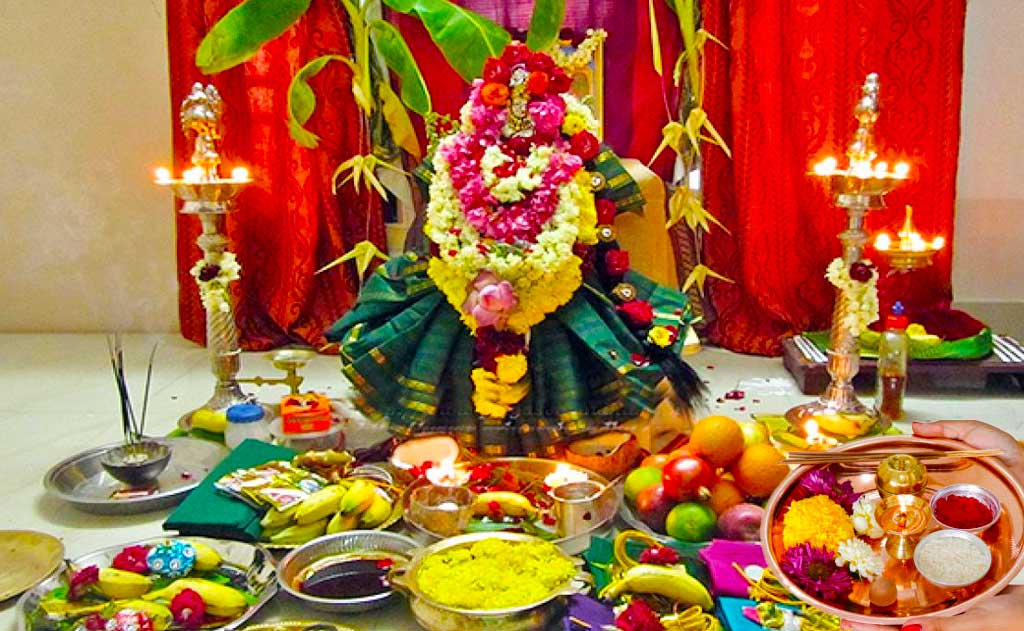
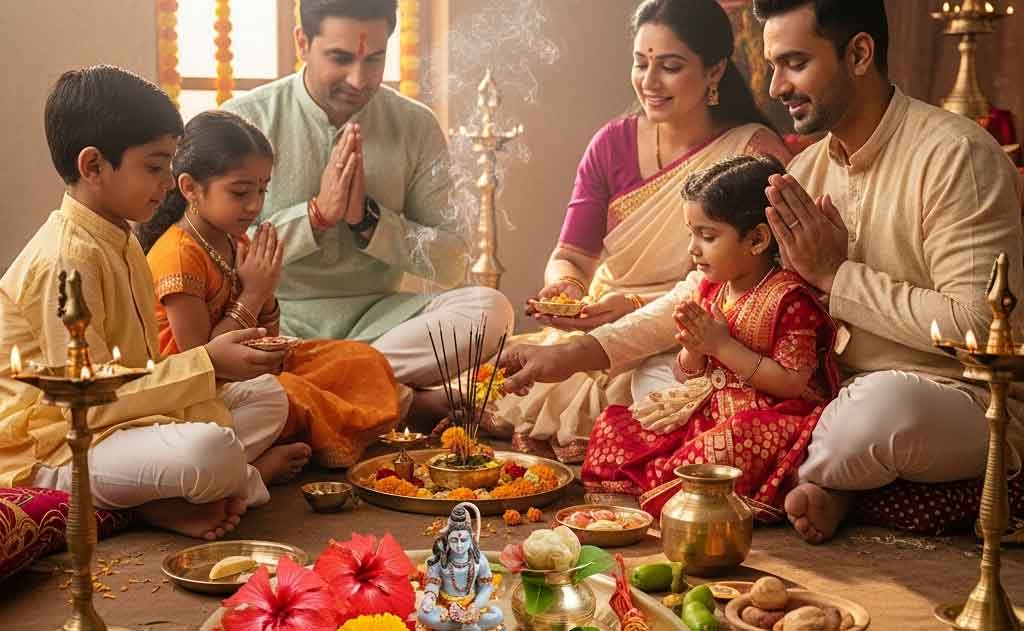
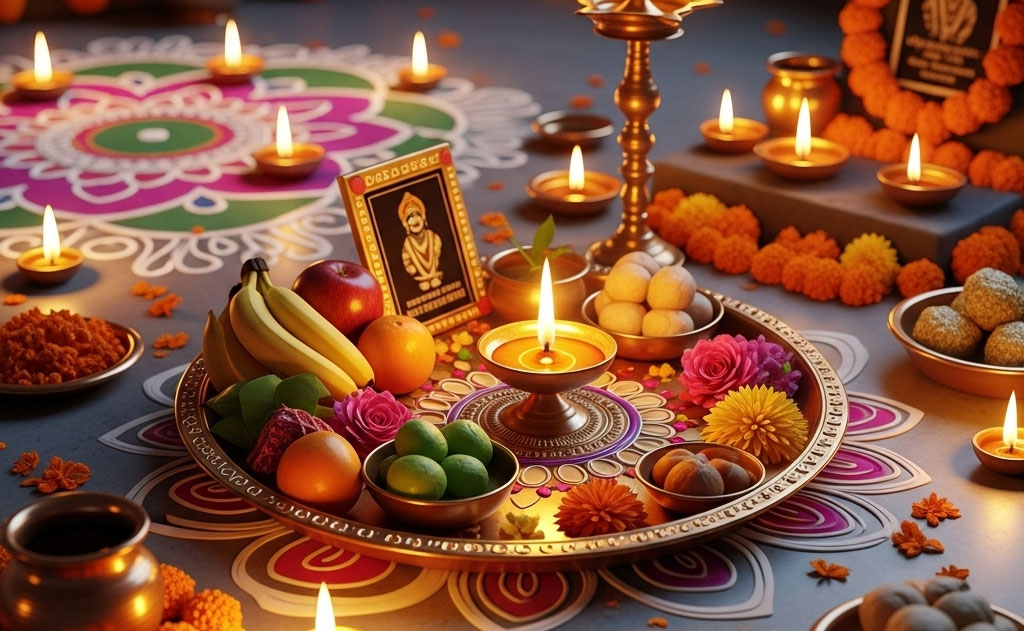
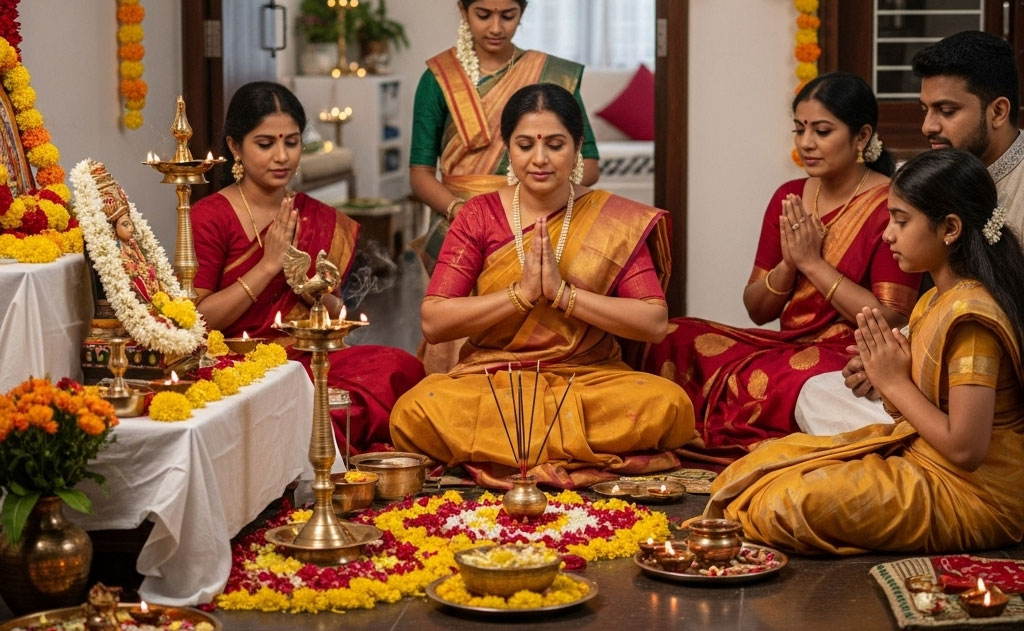
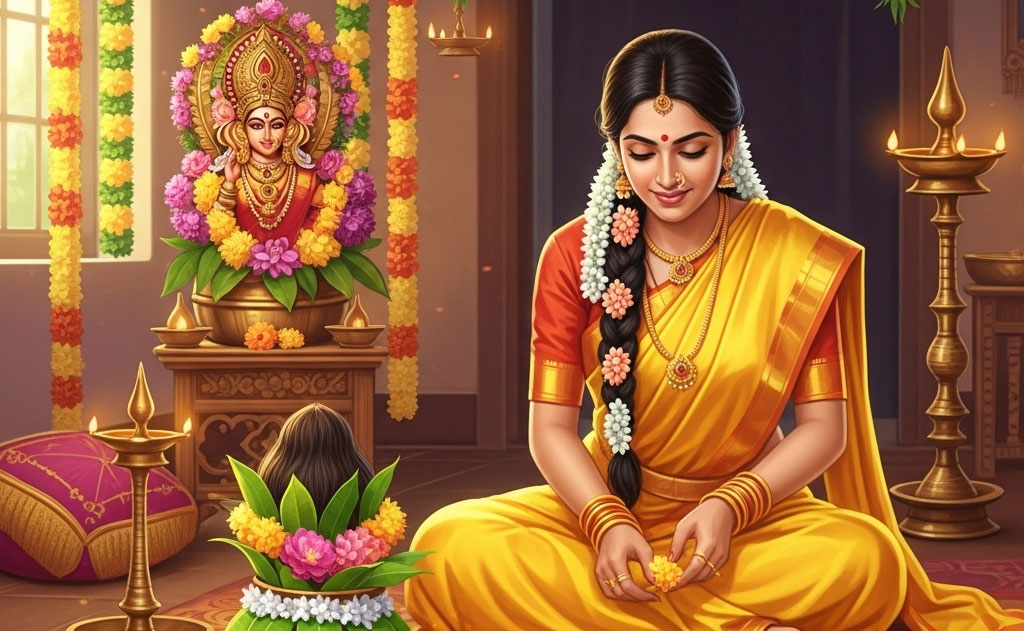
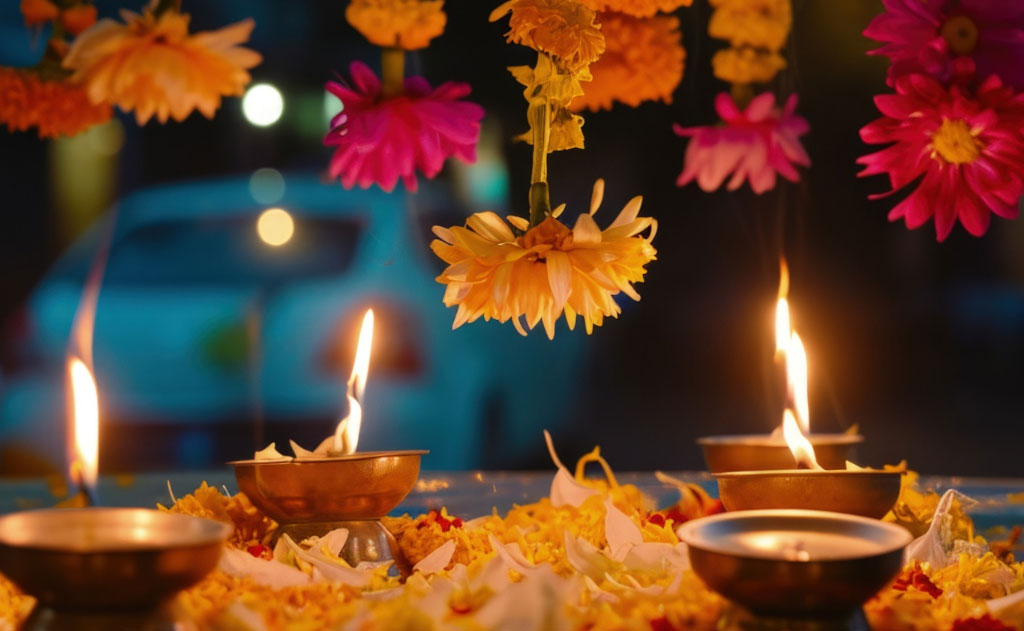
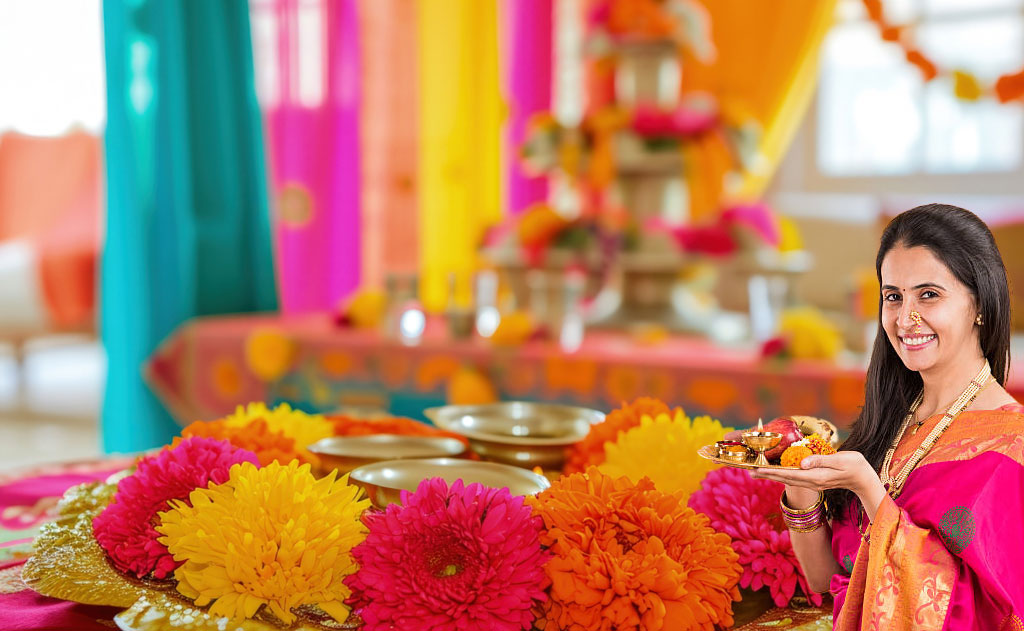
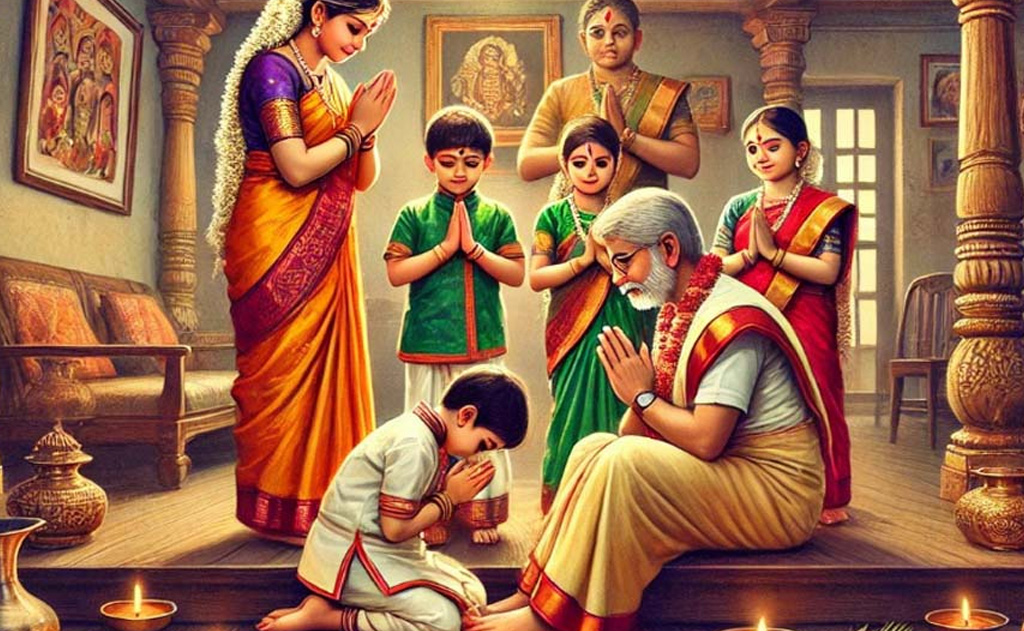
- Purification and Intention: Before tying the Rakhi, sisters perform a small puja, lighting a diya and offering sweets to deities. This act purifies the mind and sets a sacred intention, inviting divine blessings into the ritual.
- Tying the Sacred Thread: The Rakhi is tied with mantras, such as the Raksha Mantra: “Yena baddho balee raajaa daanavendro mahaabalah, tena twaam anubadhnaami rakshe maa chala maa chala.” This mantra, meaning “I bind you with the thread that bound King Bali, the powerful demon king; may this Rakhi protect you and remain steadfast,” invokes divine protection.
- Exchange of Blessings: The sister prays for her brother’s well-being, while the brother vows to protect her. This mutual exchange mirrors the divine covenant between deities and devotees, fostering love and trust.
- Sravana Purnima’s Cosmic Energy: The full moon’s energy amplifies the spiritual vibrations of the ritual. Devotees believe that prayers offered on this day reach the heavens, ensuring divine intervention in their lives.
Beyond Sibling Ties: The Universal Bond of Rakhi
While Raksha Bandhan is traditionally a sibling festival, its spiritual essence extends to all relationships. In ancient times, Rishis tied Rakhi-like threads to disciples, blessing them with wisdom and protection. Kings tied Rakhis to their allies, symbolizing unity and mutual support. Today, people tie Rakhis to friends, mentors, and even soldiers, reflecting the universal principle of love and protection.
The spiritual significance of Rakhi lies in its ability to transcend earthly boundaries and connect us to the divine. It reminds us that every bond—whether between siblings, friends, or communities—is sacred when rooted in love, trust, and devotion. On Sravana Purnima, the Rakhi becomes a bridge between the human and the divine, channeling blessings for a harmonious and protected life.
Conclusion: Embrace the Divine Bond This Raksha Bandhan
Raksha Bandhan, celebrated on Sravana Purnima, is a festival of love, protection, and spiritual awakening. Beyond the joy of sibling bonds, it is a divine ritual that aligns us with the cosmic energies of the full moon and the blessings of deities like Lord Vishnu, Goddess Lakshmi, and Lord Krishna. By tying the Rakhi with devotion, we invite divine grace into our lives, ensuring protection, prosperity, and unity.
This Raksha Bandhan, let us honor the sacred thread’s spiritual essence. Whether you tie a Rakhi to a sibling, friend, or loved one, do so with a heart full of devotion, knowing that the divine is watching over you. For more insights into Hindu festivals and spiritual practices, visit NRI Globe and deepen your connection to our rich cultural heritage.