Washington, D.C., July 23, 2025 — Director of National Intelligence Tulsi Gabbard has announced plans to release additional declassified documents today, aimed at challenging former President Barack Obama’s narrative regarding alleged Russian interference in the 2016 U.S. presidential election. Gabbard claims these documents will refute the long-standing allegations of Trump-Russia collusion, which she and President Donald Trump have labeled a politically motivated “hoax” orchestrated by Obama-era officials. The move has reignited a fierce debate over the events of the 2016 election, with Obama’s office dismissing the claims as “ridiculous” and Democrats accusing Gabbard of attempting to rewrite history.
Background: The 2016 Election and Russia Allegations
The controversy stems from the 2016 U.S. presidential election, where Donald Trump defeated Democratic nominee Hillary Clinton. Following Trump’s victory, the U.S. intelligence community, in a January 2017 Intelligence Community Assessment (ICA), concluded that Russia, under President Vladimir Putin, had engaged in a multifaceted campaign to influence the election in Trump’s favor. This included hacking Democratic National Committee (DNC) emails, disseminating them through intermediaries like WikiLeaks, and conducting a social media disinformation campaign to undermine Clinton’s candidacy. The assessment led to the FBI’s Crossfire Hurricane investigation and the subsequent Mueller probe, which investigated potential ties between the Trump campaign and Russian operatives.
Special Counsel Robert Mueller’s 2019 report confirmed Russia’s interference but found no evidence that the Trump campaign knowingly conspired with Russian actors. Despite this, the allegations fueled years of political controversy, including two congressional impeachments and heightened U.S.-Russia tensions. Trump has consistently rejected the intelligence community’s findings, calling them a “witch hunt” designed to delegitimize his presidency.
Gabbard’s Claims and Declassified Documents
On July 18, 2025, Gabbard released over 100 pages of declassified documents, including emails, memos, and internal communications from the Obama administration, which she claims provide “overwhelming evidence” of a “treasonous conspiracy” by senior officials to undermine Trump’s 2016 victory. Gabbard alleges that Obama and his national security team, including former Director of National Intelligence James Clapper, former CIA Director John Brennan, former FBI Director James Comey, and former National Security Adviser Susan Rice, manipulated intelligence to create a false narrative of Russian interference. She has called for their investigation and prosecution, asserting that their actions constituted an attempt to “subvert the will of the American people” and enact a “years-long coup” against Trump.
The documents, partially redacted, include pre-election intelligence assessments stating that Russia was “probably not” attempting to influence the election through cyber means and a December 2016 President’s Daily Brief draft noting that foreign adversaries did not alter election results through cyberattacks. Gabbard argues that these findings were suppressed or contradicted by a post-election ICA, released on January 6, 2017, which claimed Russia sought to help Trump win. She points to the Steele dossier—a collection of unverified allegations about Trump’s ties to Russia—as a key piece of “manufactured intelligence” used to justify the narrative.
Gabbard’s office has referred these documents to the Department of Justice (DOJ) for a criminal investigation, a move confirmed by the DOJ on July 21, 2025, though no further comments have been provided. Gabbard’s latest announcement promises additional documents to further challenge the 2017 ICA and Obama’s role in shaping the Russia narrative.
Obama’s Response and Democratic Criticism
Former President Obama’s spokesperson, Patrick Rodenbush, issued a statement on July 22, 2025, calling Gabbard’s allegations “ridiculous” and a “weak attempt at distraction.” Democrats, including Representative Jim Himes (D-Conn.), the ranking member of the House Intelligence Committee, and Senator Mark Warner (D-Va.), vice chair of the Senate Intelligence Committee, have denounced Gabbard’s claims as politically motivated and baseless. Himes called the accusations of treason “utter nonsense,” pointing to a 2020 bipartisan Senate Intelligence Committee report that upheld the 2017 ICA’s findings of Russian interference. Warner warned that Gabbard’s actions risk eroding trust in the intelligence community and could harm alliances like the Five Eyes intelligence-sharing network.
Critics argue that Gabbard’s documents misrepresent the 2017 ICA by conflating Russia’s influence operations—such as hacking and disinformation—with the absence of evidence that Russia directly altered vote tallies. The Senate report, led by then-Senator Marco Rubio (R-Fla.), found “irrefutable evidence” of Russian meddling, including a “grave” counterintelligence threat posed by Trump campaign contacts with Russian officials, though it did not establish knowing collusion.
Trump’s Support and Political Context
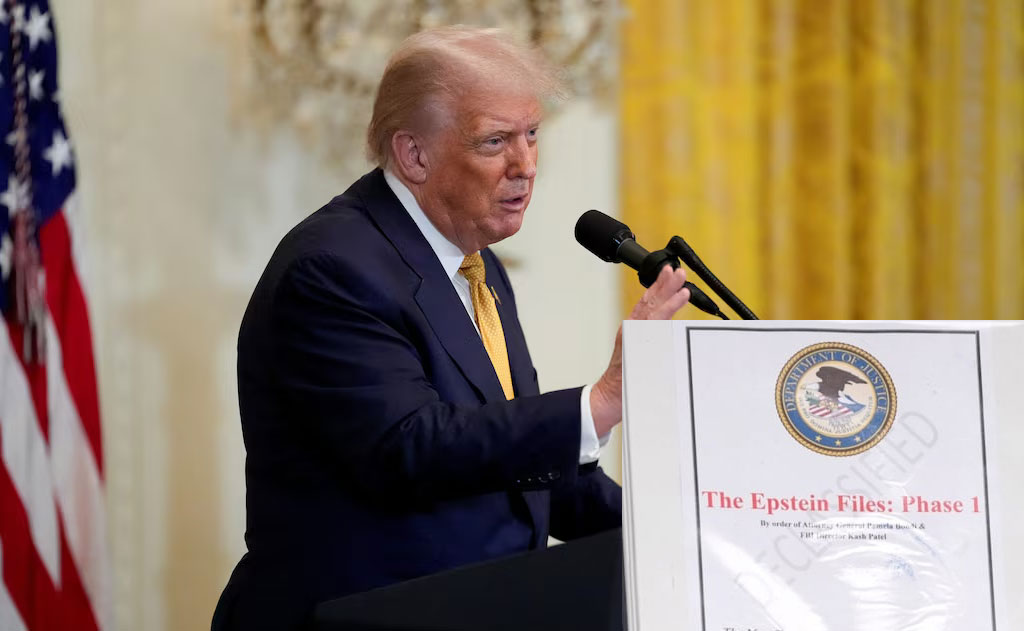
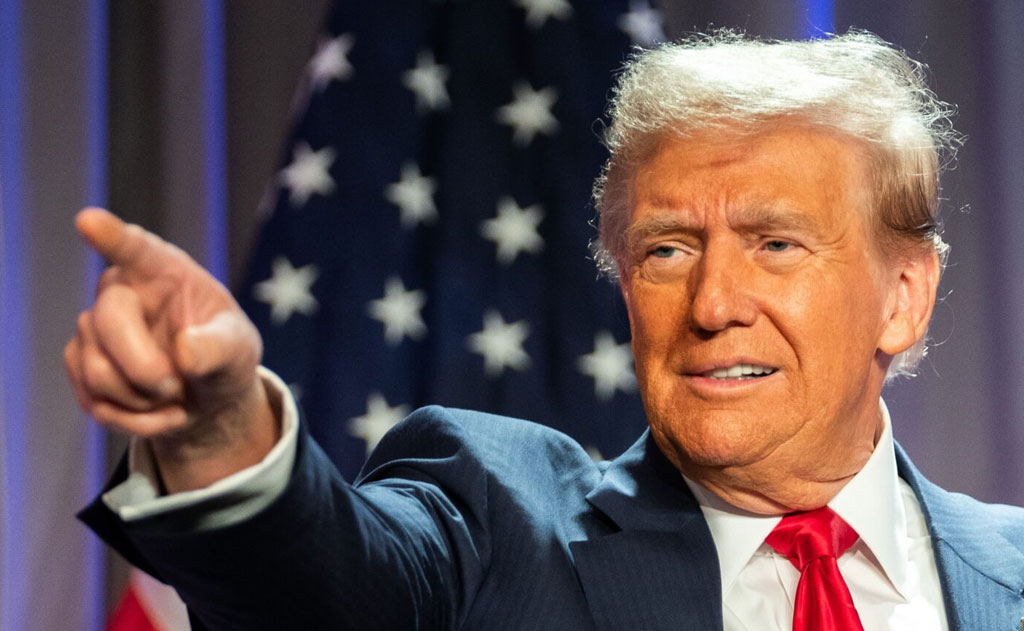
President Trump has enthusiastically endorsed Gabbard’s efforts, reposting her statements on Truth Social and sharing an AI-generated video depicting Obama’s arrest. On July 21, 2025, Trump claimed the documents expose the “Russia, Russia, Russia HOAX” as “THE CRIME OF THE CENTURY,” orchestrated by Obama, Clinton, and others. The release coincides with heightened scrutiny of Trump’s administration over its handling of Jeffrey Epstein-related files, leading some commentators to speculate that Gabbard’s actions are an attempt to divert attention from those controversies.
Gabbard, a former Democratic congresswoman who joined the Republican Party and was appointed DNI in February 2025, has faced criticism for her lack of intelligence experience and past comments perceived as sympathetic to Russia. Her nomination was contentious, passing the Senate 52-48, and her recent actions have drawn accusations of politicizing the intelligence community she vowed to depoliticize.
Broader Implications
The release of these documents and Gabbard’s call for prosecutions have reignited debates over the 2016 election and the integrity of U.S. intelligence processes. Supporters, including Republican figures like House Speaker Mike Johnson, praise Gabbard for “dismantling the deep state,” while critics warn that her actions undermine trust in institutions and could weaken national security.
The DOJ’s response to Gabbard’s referral remains unclear, and none of the named Obama-era officials have publicly commented on the allegations. As Gabbard prepares to release additional documents today, the controversy is likely to deepen, further polarizing an already divided political landscape.
For updates on this developing story, visit www.nriglobe.com.