Suwayda, Syria – Deadly sectarian clashes between Druze militias and Bedouin tribes in Suwayda, Syria, have claimed at least 200 lives, escalating tensions in the region and prompting Israeli airstrikes on Syrian government forces. The violence, which began on July 13, 2025, after the kidnapping of a Druze merchant on the Damascus-Suwayda highway, has drawn international concern as Syria struggles to maintain stability under its new leadership. This article explores the ongoing conflict, Israel’s intervention, and the fragile ceasefire attempts in Suwayda.
Origins of the Suwayda Clashes
The unrest in Suwayda province, a stronghold of Syria’s Druze minority, erupted following the robbery and assault of a Druze vegetable merchant by Bedouin tribesmen at an illegal checkpoint. The incident triggered retaliatory kidnappings and armed confrontations, with Druze militias seizing the al-Maqwas neighborhood in Suwayda city, a Bedouin-inhabited area. The clashes quickly spread to surrounding villages, including Sumay, Mazraah, and Tayrah, with reports of shelling, drone attacks, and homes set ablaze. According to the Syrian Observatory for Human Rights (SOHR), at least 99 people have been killed, including 60 Druze, 18 Bedouin fighters, and 14 security personnel, with over 200 injured.
The Druze, a religious minority with approximately 700,000 members in Syria, have long maintained their own militias, particularly during Syria’s 14-year civil war. The Bedouin, primarily Sunni Muslims, have a history of tension with the Druze in Suwayda, with periodic violence flaring up. The overthrow of President Bashar al-Assad in December 2024 has heightened fears among Syria’s minorities, including the Druze, about their safety under the new Islamist-led government of interim President Ahmed al-Sharaa.
Syrian Government Response and Ceasefire Efforts
Syrian authorities, led by Defense Minister Murhaf Abu Qasra, deployed troops to Suwayda on July 14 to restore order, marking the first significant government intervention in the province since Assad’s fall. On July 15, Abu Qasra announced a ceasefire, stating that an agreement had been reached with local dignitaries to halt the violence. The Syrian Ministry of Interior imposed a curfew and urged residents to stay indoors, while military police were deployed to regulate conduct and hold violators accountable.
However, the ceasefire has been shaky, with reports of continued clashes in rural areas. Druze spiritual leader Sheikh Hikmat al-Hijri accused Syrian forces of violating the truce by shelling civilians, calling for resistance against what he described as a “barbaric campaign.” The SOHR reported allegations of government forces and their allies committing “field executions” of 19 Druze civilians, including 12 at a guest house, further fueling distrust.
Israel’s Airstrikes and Pledge to Protect the Druze
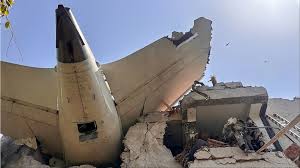
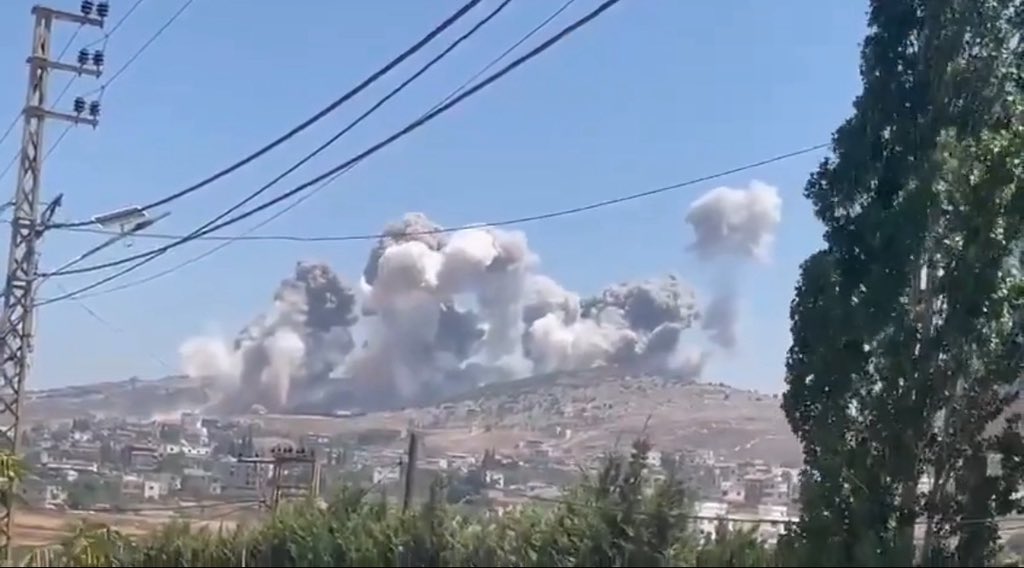
Israel, citing its commitment to protecting the Druze community due to shared ties with its own Druze population in the Golan Heights and northern Israel, launched airstrikes on Syrian military targets in Suwayda and Deraa on July 14 and 15. Israeli Prime Minister Benjamin Netanyahu stated that the strikes targeted Syrian forces and weapons intended for use against the Druze, emphasizing Israel’s policy of maintaining a demilitarized zone in southern Syria. Defense Minister Israel Katz described the strikes as a “clear warning” to Damascus, with the Israeli military hitting tanks, armored vehicles, and other targets.
Syria’s foreign ministry condemned the Israeli strikes as a violation of international law, holding Israel responsible for civilian and military casualties. The Syrian government reaffirmed its commitment to protecting all citizens, including the Druze, but faced accusations of collaborating with Bedouin fighters against Druze militias.
International Reactions and Ongoing Tensions
The United States, through envoy Tom Barrack, has engaged with all parties to promote calm and integration, amid efforts to steer Syria toward stability and potential inclusion in the Abraham Accords. However, Israel’s actions have complicated diplomatic efforts, with the U.S. negotiating to halt further airstrikes. The United Nations and regional powers, including Qatar and Jordan, have also called for de-escalation and civilian protection.
Druhe protests in northern Israel and the Golan Heights have expressed solidarity with Syria’s Druze, demanding international intervention to safeguard the community. Meanwhile, social media posts on X highlight the escalating rhetoric, with some Druze activists accusing the Syrian government and allied Islamist groups of targeting their community, while others warn of Israel exploiting the conflict to expand its influence.
What’s Next for Suwayda?
The situation in Suwayda remains volatile, with the ceasefire struggling to hold amid mutual distrust between the Druze, Bedouin, and Syrian government forces. The involvement of Israel adds a layer of complexity, raising concerns about further escalation in southern Syria, near the Israeli-occupied Golan Heights. The Druze community’s fears of persecution under the new Syrian leadership, combined with longstanding sectarian tensions, suggest that restoring lasting peace will require significant diplomatic and local efforts.
For the latest updates on the Suwayda clashes and regional developments, stay tuned to NRIGlobe. Follow us on social media for real-time news and analysis on global conflicts and their impact on the Indian diaspora.