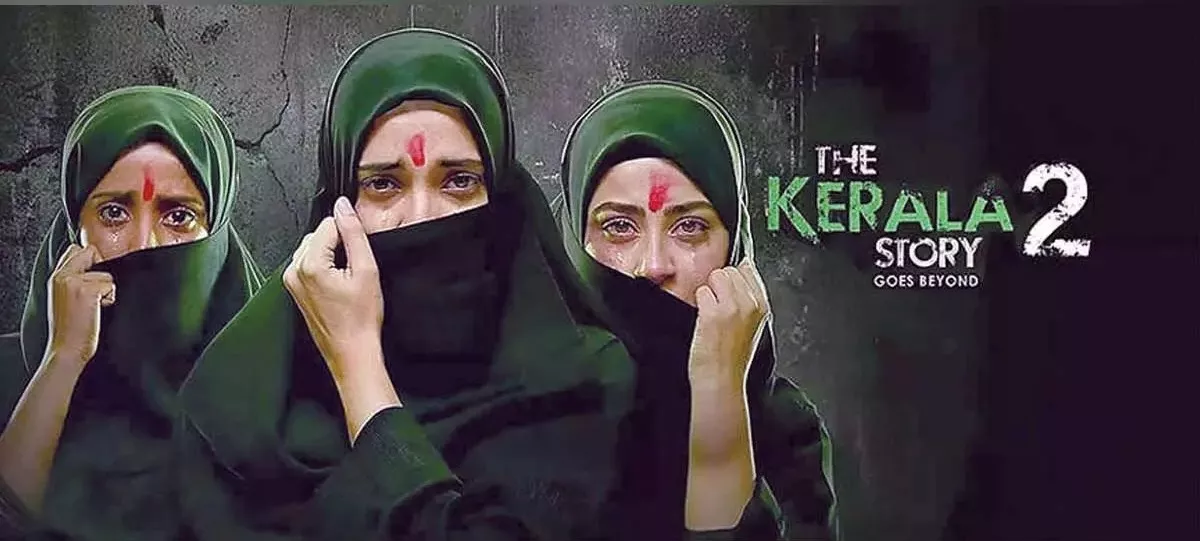
The Kerala Story 2 (full title: The Kerala Story 2: Goes Beyond) is a 2026 Hindi-language drama film, released theatrically on February 27, 2026 (with some delays due to legal challenges in Kerala High Court, which were later lifted). It serves as a spiritual sequel to the 2023 controversial film The Kerala Story, produced by Vipul Amrutlal Shah and directed by Kamakhya Narayan Singh (note: original director Sudipto Sen stepped away). The film runs about 131 minutes and carries a UA16+ certification.
Plot Overview (Spoiler-Free)
The movie expands on themes from the first part, focusing on alleged inter-faith relationships, forced conversions, radicalization, and broader societal concerns portrayed as threats to Hindu families and Indian society. It shifts emphasis to “modern Hindus” not instilling enough religious values in children, critiques secularism in certain contexts, and targets issues like love jihad, inter-faith ties, and conversion rights. It claims to highlight real dangers but has been accused of direct attacks on minorities (particularly Muslims) and portraying them stereotypically.
Complete Review
Critically, the film has received largely negative to mixed reception so far (early reviews as of late February 2026). Professional critics describe it as:
- Propaganda-heavy and unsubtle: Many call it “insufferably screechy,” garish, messy, with rudimentary writing and sloppy execution. It is seen as demonstrating “how not to do propaganda” — over-the-top, in-your-face messaging that lacks nuance or cinematic polish.
- Direct and shameless in agenda: Reviews note it escalates from the first film’s alleged subtlety to overt attacks on minorities, inter-faith relationships, and related freedoms. It brings “the war on Muslims home” and points fingers at secular/modern lifestyles.
- Technical and narrative flaws: Pacing issues, lack of emotional depth, inconsistent storytelling, and exhausting execution are common complaints. Some user reviews on platforms like IMDb mention ambition but criticize weak performances and cohesion.
- Positive angles (from supporters): Certain audience/user feedback praises it as “powerful,” “emotionally gripping,” with intensity, strong performances, and compelling storytelling. It provides an “adrenaline and dopamine rush” for those aligned with its viewpoint, potentially appealing to specific demographics (e.g., those sharing forward messages on WhatsApp about such issues).
Overall, it’s polarizing — hailed by some as eye-opening “truth-telling” on sensitive topics, but widely panned by mainstream critics as communal, poorly made propaganda that prioritizes messaging over artistry.
Why Every NRI Needs to Watch It (Especially for www.nriglobe.com Audience)
As an NRI (Non-Resident Indian), particularly from a platform like NRIGlobe.com that caters to global Indian diaspora concerns — family values, cultural identity, safety of loved ones back home, inter-cultural marriages, and preserving Indian/Hindu traditions abroad — this film is positioned (by its makers and supporters) as essential viewing for several reasons:
- Awareness of “Hidden Dangers”: It dramatizes alleged real-life issues like love jihad, radicalization, and demographic shifts that some NRIs worry about affecting relatives in India. Many NRIs follow news on these topics via social media/family discussions, and the film claims to expose what mainstream media supposedly ignores.
- Protecting Family and Next Generation: The sequel emphasizes how “modern” or secular upbringing can leave youth vulnerable. For NRIs raising children in the West (exposed to diverse influences), it serves as a cautionary tale on inter-faith relationships, conversions, and maintaining cultural/religious roots.
- National Identity and Unity: It reinforces a narrative of safeguarding India’s Hindu-majority identity against perceived threats — resonating with many NRIs who feel disconnected from homeland issues but still hold strong patriotic/cultural ties.
- Discussion Starter: Even if you disagree, watching sparks family conversations about faith, relationships, and societal changes in India — crucial for NRIs bridging generations and geographies.
- Countering “One-Sided” Narratives: Supporters argue it’s not anti-Kerala but targets criminals/radical elements. NRIs abroad often seek unfiltered perspectives beyond Western or liberal Indian media.
That said, approach it critically — the film is highly controversial, accused of stereotyping communities and spreading division. It may not be “entertainment” but more of a message-driven experience. Watch if you’re interested in socio-political debates affecting India; skip if you prefer balanced storytelling.
If you’re in Hyderabad or planning a viewing, check local theaters/PVR Inox for showtimes. Jai Hind!
Let me know your thoughts after watching.