
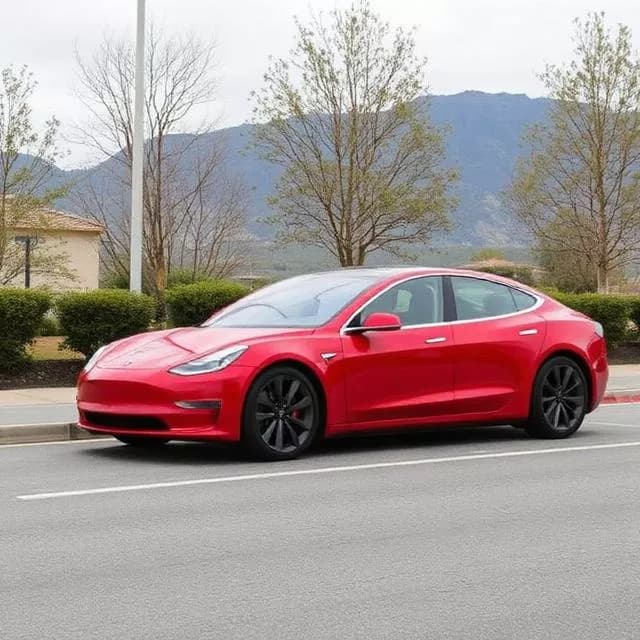
Tesla has started remotely disabling Full Self-Driving (Supervised) and other advanced driver assistance features on vehicles found using third-party CAN bus hacks or unauthorized devices to activate the software in countries where it is not officially supported.
Affected owners are receiving official emails and in-car notifications from Tesla, informing them of the software changes. The company has flagged these modifications as violations of its terms of service, potential cybersecurity risks, and unsafe practices. Some notifications mention that certain features may be restored in future over-the-air updates once the unauthorized hardware is removed.
Why Tesla Is Taking Strong Action
A gray market has grown for third-party devices — often USB-like gadgets priced around €500 — that plug into a Tesla’s Controller Area Network (CAN) bus. These devices intercept signals to bypass Tesla’s regional geofencing and software locks, allowing drivers in unsupported markets to access Full Self-Driving (Supervised) capabilities.
Tesla monitors vehicle telemetry and logs for abnormal behavior. Once detected, the company can push server-side updates to restrict or disable FSD features remotely, without needing physical access to the vehicle.
This crackdown has been particularly visible in markets like South Korea, Europe, and other regions where regulatory approval for FSD is still pending or limited. In South Korea, for instance, only certain US-made models (Model S, X, and Cybertruck) are currently permitted to use FSD, while many owners of China-made Model 3 and Y have sought workarounds.
Tesla has labeled these unauthorized devices as cybersecurity threats that could compromise vehicle safety systems and expose cars to external hacking risks. The company stresses that owners using such hacks assume full liability in case of any accident.
What Owners Are Being Told
Notifications sent to affected customers typically state that unauthorized changes to the FSD software have been detected. Key points highlighted by Tesla include:
- The modifications are unsupported and unsafe
- They violate the vehicle’s terms of use
- Continued use may lead to further restrictions or loss of features
- Removal of the third-party device is recommended for possible restoration of functionality
In some cases, Tesla has warned of additional consequences, including potential warranty issues.
Implications for Tesla Owners and the Indian Diaspora
For NRIs and Indian professionals owning or planning to buy Tesla vehicles — whether in India, the Gulf countries, Europe, or elsewhere — this development serves as an important caution:
- Regulatory Reality: Full Self-Driving features are rolling out gradually and depend on local government approvals. Bypassing restrictions can lead to sudden loss of paid features.
- Safety First: Tesla emphasizes that official software ensures consistent safety standards. Unauthorized hacks may disable critical protections.
- Financial Risk: Owners who have paid for FSD packages but use hacks risk losing access without refund, plus possible warranty complications.
- Legal Angle: In countries like South Korea, illegal activation of FSD can attract heavy penalties, including fines or even prison terms in extreme cases.
Many in the Indian tech and professional community in the Gulf, UK, Europe, and North America own Teslas and rely on over-the-air updates for new features. Experts advise waiting for official regulatory clearance rather than risking unofficial solutions.
What Affected Owners Should Do
If you receive a notification from Tesla:
- Immediately remove any third-party CAN bus devices or hacks.
- Contact Tesla Support through the app or official channels for guidance on restoring features.
- Avoid reinstalling unauthorized hardware to prevent permanent restrictions.
- Monitor official Tesla communications for software updates in your region.
Tesla continues to invest heavily in Full Self-Driving technology, with regular improvements in approved markets. The company is also shifting toward subscription models in several regions, making official access more flexible once regulatory hurdles are cleared.
As autonomous driving technology advances in 2026, Tesla’s firm enforcement against hacks highlights its focus on safety, regulatory compliance, and controlled global rollout.
Related NRI Globe Coverage
- Tesla FSD Europe Update 2026: Musk’s Vision Advances
- Tesla FSD Approved in Netherlands: Big Win for Indians
- Tesla FSD Approved in Europe via Netherlands
- Grok Tesla Cars: AI In-Car Features Expected in 2026
- Elon Musk 2026: Tesla Robotaxis and Neuralink Reality Check
- AI Data Center Cooling Methods Explained — Air vs Direct-to-Chip Liquid vs Immersion (2026 Rack Density Guide)
- Generative AI Terminology 2026 — Complete Glossary From Beginner to Advanced (LLM, RAG, Agents, LangGraph, MCP, Enterprise AI)
- How Much Electricity Does AI Use for One Prompt? The Real 2026 Numbers (ChatGPT, Gemini, Agentic AI)
Fresh from NRI Globe
- YouTuber Nandu's World (Rama Nandana) UK Visa & Job Fraud Case: Full Details + Key Lessons for NRIs (2026)
- Dussehra / Vijayadashami 2026 Events Country-Wise — Global NRI Directory (Ram Lila, Ravana Dahan, Durga Puja Pandals, Ayudha Puja Venues + Booking)
- Diwali 2026 Events Country-Wise — Global NRI Directory (White House, Leicester, London Trafalgar, Toronto, Auckland, Sydney Parramasala, Fiji, Mauritius, Trinidad, South Africa and More)
- Diwali / Deepavali 2026 Country-Wise NRI Celebrations — Complete Global Guide (USA, UK, Canada, Australia, Fiji, Mauritius, Trinidad, South Africa, UAE and 30+ Countries)