
TL;DR:
- Spiritual weekend retreats offer NRIs a structured way to reconnect with Indian heritage without long sabbaticals.
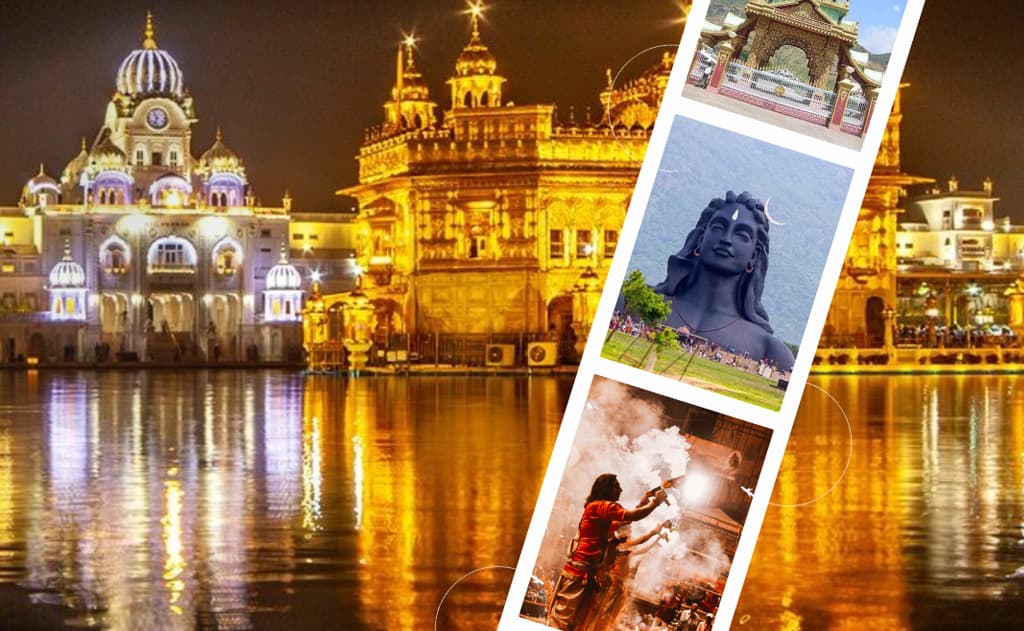
- Top destinations include Isha Yoga Center (Coimbatore), Golden Temple homestays (Amritsar), and Vipassana centers (Igatpuri).
- Most programs include meals, lodging, and bilingual instruction designed for diaspora participants.
- Weekend formats fit short India trips and work-from-home schedules.
Why Spiritual Retreats Matter for NRIs
Non-Resident Indians juggling careers, time zones, and cultural identity abroad often experience a disconnect from their spiritual roots. Weekend retreats address this directly. They compress meaningful spiritual practice into 48–72 hours, making them accessible to professionals with limited vacation time.
Cultural reconnection through retreats involves more than tourism. Participants engage in seva (selfless service), chant sacred mantras, and sit in silence alongside others seeking the same grounding. Mental detox happens naturally when digital devices are set aside and the nervous system recalibrates to the rhythm of bells, breath work, and natural soundscapes.
The timeline advantage cannot be overstated. A Friday-to-Sunday retreat fits a long weekend or a WFH break, eliminating the need to request extended leave.
The NRI Spiritual Retreat Landscape
India's retreat ecosystem has matured significantly to serve diaspora needs. Major ashrams, temples, and meditation centers now offer English-language programs, dietary accommodations, and digital booking systems. The growth reflects a broader trend: The Hindu Centre for Politics and Public Policy and diaspora research organizations have documented rising NRI interest in structured spiritual tourism.
Retreat formats vary widely. Some emphasize devotional practice (kirtan, puja). Others focus on meditative techniques (Vipassana, yoga). Still others blend both with cultural immersion and service-oriented activities. This diversity means an NRI can choose based on personal spiritual inclination rather than settling for a one-size-fits-all experience.
Many NRIs report prioritizing short spiritual getaways as a way to balance professional demands with inner renewal. Unlike extended sabbaticals or month-long pilgrimages, weekend retreats allow busy professionals to maintain work commitments while deepening spiritual practice.
Featured Spiritual Retreats Tailored for NRIs
Isha Yoga Center, Coimbatore
Isha Foundation operates one of India's largest yoga and meditation centers on the slopes of the Velliangiri Mountains. The organization has developed specific programming for NRIs returning to India.
NRI Homecoming Weekend (Monthly): This program combines Hatha yoga fundamentals with exposure to Isha's signature Inner Engineering methodology. Participants learn breathing techniques (pranayama) and body-based meditation practices designed to calm the nervous system.
The weekend includes satsangs (spiritual discourse sessions), sound healing through sacred chants, and evening visits to the Dhyanalinga (a consecrated meditative space) and Linga Bhairavi shrine. Accommodations are on-campus in simple but clean dormitory or private rooms. Vegetarian meals follow sattvic (pure, light) principles.
Booking contact: Isha Foundation official website for current program schedules and registration
Golden Temple Homestay Experience, Amritsar
The Golden Temple (Harmandir Sahib) is Sikhism's holiest shrine. Rather than standard hotel stays, several homestay operators position themselves within walking distance, allowing guests to participate in the temple's daily rhythm.
The Langar Seva + Night Kirtan experience invites NRIs to wake before dawn, join the temple's community kitchen (langar), and help prepare and serve meals to thousands of pilgrims. This act of selfless service is central to Sikh theology. Evenings feature kirtan (devotional singing) and the Ardas (closing prayer).
A first-hand account from an NRI participant reveals the emotional impact: "I brought my teenage son expecting him to be bored. Instead, he spent three hours chopping vegetables alongside a retired teacher from Punjab. By the end, he asked when we could come back." This kind of intergenerational bonding—and the child's sudden curiosity about heritage—is common among retreat attendees.
Many families report that temple seva creates a visceral understanding of Sikh values that books or lectures cannot convey. The combination of physical service, shared meals, and devotional singing creates lasting memories and deepens cultural identity across generations.
Booking contact: Shiromani Gurdwara Parbandhak Committee (SGPC) or local homestay operators in Amritsar
Vipassana Retreats, Igatpuri (Dhamma Giri)
Vipassana is an ancient Buddhist meditation technique that gained modern prominence through the work of S.N. Goenka. The Dhamma Giri center in Maharashtra's Sahyadri Mountains offers 10-day silent residential courses specifically designed for English speakers and bilingual participants.
Unlike some retreat formats, Vipassana demands commitment: participants maintain silence (except for brief teacher consultations), wake at 4:30 a.m., meditate for 10+ hours daily, and follow a structured schedule. The intensity appeals to NRIs seeking genuine transformation rather than relaxation.
The curriculum progresses from breath awareness (anapana) to body-scanning meditation (vipassana proper). By day 10, many participants report profound shifts in perspective and emotional clarity. The setting—forested mountains, simple vegetarian meals, minimal amenities—removes distractions.
Application: Dhamma.org official portal (courses are donation-based, not paid)
Comparative Overview: Retreat Types and Fit
| Retreat Type | Duration | Primary Focus | Language | Best For |
|---|---|---|---|---|
| Yoga Ashram (Isha) | 2–3 days | Hatha yoga, pranayama, meditation | English | Beginners; short visits |
| Temple Seva (Golden Temple) | 2–3 days | Devotion, community service, kirtan | English/Punjabi | Families; cultural immersion |
| Vipassana (Dhamma Giri) | 10 days | Silent meditation, self-inquiry | English/Hindi bilingual | Serious practitioners; sabbatical time |
| Ayurveda Wellness | 5–7 days | Holistic healing, detox, massage | English | Health-focused; stress recovery |
Practical Considerations for NRI Participants
Timing and Visa Logistics
Most NRIs travel on business or tourist visas valid for 30–180 days. Weekend retreats fit comfortably within these windows. However, verify visa conditions with your nearest Indian visa processing center if combining retreat with other India activities.
Physical Preparation
Yoga and meditation retreats are beginner-friendly, but early morning schedules and floor-sitting require basic flexibility. Arrive a day early to acclimate. Bring comfortable clothes, a meditation cushion (or request one), and any required medications.
Dietary Adjustments
Retreat meals are typically vegetarian and lighter than typical Indian restaurant food. Inform organizers of allergies or dietary restrictions in advance. The sattvic diet (avoiding onion, garlic, and stimulants) may feel unfamiliar but supports meditative clarity.
Digital Detox Expectations
Most retreats request (or require) phone and internet surrender. This can feel jarring for professionals accustomed to constant connectivity. Frame it as an opportunity rather than a deprivation. Many NRIs report that the first 24 hours of withdrawal are the hardest; by day two, the absence of notifications feels liberating.
Real NRI Experiences
Testimonials from retreat participants reveal consistent themes. One London-based banker shared: "After 15 years abroad, I'd forgotten why my parents valued silence and ritual. The Golden Temple homestay gave me that back in 48 hours. My kids finally understood why we say 'Waheguru' instead of just hearing it as background noise."
A Silicon Valley engineer described her Vipassana experience: "I came to 'fix' my anxiety with meditation like it was a bug to patch. By day five, I realized the whole premise was wrong. The retreat taught me to observe anxiety without judgment. That shift—from fixing to observing—changed how I work and parent."
These accounts highlight that retreats deliver value beyond the stated program. The real work happens in the gaps: conversations with fellow seekers, unexpected emotional releases, and the simple act of being away from performance-driven environments.
Many participants also report that retreats catalyze longer-term changes. Some establish daily meditation practices that persist for years after returning home. Others deepen relationships with extended family in India by sharing their retreat experiences and inviting relatives to join future programs.
Upcoming NRI-Focused Retreats (2025)
Diwali Special: Rishikesh Ganga Aarti Retreat
Focus: Evening aarti (ritual worship) on the Ganges, yoga, and Diwali celebrations. Typically scheduled around the Diwali festival period in autumn.
Contact: Parmarth Niketan Ashram for current 2025 dates and registration
New Year's: Kerala Ayurveda Reboot
Focus: Ayurvedic massage, herbal treatments, and wellness counseling. Programs typically run in early January and are designed for those seeking post-holiday detoxification and rejuvenation.
Contact: Major Ayurveda retreat centers in Kerala offer similar programs; consult Parmarth Niketan Ashram or regional Ayurveda associations for specific operator recommendations
Spring Equinox: Himalayan Meditation Retreat
Location: Rishikesh or Dharamshala
Duration: 3–5 days
Focus: Advanced meditation practices timed to the spring equinox. Multiple ashrams and retreat operators in the Himalayas offer seasonal programs during this period. Contact major retreat centers directly for 2025 schedules.
How to Choose the Right Retreat
Start by clarifying your intention. Are you seeking stress relief, cultural reconnection, spiritual deepening, or family bonding? Each retreat type serves different needs.
Next, assess your schedule. A 10-day Vipassana course requires genuine time commitment; a weekend yoga retreat fits a standard long weekend. Consider your physical condition and meditation experience. Beginners thrive in structured ashrams with experienced teachers; seasoned practitioners may prefer silent retreats or advanced yoga programs.
Finally, check logistics: travel time from your India arrival point, meal accommodations, and language support. Read recent reviews from other NRI participants on retreat platforms or diaspora forums. Contact retreat organizers directly to ask about NRI-specific support, whether instructors have experience with diaspora participants, and what accommodations exist for those with physical limitations.
The Deeper Value of Spiritual Retreats
Beyond the immediate benefits—reduced stress, improved sleep, mental clarity—retreats serve a larger function for NRIs. They interrupt the narrative that success means constant productivity and external achievement. In a retreat setting, sitting quietly for an hour is not laziness; it is the entire point.
This reframing matters. Many NRIs internalize Western productivity culture so thoroughly that rest feels like failure. A retreat legitimizes stillness. It says: your nervous system needs this, your ancestors practiced this, and your children benefit when they see you prioritize inner peace.
Additionally, retreats often become turning points in how NRIs relate to India itself. Rather than visiting as tourists or obligation-driven relatives, participants return as seekers. This shift—from external tourism to internal pilgrimage—often deepens long-term engagement with Indian spirituality and culture.
For many diaspora families, a retreat experience becomes a shared reference point. Parents and children discuss what they learned. Siblings compare notes on different retreat centers. Extended family members in India become more than relatives; they become potential retreat companions or guides to local spiritual practices.
Next Steps
1. Identify Your Retreat Type: Use the comparative table above to narrow options based on duration, focus, and personal readiness.
2. Research and Book: Visit official websites of ashrams and retreat centers. Read recent NRI reviews. Confirm 2025 dates and pricing directly with organizers.
3. Prepare Practically: Arrange travel to the retreat location, notify your employer of your absence, and download any pre-retreat materials (meditation guides, schedule, packing lists).
4. Set an Intention: Before arrival, write down why you're attending. This simple act anchors your practice and helps you recognize subtle shifts that might otherwise go unnoticed.
5. Integrate After Return: The retreat doesn't end when you leave. Maintain a daily meditation or yoga practice, journal about insights, and consider joining an online sangha (spiritual community) to sustain momentum.
Sources
- Isha Foundation – Official Website
- Dhamma.org – Vipassana Retreat Information
- Shiromani Gurdwara Parbandhak Committee (SGPC)
- Parmarth Niketan Ashram – Rishikesh
- The Hindu Centre for Politics and Public Policy
Related NRI Globe pillar guide: Returning to India — Complete Checklist for NRIs
Related NRI Globe Coverage
- Summer Finale Weekend in Australia
- Phalguna Masam 2026: Festivals, Dates & Spiritual Significance
- Makara Jyothi 2026 Darshan: A Spiritual Guide for NRIs – Witness the Divine Light from Anywhere
- Dhanurmasa Pournami 2026: Spiritual Significance for NRIs, Rituals
- Complete Diwali Puja Guide: Lakshmi Puja Vidhi, Mantras & Spiritual Significance
- Hindu Temples in Russia: A Spiritual Journey Through Eastern Europe's Growing Hindu Heritage
- Bhadrapada Monday Observance: A Spiritual Guide for Global Hindu Communities
- The Legend of Hayagriva Jayanti on Sravana Purnima: A Spiritual Feature for NRIs by www.nriglobe.com
Fresh from NRI Globe
- YouTuber Nandu's World (Rama Nandana) UK Visa & Job Fraud Case: Full Details + Key Lessons for NRIs (2026)
- Dussehra / Vijayadashami 2026 Events Country-Wise — Global NRI Directory (Ram Lila, Ravana Dahan, Durga Puja Pandals, Ayudha Puja Venues + Booking)
- Diwali 2026 Events Country-Wise — Global NRI Directory (White House, Leicester, London Trafalgar, Toronto, Auckland, Sydney Parramasala, Fiji, Mauritius, Trinidad, South Africa and More)
- Diwali / Deepavali 2026 Country-Wise NRI Celebrations — Complete Global Guide (USA, UK, Canada, Australia, Fiji, Mauritius, Trinidad, South Africa, UAE and 30+ Countries)