
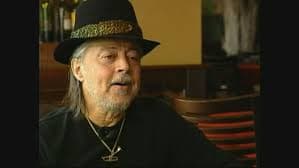
TL;DR:
- Chuck Mangione, iconic jazz flugelhornist and composer, passed away in July 2025 at age 84 in Rochester, New York.
- His 1978 hit "Feels So Good" achieved significant chart success and remains one of the most successful jazz records ever produced.
- Grammy-winning artist with multiple nominations; composed music for Olympic Games in the 1970s and 1980s.
- Eastman School of Music alumnus who mentored generations and was inducted into the Rochester Music Hall of Fame.
A Six-Decade Jazz Pioneer
Charles Frank Mangione was born in the early 1940s in Rochester, New York. His career spanned over six decades, beginning in his teens when he performed alongside his brother Gap Mangione in The Jazz Brothers. By the 1960s, Mangione had joined Art Blakey's Jazz Messengers, a pivotal ensemble that featured some of jazz's most celebrated voices. Sharing the stage with legendary jazz musicians, Mangione developed the distinctive flugelhorn sound that would define his artistic identity.
The flugelhorn—a mellower cousin of the trumpet—became Mangione's signature instrument. Unlike the trumpet's bright, cutting tone, the flugelhorn produces a warmer, more lyrical sound that suited Mangione's compositional approach. This tonal choice proved crucial to his commercial breakthrough and artistic recognition. The instrument's softer resonance allowed Mangione to craft accessible melodies that appealed to both jazz purists and mainstream audiences, a balance few instrumentalists achieved during his era.
"Feels So Good" and Commercial Success
Mangione's 1978 single "Feels So Good" transcended jazz radio, becoming a mainstream phenomenon. According to Billboard, the track achieved significant chart success and topped the Adult Contemporary listings—a rare achievement for instrumental jazz in the late 1970s. The accompanying album of the same name became one of the most commercially successful jazz records ever released, introducing millions of listeners to instrumental jazz who might never have encountered the genre otherwise.
The song's success reflected broader changes in popular music consumption during the late 1970s. Radio formats were expanding to include more diverse instrumental and crossover content, and "Feels So Good" arrived at precisely the moment when audiences were receptive to accessible, emotionally direct jazz compositions. The track's infectious melody and Mangione's warm flugelhorn tone created an immediate emotional connection that transcended typical genre boundaries.
Beyond "Feels So Good," Mangione composed and recorded other notable works including "Bellavia" and "Children of Sanchez." These compositions earned him recognition from The Recording Academy, with multiple Grammy nominations over his lifetime, cementing his status as a major figure in jazz composition and performance. Mangione's body of work demonstrated sustained excellence across multiple decades—a distinction held by relatively few jazz artists.
Rochester's Native Son and Educator
Mangione remained deeply connected to Rochester throughout his life. He graduated from Benjamin Franklin High School and earned his bachelor's degree from the Eastman School of Music, one of North America's most prestigious music conservatories. During the late 1960s and early 1970s, he returned to lead Eastman's jazz ensemble, directly mentoring the next generation of jazz musicians. The school later awarded him an honorary doctorate in recognition of his contributions to jazz education and performance.
In the early 2010s, the Rochester Music Hall of Fame inducted Mangione; his brother Gap received the same honor several years later. This dual recognition underscored the Mangione brothers' outsized influence on Rochester's cultural identity. Beyond formal accolades, Mangione remained accessible to fans and students. He regularly performed benefit concerts and made school appearances to inspire young musicians. Former students and audience members consistently recalled his generosity with time, often remaining after performances for hours to sign autographs and speak with admirers.
Mangione's approach to music education emphasized joy and accessibility. He believed that jazz, despite its complexity, should speak to the emotions rather than intimidate listeners with technical difficulty. This philosophy influenced how he taught, composed, and performed throughout his career. Students who studied under him frequently noted that his greatest gift was teaching them to play with genuine feeling rather than mere technical proficiency.
Olympic and Global Recognition
Mangione's music reached audiences far beyond jazz clubs and concert halls. His compositions were featured in Olympic Games during the 1970s and 1980s, bringing his music to global television audiences estimated in the hundreds of millions. These Olympic placements reflected both Mangione's commercial appeal and his ability to compose music that transcended genre boundaries. Olympic organizers sought music that conveyed inspiration and unity—qualities that defined Mangione's artistic philosophy.
The selection of Mangione's work for such high-profile international events demonstrated the respect he commanded among music directors and producers outside the jazz world. His ability to create music that felt both sophisticated and immediately accessible made him an ideal choice for occasions requiring broad emotional resonance. The Olympic performances introduced his name and compositions to audiences who might never attend a jazz concert, expanding his cultural footprint significantly.
Cultural Impact and Popular Media
Mangione's influence extended into popular culture in unexpected ways. He voiced himself as a celebrity spokesman in recurring appearances on the animated series King of the Hill, introducing his name and music to younger audiences who might not have encountered jazz through traditional channels. This crossover appeal—rare for jazz musicians—demonstrated Mangione's cultural reach and willingness to engage with popular entertainment formats.
In the late 2000s, Mangione donated his signature brown felt hat and music memorabilia to the Smithsonian Institution, cementing his place in American cultural history. The hat became an iconic symbol of his public persona and artistic identity, as recognizable to fans as his flugelhorn melodies. This donation represented formal acknowledgment that Mangione's contributions extended beyond music into the broader cultural fabric of American life.
Legacy and Lasting Influence
Mangione's death in July 2025 at age 84 marked the end of an era in jazz history. His family emphasized his defining characteristic: a genuine passion for music and an infectious enthusiasm that radiated from the stage. This description captured what distinguished Mangione from many of his contemporaries—an optimism and authentic joy that audiences felt immediately.
The Rochester International Jazz Festival co-producers expressed their grief, noting that Mangione was more than a global icon and represented a vital part of Rochester's cultural heritage. Social media tributes reflected this sentiment, with fans worldwide sharing memories of how his compositions had shaped their emotional landscapes and introduced them to jazz.
Mangione is survived by his brother Gap and a worldwide community of musicians, students, and fans. His influence persists not only through his recorded catalog—still widely streamed and broadcast—but through the musicians he mentored, the students who studied his compositions, and the millions who discovered jazz through his accessible, joyful approach to the art form. His legacy demonstrates that jazz need not remain confined to specialized audiences; when crafted with genuine emotion and technical skill, it can speak to the universal human experience.
Next Steps
Fans seeking to honor Mangione's memory can explore his discography through major streaming platforms. The Rochester Music Hall of Fame maintains an archive of his contributions to the region's cultural life. The Eastman School of Music continues to teach his compositions and legacy as part of its jazz curriculum. Memorial services and tributes have been announced by his family and the Rochester arts community.
Sources
- WHEC Rochester News
- Democrat and Chronicle
- Rochester First
- Eastman School of Music
- The Recording Academy
- Billboard
- Smithsonian Institution
Continue reading — NRI Globe pillar guide: H-1B Complete Guide for Indians 2026
Related NRI Globe Coverage
- Indian-Origin Man Dies in Adelaide Police
- Software & Tech Layoffs in the USA (Week of September 13, 2026) — Uber, Apple, PayPal, Amazon Cuts & NRI Impact
- Uber Layoffs 3,300 Jobs Sept 2026 — NRI Tech Impact + H-1B Playbook
- Cloudsoft AI, Cloud + Cybersecurity Demo — Recording + Live Session 10:30 IST
- WSJ Ghost Jobs Report 2026 — Fake Postings + NRI Job Seeker Guide
- NRIs Returning to India 2026: Jobs, Salaries, Cities, and the Honest Reality Check
- Tech Careers for NRIs in the USA 2026: In-Demand Skills, Salary Ranges, and Positioning Playbook
- Best US States for Indian Immigrants in 2026: California, Texas, New Jersey, Washington Compared
Fresh from NRI Globe
- YouTuber Nandu's World (Rama Nandana) UK Visa & Job Fraud Case: Full Details + Key Lessons for NRIs (2026)
- Dussehra / Vijayadashami 2026 Events Country-Wise — Global NRI Directory (Ram Lila, Ravana Dahan, Durga Puja Pandals, Ayudha Puja Venues + Booking)
- Diwali 2026 Events Country-Wise — Global NRI Directory (White House, Leicester, London Trafalgar, Toronto, Auckland, Sydney Parramasala, Fiji, Mauritius, Trinidad, South Africa and More)
- Diwali / Deepavali 2026 Country-Wise NRI Celebrations — Complete Global Guide (USA, UK, Canada, Australia, Fiji, Mauritius, Trinidad, South Africa, UAE and 30+ Countries)