
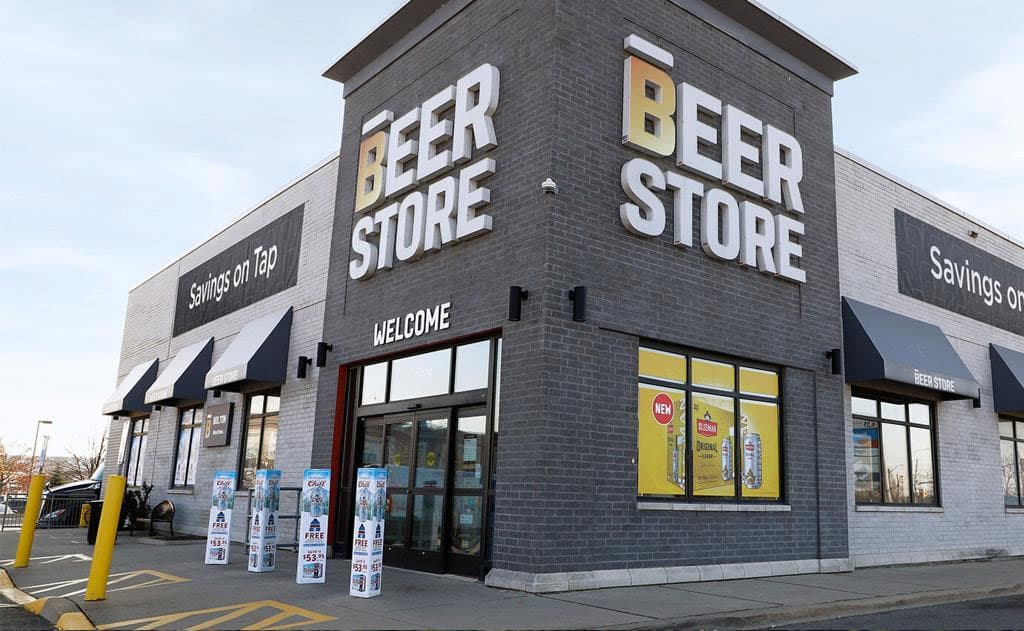
Toronto, July 15, 2025 – The Beer Store, Ontario’s beloved beer retail giant, is facing an unprecedented wave of closures, with 10 more locations set to shut their doors by September 14, 2025, bringing the total to over 80 closures since May 2024. From small-town outposts like Atikokan to bustling Greater Toronto Area (GTA) hubs, the retailer’s retreat has left customers and employees reeling. Once a cornerstone of Ontario’s alcohol market, The Beer Store is grappling with a seismic shift in the province’s liquor landscape, driven by Premier Doug Ford’s bold move to liberalize alcohol sales. NRIGlobe dives into the reasons behind these closures, the human toll, and what it means for Ontario’s beer lovers.
A Changing Marketplace: The End of a Monopoly
For nearly a century, The Beer Store—owned by brewing giants Molson Coors, Labatt, and Sleeman—held a near-monopoly on beer sales in Ontario, distributing 2.92 million hectoliters to over 13,000 customers in 2024 alone. Its 450+ locations were the go-to for ice-cold brews and a world-class recycling program that processed 1.6 billion containers annually. But the game changed in May 2024, when the Ford government struck a $225 million deal to end The Beer Store’s exclusive contract early, allowing convenience stores, grocery stores, and big-box retailers to sell beer, wine, and ready-to-drink beverages starting in summer 2024.
This policy shift, fully implemented by January 1, 2026, opened the floodgates to an estimated 8,500 new alcohol retail outlets, from corner stores to gas stations. The Beer Store, facing fierce competition, began closing underperforming locations to “modernize operations,” with Vice President of Retail Ozzie Ahmed stating, “We made the difficult decision to close these retail locations to focus on what we do best: ice-cold beer, great customer service, and a world-class recycling program.” Since May 2024, 80 stores have been slated for closure, including 10 announced for September 14 in communities like Ridgetown and the GTA.
The Human Cost: Jobs and Communities at Stake
Behind the corporate rhetoric lies a human story. The Beer Store employs 6,500 workers, many represented by the United Food and Commercial Workers (UFCW) Local 12R24. Union president John Nock blames the closures squarely on the province’s alcohol expansion, warning that dwindling locations threaten “price stability” and convenient bottle returns. “Where will people return their empties? Further and further drives,” Nock lamented, noting that grocery stores won’t be required to accept returns until January 1, 2026.
For employees, the closures are a gut punch. In Windsor, where two stores (790 Goyeau St. and 1780 College Ave.) are closing on July 6, workers like Sarah, a 10-year veteran, face uncertainty. “This was my community hub,” she shared. “Customers didn’t just buy beer—they swapped stories, planned parties. Now we’re losing that.” The Beer Store has pledged to support affected employees with transfers to other locations, but with 80 closures, options are shrinking. Social media echoes the sentiment, with @GladysRBates142 calling it a “sad day for Beer Store employees as retail stores take over everything.”
A Craft Beer Crisis?
The closures also spell trouble for Ontario’s craft brewers. Local breweries like Left Field and Blood Brothers have voiced concerns that the new retail landscape favors multinational conglomerates. “Corner stores aren’t interested in selling craft beer,” a Blood Brothers spokesperson told blogTO, noting that macro brewers like Molson Coors benefit most from the expansion. This shift could squeeze smaller producers, reducing consumer choice and driving up prices in communities hit by closures, as Nock warned.
Take the case of Coboconk, a small Kawartha Lakes town losing its Beer Store at 6716 Hwy. 35 on July 6. Residents now face longer drives to buy beer or return empties, with one X user joking, “Guess I’ll be stocking up at the gas station—hope they’ve got my IPA!” The loss of local stores disrupts not just convenience but also the social fabric of small towns, where The Beer Store often doubled as a community hub.
The Recycling Challenge
The Beer Store’s recycling program, lauded as one of the greenest in the world, is under strain. In 2024, it processed 1.6 billion containers—beer bottles, cans, wine bottles, tetra packs, and kegs—with a seamless deposit-return system. But as stores close, access to return depots dwindles, raising fears that bottles and cans will pile up in blue bins or landfills. @SteveDesroches on X highlighted the issue: “The bottle/can return program is getting more inconvenient… Many cans and bottles will end up in city blue boxes.” Starting January 1, 2026, grocery stores selling alcohol must accept empties, but until then, consumers face a patchwork system.
Why Now? A Perfect Storm
The closures stem from a perfect storm of policy changes and market pressures. The Ford government’s $225 million agreement required The Beer Store to maintain 300 locations until December 31, 2025, but after that, there are no limits on closures. With alcohol now available at thousands of new outlets, The Beer Store’s traditional model—built on high-volume sales and recycling—is losing ground. Efforts to diversify, like selling OLG lottery tickets, mugs, and snacks, haven’t stemmed the tide. As Ahmed noted, “Modernizing operations in a changing marketplace is never easy.”
The financial impact is stark. Ontario’s alcohol expansion could cost taxpayers over $500 million, according to the Financial Accountability Office, while The Beer Store’s revenue takes a hit from reduced foot traffic. Craft brewers and unions argue that the policy disproportionately benefits foreign conglomerates, with @TomPark1n on X stating, “Ford paid $250M to global beer companies… at the expense of local microbreweries.”
What’s Next for The Beer Store?
With 80 stores closing by September, including five in the GTA, The Beer Store is urging customers to shop at remaining locations or use the province’s retailer locator to find alternatives. The company remains committed to sustainability, promoting its Stewardship Report and encouraging returns at its 26 distribution points. But as the clock ticks toward 2026, when unrestricted closures could accelerate, questions loom about the retailer’s future. Will it adapt to a crowded market, or is this the beginning of the end for an Ontario institution?
Stay Informed with NRIGlobe
The Beer Store’s closures mark a turning point for Ontario’s alcohol market, impacting jobs, communities, and craft brewers. Visit NRIGlobe for the latest updates on this evolving story, from policy shifts to local impacts. Stay tuned for real-time coverage of Canada’s changing retail landscape.