
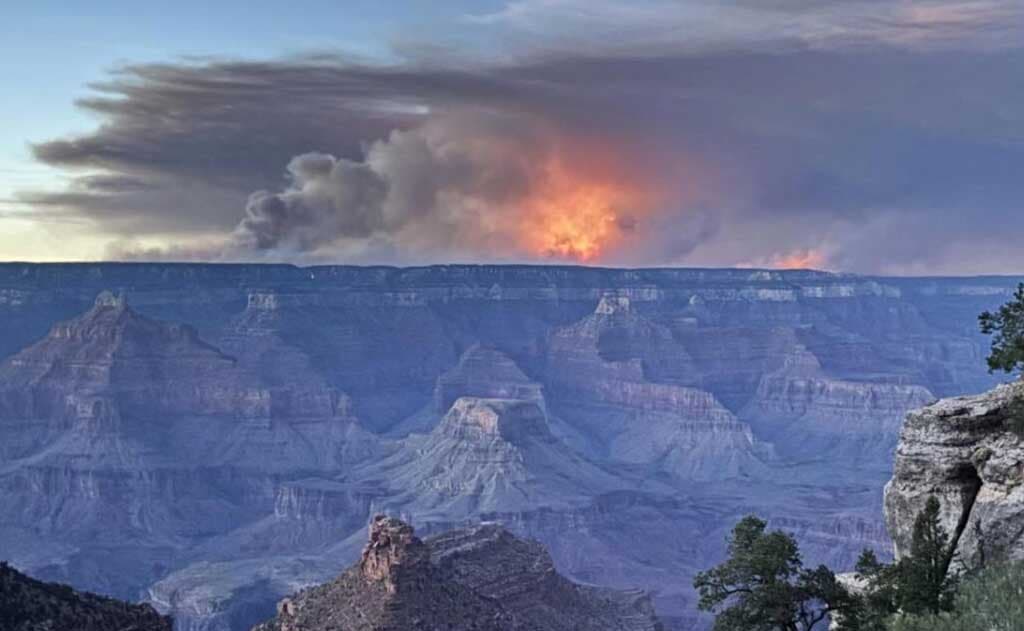
Dragon Bravo Fire at Grand Canyon: Latest Updates and Full Story
Introduction: A Historic Wildfire Ravages the Grand Canyon
The Dragon Bravo Fire, ignited by a lightning strike on July 4, 2025, has become the largest wildfire in the continental United States this year, scorching over 123,000 acres of Grand Canyon National Park’s North Rim and surrounding areas. This devastating blaze, deemed a “megafire” for surpassing 100,000 acres, has destroyed iconic structures, forced evacuations, and closed the North Rim for the 2025 season. With extreme weather fueling its growth, the fire has raised concerns about federal wildfire management and the impact of climate change. Here’s the complete story of the Dragon Bravo Fire, including the latest updates as of August 8, 2025, for www.nriglobe.com.
Latest Updates: Fire Status and Containment Efforts
As of August 5, 2025, the Dragon Bravo Fire has burned 123,000 acres and is only 13% contained, according to the National Interagency Fire Center. The fire continues to spread in the Kaibab National Forest, threatening structures like the historic Kaibab Lodge, located five miles from the North Rim entrance. Firefighters, numbering nearly 1,200, are employing a full suppression strategy, using aerial retardant drops and ground crews to protect critical infrastructure. However, gusty winds up to 30 mph, low humidity, and dry vegetation have made containment challenging. A slight increase in humidity (15-20%) on August 2 offered temporary relief, but critical fire weather is expected to persist through the weekend, with no significant precipitation forecast until mid-next week. Smoke remains visible from the South Rim, prompting air quality advisories for visitors and residents.
The Fire’s Origin and Rapid Expansion
The Dragon Bravo Fire began on July 4, 2025, sparked by lightning in the North Rim of Grand Canyon National Park. Initially managed as a “confine and contain” fire to allow it to play a natural ecological role, the blaze escalated due to extreme weather conditions. On July 11, strong winds of 20-40 mph caused the fire to jump containment lines, leading to a 500-acre expansion overnight. By July 12, the fire had destroyed the historic Grand Canyon Lodge, the North Rim Visitor Center, and over 70 other structures, including historic cabins. A chlorine gas leak at a water treatment facility forced firefighter evacuations, complicating efforts. By late July, the fire had grown to 71,000 acres, and by August 2, it had doubled to over 111,970 acres, earning its “megafire” status. The fire’s intensity even created pyrocumulus clouds, a rare phenomenon where the blaze generates its own weather.
Impact on Grand Canyon National Park
The Dragon Bravo Fire has had a profound impact on the North Rim, a quieter area that attracts about 10% of the park’s five million annual visitors. The North Rim is closed for the remainder of the 2025 season (May 15–October 15), with all visitor services, campgrounds, and trails, including the North and South Kaibab Trails and Bright Angel Trail, shut down due to smoke accumulation and safety concerns. The historic Grand Canyon Lodge, a National Historic Landmark built in 1928 and rebuilt in 1937 after a kitchen fire, was among the most significant losses. The lodge, known for its ponderosa pine beams and limestone facade, housed valuable archives, including a 600-pound bronze statue of Brighty the Burro, which may not have been saved. The South Rim, which hosts 90% of visitors, remains open but operates under Stage 2 fire restrictions due to high fire danger. Trails like the South Kaibab Trail to Ooh Aah Point, Cedar Ridge, and Skeleton Point are still accessible, but air quality alerts are in effect.
Environmental and Cultural Toll
The fire has devastated the North Rim’s dense conifer forests, including Douglas firs over 100 feet tall, fueled by parched vegetation and prolonged drought. The Grand Canyon’s unique topography, with wind funneled through the canyon and smaller finger canyons, has accelerated the fire’s spread, creating unprecedented fire behavior. The loss of cultural landmarks like the Grand Canyon Lodge, a symbol of Arizona’s history, has sparked grief among visitors and locals. Arizona Senator Ruben Gallego called it a loss of “a piece of our state history,” while park concessionaire Aramark expressed devastation over the destruction. The fire also threatens wildlife habitats, though no specific reports on animal losses have emerged. The broader context of climate change, which has extended wildfire seasons and increased fire intensity, has been cited as a contributing factor.
Response and Controversy
Initially, the National Park Service employed a “confine and contain” strategy, allowing the fire to burn within a defined area to reduce forest fuel. However, after the fire’s rapid growth on July 11, authorities shifted to a full suppression approach. Arizona Governor Katie Hobbs has called for an investigation into the federal government’s initial decision to manage the fire as a controlled burn, citing the dry conditions and the loss of historic structures. Senator Gallego echoed this, demanding “a comprehensive, independent investigation” into the response. The fire has also highlighted staffing shortages, with the National Park Service losing 24% of its permanent workforce under federal cuts, potentially impacting firefighting capacity, though no direct link to the fire’s escalation has been confirmed.
Closures and Travel Impacts
The North Rim’s closure has canceled all 2025 season reservations, with guests receiving full refunds within 14-21 days. The Grand Canyon Highway (State Route 67) remains closed, though U.S. Route 89A has reopened. The Kaibab National Forest and nearby Jacob Lake Campground are also closed, but Kaibab Camper Village and Jacob Lake Inn have reopened. Travelers are advised to check the National Park Service website for updates on closures and air quality, particularly for the South Rim, where smoke is visible. An extreme heat warning is in effect, urging hikers to carry adequate water, sunscreen, and electrolytes. The South Rim’s lodges, including El Tovar and Bright Angel, remain open, and ranger programs continue as planned.
Community and Economic Impact
The closure of the North Rim and the destruction of infrastructure like the Grand Canyon Lodge will impact local economies in gateway communities like Jacob Lake and Fredonia. In 2024, Grand Canyon National Park welcomed nearly five million visitors, contributing millions to local businesses. The loss of the North Rim, even if it draws fewer visitors, is a blow to seasonal tourism. Social media posts on X reflect public concern, with users describing the fire as a “monster” and sharing images of its massive smoke column. The fire’s visibility from the South Rim, 11 miles away, has added to the sense of loss for visitors who cherished the North Rim’s serene beauty.
Looking Ahead: Recovery and Challenges
With the fire still burning and containment at just 13%, firefighters face ongoing challenges from dry conditions and gusty winds. The focus remains on protecting remaining structures, like the Kaibab Lodge, and preventing further spread into the Kaibab National Forest. The National Park Service and Southwest Area Incident Management Team are prioritizing firefighter safety and infrastructure protection, using retardant drops where possible. Long-term recovery will be extensive, with the loss of historic structures requiring years of rebuilding. The fire underscores the growing threat of climate-driven wildfires, prompting calls for stronger prevention and response strategies. Visitors are encouraged to support the park by visiting the South Rim and contributing to local economies.
Conclusion: A Call to Action
The Dragon Bravo Fire has left an indelible mark on Grand Canyon National Park, destroying cherished landmarks and closing the North Rim for 2025. As firefighters battle this megafire, the focus is on containment and protecting what remains. For travelers, the South Rim offers a chance to experience the Grand Canyon’s majesty, but caution is urged due to air quality and heat concerns. Stay updated via the National Park Service website and support conservation efforts to preserve America’s natural treasures. Follow www.nriglobe.com for more environmental and travel news.
Disclaimer: Information is accurate as of August 8, 2025. Check nps.gov/grca for the latest fire updates and park status.
Related NRI Globe Coverage
- Ironmouse Leaves VShojo Over $500K Charity Fund Dispute: Full Story
- A Historic Loss: The Grand Canyon Lodge Falls to the Dragon Bravo Fire
- Juniper Fire in Los Angeles: Latest Updates, Impact, and Safety Measures
- NRI Latest News Roundup: June 8, 2026 — H-1B Changes, RBI Investment Boost & Key Updates for NRIs
- Canada PR Updates June 2026: What Indian Students & Workers Must Know
- Tesla Vehicles with Full Self-Driving Emerge as Among the Safest on Global Roads in 2026
- Emirates Suspends Dubai Flights After Drone Strike Ignites Fuel Tank Fire
- Canada Winter Weather Alert: Snowfall Updates
Fresh from NRI Globe
- YouTuber Nandu's World (Rama Nandana) UK Visa & Job Fraud Case: Full Details + Key Lessons for NRIs (2026)
- Dussehra / Vijayadashami 2026 Events Country-Wise — Global NRI Directory (Ram Lila, Ravana Dahan, Durga Puja Pandals, Ayudha Puja Venues + Booking)
- Diwali 2026 Events Country-Wise — Global NRI Directory (White House, Leicester, London Trafalgar, Toronto, Auckland, Sydney Parramasala, Fiji, Mauritius, Trinidad, South Africa and More)
- Diwali / Deepavali 2026 Country-Wise NRI Celebrations — Complete Global Guide (USA, UK, Canada, Australia, Fiji, Mauritius, Trinidad, South Africa, UAE and 30+ Countries)