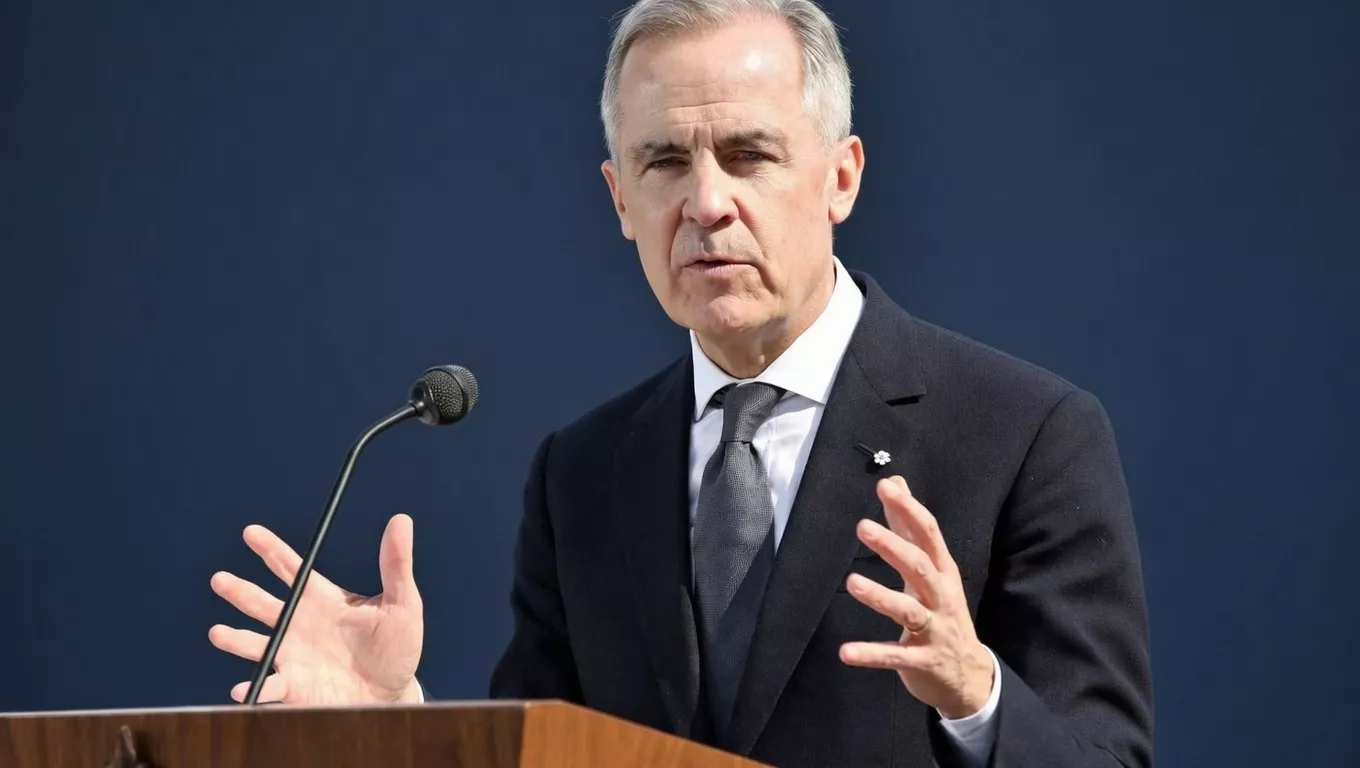
Mark Carney Launches $2.3B EV Incentive Plan
By NRIGlobe Team Published: February 15, 2026 www.nriglobe.com
Ottawa — On February 5, 2026, Prime Minister Mark Carney announced a sweeping overhaul of Canada’s automotive and electric vehicle (EV) strategy, scrapping the previous EV sales mandate while introducing a $2.3 billion five-year Electric Vehicle Affordability Program (EVAP). The move aims to boost consumer adoption of cleaner vehicles, support domestic manufacturing, and navigate global trade challenges, including U.S. tariff pressures.
Under the program, Canadians purchasing or leasing eligible battery electric vehicles (BEVs) or fuel cell EVs can receive up to $5,000, while plug-in hybrids (PHEVs) qualify for up to $2,500—provided the vehicle’s final transaction price is up to $50,000 and manufactured in countries with free trade agreements with Canada (excluding China). Crucially, this price cap does not apply to vehicles made in Canada, benefiting models like the Dodge Charger Daytona EV assembled in Windsor, Ontario.
Details of the $2.3 Billion EV Affordability Program
The EVAP, effective from February 16, 2026, through 2030, features declining incentives to control spending while encouraging early adoption:
- 2026: $5,000 for BEVs/fuel cell EVs; $2,500 for PHEVs.
- 2027: Approximately $4,000 / $2,000.
- 2028–2029: Further reductions (around $3,000 range for BEVs).
- 2030: Down to $2,000 for BEVs.
Government projections estimate the program could support over 840,000 new EV purchases or leases. Incentives apply at the point of sale or lease, replacing the paused iZEV system from the prior administration.
The broader auto strategy also includes:
- Up to $3 billion from the Strategic Response Fund for industry adaptation.
- $1.5 billion for EV charging and hydrogen infrastructure.
- Stronger greenhouse gas emissions standards targeting 75% EV sales by 2035 and 90% by 2040, shifting from rigid quotas to outcome-focused regulations.
Dodge Charger Daytona EV: The Key Canadian-Made Beneficiary
Currently, the 2026 Dodge Charger Daytona EV—produced at Stellantis’ Windsor Assembly Plant—is the primary (and potentially only) fully electric vehicle qualifying without the $50,000 price cap.
- The Scat Pack variant starts around $62,000–$69,000 CAD (with higher trims exceeding $80,000+ before fees and options).
- Earlier R/T models (around $55,000–$58,000) were discontinued for 2026 due to market dynamics and tariff impacts.
As a Canadian-assembled model, buyers can claim the full rebate on higher-priced trims, potentially making performance-oriented EVs more accessible and supporting Ontario jobs in the auto sector.
Total Cost and Funding for Carney’s Net-Zero Vision
The EV Affordability Program totals $2.3 billion CAD over five years, drawn from federal budgets, reallocated funds, and general revenues. It forms part of a larger package exceeding $6 billion in auto-related investments, including manufacturing supports and infrastructure.
Carney’s net-zero goals—emphasizing clean growth, economic resilience, and reduced emissions—are financed through:
- Public investments in strategic funds.
- Tax incentives for zero-emission tech manufacturers.
- Alignment with private sector transitions.
Critics question the allocation of taxpayer dollars to subsidies amid economic pressures, arguing much of the benefit flows to foreign-made vehicles rather than revitalizing Canadian plants, which produce limited eligible EVs.
Echoes of “Trudeau EV 2.0”? Reactions and Debate
The policy has sparked comparisons to the former Trudeau-era iZEV rebates (which offered similar $5,000 incentives before funds depleted). Supporters view the shift from mandates to incentives as pragmatic, protecting competitiveness and jobs in a tariff-volatile environment.
However, opponents—including some analysts and commentators—label it “Trudeau EV 2.0,” claiming rebates primarily aid imported models while doing little for Ontario’s EV production capacity. Environmental advocates express concern over relaxing aggressive targets, seeing it as a potential setback for climate action.
Carney positioned the strategy as a balanced path forward: “A confident Canada is making the strategic decisions… to build the affordable, enjoyable and low-emissions automobiles of the future.”
Implications for Canadians in 2026
With EV adoption facing headwinds from cost and infrastructure barriers, the incentives could make cleaner options more attainable—especially for Canadian-made vehicles like the Charger Daytona EV. As global trade dynamics evolve, the program’s success hinges on boosting domestic demand and manufacturing.
At NRIGlobe, we cover policy developments impacting energy, economy, and innovation. This EV pivot reflects a carrot-focused approach to electrification—practical or insufficient?
What are your thoughts on the new incentives and mandate repeal? Drop your comments below.
Latest NRI News & Global Updates:
Health, Wellness & Lifestyle for NRIs
https://nriglobe.com/health-wellness/
Latest NRI News & Global Updates
https://nriglobe.com/news/
Business & Finance News for NRIs
https://nriglobe.com/business/
Investment Guides for NRIs
https://nriglobe.com/investment/
Jobs & Career Opportunities for NRIs
https://nriglobe.com/jobs/