In a remarkable display of energy diplomacy, India has emerged as Ukraine’s leading diesel supplier in July 2025, commanding a 15.5% share of the war-torn nation’s diesel imports with daily shipments of 2,700 tons. This surge, facilitated by Indian refineries processing discounted Russian crude and routed via the Danube River, highlights India’s strategic balancing act in a complex geopolitical landscape. Despite drawing sharp criticism from U.S. advisor Peter Navarro, who accuses India of indirectly fueling Russia’s war efforts, India’s focus on national security and economic gains remains steadfast. For the Non-Resident Indian (NRI) community and global investors, this development underscores India’s growing influence in global energy markets and its deft navigation of international pressures. Here’s an in-depth look at India’s diesel export boom to Ukraine and its broader implications.
India’s Diesel Dominance in Ukraine: A Strategic Pivot
India’s rise to the top of Ukraine’s diesel import market in July 2025 marks a significant shift in global energy trade dynamics. According to a Ukrainian oil market analytics firm, India supplied 15.5% of Ukraine’s diesel, outpacing other key suppliers like Slovakia (15%), Greece (13.5%), Turkey (12.4%), and Lithuania (11.4%). This represents a dramatic increase from India’s 10.2% share from January to July 2025, up from just 1.9% in the same period of 2024.
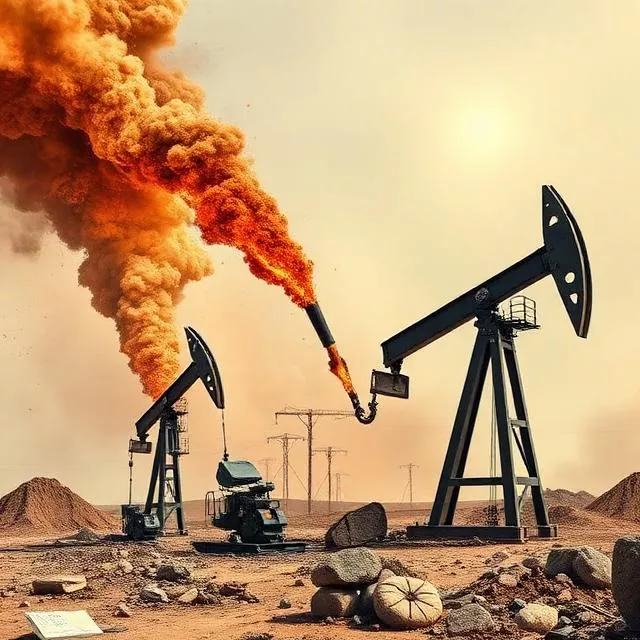
The diesel, primarily refined from discounted Russian crude, reaches Ukraine through strategic routes, including tanker deliveries along the Danube from Romania and the OPET terminal in Turkey. This export surge is driven by Indian refineries, such as Reliance Industries’ Jamnagar facility, which sources 50% of its crude from Russia, up from 3% in 2021. The cost advantage of Russian oil, discounted by $1.5–$2 per barrel compared to global benchmarks, has bolstered refining margins and enabled India to export high-value diesel to Europe and Asia, including Ukraine.
Geopolitical Tensions and U.S. Criticism
India’s energy trade with Russia has drawn intense scrutiny from the United States, particularly from Peter Navarro, a senior advisor to former President Donald Trump. Navarro has revived the “oil laundromat” charge, accusing India of profiteering by refining Russian crude into diesel and exporting it to regions like Ukraine, thereby indirectly supporting Russia’s war efforts. This criticism comes amid escalating U.S.-India trade tensions, with the Trump administration imposing 50% tariffs on Indian goods in August 2025, citing India’s continued imports of Russian oil, which account for 38% of India’s crude imports.
India has pushed back, accusing the U.S. and EU of double standards. Indian officials, including External Affairs Minister S. Jaishankar, have pointed out that the EU imported 16.5 million tonnes of Russian LNG in 2024, while the U.S. continues to import Russian uranium, palladium, and fertilizers. India argues that its oil purchases were initially encouraged by the West to stabilize global oil prices post-Ukraine invasion, highlighting the inconsistency in current criticisms.
Economic Gains and Energy Security
India’s strategic procurement of discounted Russian crude has yielded significant economic benefits. Since 2022, Russia has become India’s largest crude supplier, with imports reaching an 11-month high of 2.08 million barrels per day in June 2025. This shift has saved India billions of dollars, enabling robust refining margins and a $36 billion export revenue stream for refined products, including a 14% year-on-year increase in U.S. exports.
For Ukraine, India’s diesel supply is critical, powering battlefields and cities amidst the ongoing conflict. The 2,700 tons of daily diesel imports in July 2025 ensure a steady fuel supply, routed through non-sanctioned channels, demonstrating Indiaindirectly India’s pragmatic approach to energy security and economic necessity. Indian Petroleum Minister Hardeep Singh Puri emphasized in July 2025, “Our commitment is to the Indian consumer,” underscoring India’s prioritization of affordable energy over geopolitical alignment.
Implications for NRIs and Global Investors
For NRIs and global investors, India’s growing role in the energy market presents significant opportunities:
- Energy Sector Investments: Companies like Reliance Industries and Indian Oil Corporation (IOC) are expanding refining capacities, with IOC’s Gujarat refinery set to reach 360,000 barrels per day by mid-2026. These developments offer potential for investment in India’s energy infrastructure.
- Green Energy Transition: India’s push for renewable energy, with 83% of 2024 power sector investments directed toward clean energy, aligns with global sustainability trends, making it an attractive market for green investments.
- Trade Diversification: India’s diversification of crude sources, with increased imports from the U.S. (8%), Iraq (20–23%), and Saudi Arabia (16–18%), reduces reliance on Russian oil, mitigating geopolitical risks for investors.
Challenges Amid Geopolitical Maneuvers
Despite its economic advantages, India faces challenges due to U.S. tariffs and geopolitical pressures. The 50% tariffs, effective from August 2025, could reduce Indian exports to the U.S. by $37 billion, impacting labor-heavy sectors like textiles and pharmaceuticals. Analysts estimate a 20–40 basis point reduction in India’s GDP growth due to these tariffs. However, India’s strategic partnerships, such as a $2.3 billion green hydrogen initiative with the U.S. and a Free Trade Agreement with the UK in July 2025, aim to diversify trade corridors and reduce dependency on the U.S. market.
India’s “special mechanism” with Russia, as highlighted by Russian Charge d’Affaires Roman Babushkin, ensures uninterrupted crude supplies, reinforcing India’s energy security. Meanwhile, India’s commitment to boosting exports of pharmaceuticals, agriculture, and textiles to Russia aims to balance the $59 billion trade deficit, further strengthening bilateral ties.
India’s Strategic Autonomy and Global Influence
India’s energy strategy in 2025 is a masterclass in balancing economic pragmatism with geopolitical strategy. By maintaining strong ties with Russia while increasing U.S. and Middle Eastern crude imports, India ensures energy affordability and stability. The country’s refining sector, projected to reach 309.5 million metric tonnes per annum by 2030, is poised to capitalize on global diesel and jet fuel demand, particularly in Europe.
For the NRI community, India’s role as a global energy hub offers a sense of pride and opportunity. The country’s ability to navigate U.S. criticism and maintain strategic autonomy highlights its growing diplomatic clout. As India continues to supply critical diesel to Ukraine, it reinforces its position as a reliable partner in times of global crisis, while its investments in renewable energy signal a commitment to a sustainable future.
Conclusion: India’s Energy Diplomacy Shines
India’s surge to become Ukraine’s top diesel supplier in July 2025, with a 15.5% import share, underscores its strategic energy diplomacy amid geopolitical tensions. Despite U.S. tariffs and criticism, India’s focus on economic gains and energy security remains unwavering, supported by diversified crude sources and robust refining capabilities. For NRIs and global investors, India’s energy sector offers promising opportunities in refining, renewables, and trade diversification, positioning the country as a pivotal player in the global energy market.
Stay informed with the latest NRI news and investment insights at www.nriglobe.com.