In a move that has sent shockwaves through global trade corridors, US President Donald Trump announced on Thursday a staggering 100% tariff on imported branded and patented pharmaceutical products, effective October 1, 2025. This aggressive protectionist policy, aimed at bolstering American manufacturing, threatens to cripple India’s $8 billion annual drug exports to the US – a lifeline for millions of patients worldwide who rely on affordable Indian generics and formulations. As Indian pharma stocks tumbled over 2.5% in early trading today, industry leaders warn of a “tariff tsunami” that could hike medicine prices in the US, exacerbate drug shortages, and force Indian firms into costly overhauls.
The Announcement: Reviving the Trade War Playbook
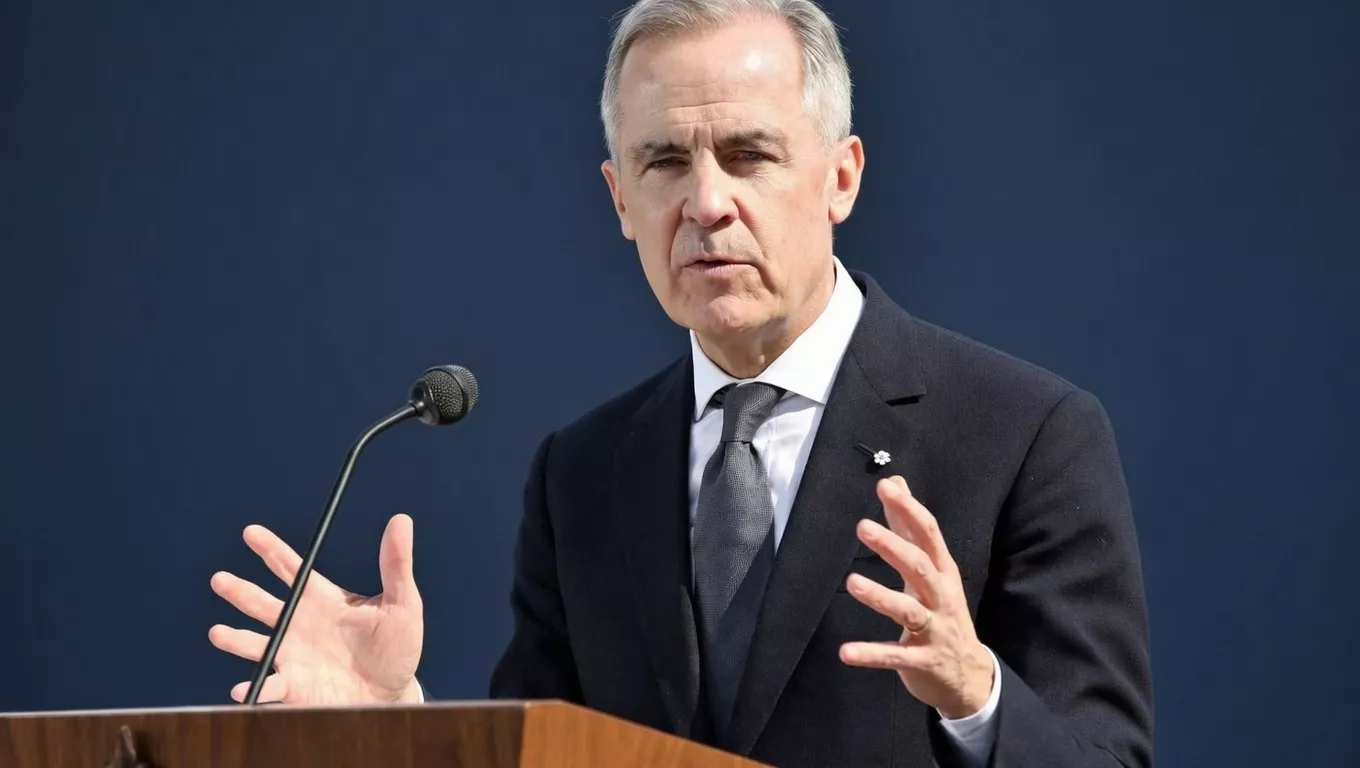
Speaking from the White House Rose Garden, Trump declared the tariffs as a “national security imperative” to shield US manufacturers from “unfair foreign competition.” The sweeping measures, detailed in an executive order, target not just pharmaceuticals but also heavy-duty trucks (25% tariff), kitchen cabinets and bathroom vanities (50% each), and upholstered furniture (30%). For drugs specifically, the 100% duty applies to all branded or patented imports unless the exporting company has already broken ground on a US-based manufacturing facility – a clause that offers little immediate relief to most foreign players.
Trump justified the pharma tariffs by lambasting “predatory imports” that he claims undercut American jobs and innovation. “We’re bringing drug manufacturing back home where it belongs,” he thundered, echoing his first-term trade war rhetoric. The policy builds on earlier threats, including a April vow to end exemptions for imported medicines, signaling a broader “America First” resurgence amid post-election economic pressures.
While the US Chamber of Commerce and the Pharmaceutical Research and Manufacturers of America (PhRMA) swiftly condemned the move – warning of doubled medicine costs and supply chain disruptions – the real fallout is reverberating across the Atlantic to India’s bustling pharma hubs in Hyderabad, Mumbai, and Ahmedabad.
India’s Pharma Powerhouse Under Siege
India, often hailed as the “pharmacy of the world,” supplies nearly 47% of all generic drugs to the US, saving the American healthcare system an estimated $219 billion in 2022 alone. Last year, Indian exports to the US clocked in at $8 billion, encompassing formulations, active pharmaceutical ingredients (APIs), and a growing share of branded generics and biosimilars. The tariff’s focus on “branded or patented” products spares pure generics for now, according to the Indian Pharmaceutical Alliance (IPA), but the ambiguity around branded generics – a lucrative segment for Indian majors – has sparked panic.
Key bellwethers like Sun Pharmaceutical Industries, Dr. Reddy’s Laboratories, Cipla, Lupin, and Zydus Lifesciences stand most exposed. Analysts estimate Sun Pharma could see $2.1–2.3 billion in FY26 revenues at risk, with over half of its US specialty brand sales produced abroad. Dr. Reddy’s faces a $1.5 billion hit, while Lupin ($1.1 billion) and Zydus ($1.3 billion) grapple with similar vulnerabilities. Even relatively insulated players like Cipla, with $900–950 million in US-linked sales partly made domestically, aren’t immune to the ripple effects.
The Nifty Pharma index plunged 2.5% at open, with Sun Pharma down 3.2%, Zydus 2.8%, and Dr. Reddy’s 2.6%. “This is a body blow to our export-driven growth story,” said Sudarshan Jain, Secretary General of the IPA. “India’s affordable drugs keep Americans alive – now Trump’s tariffs could price them out.”
Expert Warnings: Shortages, Price Hikes, and a Long Road Ahead
Industry experts paint a grim picture. Setting up US manufacturing is no quick fix: Costs are 50–60% higher than in India, and scaling takes 5–10 years, per JP Morgan analysts. “This isn’t just about tariffs; it’s a barrier to innovation for cash-strapped startups,” noted a biotech incubator head in Hyderabad, where niche patented products fuel early-stage ventures. Without exemptions, Indian firms may pivot to joint ventures, acquisitions, or market diversification – eyeing Europe and Africa – but diplomatic intervention from New Delhi is crucial.
Namit Joshi, Chairman of Pharmexcil, urged caution: “Tariffs will lead to US drug shortages and inflated bills. Domestic shifts take 3–5 years – patients can’t wait.” Dilip Kumar of the Chamber of Commerce added a silver lining: “India’s generics are exempt, and we can redirect to Europe. We’ve survived tougher storms.” Yet, with the US accounting for 30–40% of revenues for top Indian pharma firms, the math is unforgiving.
Broader Ramifications: A Test for India-US Ties
This tariff salvo arrives amid strained bilateral relations, with Trump eyeing reciprocal duties on Indian IT services and agriculture. For India, it’s a stark reminder of vulnerability in its $50 billion global pharma export machine. The government, through the Commerce Ministry, is reportedly preparing to lobby for carve-outs, citing India’s role in US supply chains during the COVID-19 crisis.
As the October 1 deadline looms, the world watches. Will Trump’s gamble resurrect American factories, or will it orphan millions from essential medicines? For India, the message is clear: Innovate, diversify, and fight back. The pharmacy of the world won’t go down without a prescription for resilience.
Rajesh Kumar is Hindutone’s Business Editor, covering Indo-US trade and economic policy. Follow him on X @RajeshBizTone for updates.
Related Stories:
- Asian Markets Reel as Trump’s Tariff Wave Hits Supply Chains
- How Indian Startups Can Dodge the Pharma Tariff Bullet