Iran War 2026: Gold, Oil, Crypto Impact
The 2026 Iran War, which began with US-Israel strikes on February 28, 2026, has entered its second month as of late March 2026. Iran’s retaliatory actions, including disruptions in the Strait of Hormuz (handling ~20% of global oil flows), have caused a major oil price shock while creating unexpected movements in other assets.
For Indian-Americans and NRIs in the US — many of whom hold investments in commodities, retirement accounts, or crypto — understanding these shifts is crucial. This NRIGlobe.com analysis covers the Iran war impact on gold, silver, oil, and crypto, with practical insights for your portfolio and financial planning.
1. Oil: The Biggest Winner from the Conflict
Oil has been the standout performer amid the war.
- Price Surge: Brent crude has jumped from pre-war levels of around $70-75 per barrel to over $105-120 at peaks, currently trading near $106 per barrel. WTI (US crude) has similarly risen sharply, often hovering near or above $100.
- Reasons: Partial closure or disruptions in the Strait of Hormuz, attacks on energy infrastructure, and fears of prolonged supply constraints have driven prices up by 40-55% since late February.
- Impact on NRIs: Higher oil prices mean elevated US gasoline costs ($3.70-$4.20+ per gallon nationally), increasing commuting, grocery, and overall living expenses. For NRIs in car-dependent areas, this adds $80-$160+ monthly to household budgets. Indirectly, it fuels inflation concerns, affecting everything from airfares to Indian restaurant supplies.
NRI Tip: If you drive frequently, consider fuel-efficient options or public transit. Energy sector exposure (via ETFs or stocks) in your 401(k) may have provided some offset, but sustained high prices risk broader economic slowdown.
2. Gold: Unexpected Underperformance Despite Geopolitical Tensions
Traditionally a safe-haven during wars, gold has behaved counterintuitively this time.
- Price Movement: Spot gold initially spiked (reaching highs near $5,300-$5,600 in early reactions) but has since declined significantly. As of late March 2026, it trades around $4,450-$4,530 per ounce, down roughly 14% or more from war-start levels in some measures.
- Why the Drop?: Surging oil prices have stoked inflation fears, reducing expectations for Federal Reserve rate cuts. A stronger US dollar and higher bond yields have also pressured gold. Investors sold gold to cover losses elsewhere or meet liquidity needs.
- Volatility: Sharp swings occurred, with daily moves of hundreds of dollars at times.
NRI Perspective: Many NRIs hold gold as a cultural and investment asset (physical, ETFs like GLD, or jewelry). The recent correction may offer a buying opportunity if you believe in long-term safe-haven demand, but near-term pressure from high energy costs and a strong dollar could persist. Physical gold imports or holdings in India may also face rupee-oil dynamics.
Advice: Avoid panic selling. Review your allocation — gold can still hedge against prolonged uncertainty or recession risks.
3. Silver: Even More Volatile and Harder Hit
Silver has experienced sharper declines than gold due to its dual role as a precious and industrial metal.
- Price Action: Silver prices have fallen dramatically, with drops of 20-25% or more since the war began. It has traded down to around $68-$73 per ounce in late March, hitting one-month or year-to-date lows at times.
- Drivers: Industrial demand concerns (from potential economic slowdown) combined with the same inflation/dollar pressures hitting gold. Silver’s greater volatility amplified the moves.
For NRIs: Silver investments (ETFs like SLV, coins, or jewelry) are common in Indian households. The correction may appeal to long-term buyers, but industrial slowdown risks (e.g., in electronics or solar) add uncertainty. NRIs with exposure through mutual funds or portfolios should monitor closely.
Tip: Silver often lags or outperforms gold in recovery phases — consider it as part of a diversified precious metals strategy rather than a pure hedge.
4. Crypto: Surprisingly Resilient “Oasis of Calm”
Cryptocurrencies, particularly Bitcoin, have shown relative strength compared to traditional safe havens.
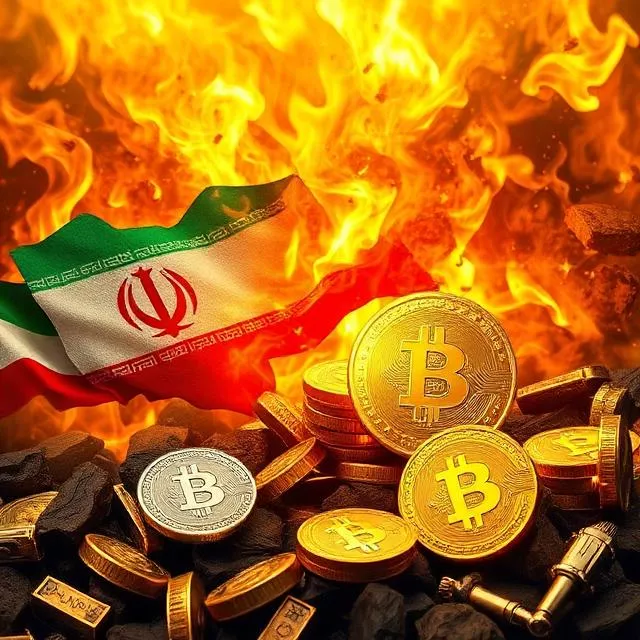
- Bitcoin Performance: BTC has traded near $66,000-$75,000 range, with periods of gains (up ~8-14% in some stretches since war start) while outperforming gold and broader stocks at times. It has been described as an “oasis of calm” amid volatility.
- Why Crypto Held Up: 24/7 trading allowed quick reactions; some investors viewed it as a modern hedge. Ethereum and other assets followed similar patterns with less severe drawdowns than equities or precious metals.
- Volatility Note: Crypto still saw swings, but overall resilience stood out versus gold’s decline.
NRI Insight: Many tech-savvy Indian professionals in the US hold crypto in IRAs, taxable accounts, or as diversification. The relative outperformance offers a bright spot, but regulatory and volatility risks remain. Crypto’s non-correlation with oil-driven inflation has been notable.
Practical Advice: Use only risk capital. Consider dollar-cost averaging if aligned with your strategy, and ensure compliance with US tax rules (e.g., reporting requirements).
Key Takeaways & Outlook for NRIs
- Oil dominates as the clear winner, creating cost-of-living pressure but boosting energy-related holdings.
- Gold and Silver have bucked traditional war-time rallies due to strong dollar, higher yields, and inflation from energy costs — creating potential entry points but near-term headwinds.
- Crypto has surprised positively, acting as a partial hedge in a 24/7 market.
The situation remains fluid. If Strait of Hormuz disruptions ease or diplomatic progress occurs, oil could moderate, potentially supporting rate-cut hopes and lifting gold/silver. Prolonged conflict risks stagflation-like conditions (higher inflation + slower growth), which could further challenge assets.
Actionable Tips for NRIs in USA:
- Review Portfolio: Check exposure in 401(k), IRA, or brokerage accounts. Diversify across asset classes.
- Budget for Inflation: Factor higher fuel and goods costs into monthly planning.
- Long-Term View: Geopolitical events create volatility — focus on your risk tolerance and time horizon.
- Seek Advice: Consult a financial advisor experienced with cross-border NRI finances, taxes, and currency risks (USD vs INR movements influenced by oil).
This Iran war impact on gold, silver, oil, and crypto highlights how global events directly touch NRI wallets. Stay diversified, informed, and prepared.
Analysis based on market data as of late March 2026. Prices fluctuate rapidly — always verify latest figures. This is for informational purposes only and not financial advice.
Published by NRIGlobe.com — Reliable Insights for the Global Indian Diaspora on Finance, Economy, and Life Abroad.
Related Searches: Iran war 2026 gold prices, silver impact NRI investments, oil surge effect on NRIs USA, Bitcoin during Iran conflict, commodity prices 2026 for Indian Americans.
Follow NRIGlobe.com for more updates on how global events affect the Indian community in the United States and worldwide.
Latest NRI News & Global Updates:
Health, Wellness & Lifestyle for NRIs
https://nriglobe.com/health-wellness/
Latest NRI News & Global Updates
https://nriglobe.com/news/
Business & Finance News for NRIs
https://nriglobe.com/business/
Investment Guides for NRIs
https://nriglobe.com/investment/
Jobs & Career Opportunities for NRIs
https://nriglobe.com/jobs/