
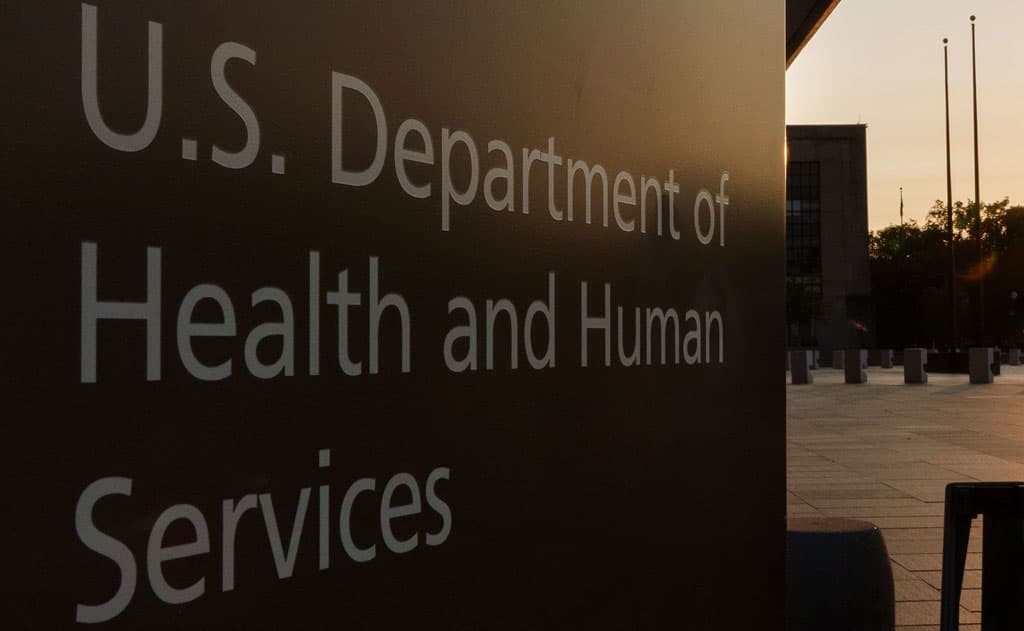
July 23, 2025 – The U.S. Department of Health and Human Services (HHS), under the leadership of Secretary Robert F. Kennedy Jr., has announced a sweeping reform of the nation's organ transplant system. This follows a disturbing investigation that revealed hospitals initiating organ procurement procedures on patients who were still showing signs of life. Terming the revelations "horrifying," Kennedy emphasized the need to restore trust, enhance oversight, and protect patient safety in the donation process.
Investigation Reveals Disturbing Practices
The HHS probe, carried out by the Health Resources and Services Administration (HRSA), focused on federally funded Organ Procurement Organizations (OPOs). A notable target was an OPO operating in Kentucky, Ohio, and West Virginia, now known as the Network for Hope.
Key findings from the investigation:
- 351 organ donation cases were reviewed; 103 (29.3%) had concerning anomalies.
- 73 patients showed signs of brain activity or reflexes during procurement attempts.
- 28 patients may not have been legally deceased when organ retrieval began.
Additional issues included:
- Inadequate neurologic assessments leading to premature organ retrieval.
- Poor communication between OPOs and hospitals.
- Lack of informed consent from families.
- Misclassification of deaths, especially in overdose cases.
These lapses were particularly common in smaller or rural hospitals, exposing critical weaknesses in oversight and coordination.
A Case That Shocked the Nation
The investigation followed several high-profile cases, including one in Kentucky where a patient was nearly harvested alive. Another incident in Alabama (2024) involved a 42-year-old woman whose chest was cut open before doctors realized she was still alive.
Reports from 55 medical professionals across 19 states further revealed unethical donation attempts under the practice known as Donation after Circulatory Death (DCD)—a method that now accounts for nearly half of all U.S. organ donations.
DCD requires a five-minute observation period post-circulatory death, a step some OPOs reportedly skipped, initiating organ retrieval prematurely.
Kennedy and HHS Launch Reforms
On July 21, 2025, Secretary RFK Jr. announced sweeping reforms designed to restore transparency and ethical standards in organ donation.
Major initiatives include:
- Stronger Safety Protocols: Any family member, hospital staff, or OPO employee can now stop the donation process if concerns arise.
- Mandatory Reporting: All donation stoppages due to safety reasons must be reported to federal regulators.
- Updated Policies: OPOs must clearly define donor eligibility and conduct thorough analyses of any protocol violations.
- Independent Oversight: HRSA has ordered an external review of all OPO activities, directly challenging a previous whitewashed report by the Organ Procurement and Transplantation Network (OPTN).
The Network for Hope must submit a corrective plan by July 31, 2025, or face possible decertification.
Broader Context: A System Under Strain
The U.S. organ donation system relies on voluntary participation, with 170 million registered donors but only 3 in 1,000 deaths qualifying for donation. More than 103,000 people remain on transplant waiting lists, with 13 dying daily due to the shortage.
This pressure has led to ethical shortcuts in some cases. Congressional hearings on July 22, 2025 highlighted concerns about bureaucratic failures and the need to modernize the organ procurement infrastructure.
Response from the Organ Donation Community
The Network for Hope maintains it operates within CMS regulations, but has declined to answer specific questions related to the HHS findings. Meanwhile, the Association of Organ Procurement Organizations has pledged cooperation with regulators.
Experts like Dr. Robert Montgomery (NYU Langone) stress the need for strict adherence to ethical protocols, while Dr. Robert Cannon (University of Alabama) urges better communication with families to avoid misinterpretations of reflexes during DCD.
Implications for the NRI Community
For Non-Resident Indians (NRIs) working in healthcare or considering organ donation, the reforms bring several implications:
- Increased transparency may lead to higher donor confidence.
- Stricter protocols could affect hospital workflow and staff training.
- NRIs in rural or underfunded areas may push for improved hospital standards.
- Policy changes may also influence healthcare research, funding, and advocacy roles NRIs are involved in.
As RFK Jr. continues his holistic health and prevention-first approach, NRIs may find both opportunities and challenges ahead.
Looking Ahead: Restoring Trust in Organ Donation
The HHS reforms aim to safeguard human dignity and restore public faith in a life-saving system. By demanding ethical clarity, transparent communication, and clinical vigilance, Secretary Kennedy's initiative hopes to prevent future tragedies and ensure that organ donation remains an act of compassion—not compromise.
Stay informed with NRIGlobe.com for continued updates on HHS policies, transplant reforms, and their impact on the Indian diaspora in the U.S. and worldwide.
Related NRI Globe Coverage
- Major US News This Week (September 14-15, 2026): Supreme Court Blocks Trump Mail Voting Rules, AI Debate Explodes, Space Weapons Confirmed
- Telugu-Origin Men Sampath Rajidi and Sreedhar Mada Plead Guilty in Major H-1B Visa Fraud Case in California – “Dollar Dream” Turns Sour
- Major US News February 2026: Key Events Impacting NRIs
- January 2026 in Europe: Politics, Economy & Security Challenges
- Top Japan News January 2026: Tech, Economy & Climate
- Germany Faces Tough January 2026: Economy, Cold & Tensions
- Top US News January 2026: Politics, Storms & Society
- Hinduism in the USA 2026: Major Temples, Festival Calendars & Raising
Fresh from NRI Globe
- YouTuber Nandu's World (Rama Nandana) UK Visa & Job Fraud Case: Full Details + Key Lessons for NRIs (2026)
- Dussehra / Vijayadashami 2026 Events Country-Wise — Global NRI Directory (Ram Lila, Ravana Dahan, Durga Puja Pandals, Ayudha Puja Venues + Booking)
- Diwali 2026 Events Country-Wise — Global NRI Directory (White House, Leicester, London Trafalgar, Toronto, Auckland, Sydney Parramasala, Fiji, Mauritius, Trinidad, South Africa and More)
- Diwali / Deepavali 2026 Country-Wise NRI Celebrations — Complete Global Guide (USA, UK, Canada, Australia, Fiji, Mauritius, Trinidad, South Africa, UAE and 30+ Countries)