
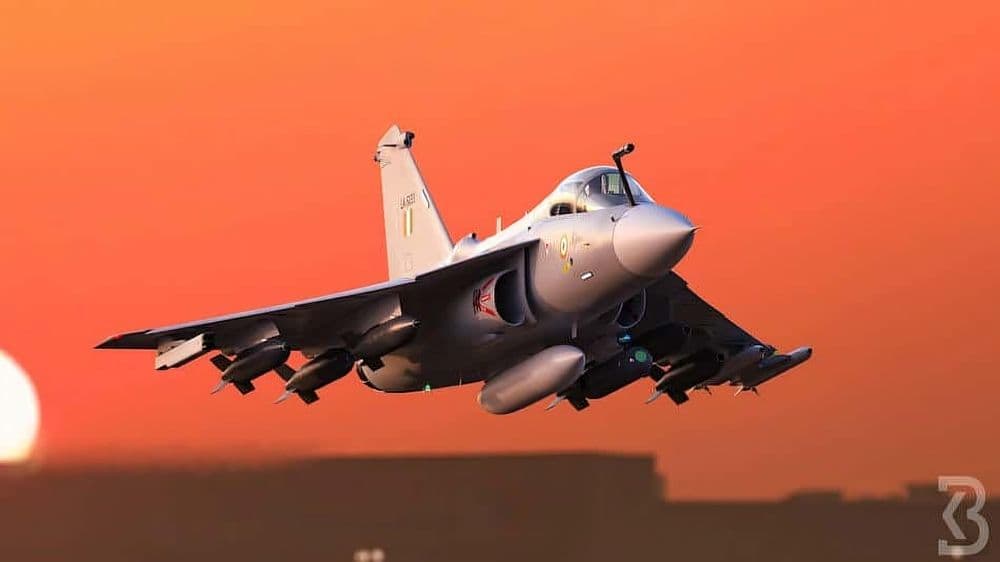
India Clears Rs 62,000 Crore Deal for 97 LCA Tejas Mark 1A Fighter Jets
In a landmark decision to bolster the Indian Air Force (IAF) and advance the nation’s self-reliance in defense manufacturing, the Indian government has approved a Rs 62,000 crore ($7.4 billion) deal to procure 97 Light Combat Aircraft (LCA) Tejas Mark 1A fighter jets. The approval, granted during a high-level meeting on August 19, 2025, paves the way for Hindustan Aeronautics Limited (HAL) to commence production, marking a significant milestone in India’s “Make in India” and “Aatmanirbhar Bharat” (Self-Reliant India) initiatives.
A Boost for Indigenous Defense Manufacturing
This acquisition is the second major order for the LCA Mark 1A, following a previous contract in February 2021 for 83 jets valued at Rs 48,000 crore. With this new order, the total number of LCA Mark 1A jets on order for the IAF now stands at 180, positioning the Tejas as the backbone of the IAF’s fighter fleet in the coming years. The deal is set to replace the IAF’s aging fleet of Soviet-era MiG-21s, which are scheduled to be phased out in the coming weeks, ensuring a modernized and capable air force.
The LCA Tejas Mark 1A, designed by the Aeronautical Development Agency (ADA) and manufactured by HAL, is a modern multirole fighter equipped with advanced avionics, an Active Electronically Scanned Array (AESA) radar, electronic warfare suites, self-protection jammers, and beyond-visual-range (BVR) missile capabilities. With over 65% indigenous content, the aircraft exemplifies India’s push for self-reliance in aerospace and defense manufacturing. The program is expected to generate significant business for over 500 Indian companies, including micro, small, and medium enterprises (MSMEs), fostering job creation and technological innovation across the country.
Strategic and Economic Implications
The Rs 62,000 crore deal is not only a military acquisition but also a catalyst for India’s aerospace industry. HAL has expanded its production capacity to meet the growing demands of the IAF, with two production lines in Bengaluru capable of producing 16 jets annually and a third line in Nashik, inaugurated in April 2023, adding capacity for eight more jets per year. By 2026, HAL aims to manufacture up to 24 Tejas Mark 1A jets annually. However, concerns have been raised about HAL’s ability to meet delivery timelines, with delays in the initial batch of 83 jets attributed to supply chain issues and pending certifications for the General Electric F404 engines that power the Tejas.
The program has garnered strong support from Prime Minister Narendra Modi, who has been a vocal advocate for HAL’s revival. Modi made history by undertaking a sortie in the trainer variant of the Tejas, becoming the first Indian Prime Minister to fly in a combat aircraft, underscoring the government’s commitment to indigenous defense projects. The deal also aligns with recent policy shifts to encourage private-sector participation in defense manufacturing, with companies like Larsen & Toubro and Dynamatic Technologies expected to play a significant role in the Tejas supply chain.
Challenges and Criticisms
Despite the enthusiasm surrounding the deal, challenges remain. Critics have pointed out deficiencies in the LCA Mark 1A, such as the absence of a Missile Approach Warning System (MAWS), and have questioned HAL’s production efficiency, citing delays in delivering the initial 83 jets. Some experts argue that the IAF should prioritize the development and production of the more advanced LCA Mark 2, which offers greater range, endurance, and payload capacity, rather than ordering additional Mark 1A jets. Additionally, the reliance on General Electric F404 engines has raised concerns about supply chain vulnerabilities, with calls for faster development of indigenous engines or technology transfers from partners like Safran or Rolls-Royce.
Future Prospects and Export Potential
The Tejas program is poised for further expansion, with HAL expected to secure contracts for over 200 LCA Mark 2 jets and a similar number of fifth-generation Advanced Medium Combat Aircraft (AMCA) in the future. The program has also attracted international interest, with countries like Argentina, Nigeria, Egypt, and the Philippines exploring the Tejas as a cost-effective alternative to other fighter jets like the F-16, JF-17, and Gripen. However, HAL’s ability to meet export commitments alongside domestic demands will depend on addressing production bottlenecks and engine supply issues.
A Symbol of Self-Reliance
The approval of the Rs 62,000 crore deal for 97 LCA Tejas Mark 1A jets marks a pivotal moment for India’s defense and aerospace sectors. By replacing outdated MiG-21s with a modern, indigenously developed fighter, India is not only strengthening its air force but also asserting its technological prowess on the global stage. The program’s success will hinge on HAL’s ability to deliver on time and address technical shortcomings, but its broader impact—driving economic growth, empowering MSMEs, and reducing reliance on foreign defense imports—is undeniable. As India continues to invest in indigenous defense solutions, the Tejas program stands as a flagbearer of the nation’s self-reliance and ambition in the aerospace domain.
Continue reading — NRI Globe pillar guide: H-1B Complete Guide for Indians 2026
Related NRI Globe Coverage
- UK Visa Changes for Indians 2026: GBM, ILR & Trade Deal Guide
- Iran War Latest Updates April 2026: US Fighter Jet Shot Down, Trump Warns of More Strikes, Strait of Hormuz Crisis Deepens
- The Raja Saab Worldwide Day 1 Box Office Collection: Prabhas Delivers Massive ₹100.9 Crore Opening – In-Depth Breakdown, Records & Complete Analysis
- Madras High Court Clears Path for Thalapathy Vijay's Jana Nayagan
- Rajinikanth's Coolie ₹500+ Crore Domination, Surprise Hits Like Dragon
- Rwanda Agrees to Accept Up to 250 U.S. Deportees in New Migration Deal
- NASA Busts Viral Eclipse Hoax: The Real Deal on August 2, 2027
- Trump Postpones India Tariff, Imposes 35% Tariff on Canada: Trade Deal Progress Falls Short
Fresh from NRI Globe
- YouTuber Nandu's World (Rama Nandana) UK Visa & Job Fraud Case: Full Details + Key Lessons for NRIs (2026)
- Dussehra / Vijayadashami 2026 Events Country-Wise — Global NRI Directory (Ram Lila, Ravana Dahan, Durga Puja Pandals, Ayudha Puja Venues + Booking)
- Diwali 2026 Events Country-Wise — Global NRI Directory (White House, Leicester, London Trafalgar, Toronto, Auckland, Sydney Parramasala, Fiji, Mauritius, Trinidad, South Africa and More)
- Diwali / Deepavali 2026 Country-Wise NRI Celebrations — Complete Global Guide (USA, UK, Canada, Australia, Fiji, Mauritius, Trinidad, South Africa, UAE and 30+ Countries)