

TL;DR
- Israel announced daily "tactical pauses" in Gaza areas to allow humanitarian aid delivery during specified hours.
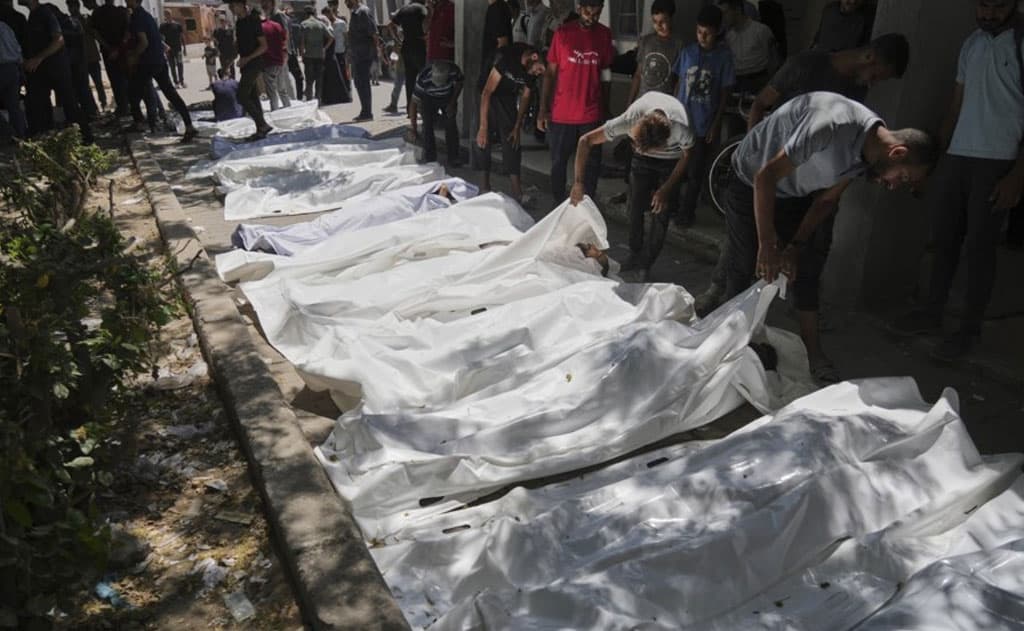
- Reports indicate hundreds of thousands of people face acute food insecurity, with documented deaths from malnutrition since the conflict began.
- Over 100 aid organizations, including Doctors Without Borders and Oxfam, say pauses and airdrops are insufficient; they demand unrestricted land-based aid access.
- Truck deliveries have declined sharply from pre-war levels, while significant aid stockpiles remain blocked outside Gaza.
- A lasting ceasefire and lifting of Israel's blockade are essential to prevent further deaths, experts warn.
What Israel Announced on July 27
In late July 2025, the Israeli military announced daily "tactical pauses" in fighting across designated areas of Gaza from 10 a.m. to 8 p.m. local time. The stated aim was to facilitate humanitarian aid deliveries and coordinate with the United Nations and international organizations. The IDF resumed airdrops of flour, sugar, and canned food and established "secure routes" for UN convoys to deliver medicine. According to reports, Israel announced military pauses in three Gaza areas, marking what officials characterized as a significant shift in operational strategy.
However, the IDF emphasized that combat operations against Hamas and other militant groups would continue in other parts of Gaza, with most of the territory still designated as a "dangerous combat zone." Details about what these tactical pauses entail and their scope remain subject to ongoing clarification. Recent strikes and clashes in the pause-designated areas have raised concerns about the effectiveness of these measures. The limited geographic scope of the pauses means that large portions of Gaza remain subject to active military operations, constraining the overall humanitarian benefit of the announced measures. Military officials have indicated that the pauses are tactical in nature, designed to achieve specific operational objectives rather than represent a broader commitment to reducing hostilities across the territory.
The Scale of Gaza's Starvation Crisis
The humanitarian situation in Gaza has deteriorated severely over the 21 months since October 7, 2023, when a Hamas-led attack killed 1,200 people and took 251 hostages in southern Israel. Israel's subsequent military campaign and blockade have resulted in over 59,000 Palestinian deaths, with more than half being women and children. The destruction of Gaza's infrastructure has left the population heavily reliant on humanitarian aid, with limited capacity for local food production or distribution. The scale of infrastructure damage extends beyond immediate military targets to include water treatment facilities, power generation systems, and transportation networks that are essential for humanitarian operations.
According to the Integrated Food Security Phase Classification (IPC), hundreds of thousands of people face acute food insecurity, with reports indicating the entire population experiencing some degree of food scarcity. Multiple sources document deaths from malnutrition since the war began, with recent reports indicating a sharp rise in starvation-related mortality. The harrowing reality includes parents reporting children crying themselves to sleep from hunger and hospitals overwhelmed with malnourished patients. Medical professionals working in Gaza describe unprecedented levels of pediatric malnutrition, with children presenting severe wasting and stunting. The prevalence of acute malnutrition among children under five has reached levels that humanitarian organizations characterize as catastrophic, exceeding thresholds that typically trigger emergency declarations. Nutritional deficiencies are compounding existing health vulnerabilities, making populations more susceptible to infectious diseases and reducing the body's capacity to fight off infections. The combination of malnutrition and disease creates a particularly lethal environment where mortality rates from preventable causes have risen dramatically.
The Blockade and the Role of the Gaza Humanitarian Foundation
Since March 2025, Israel imposed an 11-week blockade on all aid, exacerbating food insecurity. By late May, limited aid resumed through the Gaza Humanitarian Foundation (GHF), a U.S.- and Israel-backed entity that replaced UN-led distribution. The GHF's model has been heavily criticized by humanitarian organizations for its inefficiency and lack of transparency. The transition from UN-managed aid distribution to the GHF represented a significant departure from established humanitarian protocols and raised concerns among international observers about accountability and equitable distribution mechanisms.
The GHF has been criticized for operating aid sites where Palestinians have been killed by Israeli forces while seeking food. Reports from humanitarian monitors indicate that aid distribution sites have become dangerous locations where civilian casualties occur during distribution efforts. Aid workers describe these sites as chaotic and overwhelmed, with accounts of Israeli forces firing on crowds seeking assistance. The concentration of desperate people at aid distribution points, combined with ongoing military operations in surrounding areas, has created what aid organizations characterize as inherently unsafe conditions for civilians attempting to obtain food. The psychological impact on populations forced to choose between hunger and physical danger has been documented by mental health professionals working in Gaza. Families report making impossible decisions about whether to risk attending aid distribution sites or remain in shelters without food. This dynamic has effectively created a situation where humanitarian assistance itself becomes a source of danger rather than relief.
Why Humanitarian Organizations Say Pauses Are Insufficient
Leadership at major UN agencies and international humanitarian organizations have criticized the tactical pause approach as inadequate. Live coverage and reporting indicate ongoing concerns about the sufficiency of current humanitarian measures. Significant quantities of aid remain stockpiled in Egypt and Jordan, but Israel's restrictions prevent its entry into Gaza. These blocked supplies represent a critical bottleneck in the humanitarian response. The accumulation of supplies outside Gaza's borders underscores the degree to which access restrictions, rather than supply availability, constitute the primary constraint on humanitarian assistance.
Organizations working on the crisis in Gaza have documented the scale of humanitarian need and the inadequacy of current response mechanisms. Over 100 aid agencies, including Doctors Without Borders, Oxfam, and Amnesty International, issued a joint statement accusing Israel of blocking aid distribution and exacerbating the crisis. The World Health Organization has characterized the situation as resulting from policies that severely restrict humanitarian access. International medical organizations emphasize that the current approach cannot reverse the deepening food insecurity. The cumulative effect of restrictions on aid volume, distribution methods, and access routes has created a situation where humanitarian organizations describe their capacity to respond as fundamentally constrained by factors beyond their operational control.
The core complaint centers on the volume and method of aid delivery. Truck deliveries have declined dramatically from pre-war levels, with daily averages falling to a fraction of what was required to meet population needs. Humanitarian groups argue that only a significant increase in land-based truck deliveries can avert widespread famine. Airdrops, by contrast, deliver minimal quantities and cannot sustain a population of 2.1 million. The logistical constraints of aerial delivery mean that only a fraction of the population's caloric needs can be met through this method, making it unsuitable as a primary humanitarian response mechanism. The efficiency differential between truck-based and aerial delivery is substantial, with trucks capable of transporting significantly larger quantities at lower cost per unit delivered. Humanitarian organizations have calculated that current airdrop volumes would require decades to deliver the quantity of food needed to address current shortages, making this approach fundamentally inadequate as a sustained response mechanism.
International Pressure and Diplomatic Stalemate
International pressure has intensified. Multiple countries have issued statements criticizing the pace and volume of aid entering Gaza. Some allies have announced plans to recognize a Palestinian state, signaling a shift in diplomatic stance. The international response reflects growing frustration with the humanitarian trajectory and concerns about the long-term consequences of prolonged food insecurity for regional stability and international relations.
However, Israel and the U.S. have rejected these criticisms, blaming Hamas for prolonging the conflict and alleging it interferes with aid distribution. Ceasefire talks, mediated in Qatar, have stalled. Reports indicate that negotiations have broken down, with both sides blaming the other for the impasse. Hamas insists on a permanent ceasefire and Israeli withdrawal, while Israel vows to continue fighting until Hamas is defeated. The lack of a lasting truce further dims hopes for a significant increase in aid. Without resolution of the underlying conflict, humanitarian organizations warn that temporary measures like tactical pauses cannot address the structural causes of the food crisis. The diplomatic stalemate reflects fundamental disagreements about the conditions necessary for conflict resolution, with each party maintaining positions that the other views as unacceptable preconditions for negotiation.
Infrastructure Collapse and Secondary Crises
Beyond starvation, Gaza faces cascading humanitarian emergencies. Significant portions of water systems and housing have been destroyed, compounding the crisis with dehydration and disease outbreaks including hepatitis and diarrhea. Aid workers and journalists in Gaza report struggling with hunger themselves, with accounts of dizziness and fainting. Hospitals are overwhelmed not only with malnourished patients but also with those suffering from preventable diseases exacerbated by the collapse of public health infrastructure. The combination of malnutrition and infectious disease creates a particularly lethal environment, especially for children and elderly populations. Water scarcity forces residents to consume contaminated water sources, further spreading waterborne illnesses. Medical professionals describe a situation where they lack the resources to treat even basic conditions, as the health system has been devastated by the conflict and blockade. The absence of functional sewage systems has created public health hazards that compound the effects of malnutrition. Sanitation facilities in displacement camps and shelters are inadequate, creating conditions conducive to rapid disease transmission. Healthcare workers report that they are unable to provide adequate nutrition to patients, even those hospitalized for other conditions, as institutional food supplies have been depleted or severely restricted.
Legal and Ethical Dimensions
Critics, including Human Rights Watch, have raised concerns about whether starvation policies may constitute violations of international humanitarian law. Israeli officials have stated that limited aid is allowed to prevent epidemics that could halt military operations. Humanitarian groups argue this reflects a policy of collective punishment, which violates international humanitarian law. The legal framework governing humanitarian access during armed conflict is established through the Geneva Conventions and their Additional Protocols, which impose obligations on occupying powers to ensure civilian populations have access to food and medical supplies.
The distinction between military necessity and collective punishment remains contested. International law permits restrictions on aid only when necessary for legitimate military purposes and proportionate to those purposes. Humanitarian organizations contend that the near-total blockade for 11 weeks and the current restrictions far exceed any legitimate military threshold. Legal experts point out that international humanitarian law requires occupying powers to ensure the population's basic needs are met, and that deliberate starvation of civilians is prohibited under the Geneva Conventions. The debate over whether current policies meet these legal standards has become increasingly prominent in international forums and among legal scholars. Legal scholars have noted that the duration and scope of restrictions on aid access raise questions about proportionality and whether measures ostensibly justified by military necessity have become ends in themselves. The involvement of international actors in facilitating or acquiescing to these restrictions has also raised questions about potential secondary liability under international law.
Next Steps
Humanitarian organizations and the UN are calling for three immediate actions: (1) unrestricted land-based aid access through established UN channels, not the GHF; (2) a return to pre-war levels of truck deliveries; and (3) a lasting ceasefire to enable sustained humanitarian operations. The WHO and other agencies emphasize that only comprehensive measures can prevent further deaths and avert a complete famine. International pressure on Israel to lift its blockade and on Hamas to accept ceasefire terms is likely to intensify as reports of starvation-related deaths mount. The humanitarian community has made clear that temporary tactical pauses, while welcome, cannot substitute for the structural changes needed to address the underlying crisis. Without a fundamental shift in policy regarding aid access and the continuation of hostilities, organizations warn that the situation will continue to deteriorate, with consequences that extend far beyond immediate hunger to include long-term health impacts and demographic consequences for Gaza's population. The window for preventing irreversible harm to the population's health and development is narrowing, with humanitarian organizations emphasizing that delays in implementing comprehensive solutions carry costs that will be measured in lives and long-term suffering.