
Introduction to Kerala's Classroom Innovation
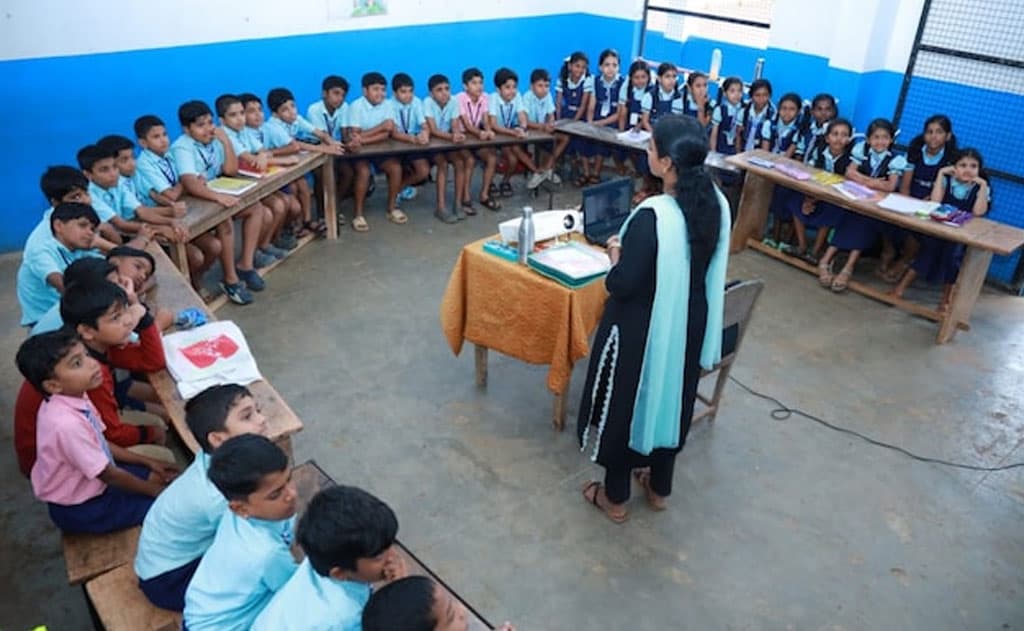
In a groundbreaking move inspired by the Malayalam film Sthanarthi Sreekuttan, schools across Kerala, India, are transforming traditional classroom setups by adopting a U-shaped or semicircular seating arrangement. This innovative approach eliminates the concept of "backbenchers," ensuring every student is equally engaged and visible to the teacher. With this model gaining traction, it’s time for educators in the USA to take note of this inclusive, student-centered approach that fosters equality, boosts participation, and enhances learning outcomes.
What Is the U-Shaped Seating Arrangement?
Unlike the conventional row-based classroom layout, where students are divided into frontbenchers and backbenchers, the U-shaped seating arrangement places students in a semicircle with the teacher at the center. This setup ensures:
- Equal Visibility: Every student is within the teacher’s line of sight, reducing the chance of anyone feeling overlooked.
- Increased Engagement: The open arc encourages face-to-face interaction, fostering active participation.
- Inclusivity: The design eliminates the stigma of being a "backbencher," promoting a sense of equality among students.
This concept, inspired by a pivotal scene in Sthanarthi Sreekuttan, has been adopted by at least eight schools in Kerala, including RVV Higher Secondary School in Kollam and RCC LPS East Mangad in Thrissur, and even one school in Punjab.
Why This Matters for Education
The traditional classroom setup often creates a hierarchy where frontbenchers are perceived as studious and backbenchers as disengaged or disruptive. This can negatively impact students’ self-esteem and academic performance. Kerala’s new seating model addresses these issues by:
- Promoting Inclusivity: Every student feels valued and included, reducing psychological barriers to learning.
- Enhancing Teacher-Student Interaction: Teachers can monitor and engage with all students equally, leading to better classroom dynamics.
- Improving Academic Outcomes: Schools like RCC LPS in Wadakkanchery report noticeable improvements in student focus and academic performance.
As one teacher, Meera, with 29 years of experience, noted, “I am able to attend to each of the students in the classroom, and give better care to each of them. The students are also happy as they see the faces of all students in the classroom and also pay close attention to the teacher.”
Lessons for American Schools
The USA’s education system, while advanced in many areas, can benefit from adopting Kerala’s innovative seating model. Here’s why this approach could work in American classrooms:
- Fostering Equity in Diverse Classrooms: With the USA’s diverse student population, ensuring every child feels seen and valued is critical. The U-shaped layout promotes inclusivity, which aligns with the goals of equitable education.
- Encouraging Active Participation: American educators often emphasize student engagement. This seating arrangement naturally encourages discussion and collaboration, key components of modern teaching methods like project-based learning.
- Reducing Behavioral Issues: By minimizing the physical and psychological distance between students and teachers, the model can reduce disruptive behavior, a common challenge in many US schools.
- Adaptable to Various Class Sizes: While best suited for smaller classes (20–30 students), schools like RVV HSS have adapted the layout for classes with up to 40 students by tweaking the shape without compromising the core idea.
Challenges and Considerations for Implementation
While the U-shaped seating model offers significant benefits, implementing it in the USA may come with challenges:
- Classroom Size and Infrastructure: Larger class sizes (common in some US public schools) and fixed furniture may require creative adjustments or investments in flexible classroom designs.
- Teacher Training: Educators may need training to adapt their teaching methods to a more interactive, student-centered setup.
- Cultural Adaptation: The model’s success in Kerala is partly due to its cultural context. US schools would need to tailor the approach to fit local educational norms.
Despite these challenges, the model’s flexibility, as demonstrated in Kerala, suggests it can be adapted to various settings. For instance, schools with larger classes can explore modified versions, such as V-shaped or circular layouts, to maintain the principle of equal attention.
The Role of Inspiration: From Film to Reality
The catalyst for this change, Sthanarthi Sreekuttan, highlights the power of storytelling in driving educational reform. Directed by Vinesh Viswanath, the film’s climax features a student proposing the semicircular seating to bridge the divide between frontbenchers and backbenchers. After its release on the OTT platform Saina Play in June 2025, schools began adopting the model, with social media posts showcasing the new setups.
This initiative also draws from historical precedents, such as the District Primary Education Programme (DPEP) in India, which advocated for flexible seating arrangements in the 1990s. Its revival through a modern film underscores the potential for creative media to inspire real-world change.
How US Schools Can Get Started
For American educators interested in adopting this model, here are practical steps to consider:
- Pilot in Smaller Classes: Start with primary or smaller classes to test the U-shaped layout and gather feedback.
- Engage Stakeholders: Involve teachers, students, and parents in discussions to ensure buy-in and address concerns.
- Invest in Flexible Furniture: Use modular desks or chairs that can be easily rearranged to suit different classroom activities.
- Leverage Technology: Combine the seating model with interactive tools like smartboards to enhance engagement.
- Monitor and Evaluate: Collect data on student participation, behavior, and academic performance to assess the model’s impact.
Conclusion: A Step Toward Inclusive Education
Kerala’s shift to U-shaped classroom seating is a simple yet powerful innovation that challenges traditional hierarchies and promotes inclusive learning. For the USA, where equity and engagement are key priorities, this model offers a practical solution to create classrooms where every student has a front-row seat to education. By drawing inspiration from Kerala’s success, American schools can take a step toward fostering environments rooted in equality, collaboration, and mutual respect.
Ready to rethink your classroom setup? Explore how small changes can make a big impact on student success!ko
Related NRI Globe Coverage
- Kerala Tourists Drown in Arunachal’s Frozen Sela Lake: What Happened in Tawang
- Greece Closes Over 700 Schools Amid Deepening Demographic Crisis
- NRI Voting Rights: Kerala Pioneers E-Ballot Pilot for 2026 Assembly Elections
- YouTuber Nandu's World (Rama Nandana) UK Visa & Job Fraud Case: Full Details + Key Lessons for NRIs (2026)
- US Crime News 2026 — Top Trend Categories NRIs Are Watching (Organized Retail Theft, Auto Theft, Cybercrime, Hate Crimes, Fentanyl, AI-Enabled Fraud)
- US Crime & Safety This Week — September 17-21, 2026 (NRI Family Guide, FBI Alerts, H-1B/Immigration Scams, Tech Support Fraud, Emergency Resources)
- Japan's Centenarian Population Surpasses 100,000 for the First Time in History
- Major US News This Week (September 14-15, 2026): Supreme Court Blocks Trump Mail Voting Rules, AI Debate Explodes, Space Weapons Confirmed
Fresh from NRI Globe
- Dussehra / Vijayadashami 2026 Events Country-Wise — Global NRI Directory (Ram Lila, Ravana Dahan, Durga Puja Pandals, Ayudha Puja Venues + Booking)
- Diwali 2026 Events Country-Wise — Global NRI Directory (White House, Leicester, London Trafalgar, Toronto, Auckland, Sydney Parramasala, Fiji, Mauritius, Trinidad, South Africa and More)
- Diwali / Deepavali 2026 Country-Wise NRI Celebrations — Complete Global Guide (USA, UK, Canada, Australia, Fiji, Mauritius, Trinidad, South Africa, UAE and 30+ Countries)
- Dussehra / Vijayadashami 2026 Country-Wise NRI Celebrations — USA, UK, Canada, Australia, New Zealand, UAE, Singapore, Germany, Netherlands and More