
TL;DR
- Five individuals—including two current police chiefs—were indicted on July 16, 2025, for a decade-long visa fraud scheme in Louisiana.
- The group falsified police reports to help noncitizens obtain U visas (reserved for crime victims), charging $5,000 per fraudulent report.
- The scheme generated "hundreds" of false armed robbery reports between December 2015 and July 2025.
- Defendants face up to 10 years per visa fraud count, 20 years per mail fraud count, and potential asset forfeiture.
- The case exposes vulnerabilities in the U visa program, which a 2021 USCIS audit flagged for weak verification of law enforcement certifications.
The Visa Fraud Scheme Exposed
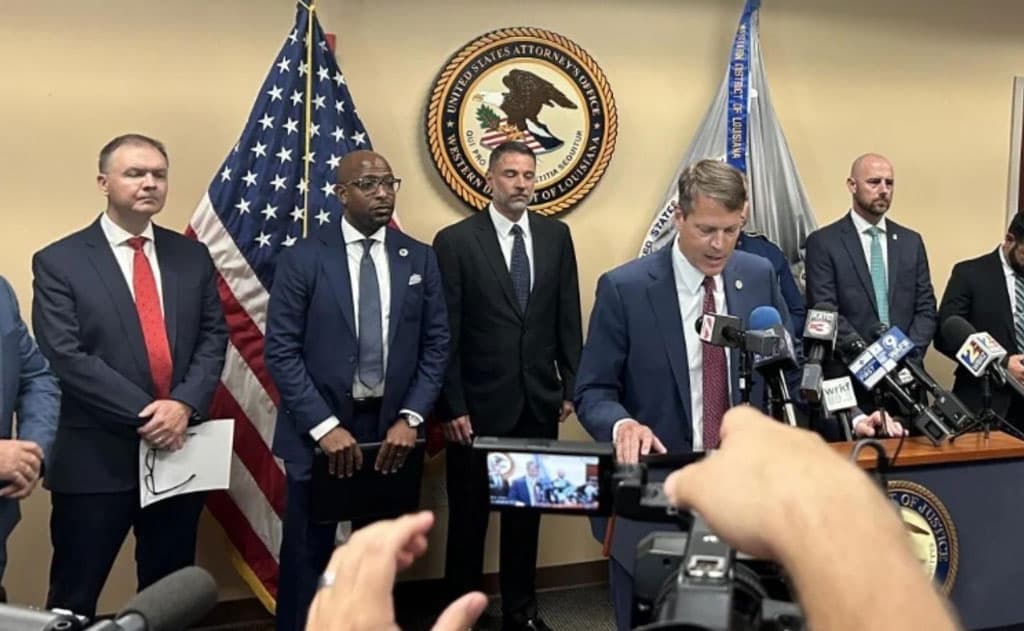
On July 16, 2025, federal prosecutors announced a 62-count indictment against five individuals for operating a decade-long visa fraud conspiracy in central Louisiana. The defendants—including two sitting police chiefs and a local businessman—allegedly falsified police reports to enable noncitizens to apply for U nonimmigrant visas, a program reserved for victims of serious crimes who cooperate with law enforcement.
According to CBS News, the scheme ran from December 26, 2015, to at least July 15, 2025. Acting U.S. Attorney Alexander C. Van Hook stated that the defendants created fake reports claiming immigrants were victims of armed robberies that never occurred. Each fraudulent report netted the law enforcement officials $5,000. The operation generated "hundreds of names," indicating substantial scale.
The U visa program, established in 2000 under the Victims of Trafficking and Violence Protection Act, was designed to protect crime victims who assist law enforcement and provide a pathway to temporary legal residency and eventual citizenship. However, a 2021 U.S. Citizenship and Immigration Services audit identified critical vulnerabilities: unverified law enforcement signatures and poor tracking of case outcomes made the program susceptible to fraud.
The Five Defendants and Charges
A federal grand jury in Shreveport indicted the following individuals on charges ranging from conspiracy to money laundering:
| Name | Position | Primary Charges | Max Sentence |
|---|---|---|---|
| Chandrakant "Lala" Patel | Oakdale businessman; Subway restaurant owner | Conspiracy, visa fraud, bribery, mail fraud, money laundering | 50+ years (bribery adds 10 years) |
| Chad Doyle | Current Oakdale Police Chief | Conspiracy, 6 counts visa fraud, 6 counts mail fraud | 70 years |
| Glynn Dixon | Current Forest Hill Police Chief | Conspiracy, 6 counts visa fraud, 6 counts mail fraud | 70 years |
| Tebo Onishea | Former Glenmora Police Chief | Conspiracy, 6 counts visa fraud, 6 counts mail fraud | 70 years |
| Michael "Freck" Slaney | Ward 5 Marshal, Oakdale | Conspiracy, 6 counts visa fraud, 6 counts mail fraud | 70 years |
Patel, identified as the scheme's architect, allegedly coordinated with immigrants seeking U visas, charged them thousands of dollars, and distributed payments to law enforcement officials for false reports. According to ABC News, Patel also faces additional bribery charges for allegedly paying $5,000 to the Rapides Parish Sheriff's Office in February 2025 for a fraudulent report.
If convicted on all counts, each defendant faces penalties including up to 5 years for conspiracy, 10 years per visa fraud count, and 20 years per mail fraud count. Fines reach $250,000 per count. Money laundering convictions could result in forfeiture of bank accounts, real estate, and vehicles.
Investigation and Arrests
Homeland Security Investigations, the FBI, IRS Criminal Investigation, Louisiana State Police, and the Rapides Parish Sheriff's Office jointly conducted the investigation. On July 14, 2025, authorities arrested the defendants. Two police chiefs were apprehended at a Baton Rouge hotel during the Louisiana Association of Chiefs of Police conference—a detail that underscored the operation's brazenness.
Federal agents executed searches at the defendants' residences, multiple police departments, and Patel's Subway restaurant in Oakdale. According to The Journal, ICE and FBI agents were observed entering the homes of Doyle and Dixon, signaling the investigation's intensity and federal priority.
Acting U.S. Attorney Van Hook clarified that the charges target individual officers, not entire departments. "We are not alleging that these are corrupt police departments," he stated. Rapides Parish Sheriff Mark Wood expressed dismay: "It saddens me to have any fellow law enforcement officers caught up in crimes." The investigation remains ongoing, with Van Hook declining to comment on whether additional charges or immigration status changes might follow for those who paid bribes.
Regional Factors and Vulnerability
Central Louisiana's unique geography created conditions that enabled the scheme. The state hosts nine ICE detention facilities holding nearly 7,000 immigrants—despite Louisiana having no international border. This concentration of detained immigrants, many facing deportation, created demand for U visas as an escape route.
The false reports created an "unusual concentration of armed robberies" involving non-Louisiana residents, according to the Los Angeles Times. This statistical anomaly triggered investigator scrutiny. Oakdale officials issued a statement on July 15, 2025, pledging full cooperation with authorities. Social media posts on X reflected public outrage, with users calling for severe penalties and describing the scheme as an egregious abuse of a humanitarian immigration tool.
Systemic Vulnerabilities in the U Visa Program
The U visa program issued approximately 10,000 visas in the 12 months ending September 30, 2022. It serves genuine crime victims—survivors of domestic violence, trafficking, robbery, and other serious offenses—who assist law enforcement investigations. Van Hook acknowledged the program's legitimate purpose: "U visas serve a valuable purpose, and this is a case where they were abused."
The 2021 USCIS audit identified specific weaknesses. Law enforcement certifications lacked robust verification mechanisms. Case outcome tracking was inadequate. No systematic cross-checks existed to detect patterns of fraudulent reports from specific jurisdictions. These gaps allowed the Louisiana scheme to operate for a decade before detection.
The Trump administration's emphasis on immigration enforcement, including a new Homeland Security Task Force, likely intensified scrutiny of such schemes. The Hill reported that the administration has historically criticized U visa protections, viewing them as potential loopholes for undocumented immigration. This case may fuel calls for tighter oversight, though heightened restrictions risk deterring genuine crime victims from cooperating with law enforcement.
Broader Pattern of Visa Fraud
This Louisiana case is not isolated. In May 2025, two Texas residents were indicted for a large-scale scheme involving fraudulent EB-2, EB-3, and H-1B visa applications, with USCIS assisting the investigation. In March 2023, an individual named Chandrakant Patel in New York pleaded guilty to staging armed robberies across multiple states to secure U visas—a parallel scheme that highlights the program's recurring vulnerability.
These cases reveal a pattern: fraudsters exploit the reliance on law enforcement certifications and the difficulty of verifying whether alleged crimes actually occurred. The Louisiana scheme's scale and duration—ten years, hundreds of false reports, five perpetrators including three police chiefs—demonstrates how systemic the problem can become when institutional gatekeepers are compromised.
Next Steps
The defendants' cases will proceed through federal court in Shreveport. Preliminary hearings and plea negotiations may occur in coming months. The investigation remains open; authorities have not ruled out additional charges. USCIS and DHS will likely review the cases of immigrants who obtained U visas through fraudulent reports, potentially initiating deportation proceedings or visa revocations. Congress may consider legislative reforms to strengthen law enforcement certification verification and case outcome tracking. The Louisiana Association of Chiefs of Police and state law enforcement agencies may implement additional oversight protocols.
Sources
- CBS News — Louisiana Police Chiefs Charged in Visa Fraud Scheme
- ABC News — Louisiana Police Chiefs Arrested in Fake Visa Scheme
- Los Angeles Times — Feds Charge Louisiana Police Chiefs in Visa Fraud Scheme
- PBS NewsHour — Feds Charge Five in Louisiana Visa Fraud Scheme
- The Journal — Feds Charge Five in Louisiana Visa Fraud Scheme
- The Hill — Louisiana Law Enforcement Officers Charged in Visa Fraud
Continue reading — NRI Globe pillar guide: H-1B Complete Guide for Indians 2026
Related NRI Globe Coverage
- Subway Owner Arrested in Massive U-Visa Fraud Scheme in Louisiana
- AP Police Reportedly Initiate Lookout Notices Against 'Nandu's World' YouTuber Couple in Alleged UK Visa Scam
- YouTuber Nandu's World (Rama Nandana) UK Visa & Job Fraud Case: Full Details + Key Lessons for NRIs (2026)
- UAE Golden Visa Latest Updates 2026: What Indians Should Know
- Telugu-Origin Men Sampath Rajidi and Sreedhar Mada Plead Guilty in Major H-1B Visa Fraud Case in California – “Dollar Dream” Turns Sour
- JD Lakshminarayana’s Wife Victim of ₹2.58 Crore Fake Stock Trading Scam
- Surrogacy Scam Shocker: Southern California Couple Arrested, 21 Children Rescued from Alleged Nationwide Scheme
- US Crime & Safety This Week — September 17-21, 2026 (NRI Family Guide, FBI Alerts, H-1B/Immigration Scams, Tech Support Fraud, Emergency Resources)
Fresh from NRI Globe
- Dussehra / Vijayadashami 2026 Events Country-Wise — Global NRI Directory (Ram Lila, Ravana Dahan, Durga Puja Pandals, Ayudha Puja Venues + Booking)
- Diwali 2026 Events Country-Wise — Global NRI Directory (White House, Leicester, London Trafalgar, Toronto, Auckland, Sydney Parramasala, Fiji, Mauritius, Trinidad, South Africa and More)
- Diwali / Deepavali 2026 Country-Wise NRI Celebrations — Complete Global Guide (USA, UK, Canada, Australia, Fiji, Mauritius, Trinidad, South Africa, UAE and 30+ Countries)
- Dussehra / Vijayadashami 2026 Country-Wise NRI Celebrations — USA, UK, Canada, Australia, New Zealand, UAE, Singapore, Germany, Netherlands and More