
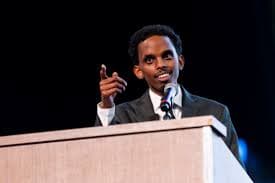
Minneapolis, MN – Former State Senator Omar Fateh has clinched the Democratic-Farmer-Labor Party (DFL) endorsement for Minneapolis Mayor, securing strong majority support among delegate voters and defeating incumbent Mayor Jacob Frey. The result signals a significant shift in the city's political landscape and reflects growing party support for progressive leadership on housing, public safety, and equity issues.
TL;DR
- Omar Fateh won the DFL endorsement for Minneapolis mayor with strong majority support from delegate votes, defeating incumbent Jacob Frey.
- His platform prioritizes affordable housing expansion, community-led public safety reform, and policies addressing systemic inequalities.
- The endorsement positions Fateh as the frontrunner in the upcoming mayoral election and signals party appetite for progressive change.
- DFL backing typically influences voter sentiment, campaign resources, and media coverage in Minnesota races.
- The race reflects broader tensions in Minneapolis over housing affordability, police reform, and equitable governance.
Who Is Omar Fateh?
Omar Fateh served in the Minnesota State Senate representing a Minneapolis district. His legislative work focused on housing policy, criminal justice reform, and community development. Before his state senate tenure, Fateh worked in community organizing and policy advocacy, building relationships across Minneapolis's diverse neighborhoods. His background in grassroots organizing distinguishes his approach from traditional political insiders.
Fateh's ascent reflects the DFL's broader shift toward candidates with direct community ties and progressive voting records. Unlike Frey, who campaigned on incremental reform and public-private partnerships, Fateh's platform emphasizes structural change and direct municipal investment in underserved communities. This ideological distinction has become increasingly visible in Minnesota Democratic politics, particularly at the municipal level where housing and public safety debates dominate local agendas.
As a state legislator, Fateh built a record on bills addressing tenant protections, zoning reform, and community safety initiatives. His legislative approach combined pragmatic coalition-building with advocacy for policies that progressive constituencies prioritized. This combination—ability to work across ideological lines while maintaining commitment to structural reform—appeals to both grassroots activists and party establishment figures seeking to unite the DFL coalition. His community organizing background means he understands how municipal decisions affect residents' daily lives, from rent burdens to neighborhood safety concerns.
The DFL Endorsement: What It Means
The Democratic-Farmer-Labor Party endorsement is Minnesota's most influential party nomination. Endorsed candidates receive party resources, volunteer networks, and media amplification. According to the Minnesota DFL website, the party's endorsement process involves delegate voting at state and local conventions, reflecting grassroots party sentiment.
Fateh's strong margin among delegates indicates broad support across DFL constituencies, suggesting consensus on his fitness for the office. This contrasts with closer endorsement races, which sometimes produce fractured campaigns. In Minnesota politics, the DFL endorsement historically predicts general-election performance, though it does not guarantee victory—endorsed candidates still face primary and general-election competition.
The endorsement also signals resource allocation. The DFL will likely direct campaign funding, staff support, and voter contact operations toward Fateh's campaign. This institutional backing amplifies his message and extends his reach beyond what a self-funded or grassroots campaign could achieve alone. For candidates in municipal races, party infrastructure—including phone banking networks, digital advertising coordination, and event logistics—often proves decisive in competitive contests.
Party endorsements carry particular weight in Minneapolis because the city's Democratic-leaning electorate views the DFL as a credible filter for candidate quality and alignment with party values. Voters who pay limited attention to local races often use endorsements as decision-making shortcuts. The DFL's institutional credibility—built over decades of successful candidate recruitment and policy advocacy—means that endorsed candidates begin general-election campaigns with significant advantages in name recognition, volunteer enthusiasm, and donor confidence. Non-endorsed candidates must overcome these structural disadvantages through exceptional fundraising, media attention, or grassroots mobilization.
Fateh's Platform: Housing, Safety, and Equity
Fateh's mayoral platform addresses three interconnected crises in Minneapolis:
Affordable Housing. Minneapolis faces a severe shortage of units affordable to households earning below 80% of area median income. Fateh proposes increasing public investment in affordable housing development, streamlining zoning to allow more multifamily construction, and establishing rent stabilization measures. His approach contrasts with Frey's reliance on market-rate development and public-private partnerships, which critics argue have failed to produce sufficient affordable stock. The housing affordability gap has widened significantly in recent years, with median rents rising faster than median incomes across the Twin Cities region.
The housing crisis affects multiple constituencies within Minneapolis. Young professionals struggle to afford market-rate apartments. Families earning moderate incomes face displacement as neighborhoods gentrify. Long-term residents in historically disinvested communities worry that development will price them out. Fateh's platform attempts to address these concerns through direct public sector involvement—municipal housing authorities, community land trusts, and public development corporations that retain affordability long-term rather than relying on temporary affordability covenants tied to tax credits. This approach reflects a philosophical belief that housing is a public good requiring public investment, not primarily a market commodity.
Public Safety Reform. Following the 2020 murder of George Floyd, Minneapolis residents remain divided on police strategy. Fateh advocates for community-led safety initiatives—including violence interruption programs, mental health response teams, and neighborhood investment—rather than increased police budgets. He supports accountability mechanisms for officer misconduct and has called for redirecting some police resources toward community health workers and social services. This framing positions public safety as a multifaceted challenge requiring investment in root causes rather than enforcement capacity alone.
The public safety debate in Minneapolis reflects national tensions between traditional law enforcement approaches and community-based alternatives. Some residents prioritize rapid police response to crime and visible police presence. Others emphasize that police cannot solve problems rooted in poverty, mental illness, substance use, and social isolation. Fateh's platform represents the latter perspective, arguing that Minneapolis should experiment with non-police responses to certain calls and invest in prevention. This approach requires sustained funding and organizational capacity but potentially addresses underlying drivers of crime more effectively than enforcement alone.
Social Equity. Fateh's platform prioritizes policies addressing historical disinvestment in communities of color. This includes targeted small-business lending, community land trusts, workforce development in green sectors, and equitable procurement policies favoring minority-owned vendors. His framing emphasizes structural inequality rather than individual initiative, positioning municipal government as an active agent of redistribution and correcting historical patterns of segregation and economic exclusion.
Equity-focused governance requires municipal agencies to examine how their decisions affect different populations. Zoning decisions that allow development in some neighborhoods but restrict it in others perpetuate segregation. Procurement policies that favor large established firms exclude minority entrepreneurs. Police enforcement patterns that concentrate in certain neighborhoods reflect historical biases. Fateh's platform suggests that addressing these patterns requires intentional policy design, not merely removing barriers. This represents a more active conception of municipal government's role in shaping economic opportunity and social outcomes.
The Frey Defeat: A Turning Point
Jacob Frey's loss of the DFL endorsement marks a historic moment. Frey, first elected in 2017, sought re-endorsement as the incumbent. His defeat suggests DFL delegates believe his administration has not moved fast enough on housing affordability, police reform, or equity. Frey's public opposition to the 2020 "defund the police" movement—and his subsequent calls for modest police budget adjustments—alienated progressive delegates who view public safety through a community-investment lens.
Frey's record on housing reflects a mixed legacy. He supported zoning reforms allowing more multifamily housing but resisted aggressive rent control or public housing expansion. Delegates appear to have concluded that incremental zoning changes, without complementary public investment, have failed to address affordability. Fateh's endorsement reflects delegate preference for bolder municipal intervention and direct public sector involvement in housing production.
The endorsement loss does not eliminate Frey from the race. Minnesota allows non-endorsed candidates to appear on primary ballots. Frey could still compete in the primary and general election, but he loses the DFL's institutional support—a significant disadvantage in a Democratic-leaning city. Incumbent mayors who lose party endorsement face substantial headwinds, including reduced volunteer mobilization and diminished access to party-coordinated voter contact.
Frey's defeat also reflects changing demographics and political priorities within the DFL. Younger delegates, renters, and delegates from communities of color prioritized candidates committed to transformative change rather than incremental reform. This generational shift suggests that Minneapolis Democratic politics will continue moving leftward on municipal governance unless demographic or political conditions shift. The endorsement loss signals that Frey's centrist approach—emphasizing public-private partnerships, market-rate development, and police reform through training and accountability rather than structural reallocation—no longer commands DFL consensus.
Broader Implications for Minneapolis Governance
Fateh's endorsement signals potential shifts in municipal priorities. If elected, his administration would likely pursue more aggressive public housing development, reallocate police resources toward community health, and implement stronger tenant protections. These policies would reshape Minneapolis's relationship with private developers, police unions, and landlord associations—constituencies that benefited from Frey's approach.
The race also reflects generational and demographic change in Minneapolis. Younger voters, renters, and communities of color—constituencies hit hardest by housing costs and police violence—appear to favor Fateh's platform. Older homeowners and business-oriented voters may prefer Frey's incremental approach. The mayoral election will test which coalition commands the city's political center and which policy vision—market-oriented incrementalism or public-sector-led transformation—resonates with the broader electorate beyond party delegates.
Additionally, Fateh's victory suggests the DFL is moving leftward on municipal governance. Progressive activists, who mobilized around police abolition and housing justice since 2020, have gained influence in party structures. The endorsement reflects their priorities and organizational capacity, indicating that grassroots movements can reshape party institutions and candidate selection processes at the local level.
For Minneapolis residents and observers of urban politics more broadly, the race demonstrates how local elections increasingly reflect national ideological divides. Housing policy, police reform, and equity frameworks that were marginal in municipal politics a decade ago now dominate mayoral campaigns. This shift reflects both demographic change and the mobilization of constituencies previously underrepresented in local electoral politics. Whether Fateh's election would produce the transformative change his supporters expect remains uncertain, but the DFL endorsement confirms that Minneapolis Democratic activists view such change as necessary and desirable.
Next Steps
Fateh's campaign will now focus on the general election. He must expand beyond DFL delegates to reach broader voter coalitions, including moderate Democrats and independents. His campaign will likely emphasize housing affordability and safety as kitchen-table issues affecting all Minneapolis residents, not just progressive activists.
Frey and other candidates may pursue primary challenges or independent ballot access. The race will likely intensify around specific policy proposals—how to fund affordable housing, what public safety model to adopt, and how to balance development with tenant protection. Voters should expect detailed policy debates on zoning reform, police budgets, and municipal housing programs. The DFL endorsement has clarified the ideological divide; the general election will determine whether Minneapolis voters agree with the party's progressive direction on municipal governance and resource allocation.
The campaign will also test whether Fateh can maintain the broad coalition that secured his endorsement while appealing to voters outside the DFL activist base. Moderate voters concerned about municipal fiscal capacity, business owners worried about regulatory burden, and residents prioritizing rapid crime reduction may require different messaging than progressive delegates. Fateh's ability to articulate how his policies serve diverse constituencies—not just progressive activists—will likely determine whether he can win a general election majority in a city where DFL endorsement, while influential, does not guarantee victory.
Sources
- Minnesota Democratic-Farmer-Labor Party Official Website
- City of Minneapolis Official Government Website
Related NRI Globe Coverage
- Minneapolis School Shooting: Tragedy at Annunciation Catholic Church
- Tragedy Strikes Minneapolis: Two Children Killed in School Shooting
- New Orleans Mayor LaToya Cantrell Indicted on Federal Corruption Charges
- YouTuber Nandu's World (Rama Nandana) UK Visa & Job Fraud Case: Full Details + Key Lessons for NRIs (2026)
- US Crime News 2026 — Top Trend Categories NRIs Are Watching (Organized Retail Theft, Auto Theft, Cybercrime, Hate Crimes, Fentanyl, AI-Enabled Fraud)
- US Crime & Safety This Week — September 17-21, 2026 (NRI Family Guide, FBI Alerts, H-1B/Immigration Scams, Tech Support Fraud, Emergency Resources)
- Japan's Centenarian Population Surpasses 100,000 for the First Time in History
- Major US News This Week (September 14-15, 2026): Supreme Court Blocks Trump Mail Voting Rules, AI Debate Explodes, Space Weapons Confirmed
Fresh from NRI Globe
- Dussehra / Vijayadashami 2026 Events Country-Wise — Global NRI Directory (Ram Lila, Ravana Dahan, Durga Puja Pandals, Ayudha Puja Venues + Booking)
- Diwali 2026 Events Country-Wise — Global NRI Directory (White House, Leicester, London Trafalgar, Toronto, Auckland, Sydney Parramasala, Fiji, Mauritius, Trinidad, South Africa and More)
- Diwali / Deepavali 2026 Country-Wise NRI Celebrations — Complete Global Guide (USA, UK, Canada, Australia, Fiji, Mauritius, Trinidad, South Africa, UAE and 30+ Countries)
- Dussehra / Vijayadashami 2026 Country-Wise NRI Celebrations — USA, UK, Canada, Australia, New Zealand, UAE, Singapore, Germany, Netherlands and More