
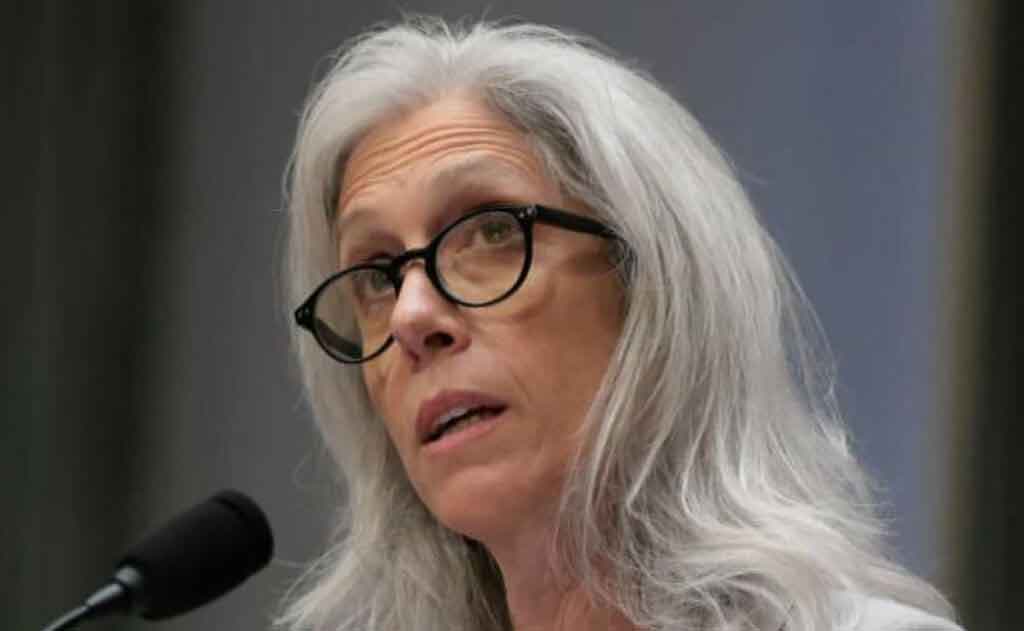
August 29, 2025 – President Donald Trump’s decision to fire Centers for Disease Control and Prevention (CDC) Director Susan Monarez on August 27, 2025, has plunged the nation’s top public health agency into chaos, triggering resignations, staff walkouts, and bipartisan calls for investigation. The ousting, linked to disputes over vaccine policies with Health and Human Services (HHS) Secretary Robert F. Kennedy Jr., has raised alarms about the politicization of public health.
CDC Director Susan Monarez Fired Amid Vaccine Policy Clash
Susan Monarez, a microbiologist and infectious disease researcher, was confirmed as CDC Director on July 29, 2025, after a Senate vote. Sworn in on July 31, her tenure lasted less than a month, making her the shortest-serving director in the CDC’s 79-year history. The White House announced her termination, stating she was “not aligned with the President’s agenda of Making America Healthy Again.” Monarez’s refusal to resign, as demanded by Kennedy, stemmed from disagreements over vaccine policy changes, including restrictions on COVID-19 vaccine access and the dismissal of senior CDC officials. Her attorneys, Mark Zaid and Abbe Lowell, argued the firing was “legally deficient,” asserting only Trump could dismiss a Senate-confirmed appointee.
Mass Resignations and Staff Protests at CDC
The fallout was swift. Four senior CDC officials resigned in protest on August 27, citing Kennedy’s leadership and vaccine policy shifts as untenable. The officials included:
- Dr. Debra Houry, Chief Medical Officer, who warned of rising vaccine misinformation and budget cuts undermining the CDC’s mission.
- Dr. Demetre Daskalakis, Director of the National Center for Immunization and Respiratory Diseases, who criticized the “weaponization of public health” and unscientific policy changes.
- Dr. Daniel Jernigan, Director of the National Center for Emerging and Zoonotic Infectious Diseases, who cited the “current context” at HHS.
- Dr. Jennifer Layden, Director of the Office of Public Health Data, Surveillance, and Technology, whose resignation was reported but not publicly confirmed.
Hundreds of CDC employees staged a walkout at the agency’s Atlanta headquarters, protesting what they called the “systematic dismantling of public health institutions.” The unrest follows a tumultuous month, including a shooting at the CDC’s headquarters on August 8, where a gunman, motivated by anti-vaccine sentiment, killed a police officer.
Vaccine Policy Controversy Fuels Tensions
The conflict centers on Kennedy’s overhaul of CDC vaccine policies. A longtime vaccine skeptic, Kennedy fired all 17 members of the Advisory Committee on Immunization Practices (ACIP) in June, replacing them with allies, including vaccine skeptics. On August 27, the FDA, under Kennedy’s influence, restricted updated COVID-19 vaccines to adults over 65 and high-risk individuals, departing from prior guidance recommending shots for all over six months. Monarez, who publicly supported vaccines during her confirmation, refused to endorse these changes or fire senior staff, prompting Kennedy’s push for her ouster.
Public health experts, including former CDC official Fiona Havers and University of Minnesota researcher Michael Osterholm, called the resignations “devastating” and a “serious loss for America,” warning of weakened preparedness for future health crises.
Bipartisan Calls for Investigation
The CDC crisis has drawn rare bipartisan concern. Senator Patty Murray (D-WA) called for Kennedy’s removal, labeling him a “dangerous” figure pushing disinformation. Senator Bill Cassidy (R-LA), chair of the Senate Health Committee, was reportedly contacted by Monarez before her firing, highlighting tensions with Kennedy. Lawmakers have demanded oversight hearings to probe the “extraordinary and systematic dismantling” of the CDC’s leadership.
What’s Next for the CDC?
The White House named Jim O’Neill, Kennedy’s deputy, as interim CDC Director on August 28, but no permanent replacement has been announced. Kennedy, speaking on Fox & Friends, suggested more turnover may follow to address “deeply embedded” issues at the CDC. Critics, including former CDC director Richard Besser, warn that the loss of experienced leaders leaves the U.S. vulnerable to public health threats.
As protests continue and legal battles over Monarez’s firing loom, the CDC faces a leadership vacuum at a critical time. Stay tuned to NRIGlobe.com for updates on this developing story.
Related NRI Globe Coverage
- Trump Escalates Chicago Threats with Military Post, Sparking Protests and Constitutional Concerns
- Trump Fires Labor Chief After Disappointing July Jobs Report: Economic and Political Fallout
- Protests Erupt Outside White House During Netanyahu-Trump Meeting
- Major US News This Week (September 14-15, 2026): Supreme Court Blocks Trump Mail Voting Rules, AI Debate Explodes, Space Weapons Confirmed
- $5,000 Trump Dividend Proposal — Complete Details, Feasibility & NRI Impact Analysis (Nov 2026 Midterms)
- Trump Urges Support for AI Data Centers on Fox News — US-China Race, Stocks, Local Opposition (NRI Perspective)
- Trump Imposes Up-to-100% Tariffs on Foreign-Made Drones (Effective Sep 3, 2026) — DJI, Chinese Suppliers Hit Hard
- Trump Says US 'Essentially Taken Over' Iran (May 2026): Context, Operation Epic Fury & Current Status
Fresh from NRI Globe
- YouTuber Nandu's World (Rama Nandana) UK Visa & Job Fraud Case: Full Details + Key Lessons for NRIs (2026)
- Dussehra / Vijayadashami 2026 Events Country-Wise — Global NRI Directory (Ram Lila, Ravana Dahan, Durga Puja Pandals, Ayudha Puja Venues + Booking)
- Diwali 2026 Events Country-Wise — Global NRI Directory (White House, Leicester, London Trafalgar, Toronto, Auckland, Sydney Parramasala, Fiji, Mauritius, Trinidad, South Africa and More)
- Diwali / Deepavali 2026 Country-Wise NRI Celebrations — Complete Global Guide (USA, UK, Canada, Australia, Fiji, Mauritius, Trinidad, South Africa, UAE and 30+ Countries)