
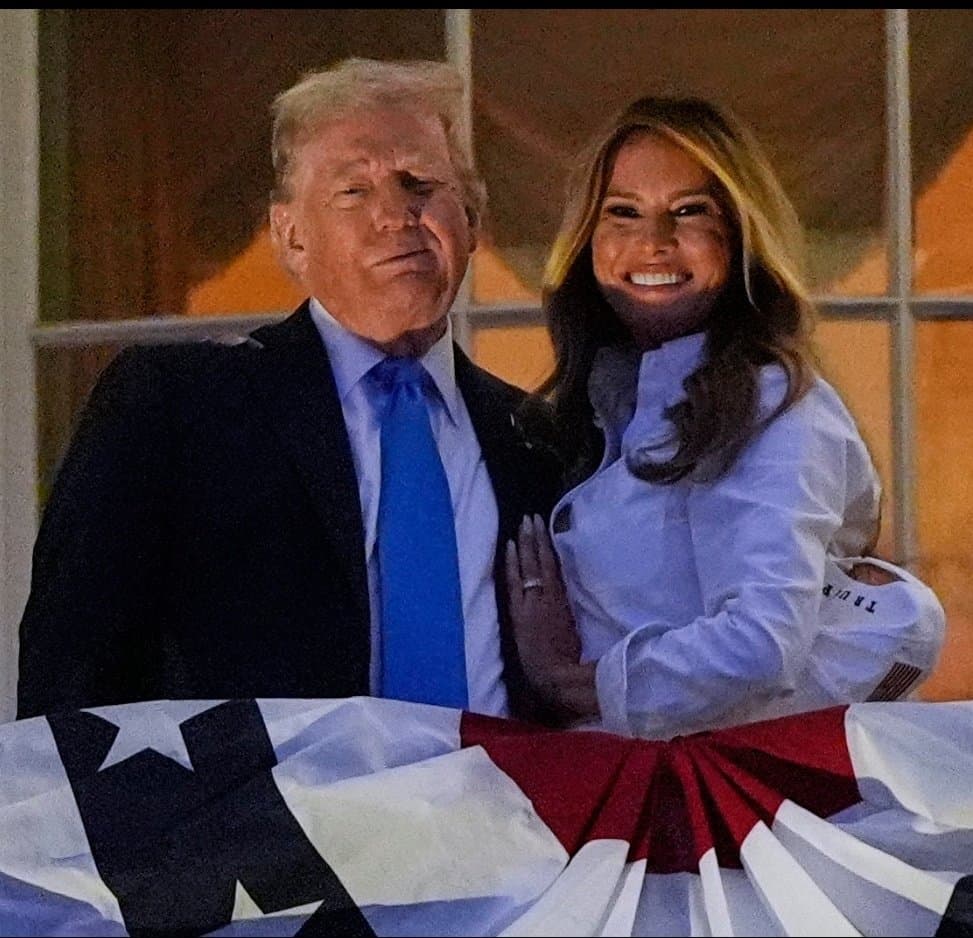
Trump-Schumer Dispute Stalls Nominee Confirmations
Washington, D.C. – August 3, 2025
A heated clash between President Donald Trump and Senate Minority Leader Chuck Schumer has paralyzed the confirmation process for numerous Trump administration nominees, leaving critical government posts vacant as the Senate adjourned for its August recess on August 2, 2025. Negotiations aimed at expediting confirmations collapsed amid mutual accusations, with Trump alleging Schumer demanded over $1 billion in funding for Democratic priorities, while Schumer defended his party's insistence on rigorous scrutiny of nominees described as "uniquely flawed."
The Confirmation Backlog and Partisan Gridlock
The dispute unfolded against a backdrop of intense partisan friction. Trump, seeking to fill approximately 1,200 Senate-confirmed positions, accused Democrats of obstructing the process by refusing quick approvals via unanimous consent or voice votes—a departure from past practices. Instead, Schumer's Democrats have required time-consuming roll-call votes for each nominee, citing concerns over their qualifications. "We've never seen nominees this compromised," Schumer stated, justifying the delays as necessary for thorough vetting.
Efforts to broker a deal faltered despite weeks of negotiations led by Senate Majority Leader John Thune. Republicans proposed confirming up to 60 bipartisan-supported nominees in exchange for reversing some Trump administration spending cuts, including on foreign aid and the National Institutes of Health. Democrats also sought guarantees against further funding reductions. However, talks broke down, with Republicans claiming Schumer escalated demands, while Democrats argued Trump's inflammatory rhetoric, including a Truth Social post telling Schumer to "GO TO HELL," derailed progress.
Republican Options and Procedural Reform
Senator Markwayne Mullin, R-Okla., a key negotiator, expressed frustration: "Schumer led us down this road. He didn't have to do this." Republicans now face three paths forward: striking a new deal, allowing recess appointments by adjourning, or pursuing a "nuclear option" to overhaul Senate rules. Thune signaled strong support for rule changes, stating, "The process is desperately in need of reform," potentially reducing debate time or enabling en bloc voting.
The standoff underscores a deepening divide over nominations, building on past rule changes like the 2013 and 2017 adjustments to filibuster thresholds. Democrats' current strategy marks a historic escalation, as no previous minority party has blocked all expedited confirmations to this extent. These procedural battles reflect broader tensions documented by the White House and Senate leadership regarding the pace and scope of executive branch staffing.
Limited Confirmations and Democratic Resistance
Despite the impasse, the Senate confirmed seven nominees before the recess, including Jeanine Pirro as U.S. Attorney for the District of Columbia in a contentious 50-45 vote. Democrats hailed the limited confirmations as a stand against Trump's pressure, with Schumer declaring, "He tried to bully us, but got nothing." Republicans, however, vowed to address the backlog in September, warning of significant procedural changes.
With key agency roles unfilled, the Trump administration's agenda faces delays, setting the stage for a high-stakes showdown when the Senate reconvenes in September. The confirmation delays affect staffing across federal agencies responsible for immigration policy, economic regulation, and international trade—areas with direct implications for the Indian-American community and broader diaspora interests.
Impact on NRI and Indian-American Communities
The stalled confirmation process carries significant consequences for Indian-Americans and the broader NRI diaspora. Vacant positions at critical agencies directly affect policies that shape the immigrant experience in the United States. Delays in confirming leadership at the U.S. Citizenship and Immigration Services (USCIS) can slow visa processing, including H-1B applications that employ hundreds of thousands of Indian professionals. Similarly, unfilled positions at the Department of Labor impact employment-based immigration decisions and wage determinations that affect skilled workers from India.
The confirmation gridlock also affects trade policy leadership. Vacant positions at the Office of the U.S. Trade Representative (USTR) influence tariff decisions and trade negotiations with India, a key economic partner. Indian-American business leaders and entrepreneurs operating across sectors from technology to pharmaceuticals depend on stable trade relationships and clear regulatory guidance from confirmed agency heads.
Furthermore, delays in confirming officials at agencies overseeing foreign aid and international relations impact U.S.-India bilateral relations. The Indian Ministry of External Affairs coordinates closely with confirmed U.S. officials on visa policies, defense cooperation, and strategic partnerships. Extended vacancies in these positions create uncertainty for Indian nationals seeking to study, work, or invest in the United States, as well as for Indian companies with significant American operations.
Indian-American advocacy organizations have expressed concern that the confirmation delays could result in policy decisions made by acting officials without Senate confirmation, potentially leading to inconsistent implementation of immigration and trade policies. The NRI community, which includes over 4 million Indian-Americans and millions more temporary visa holders and investors, faces heightened uncertainty regarding the regulatory environment for employment-based immigration and business operations during this extended confirmation standoff.
Looking Ahead: September Negotiations
When the Senate reconvenes after the August recess, both parties will face pressure to resolve the impasse. Republicans have signaled willingness to pursue procedural changes that could fundamentally alter how the Senate handles nominations, while Democrats maintain that thorough vetting of nominees serves the public interest. The outcome of these negotiations will shape not only the Trump administration's ability to staff its agencies but also the long-term trajectory of Senate confirmation processes—with lasting implications for how immigration policy, trade regulation, and international relations are managed in the years ahead.
Related NRI Globe Coverage
- Major US News This Week (September 14-15, 2026): Supreme Court Blocks Trump Mail Voting Rules, AI Debate Explodes, Space Weapons Confirmed
- $5,000 Trump Dividend Proposal — Complete Details, Feasibility & NRI Impact Analysis (Nov 2026 Midterms)
- Trump Urges Support for AI Data Centers on Fox News — US-China Race, Stocks, Local Opposition (NRI Perspective)
- Trump Imposes Up-to-100% Tariffs on Foreign-Made Drones (Effective Sep 3, 2026) — DJI, Chinese Suppliers Hit Hard
- Trump Says US 'Essentially Taken Over' Iran (May 2026): Context, Operation Epic Fury & Current Status
- Trump UFO Files 2026: Pentagon Releases First Bombshell Batch — Videos, Apollo Anomalies & Extraterrestrial Evidence
- NRIs React to Trump “Jesus-Healer” Viral Post
- Indian-Americans React to Trump-Pope Clash
Fresh from NRI Globe
- YouTuber Nandu's World (Rama Nandana) UK Visa & Job Fraud Case: Full Details + Key Lessons for NRIs (2026)
- Dussehra / Vijayadashami 2026 Events Country-Wise — Global NRI Directory (Ram Lila, Ravana Dahan, Durga Puja Pandals, Ayudha Puja Venues + Booking)
- Diwali 2026 Events Country-Wise — Global NRI Directory (White House, Leicester, London Trafalgar, Toronto, Auckland, Sydney Parramasala, Fiji, Mauritius, Trinidad, South Africa and More)
- Diwali / Deepavali 2026 Country-Wise NRI Celebrations — Complete Global Guide (USA, UK, Canada, Australia, Fiji, Mauritius, Trinidad, South Africa, UAE and 30+ Countries)