
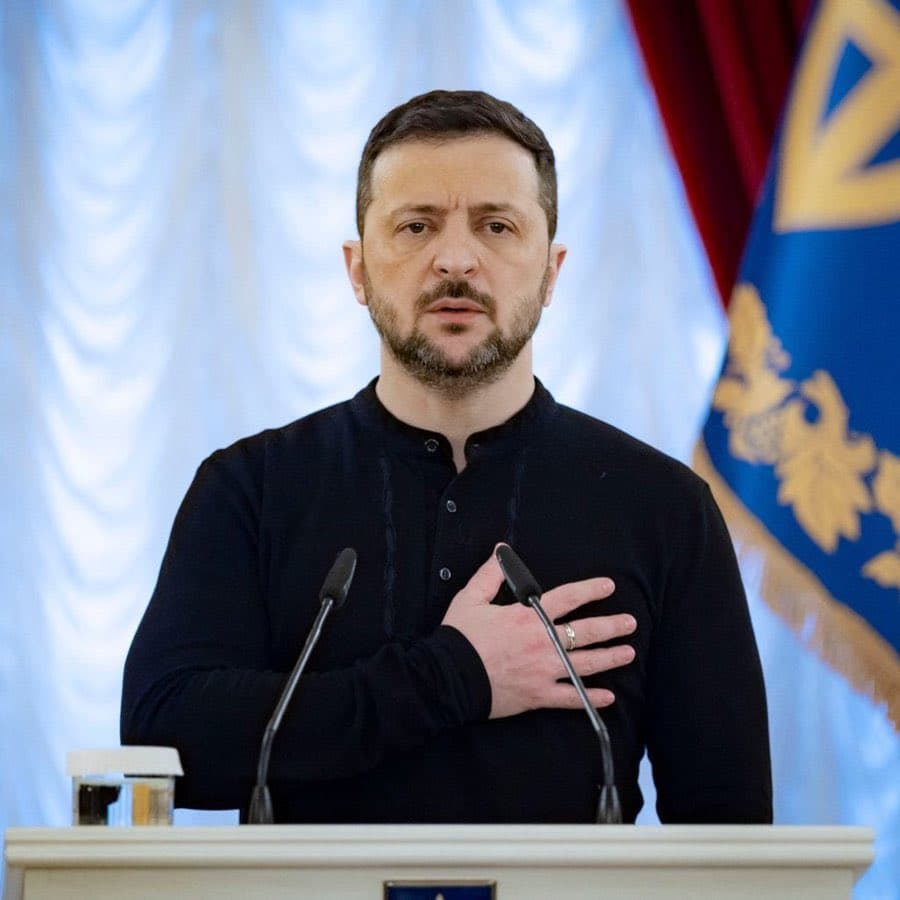
Trump’s Ukraine Peace Talks Draw Skepticism from Kyiv and European Allies
Washington, D.C. - August 19, 2025 — President Donald Trump’s renewed push for peace talks to resolve the Russia-Ukraine conflict has been met with deep distrust from Ukrainian leaders and cautious optimism from European counterparts. The high-stakes discussions, held at the White House on August 18, 2025, with Ukrainian President Volodymyr Zelenskyy and key European figures, have sparked concerns over Trump’s reliability, given his history of shifting positions and apparent alignment with Russian President Vladimir Putin’s interests.
Ukrainian Distrust Rooted in Shifting U.S. Promises
Ukrainian officials have voiced significant doubts about Trump’s proposed security guarantees, citing his pattern of reversing stances after engaging with Putin. During a summit in Alaska on August 16, 2025, Trump pivoted from advocating an immediate ceasefire to supporting Putin’s call for a comprehensive deal that would require Ukraine to surrender large swaths of territory, including the entire Donbas region, even areas not under Russian control. This abrupt shift has deepened Kyiv’s fears that Trump may prioritize warming U.S.-Russia ties over Ukraine’s territorial integrity.
A senior Ukrainian official, speaking anonymously, described the diplomatic climate as “unreal,” noting the challenge of negotiating with an ally whose commitments seem unreliable. “How can we trust guarantees from someone who changes his position after every conversation with Putin?” the official said, referencing Trump’s lavish reception of Putin in Alaska, complete with a red carpet welcome. Ukrainian President Zelenskyy, despite past tensions with Trump during a heated February 2025 Oval Office meeting, adopted a measured tone. He presented Trump with a letter from his wife, Olena Zelenska, and expressed gratitude for the dialogue but firmly rejected territorial concessions, stating on Telegram, “Ukraine will never surrender its land to occupiers.”
European Leaders Seek Stability Amid Uncertainty
European leaders, including German Chancellor Friedrich Merz, French President Emmanuel Macron, U.K. Prime Minister Keir Starmer, Italian Prime Minister Giorgia Meloni, NATO Secretary General Mark Rutte, and European Commission President Ursula von der Leyen, joined Zelenskyy in Washington to bolster Ukraine’s position. Their presence aimed to counter any pressure from Trump to accept a Russia-favorable deal. Rutte described Trump’s willingness to discuss security guarantees as a “step forward,” a remark that highlights the lowered expectations among European allies. “When simply talking about guarantees is seen as progress, you know the bar is low,” a European diplomat noted.
Macron expressed skepticism about Putin’s intentions, stating, “I doubt President Putin genuinely seeks peace. His goal is to seize as much territory as possible and weaken Ukraine.” Merz emphasized that territorial decisions must not bypass Ukrainian and European input, advocating for a ceasefire as a starting point—a suggestion Trump quietly dismissed. European leaders also pushed for stronger sanctions on Russia, a tool they view as essential to pressure Moscow, but Trump has shown reluctance to pursue this path. A joint statement from the leaders called for “active diplomacy, robust support for Ukraine, and sustained pressure on Russia” to secure a fair resolution, carefully avoiding endorsement of Trump’s ceasefire-free approach.
Ukraine’s Self-Reliance and Resilience
Amid diplomatic uncertainties, Ukraine is strengthening its military independence through increased domestic drone production and precision strikes deep into Russian territory. “We’re building our own defenses because promises from abroad may not hold,” said a Ukrainian defense official. Prominent activist Daria Kaleniuk echoed this sentiment, dismissing the White House talks as “a theatrical display with no real outcome.” She stressed that Ukraine’s survival hinges on its own capabilities and European support, not fleeting U.S. assurances.
The urgency of Ukraine’s situation was underscored by recent Russian attacks, including a barrage of 270 drones and 10 missiles targeting Kharkiv and Zaporizhzhia, killing at least 10 civilians just before the Washington meeting. Ukraine’s air force intercepted 230 drones and six missiles, reflecting the intense strain on its defenses.
Uncertain Path Forward
Trump has proposed a trilateral meeting with Zelenskyy and Putin, possibly in a neutral venue like Geneva or Rome, to advance negotiations. Zelenskyy indicated openness to the idea but emphasized that halting violence is critical to any progress. Putin, however, remains inflexible, demanding Ukraine cede four regions—Donetsk, Luhansk, Zaporizhzhia, and Kherson—and abandon NATO ambitions. Kremlin spokesperson Sergei Lavrov praised Trump’s approach but criticized European calls for a ceasefire, claiming it would enable continued arms supplies to Ukraine.
The war, now in its third year, has claimed or injured over a million lives, with Ukrainian civilians bearing a heavy toll. As Russia’s aggression persists, Ukraine and its European allies remain united in seeking a just peace, but Trump’s unpredictability casts a long shadow over the process.
Reporting by NRI Globe
Related NRI Globe Coverage
- Russia-Ukraine 2026: Latest Peace Talks Update
- Nobel Peace Prize Controversy: Three Committee Members Oppose Trump’s 2026 Bid
- Trump-Zelensky Meeting: Ukraine War Talks Amid Crimea and NATO Tensions
- Modi-Putin Discuss Trump Summit in Alaska, Reaffirm Commitment to Ukraine Peace and Bilateral Ties
- Ukraine Diplomacy: Potential Trump-Putin-Zelensky Summit Could Shape Ceasefire Talks
- US-Iran Talks Collapse: 21-Hour Islamabad Timeline
- US-Iran Nuclear Talks 2026: ‘Good Progress’ Update
- US-Iran Nuclear Talks Begin in Oman Amid Rising Tensions
Fresh from NRI Globe
- YouTuber Nandu's World (Rama Nandana) UK Visa & Job Fraud Case: Full Details + Key Lessons for NRIs (2026)
- Dussehra / Vijayadashami 2026 Events Country-Wise — Global NRI Directory (Ram Lila, Ravana Dahan, Durga Puja Pandals, Ayudha Puja Venues + Booking)
- Diwali 2026 Events Country-Wise — Global NRI Directory (White House, Leicester, London Trafalgar, Toronto, Auckland, Sydney Parramasala, Fiji, Mauritius, Trinidad, South Africa and More)
- Diwali / Deepavali 2026 Country-Wise NRI Celebrations — Complete Global Guide (USA, UK, Canada, Australia, Fiji, Mauritius, Trinidad, South Africa, UAE and 30+ Countries)