
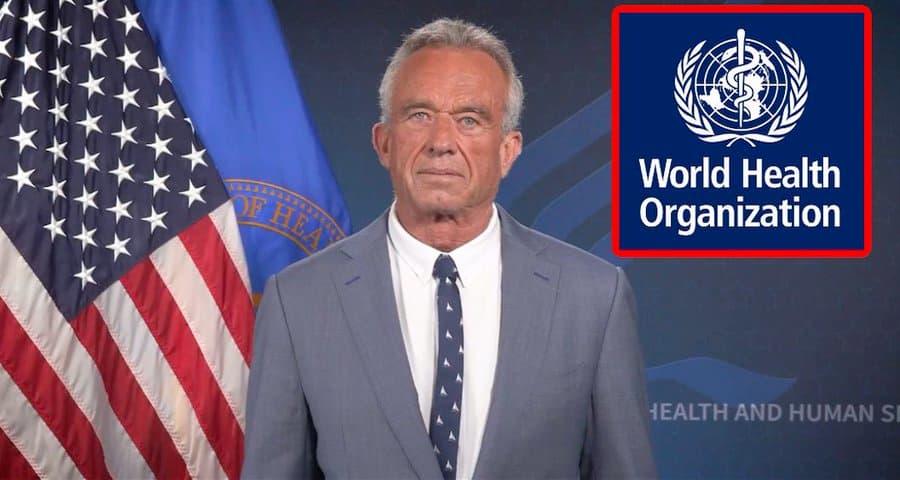
U.S. Rejects WHO Amendments to Safeguard National Sovereignty and Individual Freedoms
In a significant move, the United States has rejected proposed amendments to the World Health Organization's (WHO) International Health Regulations (IHR), prioritizing national sovereignty and individual freedoms. The decision, announced by U.S. Health and Human Services (HHS) officials, underscores growing concerns over the WHO's potential overreach in managing global health crises.
Why the U.S. Rejected the WHO Amendments
The proposed IHR amendments would have granted the WHO expanded authority to coordinate responses to global health emergencies, including issuing binding recommendations to member states. Critics, including U.S. officials, argue that such powers could undermine national autonomy, allowing the WHO to influence domestic health policies and infringe on individual rights.
HHS officials emphasized that the U.S. remains committed to global health cooperation but will not support measures that compromise its ability to make independent decisions. The rejection reflects a broader debate on balancing global health governance with national independence, particularly in light of recent pandemics.
The Debate: Global Health Governance vs. National Sovereignty
The WHO's push for stronger IHR provisions stems from lessons learned during the COVID-19 pandemic, where inconsistent global responses highlighted the need for coordinated action. However, opponents argue that centralized authority risks overstepping boundaries, potentially enforcing measures that conflict with a nation's unique needs or values.
In the U.S., concerns over sovereignty are amplified by debates over personal freedoms, such as vaccine mandates and public health restrictions. Critics of the amendments fear that WHO-led directives could lead to policies that erode individual liberties, sparking resistance from lawmakers and advocacy groups.
Implications for Global Health and U.S. Policy
The U.S. decision to reject the amendments signals a cautious approach to international health agreements. It may encourage other nations to reassess their positions, potentially reshaping the WHO's role in global health crises. For now, the U.S. will continue to engage with the WHO while prioritizing its sovereignty and the rights of its citizens.
This development is a key moment in the ongoing global health governance debate, raising questions about how nations can collaborate effectively without sacrificing autonomy.
Stay Informed with NRIGlobe
For the latest updates on global health policies, U.S. politics, and international relations, follow NRIGlobe. Stay informed about critical issues impacting the Indian diaspora and the world.
Keywords: U.S. rejects WHO amendments, national sovereignty, individual freedoms, WHO International Health Regulations, global health governance, HHS, public health policy, autonomy
Published: July 18, 2025