H1B Visa Changes 2026: Must-Know Updates for USA NRIs
A new beneficiary-centric lottery, wage-weighted selection, a $100,000 fee on certain new petitions, and the April 2026 Form I-129 update — every USA NRI on H-1B needs this 2026 briefing.
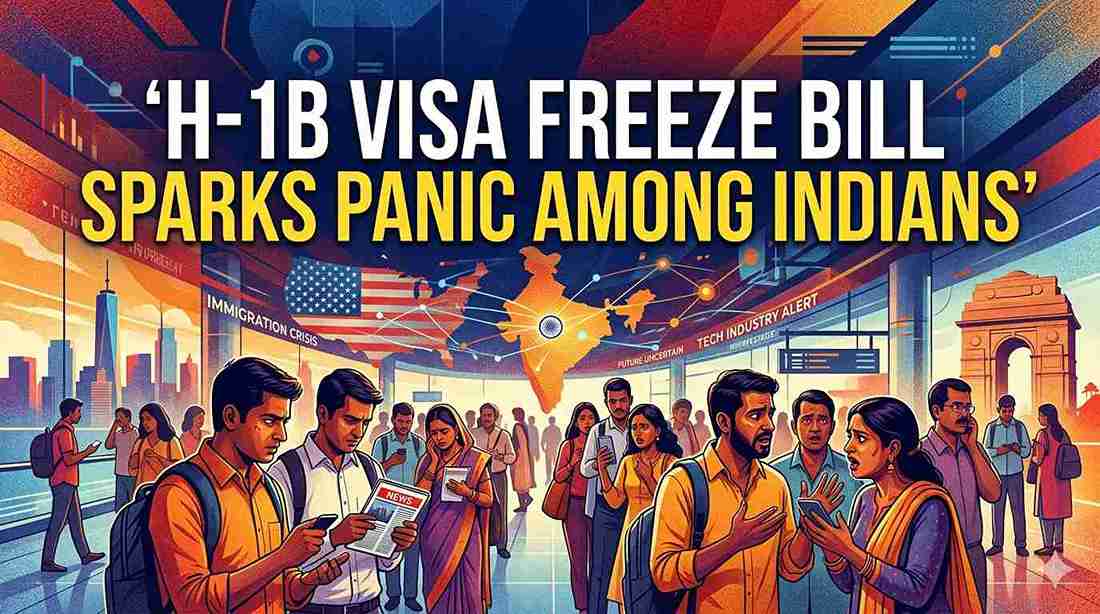

H1B visa rules in 2026 have flipped the field for Indian professionals. A new beneficiary-centric lottery, a wage-weighted selection method, a controversial $100,000 fee on certain new petitions, and a stricter Form I-129 (mandatory from April 1, 2026) together reshape how USA NRIs and aspiring H-1B holders plan careers in America. Indians received nearly 70% of FY2025 approvals — well over 280,000 professionals — so every rule change hits the diaspora first.
FY2027 H-1B cap: weighted selection is now live
The FY2027 cap registration window ran March 4–19, 2026 and introduced the weighted selection process finalised by DHS effective February 27, 2026. USCIS confirmed sufficient registrations to meet both the regular cap and the advanced-degree (master's) exemption. Each unique beneficiary now gets a single entry regardless of how many employers register them — closing the multi-registration loophole that distorted prior lotteries.
- Wage tier weighting: registrations tied to higher OES wage levels (Level III/IV) carry more selection weight. Level I roles still qualify but win less often.
- One beneficiary, one entry: consultancy "shopping" of the same candidate is effectively neutralised.
- Advanced-degree boost preserved: US master's+ candidates still get the second-bite advantage.
The $100,000 fee — who actually pays it?
The fee proclamation signed in September 2025 applies primarily to new H-1B petitions filed from abroad. USCIS has since clarified important exemptions:
- Change-of-status petitions (e.g. F-1 → H-1B) — exempted.
- Extensions and amendments for existing H-1Bs already in the US — exempted.
- Cap-exempt petitions by universities, non-profit research orgs, and government research orgs — exempted.
That offers partial relief to existing USA NRIs but raises the bar significantly for new consular processing hires. Combined with the same year's broader tech downsizing (see our companion explainer on the 2026 tech-layoff survival guide for NRIs), the effect is a flight-to-quality: employers will only invest in candidates whose wage justifies the new total cost.
"End H-1B Visa Abuse Act of 2026" — what's actually in the bill
The proposed bill threatens further caps (down to 25,000 visas) and a $200,000 minimum salary floor. It's still in early committee stage and faces resistance from the tech lobby, but USA NRIs should track it because even partial adoption — say, a $150k floor — would reshape mid-level offers. Plan as if some version passes; advocate as if it might not.
Form I-129 changes effective April 1, 2026
All petitioners must now use the latest Form I-129 with expanded "bona fide job" attestations and stricter site-inspection consent language. Practical implications:
- Specialty-occupation justification must map to a single, specific role — not a flexible "consultant" pool.
- Employer-employee relationship evidence is heavier for third-party placements.
- Worksite addresses must be current and re-attested if changed.
Petitions filed on outdated I-129 versions on/after April 1 are being rejected outright, not RFE'd — so verify the edition date with your attorney.
May 2026 Visa Bulletin: backlog snapshot
For India-born EB-2 and EB-3 applicants the final-action dates barely budged. EB categories remain "Current" for most other countries except India and China. Many USA NRIs are now stacking H-1B extensions while parallel-filing PERM/I-140 and exploring EB-1 extraordinary-ability paths. Detailed bulletin walk-through in our May 2026 Green Card & immigration update.
Practical playbook for USA NRIs
- Confirm I-129 edition with your attorney before any new filing.
- Negotiate up the wage tier. Moving from Level I to Level II/III improves both selection odds and green-card timeline.
- Map a 24-month status runway — H-1B extensions, AC21 portability, H-4 EAD, and EB-1 feasibility.
- Diversify into AI/ML roles — they cluster naturally at Level III/IV wages. See our AI Revolution 2026 opportunities guide.
- Keep a hybrid plan B — GCC offers in Hyderabad/Bangalore mean continuity even if a US opportunity slips.
The bottom line
These 2026 reforms protect domestic workers while prioritising top global talent — a net loss in volume but a real win for highly-skilled Indian professionals who can position themselves above the median wage. Register early, document your specialty match cleanly, and treat every premium-processed extension as an investment in your long-term green-card path. The H-1B is no longer a numbers game; it's a positioning game.