
US Airstrikes on Iran: Impacts, Implications, and Global Reactions
Introduction to the US-Iran Conflict
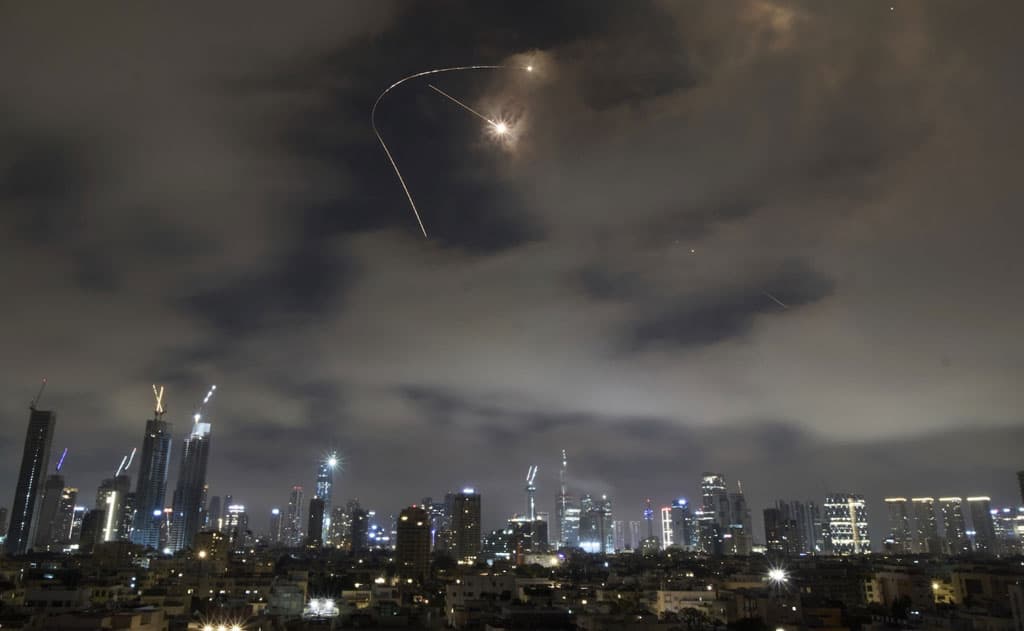
On June 22, 2025, the United States launched airstrikes targeting Iran's nuclear facilities at Fordow, Natanz, and Isfahan, escalating tensions in the Middle East to unprecedented levels. Described by President Donald Trump as a "decisive blow," these strikes align with Israel's ongoing campaign against Iran's nuclear ambitions, marking a significant shift in US foreign policy. This article explores the details of the attack, its immediate and long-term impacts, global reactions, and the broader geopolitical and economic consequences for the international community and the Indian diaspora.
Details of the US Airstrikes on Iran
The US military operation involved B-2 stealth bombers deploying bunker-buster bombs on the heavily fortified Fordow facility, alongside Tomahawk missile strikes on Natanz and Isfahan. These sites are central to Iran's nuclear program, with Fordow known for its underground uranium enrichment capabilities. President Trump, in a televised address, claimed the strikes "completely obliterated" the facilities, though Iranian officials countered that damage was minimal and operations would continue. The US notified Iran through diplomatic channels that the strikes were limited in scope, aimed solely at nuclear infrastructure, not regime change. However, Iran's Foreign Minister Abbas Araghchi labeled the action "an act of aggression," vowing a robust response.
Key Facts About the Airstrikes
- Date: June 22, 2025
- Targets: Fordow (underground enrichment facility), Natanz (main enrichment site), Isfahan (nuclear research center)
- Weapons Used: B-2 stealth bombers, bunker-buster bombs, Tomahawk missiles
- US Objective: Disrupt Iran's nuclear program, support Israel's regional security goals
- Iran's Response: Condemnation, threats of retaliation, and commitment to continue nuclear activities
Immediate Impacts of the Airstrikes
Escalation of Regional Tensions
The airstrikes have intensified the ongoing Israel-Iran conflict, now in its ninth day, raising fears of a broader regional war. Iran has threatened to target US military assets, including the 5th Fleet in Bahrain and oil shipping routes in the Strait of Hormuz. Iran-backed groups, such as the Houthis in Yemen and Iraqi militias, have pledged retaliatory attacks, potentially disrupting Red Sea shipping and US bases in the region. The weakened state of Hezbollah and Hamas, due to recent Israeli operations, may limit their immediate response, but the risk of asymmetric warfare remains high.
Global Diplomatic Reactions
The international community has responded with a mix of condemnation and cautious support:
- Israel: Prime Minister Benjamin Netanyahu hailed the US action as a demonstration of "peace through strength," reinforcing the US-Israel alliance.
- United Nations: Secretary-General António Guterres called the strikes a "dangerous escalation," urging all parties to avoid further conflict.
- Europe: European leaders expressed concern over the lack of U.N. approval, with diplomatic efforts in Geneva failing to broker a ceasefire.
- Other Actors: Venezuela and Hamas condemned the strikes as violations of sovereignty, while some US allies, including Saudi Arabia, offered tacit support.
US Domestic Political Fallout
The airstrikes have sparked division in the US:
- Republican Support: Senators like John Cornyn praised Trump's decisiveness, viewing the strikes as a necessary check on Iran's nuclear ambitions.
- Democratic Criticism: Progressive lawmakers, including Representative Alexandria Ocasio-Cortez, criticized the lack of congressional authorization, raising concerns about constitutional overreach and potential impeachment proceedings.
- Public Opinion: Trump's "America First" base is divided, with some questioning US involvement in another Middle East conflict, contradicting campaign promises to avoid foreign entanglements.
Economic Disruptions
The threat of Iranian retaliation, particularly in the Strait of Hormuz—through which 20% of global oil passes—has raised fears of supply chain disruptions. Oil prices are expected to spike, impacting global markets. Additionally, potential Houthi attacks on Red Sea shipping could further strain international trade routes, affecting energy and consumer goods prices. According to the U.S. Bureau of Labor Statistics, energy price volatility directly influences inflation metrics tracked across the economy.
Iranian Domestic Dynamics
Iranian state media downplayed the damage, claiming the targeted facilities were evacuated and operations unaffected. However, unverified social media reports suggest public anxiety over potential radioactive leaks and the risk of war. The strikes may strengthen hardline factions within Iran, with calls for missile strikes on US assets and increased uranium enrichment. Speculation about US-Iran talks has intensified, with Iran refusing dialogue unless Israel halts its attacks.
Long-Term Implications of the Airstrikes
Iran's Nuclear Program
The extent of damage to Iran's nuclear facilities remains unclear. While Trump claimed the sites were destroyed, experts suggest Iran's dispersed infrastructure and technical expertise may allow it to rebuild. The strikes may delay Iran's nuclear progress but are unlikely to eliminate its capabilities entirely, potentially hardening Tehran's resolve to pursue its program covertly. The U.S. Citizenship and Immigration Services and related agencies monitor developments affecting international security and visa policies.
Regional Power Dynamics
The US and Israel aim to weaken Iran's regional influence, particularly its support for proxy groups like Hezbollah. However, the strikes could strengthen Iran's alliances with Russia and China, who may provide diplomatic or military support. A prolonged conflict risks drawing in other regional powers, complicating the Middle East's geopolitical landscape.
US Foreign Policy Challenges
The unilateral nature of the strikes, without U.N. or congressional approval, raises questions about their legality under international law. The US now faces the challenge of managing escalation without a clear exit strategy, potentially straining relations with allies and diverting resources from domestic priorities. The White House and State Department continue to coordinate diplomatic responses.
Global Security Risks
The airstrikes increase the risk of cyberattacks, terrorism, or missile strikes by Iran or its proxies. A miscalculation by either side could lead to a broader conflict, with devastating consequences for regional stability and global security.
Critical Analysis of the Airstrikes
While the US and Israel justify the strikes as necessary to prevent Iran from developing nuclear weapons, Iran maintains its program is for peaceful purposes, such as energy production. The lack of transparent evidence confirming an imminent nuclear threat raises questions about the strikes' proportionality and legitimacy. Furthermore, the absence of U.N. Security Council approval and congressional oversight risks undermining international norms and setting a precedent for unilateral military actions. The strikes may also radicalize Iranian public opinion, bolstering support for hardline policies and complicating future diplomatic efforts.
Economic and Market Impacts
The immediate economic fallout includes:
- Oil Price Volatility: Fears of Strait of Hormuz disruptions could drive Brent crude prices above $100 per barrel, impacting global energy markets.
- Supply Chain Risks: Houthi attacks on Red Sea shipping could disrupt global trade, increasing costs for consumer goods.
- Market Uncertainty: Stock markets may experience volatility as investors assess the risk of a wider conflict, with defense and energy sectors potentially benefiting.
The Federal Reserve monitors geopolitical developments and their potential impact on US economic stability and inflation.
Impact on NRIs and Indian-Americans
Energy Costs and Remittances
The escalation in the Middle East directly affects the Indian diaspora and their families back home. India imports approximately 80% of its crude oil, with significant volumes sourced from the Middle East. Any disruption to shipping routes or spike in oil prices translates to higher energy costs for Indian households and businesses. For NRIs sending remittances to India, currency fluctuations triggered by geopolitical uncertainty can reduce the purchasing power of their transfers. Additionally, Indian companies with operations or investments in the Middle East face heightened business risks and potential supply chain disruptions.
Employment and Business Opportunities
Many Indian-Americans and NRIs work in energy, defense, and technology sectors that are sensitive to geopolitical developments. The conflict may accelerate hiring in defense contracting and cybersecurity firms, creating opportunities for skilled professionals. However, companies with Middle East exposure may freeze hiring or relocate operations, affecting Indian professionals in those regions. The uncertainty also impacts venture capital and startup funding, sectors where Indian-American entrepreneurs are heavily represented.
Travel and Visa Implications
Escalating tensions raise security concerns for NRIs traveling to or from India via Middle Eastern hubs. Airlines may reroute flights or increase ticket prices due to longer routes. Additionally, the USCIS and State Department may adjust visa processing times or security protocols for travelers from affected regions, potentially impacting Indian nationals seeking to visit or immigrate to the United States.
India's Diplomatic Position
India maintains strategic partnerships with both the US and Iran, making this conflict diplomatically sensitive. India's Ministry of External Affairs has historically advocated for dialogue and de-escalation. The airstrikes complicate India's energy security strategy and its efforts to maintain balanced relations with both powers. For the Indian diaspora, this underscores the importance of India's independent foreign policy and its role as a voice for restraint in international conflicts. India's access to Iranian oil under US waivers, as referenced in related coverage, remains a critical concern for NRI stakeholders monitoring energy markets and inflation.
Conclusion: Navigating an Uncertain Future
The US airstrikes on Iran's nuclear facilities represent a high-stakes gamble to curb Tehran's nuclear ambitions and signal strength to adversaries. However, the risks of retaliation, regional escalation, and economic disruption loom large. Iran's response in the coming days—whether diplomatic, military, or asymmetric—will shape the trajectory of this crisis. The international community, particularly the U.N. and European powers, faces pressure to mediate and prevent a slide into broader conflict. For the Indian diaspora and NRIs globally, this situation underscores the interconnectedness of geopolitical events and personal financial well-being. The world watches as the US, Iran, and their allies navigate this volatile moment, with consequences extending far beyond the Middle East.
Stay Informed
This situation is evolving rapidly. Monitor reputable news sources and official government communications for real-time updates, while remaining cautious of unverified claims. The Ministry of External Affairs of India and U.S. Trade Representative offices provide official statements on developments affecting trade and international relations.
Continue reading — NRI Globe pillar guide: H-1B Complete Guide for Indians 2026
Related NRI Globe Coverage
- US Airstrikes on Iran: Strategic Impacts and Global Fallout
- Trump’s Iran Airstrikes Spark Outrage: Is World War 3 Inevitable?
- Trump Extends Iran Ceasefire: Impact on NRIs & Oil
- India Gets Iran Oil After 7 Years Under US Waiver
- Trump’s Immigration Policies: Impact on American Workers and Implications for NRIs
- Superman First Reactions: James Gunn’s DCU Reboot Soars with Heart and Heroism
- Trump Furious Over Israel-Iran Conflict: Ceasefire Violation Sparks Outrage
- Iran Sleeper Cells: Identifying Threats & U.S. Countermeasures
Fresh from NRI Globe
- YouTuber Nandu's World (Rama Nandana) UK Visa & Job Fraud Case: Full Details + Key Lessons for NRIs (2026)
- Dussehra / Vijayadashami 2026 Events Country-Wise — Global NRI Directory (Ram Lila, Ravana Dahan, Durga Puja Pandals, Ayudha Puja Venues + Booking)
- Diwali 2026 Events Country-Wise — Global NRI Directory (White House, Leicester, London Trafalgar, Toronto, Auckland, Sydney Parramasala, Fiji, Mauritius, Trinidad, South Africa and More)
- Diwali / Deepavali 2026 Country-Wise NRI Celebrations — Complete Global Guide (USA, UK, Canada, Australia, Fiji, Mauritius, Trinidad, South Africa, UAE and 30+ Countries)