
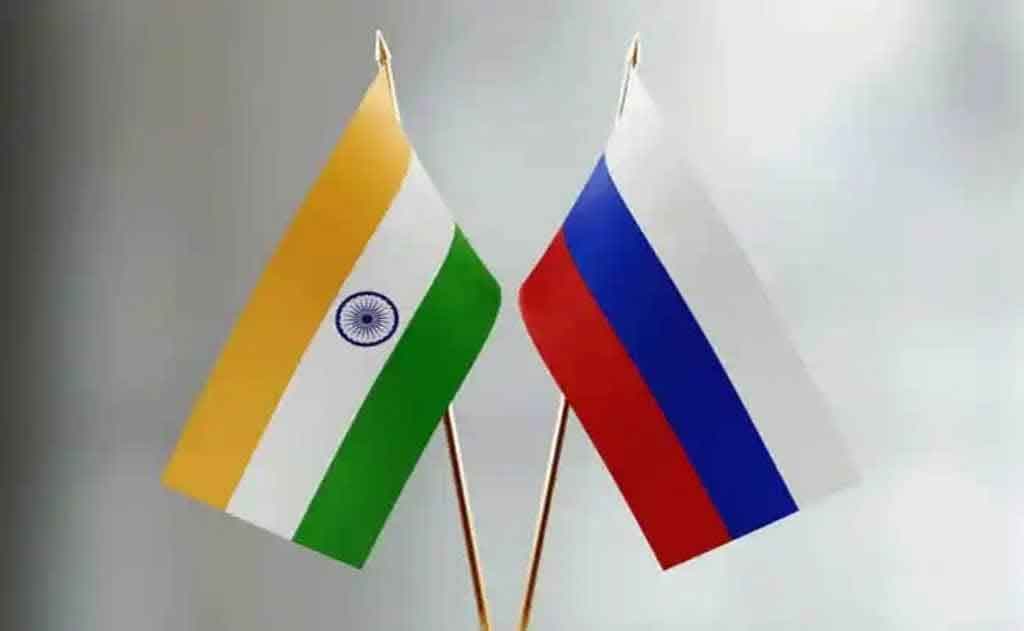
New Delhi, August 30, 2025 – In a significant development in global energy markets, India has emerged as Ukraine’s leading diesel supplier in July 2025, accounting for 15.5% of the country’s diesel imports with an average of 2,700 tons per day. This surge, facilitated through tanker deliveries along the Danube River from Romania and via Turkey’s OPET terminal, highlights India’s strategic maneuvering in the complex landscape of energy diplomacy and geopolitics. However, this move has drawn sharp criticism from U.S. trade advisor Peter Navarro, who accuses India of indirectly supporting Russia’s war efforts in Ukraine by leveraging discounted Russian crude.
India’s Rising Role in Ukraine’s Diesel Supply
From January to July 2025, India’s share of Ukraine’s diesel imports rose dramatically to 10.2%, up from a mere 1.9% during the same period in 2024. This increase reflects India’s growing influence in global energy markets, as its refineries process discounted Russian crude into high-value diesel exports. The diesel, much of which is likely derived from Russian-origin crude, reaches Ukraine through strategic routes, including shipments along the Danube River and via Turkey, despite Western sanctions targeting Russian oil. Other key suppliers to Ukraine in July included Slovakia (15%), Greece (13.5%), Turkey (12.4%), and Lithuania (11.4%), but India’s rapid ascent underscores its pivotal role in filling the gap left by the European Union’s ban on Russian oil supplies.
India’s Ministry of External Affairs has defended these energy trade decisions, emphasizing that the imports are driven by the need to secure affordable and predictable energy for its 1.4 billion citizens. The ministry has argued that India’s actions are a response to global market disruptions caused by the Russia-Ukraine conflict, which redirected traditional energy supplies toward Europe. “India’s imports are meant to ensure predictable and affordable energy costs to the Indian consumer. They are a necessity compelled by global market situations,” the ministry stated on August 4, 2025, rejecting claims of profiteering.
U.S. Criticism and Trade Tensions
The Trump administration has sharply criticized India’s energy trade with Russia, imposing a 50% tariff on Indian imports—comprising an initial 25% levy followed by an additional 25%—in response to New Delhi’s continued sourcing of discounted Russian crude. White House trade advisor Peter Navarro has been particularly vocal, accusing India of acting as a “global clearinghouse for Russian oil” by converting embargoed crude into high-value exports that fund Moscow’s war machine. In a series of statements, including an opinion piece in the Financial Times and posts on X, Navarro labeled India’s oil trade as “opportunistic” and dubbed the Ukraine conflict “Modi’s war,” alleging that India’s actions undermine global efforts to isolate Russia.
Navarro has further claimed that India’s refiners, in partnership with “silent Russian partners,” are profiting by refining cheap Russian oil and selling it to Europe, Africa, and Asia, shielded from sanctions under the pretense of neutrality. “India uses our dollars to buy discounted Russian crude… Indian refiners, with their silent Russian partners, refine and flip the black-market oil for big profits on the international market – while Russia pockets hard currency to fund its war on Ukraine,” Navarro stated on X. He also highlighted that India’s Russian oil imports have surged from less than 1% before the Ukraine invasion in February 2022 to over 30% today, equivalent to approximately 1.5 million barrels per day.
Counterarguments and Global Context
Energy analyst Anas Alhajji has challenged Navarro’s accusations, arguing that India’s petroleum exports have remained stable since before the Ukraine conflict, debunking claims of a profiteering scheme. “If you look at Indian petroleum exports before and after Ukraine, it’s virtually the same. So, the idea that they are importing to export is not correct,” Alhajji told CNBC. He emphasized that India’s increased imports reflect a redirection of trade flows following European sanctions on Russian oil, with India stepping in to supply Europe while Middle Eastern refineries meet Asia’s demand. Alhajji also pointed out perceived inconsistencies in U.S. policy, noting that the United States increased its imports from Russia by 23% in the first five months of 2025 and continues to purchase Russian uranium, while Turkey’s petroleum exports to Europe exceed India’s.
India has also highlighted the hypocrisy of Western nations that continue to trade with Russia while criticizing New Delhi. The European Union, for instance, imports significant amounts of natural gas and LNG from Russia, and the U.S. remains a major buyer of Russian uranium. India’s External Affairs Minister S. Jaishankar remarked, “It’s funny to have people who work for a pro-business American administration accusing others of doing business… If you have a problem buying oil or refined products from India, don’t buy it.”
Geopolitical Maneuvers and Economic Implications
India’s emergence as Ukraine’s top diesel supplier comes amid broader geopolitical shifts. New Delhi has maintained strong ties with Moscow, with Prime Minister Narendra Modi meeting Russian President Vladimir Putin in Moscow during the ongoing Ukraine conflict. At the same time, India is navigating its strategic partnership with the United States, which has been strained by the Trump administration’s tariffs. The bilateral trade in goods between India and the U.S. stood at $131.8 billion in 2024-25, with India enjoying a $45.3 billion trade surplus, a point of contention for the U.S.
The tariffs, effective from August 27, 2025, are expected to impact 66% of India’s exports to the U.S., prompting warnings of job losses and order cancellations, particularly in the apparel industry. India’s finance ministry has emphasized the importance of ongoing trade negotiations with the U.S. to mitigate these effects, while Prime Minister Modi has promised tax cuts to cushion the economic impact.
Looking Ahead
As India continues to balance its energy needs with geopolitical pressures, its role in global energy markets is under intense scrutiny. While the U.S. pushes for India to halt Russian oil imports, New Delhi remains defiant, prioritizing energy security and economic stability. Reports suggest that Indian refiners may increase Russian oil purchases by 10-20% in September 2025, signaling continued reliance on discounted crude.
The irony of India supplying diesel to Ukraine—a country at war with Russia—while facing U.S. criticism for buying Russian crude highlights the complex interplay of energy, economics, and geopolitics. As global energy flows evolve, India’s strategic energy diplomacy will likely remain a focal point of international debate, with implications for its relations with both the West and Russia.
Disclaimer: The views expressed in this article are based on available data and do not necessarily reflect the editorial stance of Bharat Tone. For further details, refer to cited sources.
Related NRI Globe Coverage
- European Natural Gas Prices Surge Over 50% as Qatar Halts Production: Energy Crisis Deepens in Winter 2026
- US-Iran Nuclear Talks Begin in Oman Amid Rising Tensions
- Canada Immigration Guide for NRIs in 2026: Express Entry, PNP, Study Pathways, and Why It's a Top Choice Amid US Uncertainties
- Top US Companies Actively Hiring NRIs in 2026 Amid Economic Uncertainty: Opportunities for Indian Professionals
- Brooklyn Beckham Breaks Silence: "I Do Not Want to Reconcile" with David and Victoria Amid Deepening Family Rift
- What Is the Insurrection Act? Implications for NRIs Amid U.S. Domestic Unrest
- Johnson Backtracks on Trump-Epstein FBI Claim Amid Scandal
- Greece Closes Over 700 Schools Amid Deepening Demographic Crisis
Fresh from NRI Globe
- YouTuber Nandu's World (Rama Nandana) UK Visa & Job Fraud Case: Full Details + Key Lessons for NRIs (2026)
- Dussehra / Vijayadashami 2026 Events Country-Wise — Global NRI Directory (Ram Lila, Ravana Dahan, Durga Puja Pandals, Ayudha Puja Venues + Booking)
- Diwali 2026 Events Country-Wise — Global NRI Directory (White House, Leicester, London Trafalgar, Toronto, Auckland, Sydney Parramasala, Fiji, Mauritius, Trinidad, South Africa and More)
- Diwali / Deepavali 2026 Country-Wise NRI Celebrations — Complete Global Guide (USA, UK, Canada, Australia, Fiji, Mauritius, Trinidad, South Africa, UAE and 30+ Countries)