
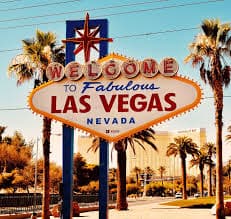
Las Vegas Tourism Plummets 11.3% in June 2025 Amid Economic Uncertainty
Las Vegas, the glittering beacon of entertainment and leisure, is facing a significant setback in 2025 as tourism numbers took a sharp dive. According to the Las Vegas Convention and Visitors Authority (LVCVA), visitor arrivals in June 2025 dropped by 11.3% compared to June 2024, with approximately 3.1 million visitors recorded. This decline marks a continuation of a troubling trend for the city, which has seen a year-to-date reduction of 7.3% in visitation, equating to nearly 1.15 million fewer travelers through May 2025. The downturn, driven by economic uncertainty, reduced consumer spending, and a lack of major events, is casting a shadow over the city’s hospitality and entertainment sectors, impacting jobs and local revenue.
Economic Uncertainty and Consumer Caution
The primary driver behind the tourism slump is a pervasive sense of economic uncertainty gripping both domestic and international travelers. Inflation, rising costs, and a slowing U.S. economy have made consumers more cautious about discretionary spending, particularly on leisure travel to destinations like Las Vegas, which thrives on gambling, luxury hospitality, and entertainment. The Conference Board’s Consumer Confidence Index dropped in June 2025, reflecting growing concerns about job security and financial stability. “Consumers have spent down their pandemic savings, and the costs of consumer goods and services have gone up, as have interest payments on credit cards,” said Stephen Miller, director of research at the University of Nevada, Las Vegas (UNLV) Center for Business and Economic Research. This shift in consumer behavior has led many to opt for more budget-friendly destinations like Mexico or Europe, where the cost of travel feels more manageable.
Additionally, international visitor numbers have taken a significant hit, particularly from Canada, a key market for Las Vegas. Air Canada reported a 13.2% drop in travelers from May to June 2025, with a year-over-year decline of a third in June. Geopolitical tensions, including trade tariffs and strained U.S.-Canada relations, have deterred Canadian visitors. Social media platforms like X reflect this sentiment, with one Canadian user stating, “I used to come to Vegas every year, but it’s gotten too expensive, and the vibe feels off,” echoing broader frustrations with rising costs and perceived political hostility.
Impact on Hotel Occupancy and Gaming Revenue
The tourism decline has had a ripple effect across Las Vegas’s hospitality and gaming sectors. Hotel occupancy rates have plummeted, with June 2025 seeing a citywide occupancy rate of 78.7%, a 6.5 percentage point drop from the previous year. On the Las Vegas Strip, occupancy fell to 81.9%, down from 88.3% in June 2024, while downtown hotels struggled even more, with occupancy rates at just 74.8%. Revenue per available room (RevPAR) on the Strip dropped by 13.5% year-over-year, reflecting weaker demand and reduced consumer spending. The average daily room rate (ADR) also declined by 6.6% to $163.64 citywide, with Strip hotels charging $212.46 and downtown properties averaging $109.39. Despite these declines, the relative stability in room rates suggests hotels are attempting to maintain pricing to avoid devaluing their offerings.
Gaming revenue, a cornerstone of Las Vegas’s economy, has also suffered. Statewide, casino revenue fell by 2.1% in May 2025, with the Las Vegas Strip experiencing a steeper 3.9% decline. Downtown Las Vegas saw an even more pronounced drop, with gaming revenues plummeting by 11% year-over-year. The closure of iconic properties like The Mirage and Tropicana has further exacerbated the situation, reducing the number of available rooms and dampening overall demand. “The numbers are tough,” said Maria Gonzalez, a local casino manager. “We’re seeing fewer high rollers, especially from abroad, and the domestic crowd isn’t spending like they used to.” However, local casinos off the Strip, such as Station Casinos, have reported record profits, indicating that locals are still engaging in gaming, albeit at more budget-conscious venues.
Broader Economic Implications
The decline in tourism is taking a toll on Las Vegas’s economy, which relies heavily on the hospitality and entertainment industries. With fewer visitors, businesses are reporting revenue losses of up to 40% in some cases, putting pressure on jobs, particularly for tipped workers and on-call staff in the service sector. Clark County, often described as a “one-trick pony” due to its dependence on tourism, feels these impacts more acutely than other regions. The LVCVA has forecasted a 5% decrease in room tax revenue for fiscal year 2026, a critical indicator of the tourism industry’s health. This reduction could strain local budgets and limit investments in infrastructure and marketing.
Moreover, passenger traffic at Harry Reid International Airport, the primary gateway for Las Vegas visitors, dropped by 6.6% in June 2025, with a 3.9% decline in May. This reduction in air travel, particularly from international markets, underscores the broader challenges facing the city. Interstate 15 traffic at the Nevada-California border also fell by 4.3%, further reflecting the slowdown in domestic travel.
A Glimmer of Hope: Convention Attendance
Despite the downturn, the convention sector has provided a silver lining. In May 2025, convention attendance rose by 10.7%, with over 511,200 attendees, driven by events like a major healthcare conference. This increase has helped bolster midweek hotel occupancy, which reached 79.3% in May. The LVCVA and industry experts remain cautiously optimistic about the convention sector, noting that forward bookings for 2025 and 2026 remain strong. “The city’s meetings and trade shows schedule through 2026 remains robust,” said Steve Hill, CEO of the LVCVA. These events are critical for stabilizing the tourism economy, as business travelers often spend more consistently than leisure tourists.
Strategies for Recovery
To combat the slump, Las Vegas is implementing a range of strategies. The LVCVA has increased its advertising budget by $37 million for fiscal year 2026, focusing on domestic travelers and emphasizing that Las Vegas offers experiences for every budget. Resorts like Resorts World Las Vegas are offering free parking, while others, such as the Sahara, have eliminated resort fees for the summer to attract price-sensitive visitors. New legislation, including SB459, aims to expand gaming options by introducing private gaming salons and lower minimum betting limits to appeal to a broader audience. Additionally, the LVCVA is leveraging digital marketing, targeting consumers on travel sites to generate demand, which resulted in 300,000 additional visitors in June alone.
The city is also banking on innovative partnerships and new attractions to revitalize interest. Collaborations with technology companies aim to enhance visitor experiences, while a strong lineup of events, including music festivals and sporting events, is expected to boost hotel bookings in the second half of 2025. Fremont Street, for instance, has seen a 6% increase in visitors, driven by attractions like the Viva Vision digital canopy and events such as Wrestlemania in April 2025. These efforts highlight Las Vegas’s adaptability, a trait that has helped it weather past downturns, such as the 2008 financial crisis.
Challenges Ahead
Despite these efforts, challenges remain. The absence of major events like the Super Bowl, which boosted tourism in 2024, has left a void in 2025. Extreme summer heat has also deterred visitors, particularly during the leisure-heavy months of June and July. Social media platforms like Reddit and X reflect growing discontent with Las Vegas’s high costs, with users lamenting resort fees (e.g., MGM Grand’s $50 fee), expensive dining, and overpriced entertainment. “Vegas is pricing itself out. Hotels, food, shows—it’s not the deal it used to be,” one X user posted. Younger generations, less interested in traditional casino gaming, are also seeking alternative destinations, further complicating recovery efforts.
Moreover, geopolitical factors and a softening global economy continue to pose risks. UNLV’s Stephen Miller projects a decline in visitor volume, gaming revenue, and hotel occupancy through 2026, absent major economic shocks. The strong U.S. dollar and tariff-related concerns are particularly impacting Canadian travelers, who face additional financial pressures. These factors, combined with a lack of headline events, could prolong the tourism slump if not addressed.
Looking Forward
Las Vegas faces a critical juncture in 2025. While the city’s tourism industry is grappling with significant challenges, its history of resilience and adaptability offers hope. The LVCVA’s proactive measures, combined with a robust convention calendar and innovative marketing, aim to stabilize the market and attract visitors back to the Strip and beyond. For travelers, the current downturn may present opportunities for deals, with lower room rates and promotions making Las Vegas more accessible. However, for businesses and workers, the focus will be on adapting to shifting consumer behaviors and economic realities.
As Las Vegas navigates this turbulent period, stakeholders are closely monitoring data and consumer sentiment. The city’s ability to innovate and diversify its offerings will be key to ensuring a strong recovery. For now, the neon lights may be shining a bit dimmer, but Las Vegas remains determined to reclaim its status as the Entertainment Capital of the World.
This article is published by NRIGlobe.com, covering global travel and economic trends.