
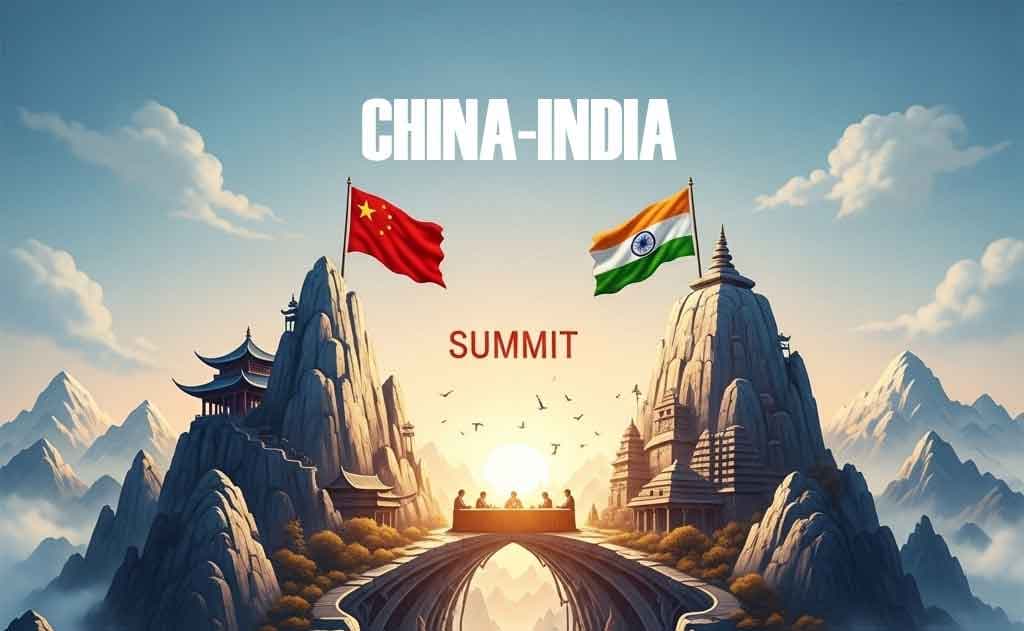
Modi’s China Visit for SCO Summit: A Step Toward Easing India-China Tensions
Indian Prime Minister Narendra Modi is set to make a significant diplomatic move by attending the Shanghai Cooperation Organisation (SCO) Summit in Tianjin, China, from August 31 to September 1, 2025. This visit, his first to China since 2019, comes at a pivotal moment in India-China relations, following the 2020 Galwan Valley clash that strained ties between the two Asian powers. With anticipated bilateral meetings with Chinese President Xi Jinping and Russian President Vladimir Putin, Modi’s trip signals a potential thaw in tensions and underscores India’s strategic balancing act in a complex geopolitical landscape. Here’s an in-depth look at the visit, its implications, and the broader context for www.nriglobe.com readers.
A Historic Visit Amid Evolving Relations
Modi’s return to China after a seven-year hiatus marks a notable shift in India’s diplomatic engagement with its northern neighbor. His last visit in 2019 was for the India-China Informal Summit in Mamallapuram, a time when bilateral ties were relatively stable. However, the 2020 Galwan Valley clash, the deadliest border confrontation in over four decades, resulted in the loss of 20 Indian and at least four Chinese soldiers, plunging relations into a deep freeze. The incident along the Line of Actual Control (LAC) in eastern Ladakh escalated tensions, halted key dialogues, and prompted India to impose restrictions on Chinese investments and apps.
Recent developments, however, suggest a cautious warming of ties. The October 2024 BRICS Summit in Kazan, Russia, saw Modi and Xi hold their first formal bilateral meeting in five years, following an agreement on LAC patrolling to reduce border tensions. The resumption of the Kailash Mansarovar Yatra, a significant cultural and religious pilgrimage, after a five-year hiatus further indicates improving relations. Modi’s participation in the SCO Summit, hosted by China, builds on these steps, with expectations of bilateral talks with Xi to consolidate progress on border de-escalation and explore avenues for cooperation.
The SCO Summit: A Platform for Regional Diplomacy
The SCO, established in 2001 by China and Russia, includes member states like India, Pakistan, Iran, and Central Asian nations, aiming to foster regional stability, counterterrorism, and economic cooperation. The 2025 Tianjin Summit, attended by leaders from over 20 countries, including Russian President Vladimir Putin, will focus on critical issues such as trade, security, and counterterrorism. For India, the SCO provides a platform to advance its “SECURE SCO” vision—emphasizing Security, Economic Development, Connectivity, Unity, Respect for sovereignty, and Environmental protection—while navigating its complex relationships with China and Pakistan.
Modi’s presence at the summit is strategic. India, a full SCO member since 2017, has historically used the platform to assert its regional influence while addressing concerns like cross-border terrorism, often directed at Pakistan. During the 2023 SCO Summit hosted virtually by India, Modi called for united action against terrorism and proposed sharing India’s AI-based language platform, Bhashini, to enhance connectivity. This year, India’s agenda will likely include reinforcing its stance on sovereignty and territorial integrity, especially in light of persistent border issues with China and Pakistan’s presence at the summit.
Bilateral Meetings with Xi and Putin
A key highlight of Modi’s visit is the anticipated bilateral meeting with Chinese President Xi Jinping. The Kazan meeting in 2024 laid the groundwork for disengagement along the LAC, with India regaining access to patrolling points in Depsang and Demchok. Modi emphasized “mutual trust, respect, and sensitivity” as the basis for India-China relations, while Xi advocated for both nations to be “partners rather than competitors.” The Tianjin Summit offers a chance to build on this momentum, potentially addressing trade imbalances, resuming direct flights, and easing restrictions on Chinese businesses in India, which have impacted sectors like chipmaking. However, experts caution that long-term geopolitical rivalry, with China aiming for Asian dominance and India aligning with the U.S. through the Quad, will persist.
Modi’s meeting with Russian President Vladimir Putin is equally significant. India’s strong defense ties with Russia, including the S-400 air defense system deal, remain a cornerstone of its foreign policy. Amid U.S. tariffs on India for its Russian oil imports and pressure from the Trump administration, Modi’s engagement with Putin at the SCO Summit reflects India’s strategy to hedge against Western influence while maintaining its non-aligned stance. Discussions may focus on accelerating defense exports and reinforcing economic cooperation, especially as India prepares to chair the BRICS in 2026 with a “humanity first” approach.
Geopolitical Context and India’s Balancing Act
Modi’s visit comes at a time of heightened global tensions. The U.S., under President Donald Trump, has imposed a 25% tariff on Indian goods and criticized BRICS and SCO nations for challenging the dollar’s dominance and trading with Russia. This has strained India-U.S. relations, despite their $190 billion bilateral trade and India’s role in the Quad alongside the U.S., Japan, and Australia. Modi’s trip to China, following a visit to Japan for the India-Japan Summit on August 30, underscores India’s delicate balancing act—strengthening ties with Western allies while engaging with Russia and China to counter external pressures.
The SCO Summit also highlights India’s broader ambitions. As a rising power, India seeks to position itself as a “Vishwabandhu” (friend of the world), advocating for a multipolar order that respects sovereignty and promotes dialogue. Modi’s participation, alongside Xi and Putin, enhances India’s global stature, especially as it prepares for BRICS leadership in 2026. However, challenges remain, including China’s reluctance to fully support India’s stance on Pakistan-sponsored terrorism and differing views on regional security.
Why This Matters for the Indian Diaspora
For the Indian diaspora, Modi’s visit is a beacon of India’s growing influence on the global stage. The SCO Summit offers a chance to strengthen India’s economic and security ties, potentially benefiting NRIs through enhanced trade and investment opportunities. The thaw in India-China relations could lead to smoother business interactions, particularly in technology and manufacturing, while India’s engagement with Russia ensures energy and defense stability. Moreover, Modi’s focus on counterterrorism and regional connectivity aligns with the diaspora’s interest in a secure and prosperous India.
Looking Ahead
The Tianjin SCO Summit is a critical juncture for India to navigate its complex relationships with China and Russia while asserting its global leadership. Modi’s meetings with Xi and Putin could pave the way for further de-escalation along the LAC, enhanced trade cooperation, and strengthened regional security frameworks. However, India’s long-term rivalry with China and its strategic alignment with the West will require careful diplomacy to maintain balance.
As Modi steps onto Chinese soil, the world will watch closely. His visit is not just about attending a summit but about shaping India’s role in a multipolar world, fostering peace, and driving economic progress. For www.nriglobe.com readers, this moment underscores India’s resilience and ambition, offering hope for a future where dialogue triumphs over discord.
Related NRI Globe Coverage
- PM Modi Meets Chinese Foreign Minister Wang Yi, Signals Progress in India-China Ties Ahead of SCO Summit
- How to Apply for OCI Card in 2026: Step-by-Step Guide for NRIs
- How to Create an AWS Free Tier Account in the USA: Complete Step-by-Step Guide for 2026
- US-India Trade Tensions Escalate as Navarro Criticizes Modi’s Geopolitical Moves
- White House Jumps on TikTok Bandwagon: A Bold Move Amid Security Fears and China Tensions
- Modi’s UK Visit: Aiming for Stronger Ties with FTA
- Trump Urges Support for AI Data Centers on Fox News — US-China Race, Stocks, Local Opposition (NRI Perspective)
- France News This Week: April 2026 – Diplomatic Tensions, Rising Fuel Costs, and a Touch of National Heritage
Fresh from NRI Globe
- YouTuber Nandu's World (Rama Nandana) UK Visa & Job Fraud Case: Full Details + Key Lessons for NRIs (2026)
- Dussehra / Vijayadashami 2026 Events Country-Wise — Global NRI Directory (Ram Lila, Ravana Dahan, Durga Puja Pandals, Ayudha Puja Venues + Booking)
- Diwali 2026 Events Country-Wise — Global NRI Directory (White House, Leicester, London Trafalgar, Toronto, Auckland, Sydney Parramasala, Fiji, Mauritius, Trinidad, South Africa and More)
- Diwali / Deepavali 2026 Country-Wise NRI Celebrations — Complete Global Guide (USA, UK, Canada, Australia, Fiji, Mauritius, Trinidad, South Africa, UAE and 30+ Countries)