
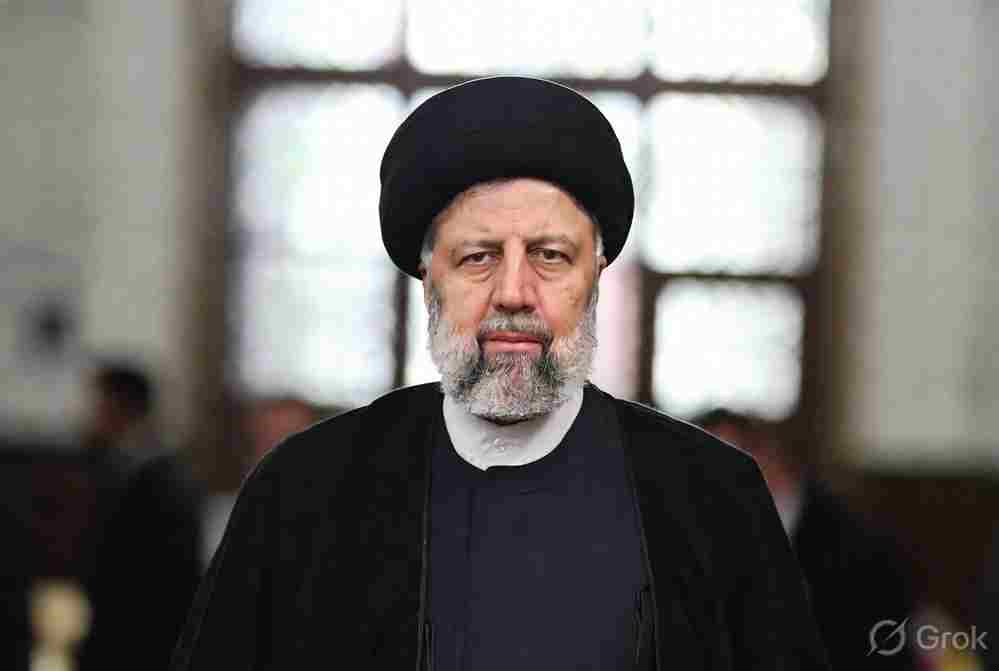
Mojtaba Khamenei Named Iran's New Supreme Leader Following Ayatollah Ali Khamenei's Death in US-Israel Strikes
Published: March 1, 2026 By NRIGlobe Desk Category: World News | Middle East
In a dramatic and rapid development amid escalating conflict, Mojtaba Khamenei, the second-eldest son of the late Ayatollah Ali Khamenei, has reportedly been named as Iran's new Supreme Leader. This follows the confirmed death of Ayatollah Ali Khamenei on February 28, 2026, during joint US-Israeli strikes on Iranian targets, including leadership compounds in Tehran.
Reports emerging from Tehran and circulated across international media outlets, including social media platforms and news agencies, indicate that Mojtaba Khamenei— a 56-year-old Shiite cleric with significant behind-the-scenes influence—has assumed the role. This marks an unprecedented father-to-son transition in the Islamic Republic's leadership, raising questions about stability, legitimacy, and potential internal divisions during a time of war.
Background on the Succession Crisis
Ayatollah Ali Khamenei, who held the position of Supreme Leader for nearly 37 years since succeeding Ayatollah Ruhollah Khomeini in 1989, was killed in the massive Operation Epic Fury (US) / Roaring Lion (Israel) airstrikes. The attacks targeted nuclear sites, missile facilities, and key command centers, resulting in the deaths of numerous senior officials and military leaders.
Under Iran's constitution, upon the death of the Supreme Leader, a temporary leadership council—comprising the President (Masoud Pezeshkian), the Judiciary Chief (Gholamhossein Mohseni Ejei), and a jurist from the Guardian Council—assumes interim duties. The 88-member Assembly of Experts, a body of senior clerics, is constitutionally required to convene "as soon as possible" to select a permanent successor.
Mojtaba Khamenei has long been viewed as a frontrunner due to his close ties to the regime's inner circle, including the Islamic Revolutionary Guard Corps (IRGC), and his role in managing aspects of his father's influence and wealth. Speculation about his succession intensified after the 2024 death of former President Ebrahim Raisi (a previous presumed heir) in a helicopter crash. While some reports suggest pre-arranged preferences by the late leader, others highlight potential opposition to a dynastic shift, which critics argue contradicts Islamic principles and could spark unrest among reformists, hardliners, or the public.
Key Details on Mojtaba Khamenei
- Age and Background: Born September 8, 1969, Mojtaba is a cleric educated in Qom seminaries. He has avoided public elected office but wields considerable informal power.
- Influence: Often described as a hardliner with IRGC connections, he has been linked to suppressing protests and managing regime finances.
- Controversy: A hereditary succession could provoke backlash, as some view it as establishing a "religious dynasty" post-1979 revolution against monarchy.
Current Situation and Implications
As of March 1, 2026, confirmation from official Iranian state media (such as IRNA) on Mojtaba's appointment remains limited or emerging, with much of the information stemming from reports, social media announcements, and international outlets citing Tehran sources. Iran continues to face ongoing strikes and retaliatory actions, with missile and drone responses targeting Israel and US interests in the region.
This leadership change occurs against heightened domestic and international tensions:
- Potential for IRGC power grabs or factional struggles.
- Risks of further escalation in the conflict.
- Impact on Iran's nuclear program, proxy networks (Hezbollah, Houthis), and global relations.
Experts note that while the regime has mechanisms for continuity, the speed of this transition amid war adds uncertainty. The Assembly of Experts' final decision could still shift based on internal deliberations.
NRIGlobe will continue monitoring official announcements and developments from reliable sources like Iranian state media, international wire services, and government statements.
For the latest verified updates, refer to official channels such as IRNA or global news agencies. This article is compiled from multiple public reports as of March 1, 2026, and reflects the fast-evolving situation.