
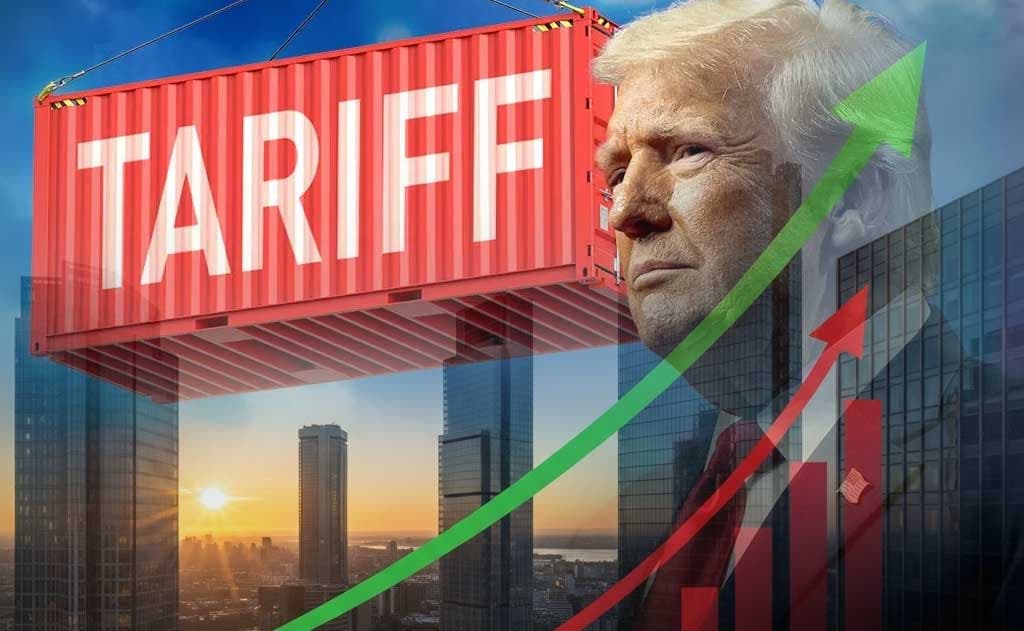
President Donald Trump's tariffs, implemented in 2025, have generated over $100 billion in revenue, largely from imports, including a 50% tariff on Indian goods. While these measures have spurred job creation in U.S. manufacturing, they're hitting Non-Resident Indians (NRIs) hard, with increased household expenses and unique challenges for the diaspora. Here's how these tariffs are reshaping life for NRIs in the U.S. and their ties to India.
Revenue Boom and Economic Trade-Offs
The tariffs, leveraging the International Emergency Economic Powers Act, have poured significant revenue into U.S. coffers, with posts on X noting a record-breaking $100 billion haul this year. This has bolstered domestic manufacturing, creating jobs in sectors like steel and aluminum, where tariffs reach 50%. However, the cost is steep for consumers, including NRIs, with household expenses rising by an estimated $1,200 annually due to pricier electronics, clothing, and cultural goods like Indian textiles and jewelry.
Direct Impacts on NRIs
- Higher Costs for Indian Imports: The 50% tariff on Indian goods, including a 25% reciprocal tariff and a 25% penalty for India's Russian oil purchases, has spiked prices for items NRIs cherish, such as sarees, spices, and handicrafts. A $200 kurta could now cost $300, straining budgets and affecting small NRI-owned businesses importing these goods.
- Remittance Tax Burden: The "Big Beautiful Bill," effective January 1, 2026, introduces a 1% tax on remittances to India. For NRIs sending $10,000 to family or for investments, this adds a $100 cost, prompting some to accelerate transfers before the deadline.
- Weaker Rupee, Mixed Effects: The tariffs have weakened the Indian rupee to around 87 against the dollar, making remittances more valuable in India but increasing costs for Indian families reliant on NRIs, as imported essentials like oil drive up local prices.
Indirect Impacts on NRIs
- Inflation Risks: Economists warn that tariffs could fuel inflation, with consumer prices already climbing 1.7% to 2.1%. For NRIs, this means higher living costs in the U.S., particularly for groceries and electronics, squeezing disposable income for remittances or cultural purchases.
- Job Market Pressures: While U.S. manufacturing gains jobs, NRIs in tech and other sectors face uncertainty. Trump's push to prioritize American workers and tighten H-1B visa rules, echoed in X posts, could limit opportunities for Indian professionals, impacting career stability.
- Strained U.S.-India Ties: The tariffs, coupled with Trump's criticism of India's trade policies, have cooled bilateral relations. This could foster a challenging environment for NRIs, who may feel caught between their U.S. lives and Indian roots amid rising geopolitical tensions.
Opportunities for NRIs
Despite the challenges, NRIs can find silver linings. The weaker rupee boosts the value of remittances and investments in India, particularly in real estate before the tax hits. Exemptions for pharmaceuticals could benefit NRIs in that sector, as Indian companies like Sun Pharma maintain stable U.S. demand. Ongoing U.S.-India trade talks may also yield relief, potentially easing tariffs by fall 2025.
Navigating the New Reality
- Optimize Finances: NRIs should consider larger remittances before the 2026 tax or explore digital wallets to minimize costs. Consulting tax experts under the U.S.-India DTAA can help.
- Adapt Businesses: NRI entrepreneurs should diversify suppliers or focus on domestic U.S. markets to offset tariff costs on Indian imports.
- Stay Engaged: Monitoring trade negotiations and advocating for fair policies can help NRIs influence outcomes that affect their livelihoods.
Conclusion
Trump's tariffs have brought a revenue windfall and some U.S. job growth, but for NRIs, they mean higher costs for goods, remittances, and living expenses. With inflation looming and job market pressures growing, NRIs must adapt strategically while leveraging opportunities like a stronger remittance value. As U.S.-India relations evolve, the diaspora's resilience will be key in balancing economic challenges with cultural and financial ties to India.
Visit NRIGlobe.com for more insights on global policies impacting the Indian diaspora.
Related NRI Globe Coverage
- France News This Week: April 2026 – Diplomatic Tensions, Rising Fuel Costs, and a Touch of National Heritage
- How Trump's 2026 Tariffs & Greenland Row Affect India
- Trump Tariffs & Cost of Living 2026: Price Hikes on Goods That Affect NRIs in the USA
- Trump's Bold Greenland Bid Heats Up: Military Option Discussed – What It Means for NRI Investors and Global Strategy
- Trump's Tariffs and Trade Wars in 2026: How They Affect NRI Families
- Federal Appeals Court Strikes Down Trump’s Tariffs as Illegal Overreach: A Blow to Trade Policy
- The Ripple Effect of Trump’s Tariffs on NRIs: Direct and Indirect Impacts
- Chris Sununu Slams Trump’s Tariffs on India as Threat to U.S. Manufacturers
Fresh from NRI Globe
- YouTuber Nandu's World (Rama Nandana) UK Visa & Job Fraud Case: Full Details + Key Lessons for NRIs (2026)
- Dussehra / Vijayadashami 2026 Events Country-Wise — Global NRI Directory (Ram Lila, Ravana Dahan, Durga Puja Pandals, Ayudha Puja Venues + Booking)
- Diwali 2026 Events Country-Wise — Global NRI Directory (White House, Leicester, London Trafalgar, Toronto, Auckland, Sydney Parramasala, Fiji, Mauritius, Trinidad, South Africa and More)
- Diwali / Deepavali 2026 Country-Wise NRI Celebrations — Complete Global Guide (USA, UK, Canada, Australia, Fiji, Mauritius, Trinidad, South Africa, UAE and 30+ Countries)