The Iran war entered its 38th day on Monday, April 6, 2026, triggering fresh volatility in global markets. President Donald Trump’s strong Easter Sunday warning — threatening strikes on Iranian power plants and bridges if the Strait of Hormuz is not reopened — has intensified fears of prolonged disruption to nearly 20% of the world’s oil and LNG supply.
For millions of NRIs, especially those in the Gulf countries (UAE, Saudi Arabia, Qatar, Kuwait), the US, UK, and Canada, these developments are not just headlines. They directly influence your salary, savings, remittances to family in India, fuel and living costs, and even the value of your investments.
Oil Prices Today: Sharp Rise on Escalation Fears
- Brent crude climbed to around $110–111 per barrel in early trading.
- WTI crude crossed $111–114 levels in some sessions, reflecting a significant risk premium due to the ongoing blockade of the Strait of Hormuz.
This surge comes after Trump’s fiery Truth Social post demanding Iran open the strait or face severe consequences. While the daring US rescue of the downed F-15E Strike Eagle crew member (“We Got Him”) boosted American morale, it also underscores that the conflict remains active with no immediate resolution in sight.
How This Affects NRIs – Key Concerns on April 6
1. Gulf-Based NRIs (UAE, Saudi Arabia & Other GCC Countries) Over 9 million Indians work in the Gulf, sending home billions in remittances every year.
- Higher oil prices may benefit some energy-sector jobs in the short term, but disrupted shipping and regional tensions are causing project delays in construction, hospitality, and logistics.
- Safety concerns persist as Iranian retaliation (including recent missile activity) has raised alerts in parts of the Gulf. Many NRIs are closely watching employer policies and Indian embassy advisories.
- If the crisis drags on, risks of job slowdowns or early repatriation could increase.
2. Remittances to India Any slowdown in Gulf earnings due to economic uncertainty could reduce money sent back to families in Kerala, Telangana, Andhra Pradesh, Punjab, and other states. At the same time, a weaker rupee (if it depreciates further due to higher oil import bills) could make your overseas earnings stretch further when converted to INR.
3. Impact on Your Investments & Savings
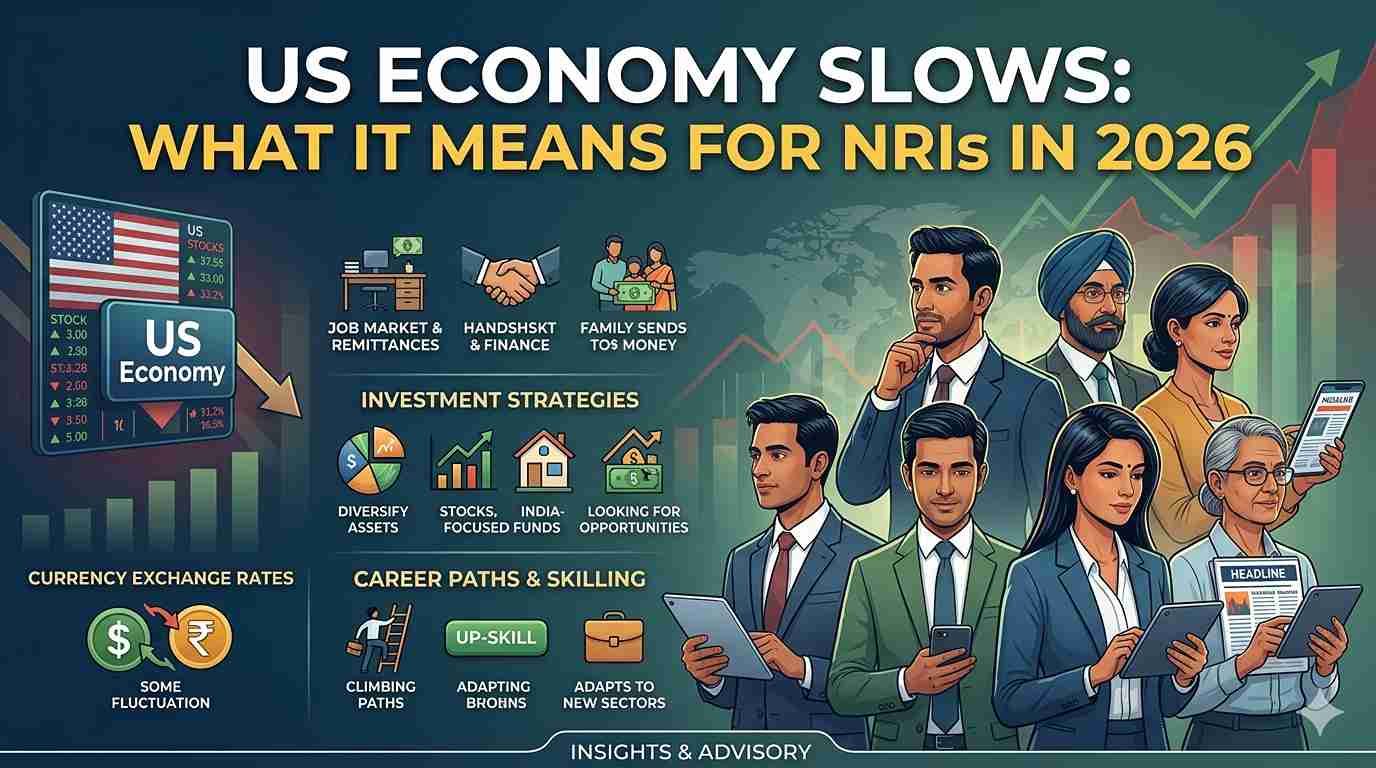
- US & Western NRIs: Stock markets showed risk-off sentiment with US futures (S&P 500, Dow, Nasdaq) opening lower. Defense and energy stocks gained, but broader indices faced pressure from inflation fears. If you have 401(k), RRSP, or stock portfolios, expect short-term volatility.
- Gold and Safe Havens: Precious metals saw some support amid geopolitical uncertainty.
- Rupee Movement: Higher oil prices are putting pressure on India’s current account, which could weaken the rupee against the dollar — good news for remittances but challenging for those planning to buy property or make large purchases in India.
4. Daily Living Costs
- Airlines (including those on India-Gulf and India-US routes) may hike fuel surcharges, making travel more expensive.
- Back home in India, rising crude prices translate to higher petrol, diesel, LPG, and transportation costs, indirectly affecting your family’s budget.
Market Snapshot – April 6, 2026 (Early Trading)
- Oil: Brent ~$110+, WTI elevated due to Hormuz risks.
- Equities: Cautious trading with energy sector outperforming; tech and consumer stocks under pressure.
- US Dollar: Strengthened as a safe-haven currency.
- Asian Markets: Mixed reactions, with some energy importers feeling the pinch.
Analysts warn that sustained high oil prices could add to global inflation while slowing growth — a difficult combination for emerging markets like India.
Outlook for NRIs – What Should You Do?
The situation remains fluid. Trump has hinted that core military objectives are progressing and the US may look to wind down operations if Iran complies with demands. However, indirect ceasefire talks are still facing hurdles, and the April 7–8 deadline on the Strait of Hormuz is critical.
Practical Tips for NRIs:
- Build or maintain an emergency fund in stable currencies.
- Monitor oil price trends and rupee movement closely.
- Stay updated with MEA advisories and your employer’s contingency plans.
- Consider diversifying investments to hedge against energy-driven volatility.
Stay tuned to NRIGlobe.com for daily NRI-focused coverage of the Iran war, its effect on global markets, Gulf jobs, remittances, and practical advice for Indians living abroad.
Last updated: April 6, 2026. Market movements are based on early trading data and can change rapidly.