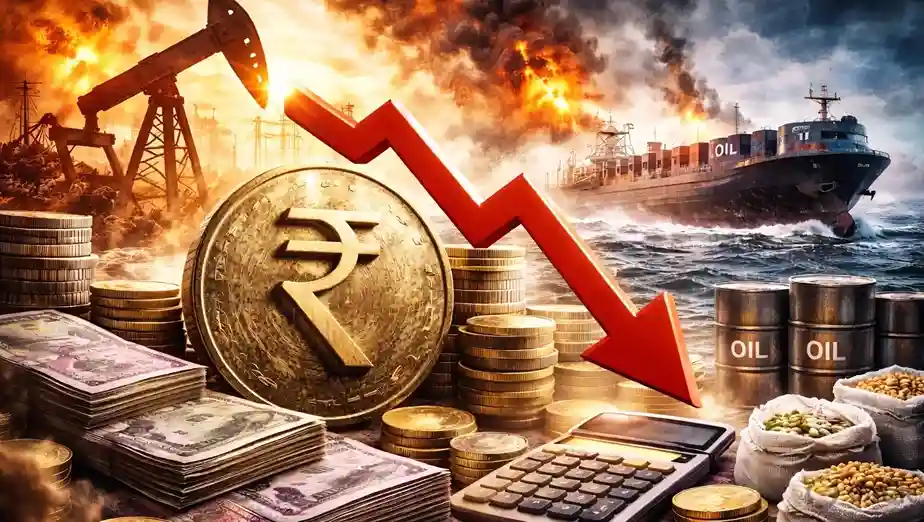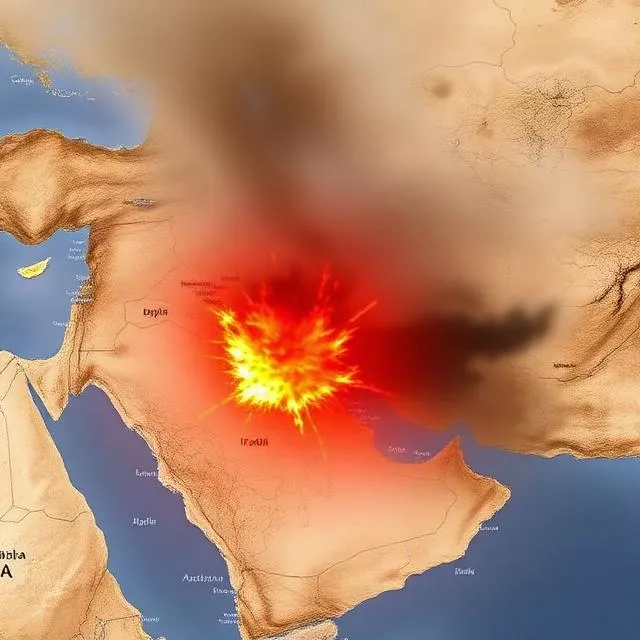
April 8, 2026 – Global oil prices have crashed dramatically following U.S. President Donald Trump’s announcement of a two-week ceasefire with Iran and the planned reopening of the Strait of Hormuz. Brent crude plunged over 13-16% to around $94-95 per barrel, while WTI crude dropped nearly 14-17% to hover near $94-96 per barrel. This sharp reversal from recent highs above $110-120 offers significant positive implications for the global Indian diaspora.
For NRIs (Non-Resident Indians) spread across the US, UK, Canada, UAE, Saudi Arabia, and other Gulf countries, the oil price collapse brings welcome relief on multiple fronts – from lower living costs to potential stability in remittances and investments. Here’s a complete breakdown tailored for the Indian diaspora.Finance.yahoo
1. Lower Fuel and Living Costs – Direct Savings at the Pump and Home
- In the United States and Canada: Gasoline prices, which had climbed close to $4.12 per gallon in recent weeks due to the Hormuz blockade, are expected to ease in the coming 7-10 days. NRIs in these countries will see reduced commuting and transportation expenses, helping household budgets strained by the recent energy shock.
- In the UK and Europe: Higher energy bills and fuel costs that hit hard during the crisis should moderate, providing relief to NRI families.
- In India (for families back home): Petrol and diesel prices in cities like Hyderabad, Mumbai, Delhi, and others are likely to see downward pressure soon. This will lower household inflation and transportation costs for parents, spouses, and relatives dependent on remittances.
Overall, the drop removes the immediate “war premium” that had inflated global energy prices, translating into real savings for NRI households.Sundayguardianlive
2. Positive Impact on the Indian Rupee and Remittances
During the height of the crisis, high oil prices widened India’s current account deficit, weakened the rupee (which hit record lows near 94-95 levels), and raised fears of slower remittance inflows from the Gulf.
- With oil prices falling sharply, pressure on the Indian Rupee (INR) is expected to ease. A stronger or stable rupee means:
- Remittances sent by NRIs will have higher purchasing power back in India.
- Less erosion of savings when converting foreign earnings to rupees.
- Gulf remittances (which form nearly 30-38% of India’s total inflows, with heavy contribution from UAE and Saudi Arabia) had faced risks from potential economic slowdown in oil-dependent economies. The ceasefire and lower prices reduce this risk, supporting job security and earning potential for Indian workers in the Middle East.
For NRIs sending money home regularly, this shift could mean more rupees reaching families for education, healthcare, weddings, or property investments.Mufgresearch
3. Benefits for NRIs in the Gulf (UAE, Saudi Arabia, Qatar, Kuwait)
- Gulf economies, heavily reliant on oil revenues, faced uncertainty during the blockade. Lower (but still reasonable) oil prices post-ceasefire are likely to stabilize rather than crash these economies in the short term.
- Reduced risk of large-scale project delays or job cuts in construction, logistics, and services sectors where many Indians work.
- Indian businesses and professionals in the region may see improved sentiment, potentially leading to better investment opportunities and economic activity.
However, a prolonged period of very low prices could pressure fiscal spending in some Gulf nations — though the current two-week window and ongoing negotiations suggest measured relief rather than immediate shock.
4. Broader Economic and Investment Implications for NRIs
- Inflation Cooling in India: Lower oil prices help moderate domestic inflation, which is good news for NRI parents funding children’s education or planning retirement in India. It also reduces the likelihood of sharp interest rate hikes by the RBI.
- Stock Markets and Investments: Indian equity markets and broader global indices (especially airlines, consumer, and transportation sectors) are likely to see positive momentum as energy costs fall. NRIs with investments in Indian mutual funds, stocks, or real estate may benefit from improved sentiment.
- Current Account and Growth: Reduced oil import bill supports India’s external balance, potentially attracting more foreign investment and boosting overall economic growth — a win for NRI-linked businesses and family finances.
- Cautionary Note: The ceasefire is temporary (two weeks). If tensions reignite or full reopening of the Strait faces delays, volatility could return. NRIs should monitor developments closely.
NRIGlobe Takeaway for the Global Indian Community
The dramatic oil price collapse is a major de-escalation moment that shifts the narrative from crisis to cautious optimism for NRIs. Families in the US, Canada, UK, and especially the Gulf will feel the difference through lower fuel bills, stronger remittance value, and reduced economic anxiety back home in India.
This episode also highlights India’s vulnerability to global energy shocks — and the resilience of the diaspora that continues to support the homeland through remittances exceeding $100 billion annually.
What NRIs Should Do Now:
- Watch gasoline and utility bills for quick savings.
- Review remittance plans — a stabilizing rupee could be advantageous.
- Stay updated on India’s economic indicators and Gulf job markets.
- Consider diversified investments as markets react positively to lower energy costs.
Follow NRIGlobe.com for continuing coverage on how global events affect the Indian diaspora. We’ll keep you updated on oil market developments, rupee movements, and practical advice for NRIs worldwide.
Have you already noticed lower fuel prices in your city? Or are you an NRI in the Gulf feeling more optimistic? Share your thoughts in the comments below.
Market data and analysis as of April 8, 2026, based on major international reports.