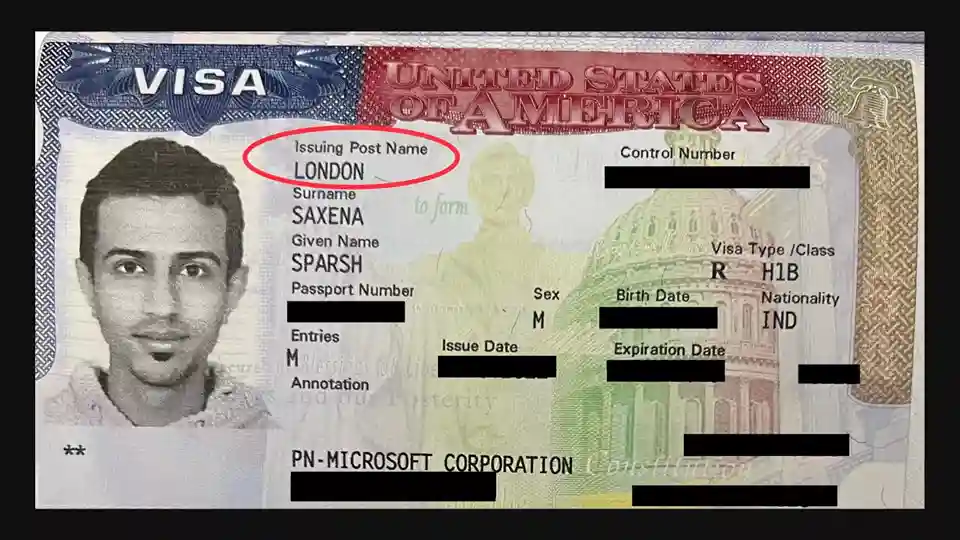
The US has officially replaced the random H-1B visa lottery with a wage-weighted selection system starting FY 2027 (registration in March 2026). This landmark change prioritizes higher-paid and higher-skilled foreign workers, directly affecting the tens of thousands of Indians who receive the majority of H-1B visas every year.
Indians have historically accounted for around 65-70% of H-1B approvals, especially in IT, software engineering, and STEM fields. The shift from pure chance to a system that rewards salary levels (based on DOL’s OEWS wage tiers) is creating both challenges and new strategies for NRIs, Indian students on OPT, and professionals in India eyeing US opportunities.
What Exactly Changed in the H-1B Selection Process?
Under the old system, every valid registration had an equal chance in the lottery when demand exceeded the 85,000 annual cap (65,000 regular + 20,000 for US advanced degree holders).
Now, each registration for a unique beneficiary receives weighted entries based on the offered wage relative to the Department of Labor’s four wage levels for that occupation and location:
- Wage Level IV (highest – expert/senior/supervisory roles): 4 entries → ~61% estimated selection probability
- Wage Level III (experienced): 3 entries → ~46% probability
- Wage Level II (qualified): 2 entries → ~31% probability
- Wage Level I (entry-level/basic): 1 entry → ~15% probability
Higher wages give significantly better odds — up to 4 times that of entry-level roles. The cap remains the same, but the playing field is now tilted toward better-compensated positions.
This rule took effect February 27, 2026, and applied to the FY 2027 season. USCIS confirmed the cap was reached, with selections notified and petitions open from April 1, 2026.
Specific Impact on Indians and NRIs
- Disadvantage for Entry-Level & Recent Graduates Many Indian applicants — especially those transitioning from F-1 OPT after US master’s programs or fresh hires from Indian campuses — target entry or junior roles often classified as Wage Level I or II. Their selection odds have dropped sharply (nearly halved for Level I in projections). Early-career professionals now face tougher competition.
- Advantage for Experienced & Senior Professionals Mid-to-senior Indian IT professionals, architects, data scientists, and managers with higher salary offers (Level III/IV) see improved chances. Companies willing to pay competitive US market rates for experienced talent benefit most.
- Hit to Outsourcing & IT Consulting Models Large Indian IT services firms that historically filed high volumes of lower-wage registrations for bench or project-based roles face reduced success rates. The accompanying $100,000 additional fee (on certain new petitions involving workers abroad or consular processing) further discourages mass low-wage filings, leading to a reported 30-50% drop in overall registrations for FY 2027.
- Modest Shift in India’s Overall Share Projections suggest India’s share of selections may decline slightly (by ~2 percentage points to around 65.5%) under the wage-weighting rule, with small gains for countries like Canada. However, the reduced total registration pool has improved baseline odds for many remaining applicants.
- Effect on Indian Students & OPT Holders International students (a large Indian cohort) applying for change-of-status from OPT often target entry-level roles. While many are exempt from the $100K fee, the lower weighting for junior positions makes conversion harder. Employers may now prefer sponsoring experienced candidates already in the US or those with stronger salary offers.
Broader Effects on NRIs and Indian Diaspora
- Green Card Backlogs Remain a Pain Point: Even with H-1B approval, Indians face multi-year (or decade-long) waits for employment-based green cards due to per-country limits. The new rule doesn’t change this.
- Family & Career Planning: Uncertainty is pushing some NRIs to consider alternatives like Canada, Germany, or remote work for US firms while staying in India.
- Higher Salaries Overall: Selected H-1B workers are likely to earn more on average, which could mean better compensation for those who succeed but fewer total opportunities at the lower end.
- Employer Behavior: US companies and Indian subsidiaries are adjusting by raising offered salaries, redesigning job titles for higher wage levels, or focusing on cap-exempt employers (universities, nonprofits).
Opportunities & Strategies for Indians in 2026 and Beyond
- Aim Higher: Target roles with salaries that qualify for Wage Level III or IV. Use the DOL OEWS wage search tool to check levels for your SOC code and location.
- Leverage US Education: US master’s graduates still enjoy the 20,000 advanced-degree exemption and often better positioning for change-of-status (frequently fee-exempt).
- Focus on Cap-Exempt Employers: Nonprofits, universities, and research institutions are not subject to the cap or weighting — a strong route for many.
- Strengthen Your Profile: Emphasize specialized skills, experience, and quantifiable achievements. Employers now scrutinize wage attestations more carefully.
- Explore Alternatives: O-1 (extraordinary ability), EB-1/NIW for green card pathways, or L-1 for intra-company transfers (where applicable) are gaining attention.
- Plan Early: Work with immigration counsel and HR to align job offers with OEWS data. Accurate SOC code and wage level selection is critical.
The Road Ahead
The FY 2027 season has already concluded under the new rules, with a smaller but more competitive pool. While the change aims to protect US workers and prioritize high-value talent, it is reshaping the dream of working in America for many Indians.
For NRIs already in the US on H-1B, extensions and transfers are generally less affected. For those in India or on OPT, the message is clear: higher skills + competitive compensation = better odds.
Stay Updated: Monitor USCIS.gov for official guidance, the Federal Register, and visa bulletin updates. Consult qualified immigration attorneys for personalized advice, as rules and fee applicability can have nuances.
At NRIGlobe.com, we continue tracking these developments to help the global Indian community navigate opportunities abroad. Have you been impacted by the new H-1B rules? Share your experience in the comments.