By NRIGlobe Team | April 22, 2026 | 10 min read
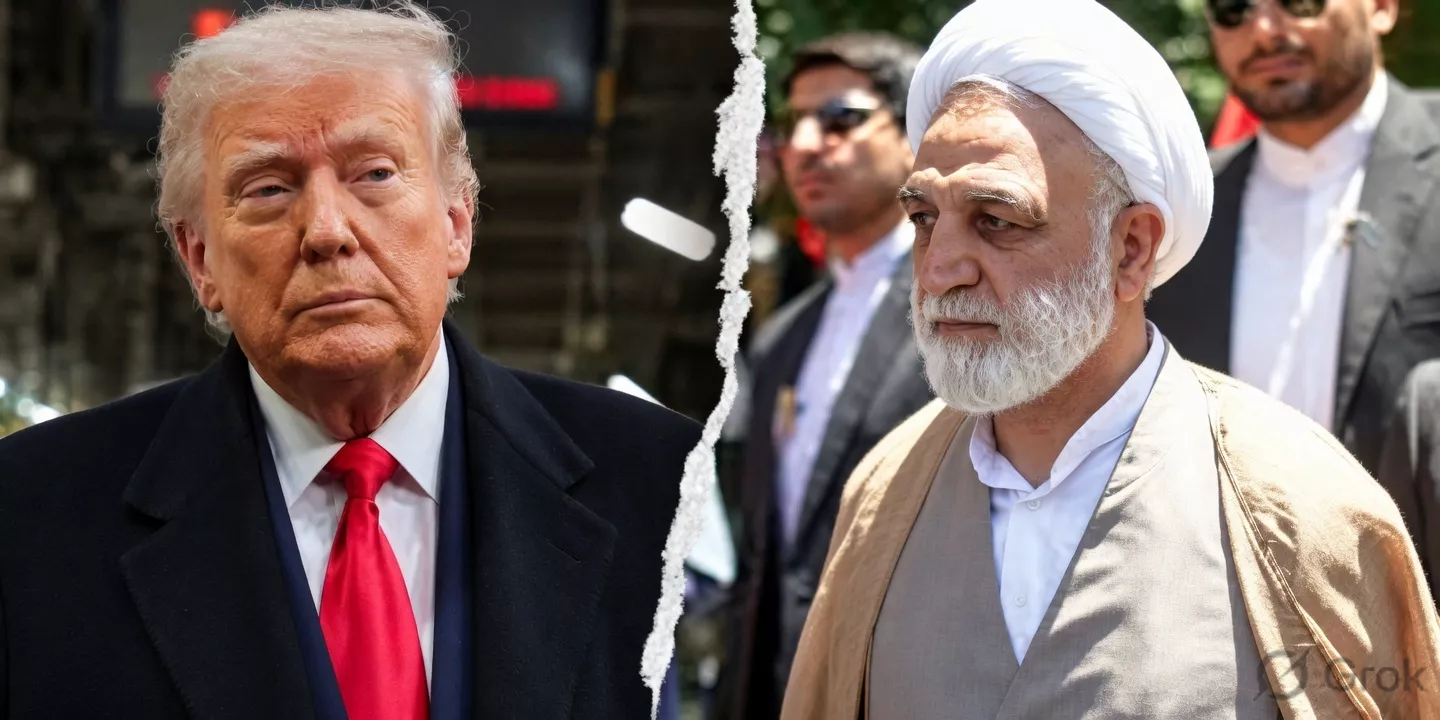
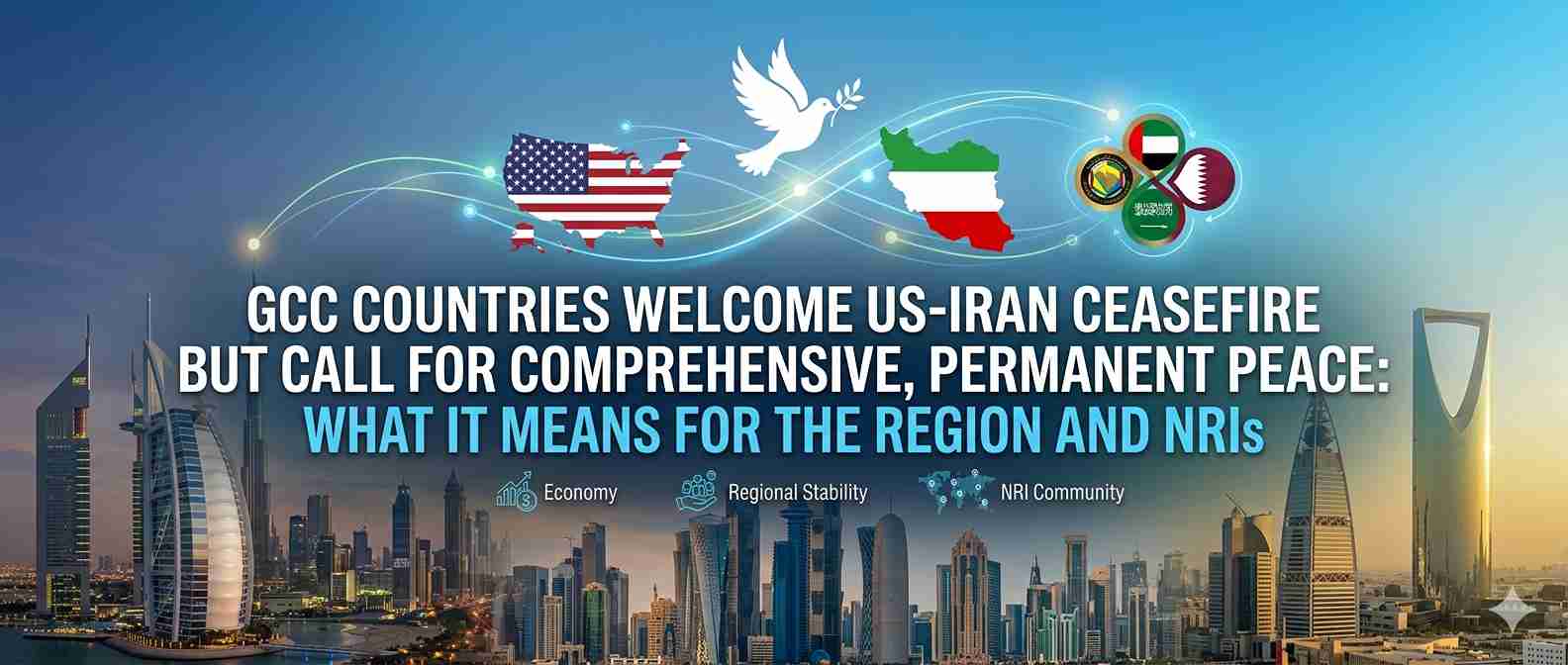
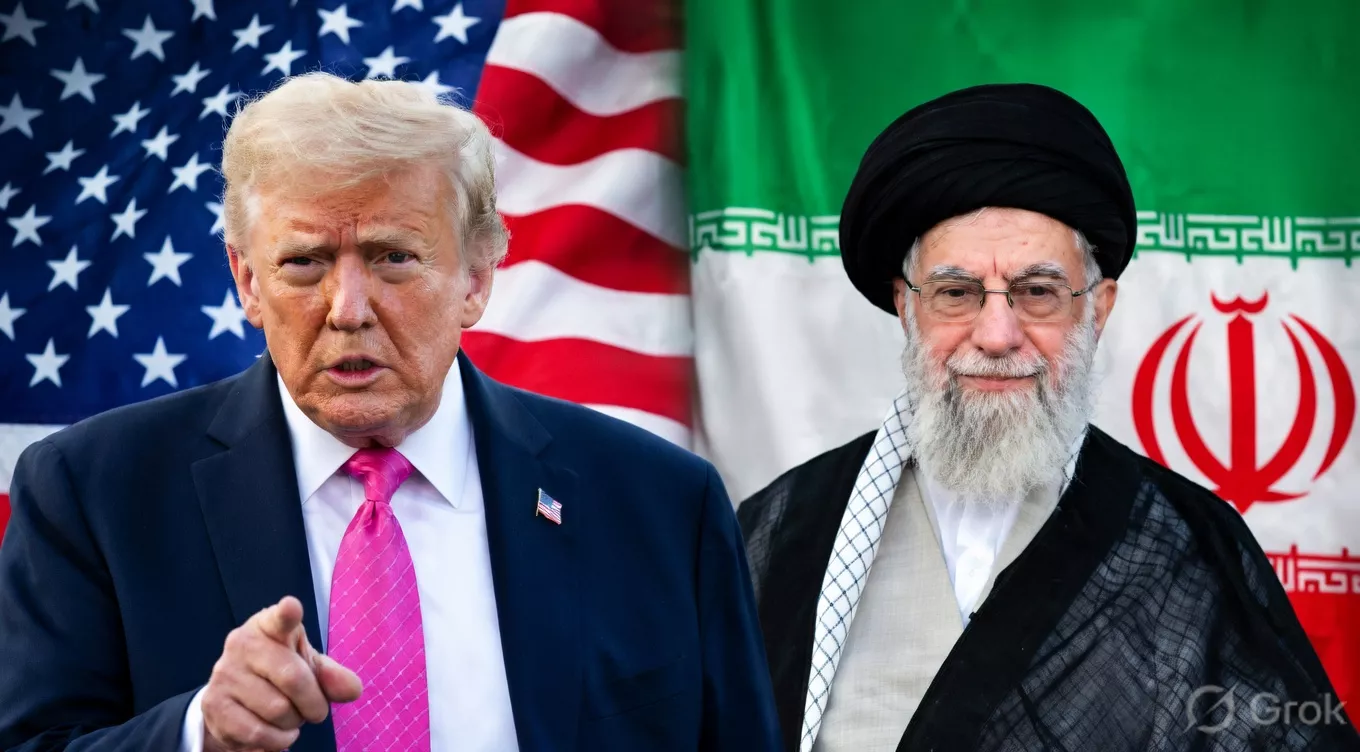
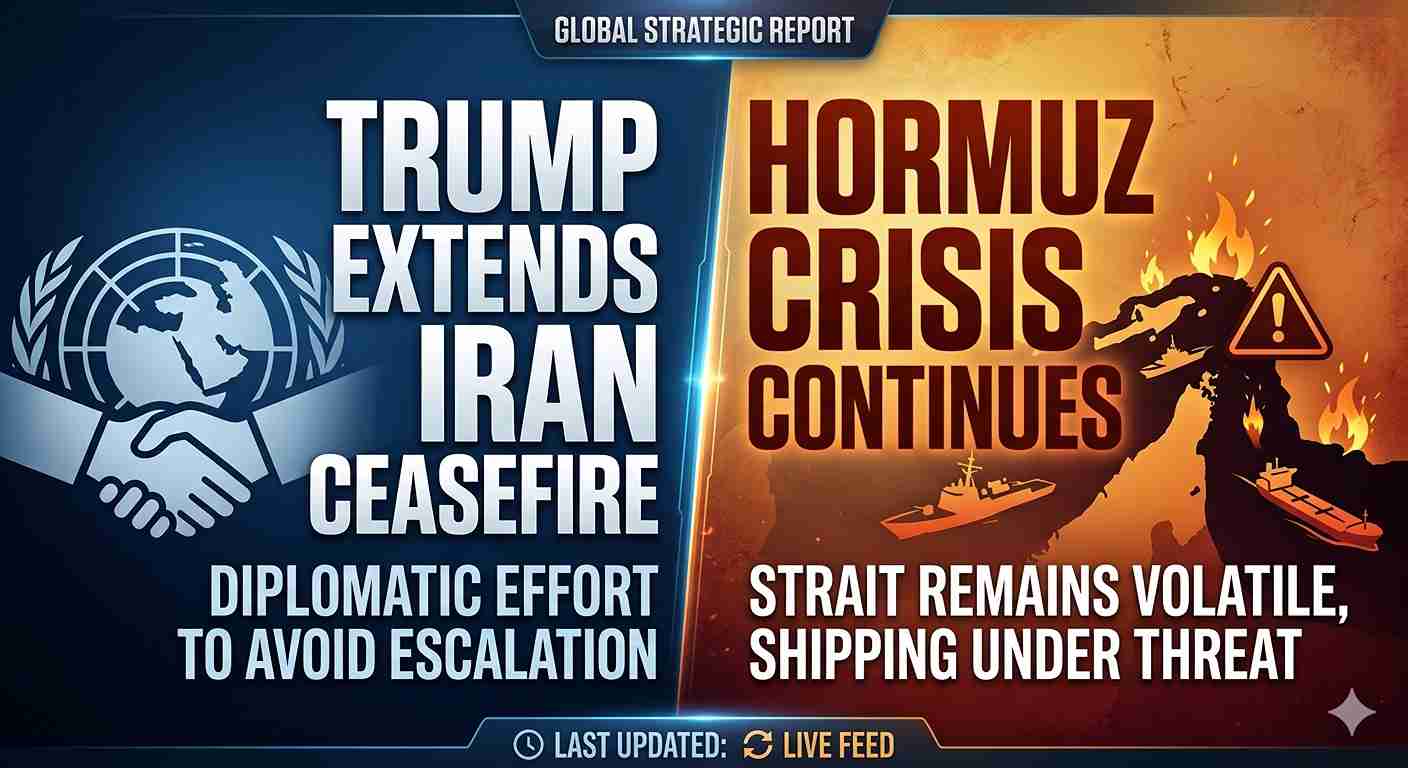
President Donald Trump has extended the US-Iran ceasefire indefinitely, giving Tehran more time to submit a “unified proposal” to end the conflict. However, the US naval blockade of Iranian ports remains firmly in place, keeping pressure on Iran while peace talks remain uncertain.
This update is especially important for NRIs and the Indian diaspora across the Gulf, USA, UK, Canada, and Australia. At NRIGlobe.com, we bring you clear, NRI-focused coverage of how global events like the Iran war affect your family, finances, jobs, and safety.
Trump’s Latest Announcement on Iran Ceasefire
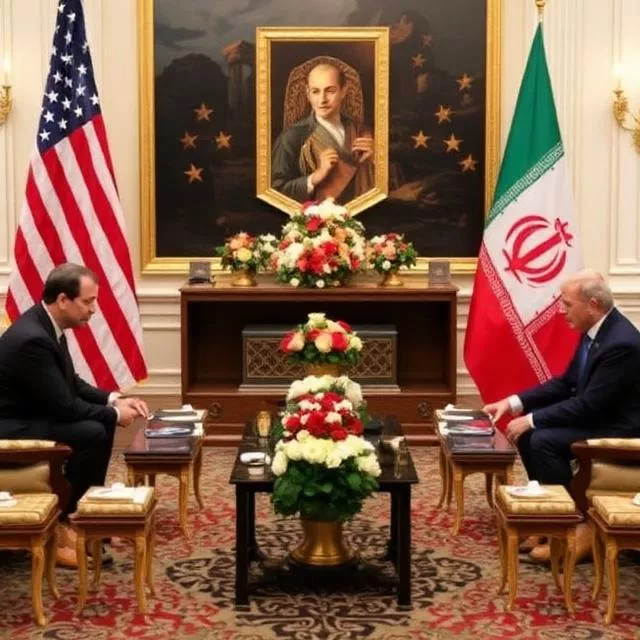
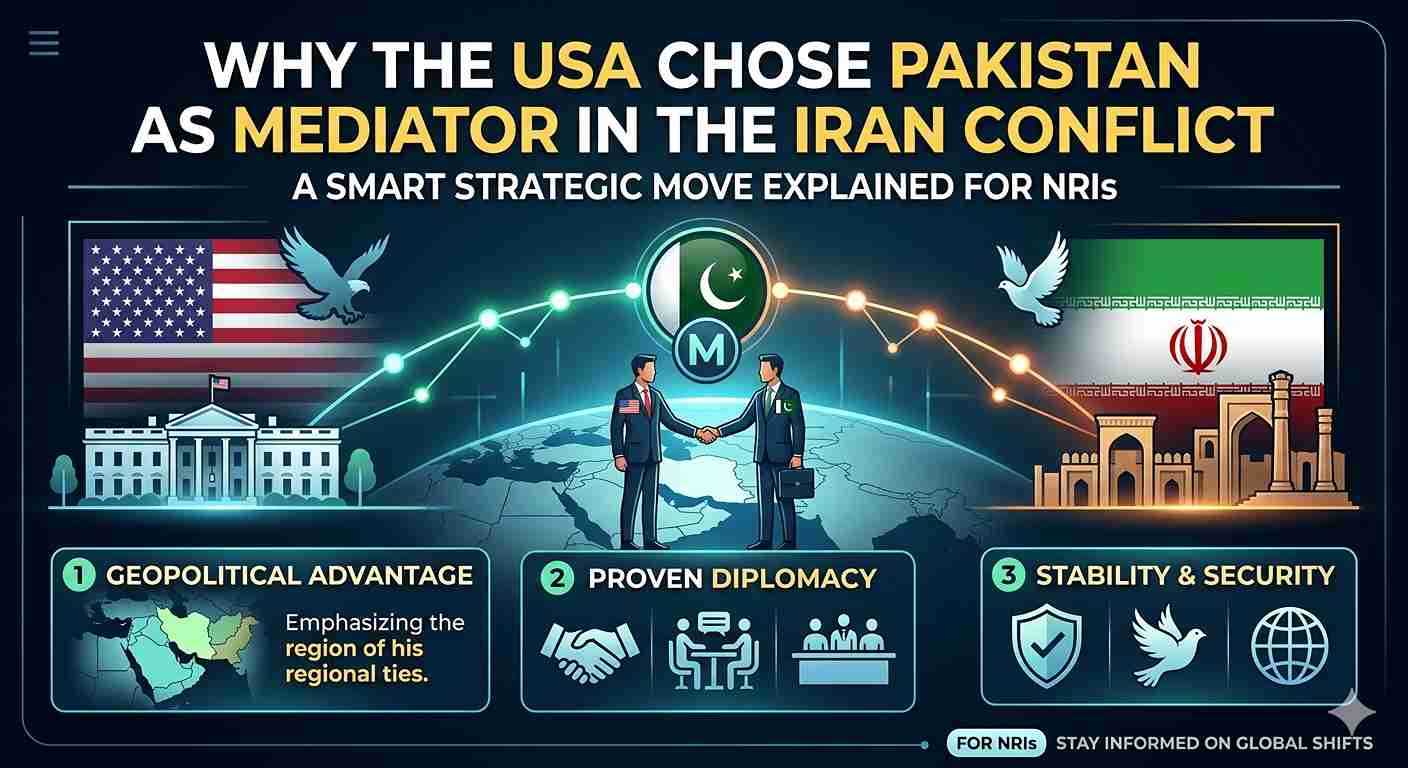
On April 21, 2026, President Trump posted on Truth Social that the United States will extend the ceasefire at the request of Pakistani leaders. He cited Iran’s “seriously fractured” leadership as a reason for giving more time.
Key highlights:
- The original two-week ceasefire was due to expire on April 22 evening.
- The US will continue the naval blockade of Iranian ports and keep forces “ready and able.”
- Vice President JD Vance’s planned trip to Pakistan for talks has been put on hold amid uncertainty.
Trump stressed he wants a strong deal that prevents Iran from becoming a nuclear threat, while maintaining maximum economic pressure through the blockade.
Current Situation in the Iran War (April 22, 2026)
The conflict began on February 28, 2026, with US and Israeli strikes targeting Iranian military and nuclear sites. It led to the death of Supreme Leader Ali Khamenei and heavy damage to Iran’s capabilities.
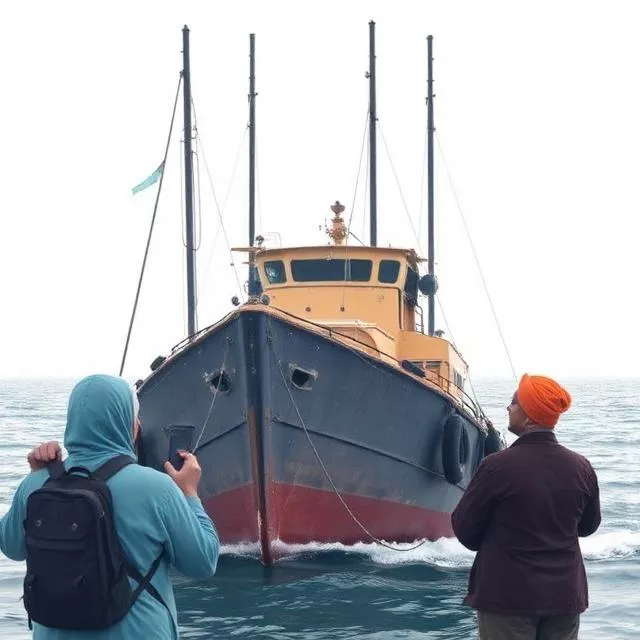
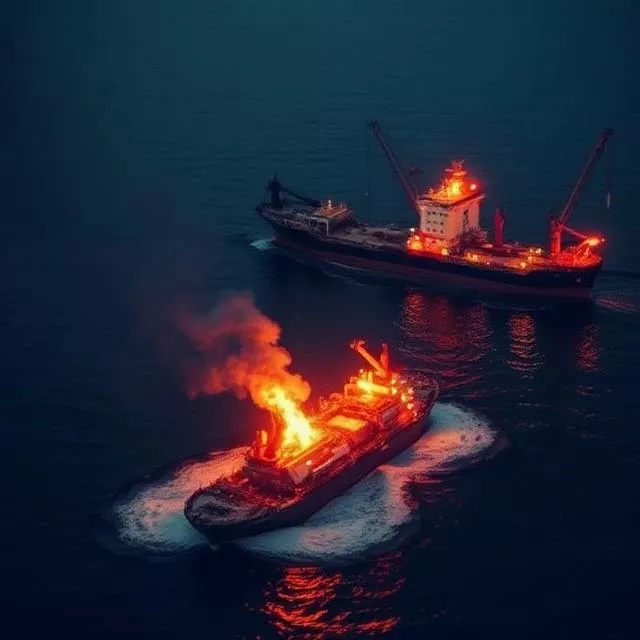
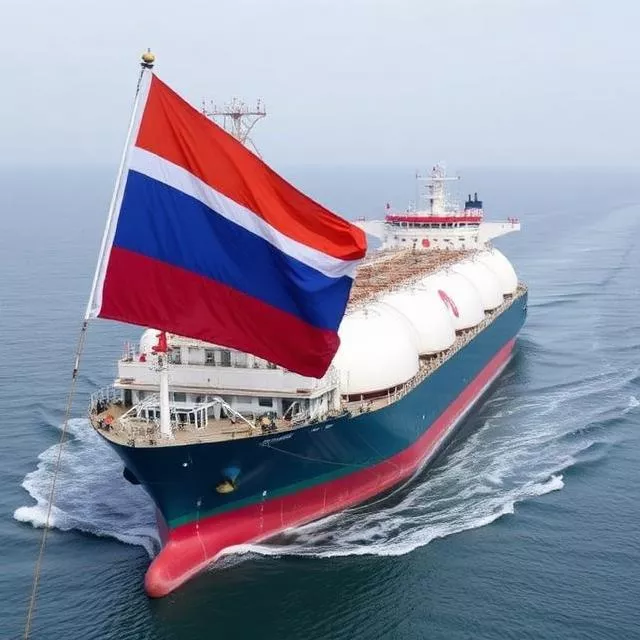
Iran responded with missile attacks on Israel and regional targets. A temporary ceasefire was brokered in early April, but tensions escalated again after the US seized an Iranian-flagged cargo ship (Touska) attempting to breach the blockade.
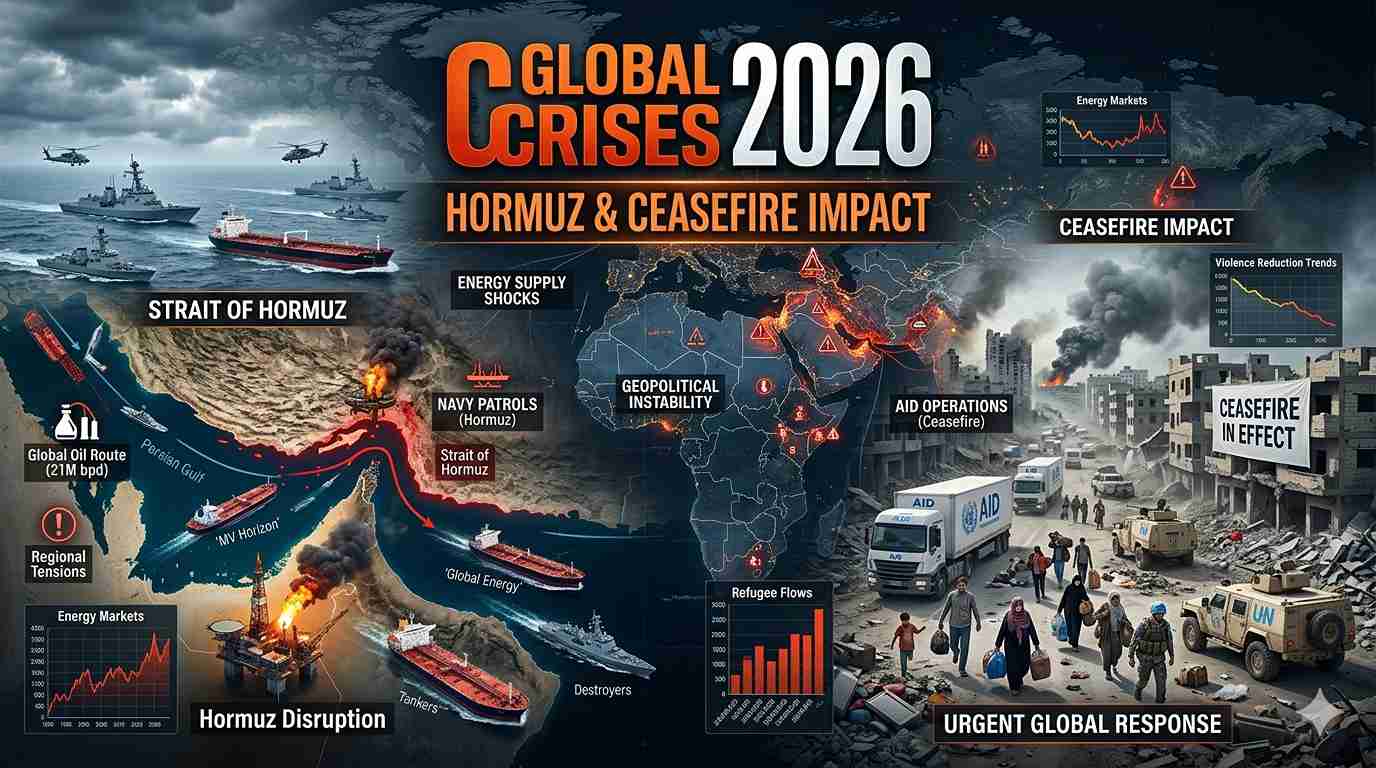
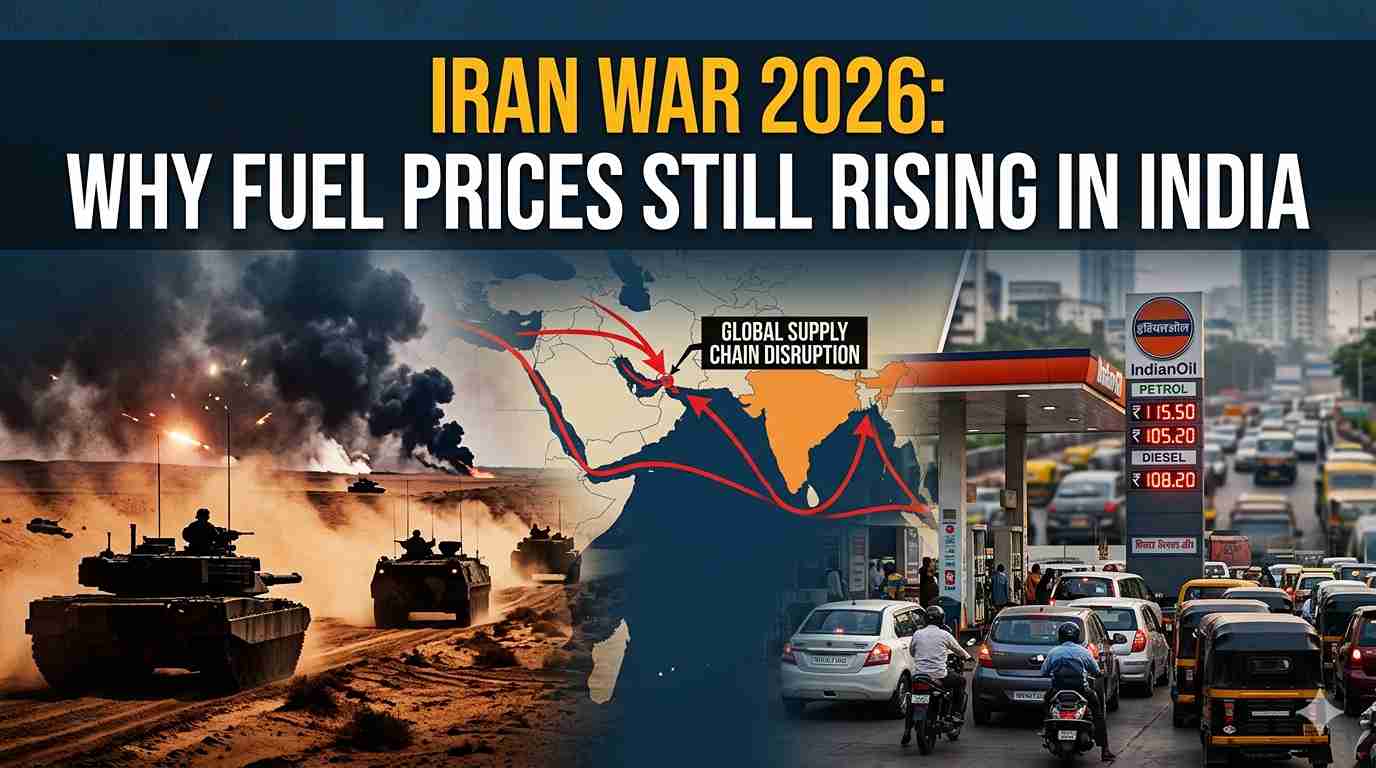
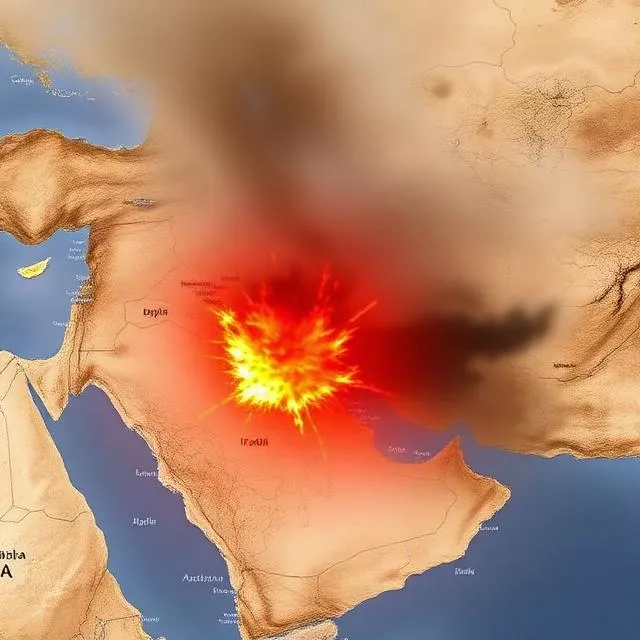
The Strait of Hormuz — through which a large portion of the world’s oil passes — remains a major flashpoint. Disruptions here directly affect global energy markets and India’s energy imports.
Special Impact on NRIs and Indian Diaspora
1. Safety of Indians in the Gulf Over 220,000 Indian nationals have already been repatriated from the Gulf region since the war started. Many NRIs working in UAE, Saudi Arabia, Kuwait, Qatar, and Oman are monitoring the situation closely. While the ceasefire extension provides temporary relief, the ongoing blockade and potential for renewed strikes keep travel and family visit plans uncertain.
Advice for NRIs:
- Register with the Indian Embassy or Consulate in your host country.
- Avoid non-essential travel to high-risk areas.
- Keep emergency evacuation plans ready, especially if you have family in the region.
2. Remittances and Jobs The war has caused economic uncertainty in the Gulf. Many Indian professionals in oil & gas, construction, logistics, and hospitality are worried about job security and delayed projects. Remittance flows could face short-term pressure if more Indians return home or if companies cut costs.
India’s Defence Minister Rajnath Singh has already highlighted that disruptions in the Strait of Hormuz have direct implications for India’s energy security and economic stability.
3. Rising Fuel Prices Back Home India imports a significant portion of its crude oil from the Middle East. Any prolonged disruption in the Strait of Hormuz pushes up global oil prices, which eventually increases petrol, diesel, cooking gas, and transportation costs in India. This affects NRI families sending money home or planning investments.
Higher oil prices could also contribute to inflation, impacting household budgets for parents and relatives in India.
4. Rupee and Investments Volatile oil prices and geopolitical uncertainty often weaken the Indian Rupee against the US Dollar. NRIs holding investments in India or planning to remit larger amounts should track currency movements closely.
What Happens Next?
- No firm date has been set for the next round of talks in Pakistan.
- Iran has called the US blockade an “act of war” and threatened retaliation if the ceasefire collapses.
- The US maintains it will resume strikes if Iran does not present a serious proposal soon.
Analysts say the extension buys time but does not guarantee peace. The risk of renewed conflict remains if negotiations stall.
NRI Safety Tips During the Iran Conflict
- Monitor official advisories from the Ministry of External Affairs (MEA), Indian Embassies, and NRIGlobe updates.
- Use reliable apps and WhatsApp groups from your community for real-time safety information.
- Diversify savings and review insurance coverage for overseas workers.
- If you are in the Gulf, stay in touch with your employer’s emergency protocols.
NRIGlobe will continue to bring you timely, practical updates tailored for the Indian diaspora — covering safety, finances, jobs, and family concerns.
What’s your view as an NRI? How is the Iran war affecting your family, job, or remittances? Are you concerned about rising fuel prices in India or safety in the Gulf? Share your experiences in the comments below.
Stay connected with NRIGlobe for the latest NRI-focused news on global conflicts, Indian foreign policy, economy, Gulf jobs, and diaspora safety.
Subscribe to our newsletter for weekly NRI briefings delivered straight to your inbox.