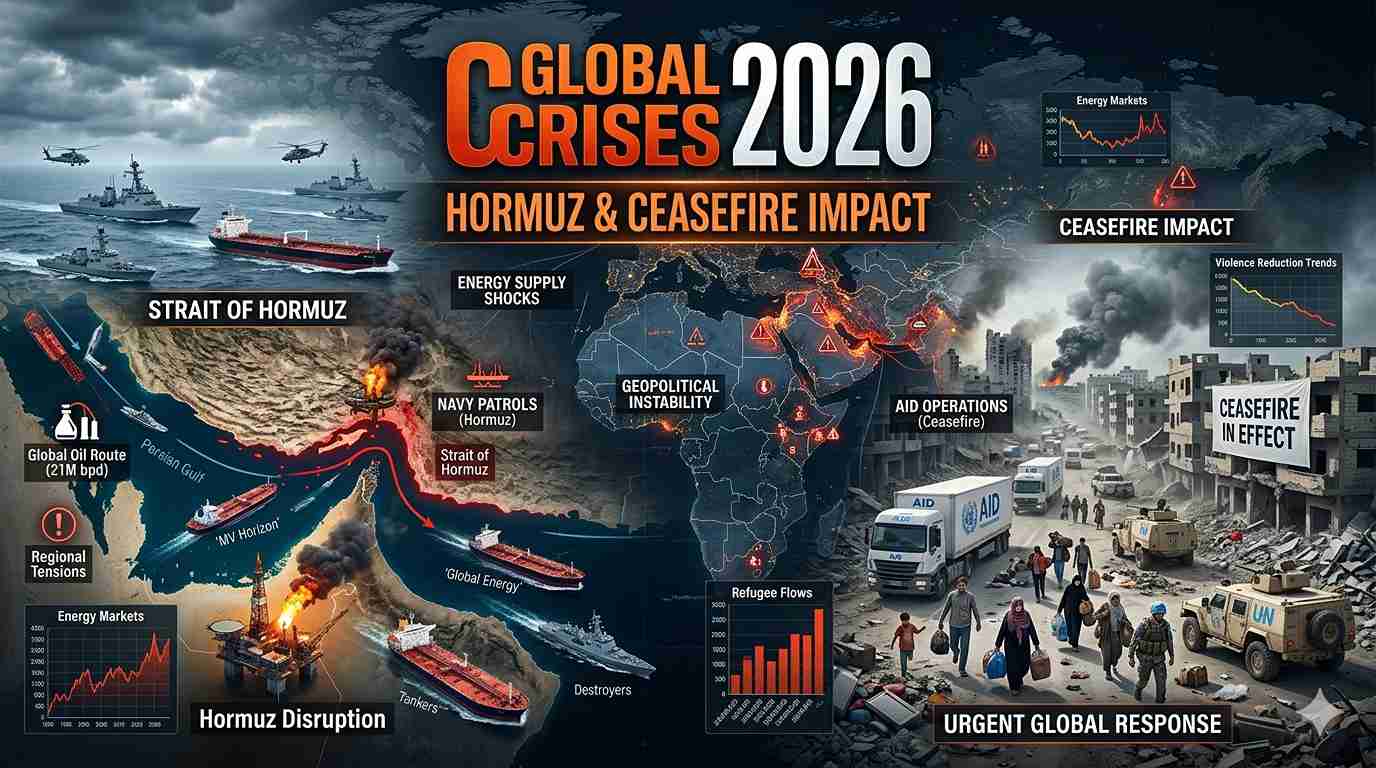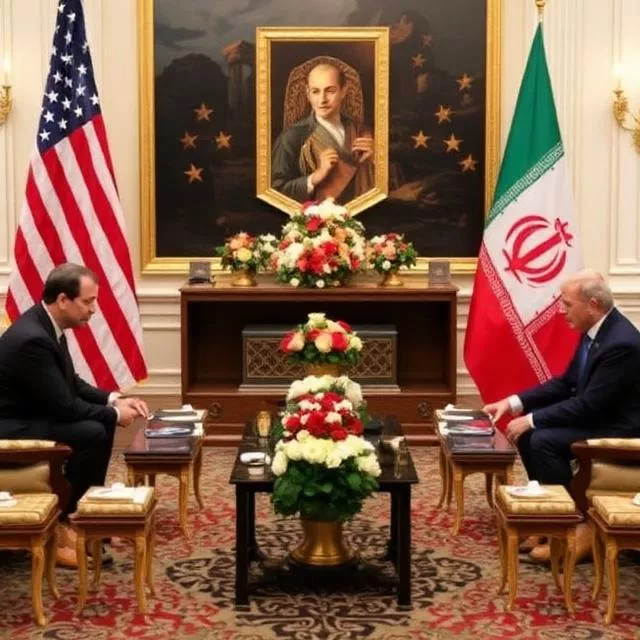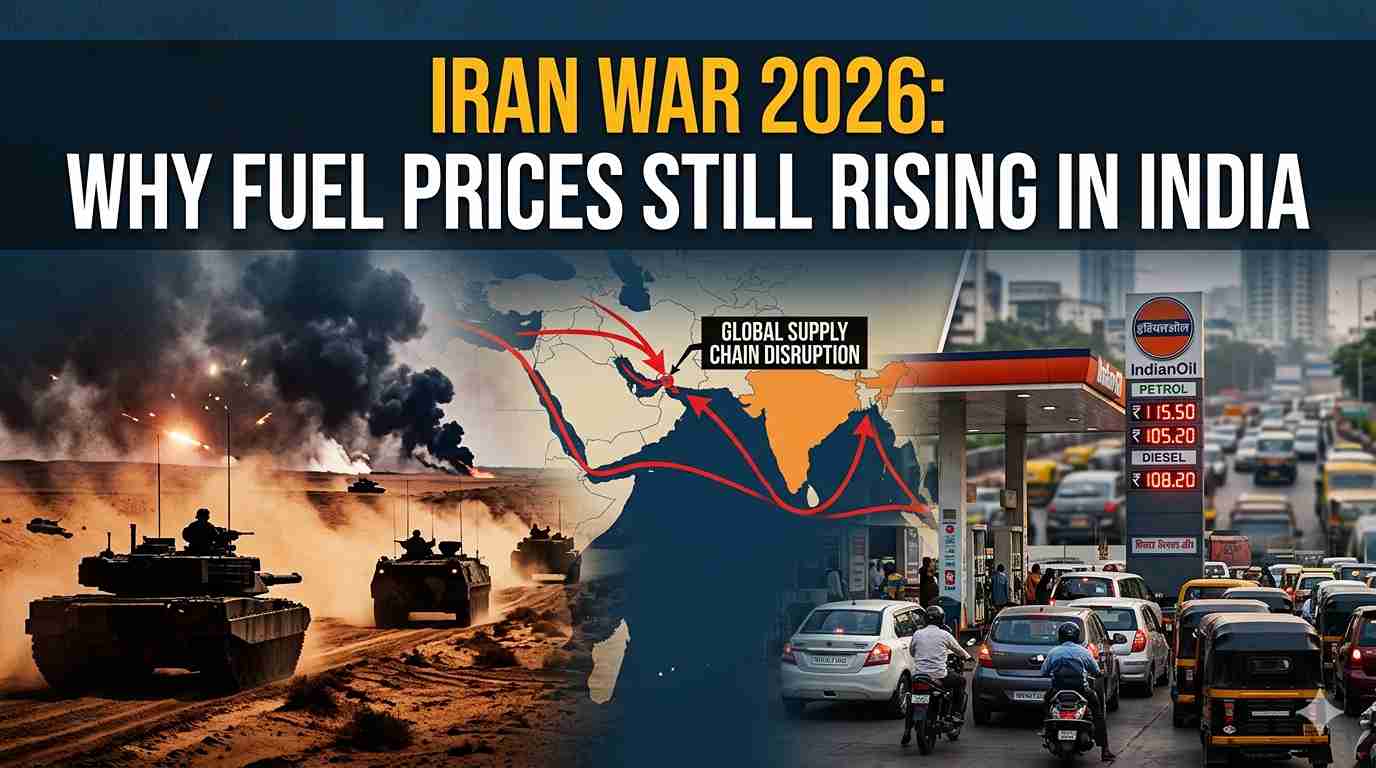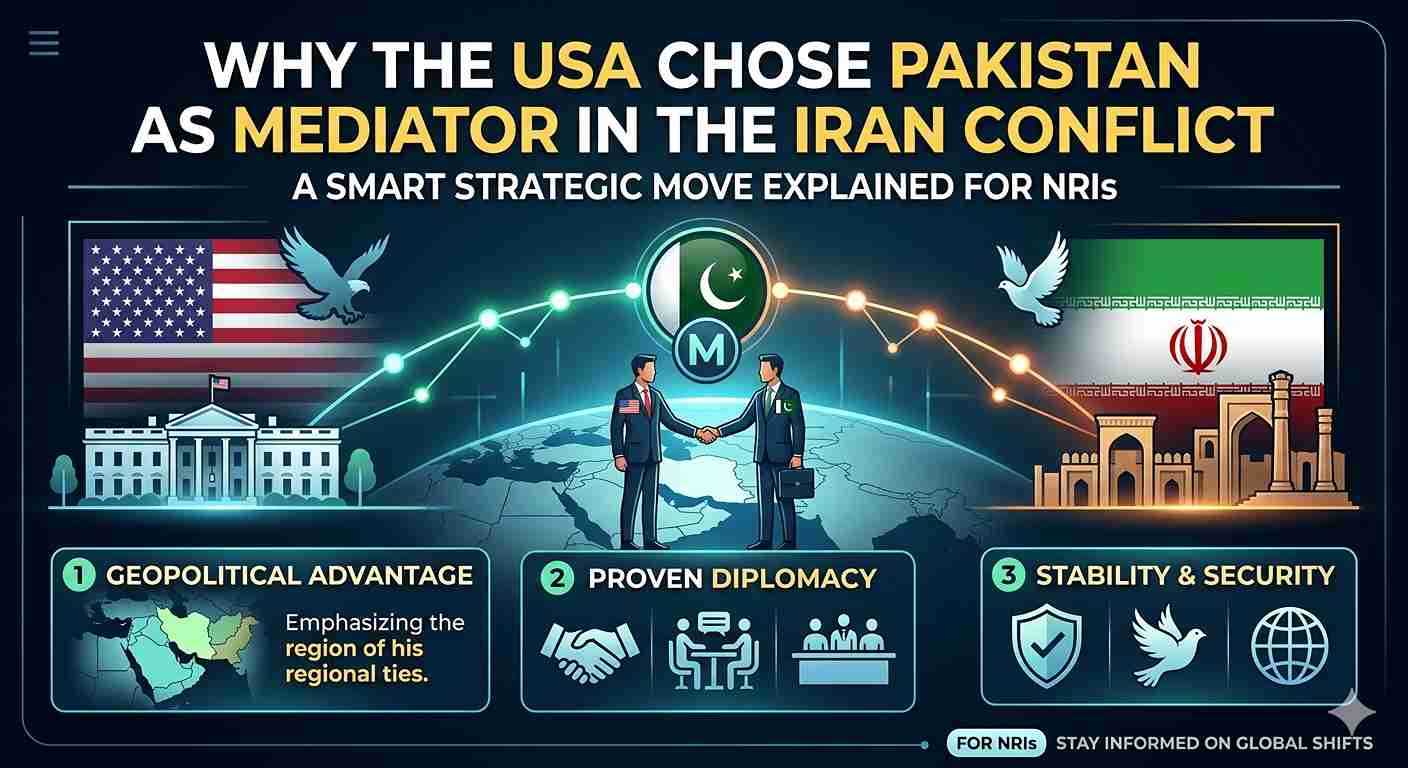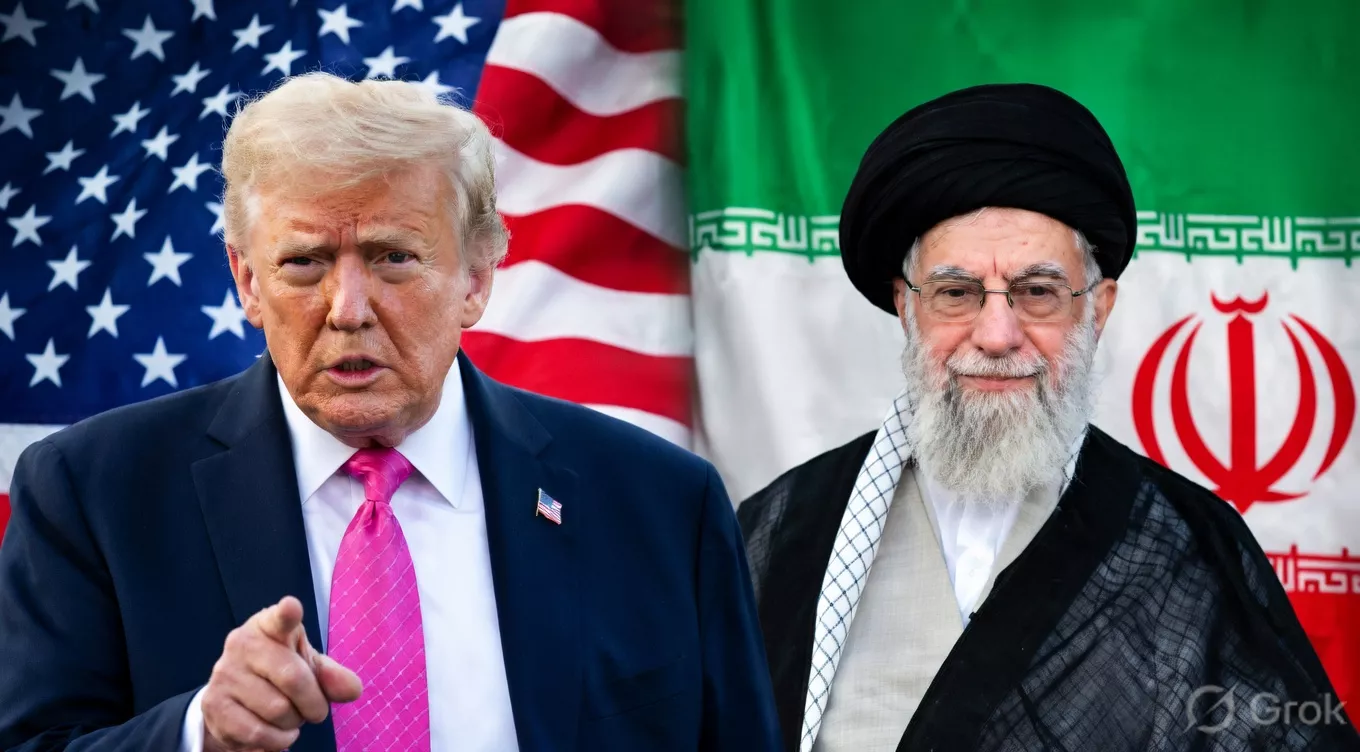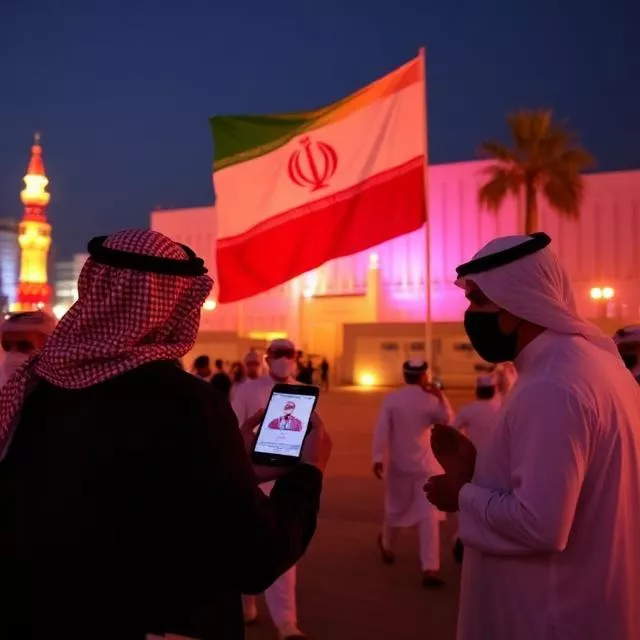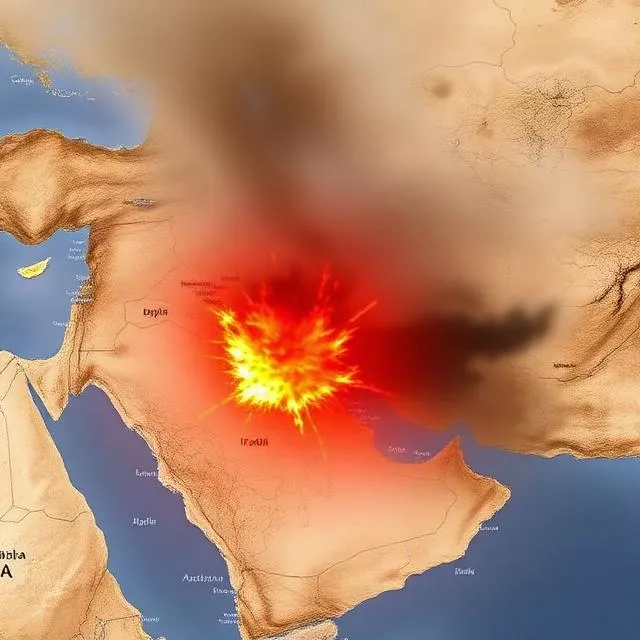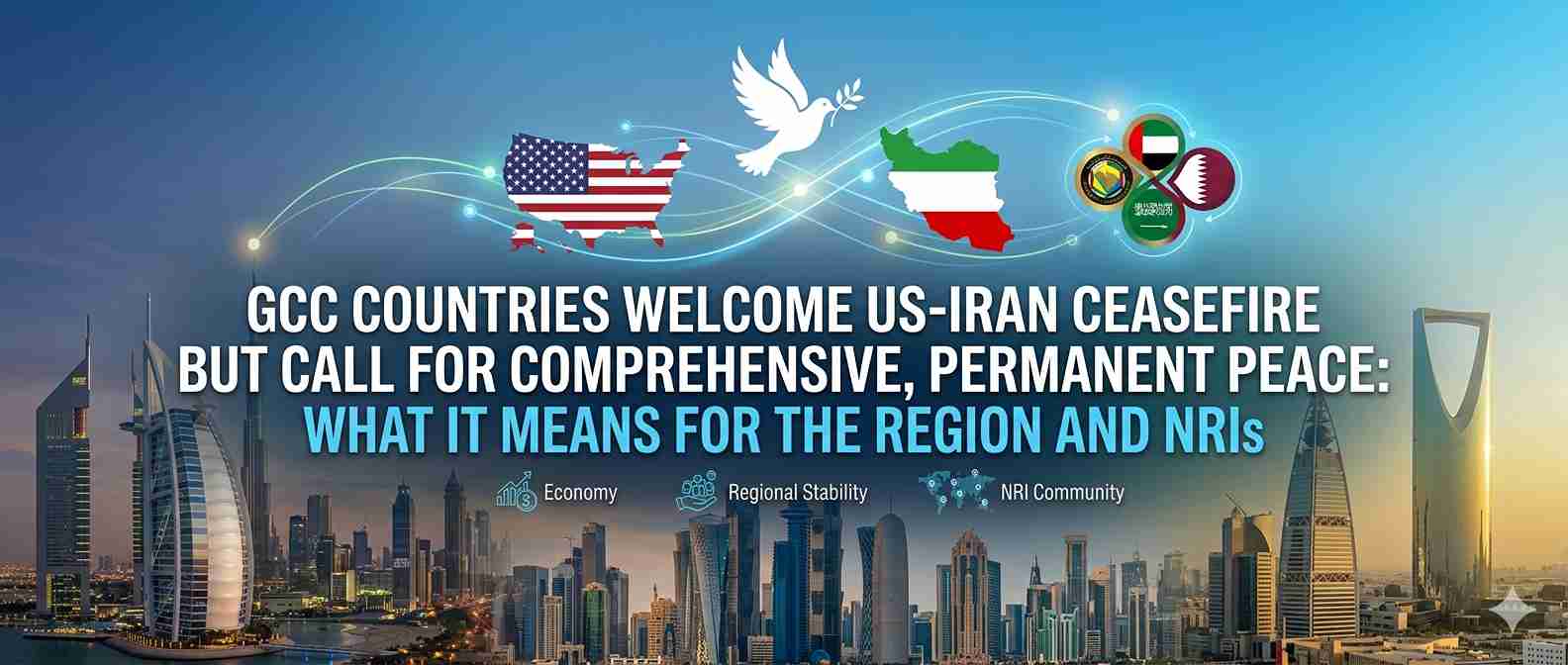
The Gulf Cooperation Council (GCC) countries have largely welcomed the recent two-week ceasefire announced between the United States and Iran, viewing it as a positive first step toward de-escalation in a conflict that briefly threatened regional stability, energy markets, and global trade routes.
However, Gulf leaders have emphasized that a temporary truce alone is not enough. They are pushing for a comprehensive and sustainable agreement that addresses long-term threats, ensures the safety of maritime navigation through the Strait of Hormuz, and prevents future attacks on Gulf territories.
Official Responses from Key GCC Nations
- Saudi Arabia: The Kingdom’s Foreign Ministry welcomed the ceasefire announcement and expressed hope that it would lead to a “comprehensive and sustainable de-escalation.” Saudi officials urged an immediate end to all attacks on countries in the region and stressed the need to keep the Strait of Hormuz fully open for international navigation without restrictions.
- Qatar: Doha described the ceasefire as an “initial step toward de-escalation” and called for building upon it urgently to prevent further tensions. The Qatari Foreign Ministry affirmed the importance of full adherence and urged Iran to cease all hostile acts that undermine regional stability.
- United Arab Emirates (UAE): Diplomatic Adviser Anwar Gargash stated that the “UAE triumphed in a war we sincerely sought to avoid.” The UAE has been closely monitoring the situation while highlighting its successful defense of sovereignty during the escalation.
- Kuwait: The Foreign Ministry hoped the ceasefire would pave the way for a “comprehensive and permanent settlement,” reflecting the country’s direct exposure to attacks on its infrastructure.
Other GCC members, including Bahrain and Oman, have aligned with the broader call for calm, protection of energy infrastructure, and inclusive regional security dialogue.
Context of the Ceasefire and GCC Concerns
The two-week truce, announced on April 8, 2026, came after a period of heightened tensions involving US-Iran exchanges, with ripple effects reaching Gulf states through missile and drone incidents. Despite the announcement, some reports noted continued alerts and interceptions in the early hours, underscoring the fragility of the agreement.
GCC nations have consistently advocated for:
- Immediate halt to all attacks on Gulf territories and civilian infrastructure
- Restoration of full freedom of navigation in the Strait of Hormuz (critical for global oil and gas flows)
- Inclusion of Gulf voices in any long-term negotiations with Iran
- A broader settlement that addresses nuclear concerns, missile threats, proxies, and regional stability
The conflict has highlighted the GCC’s preference for diplomacy over escalation, even as member states defended their sovereignty and worked closely with international partners.
Implications for NRIs and Indian Diaspora in the Gulf
For the large NRI community living and working in the UAE, Saudi Arabia, Qatar, Kuwait, Bahrain, and Oman, this development brings cautious relief. Many Indian professionals, families, and businesses in the region rely on stable security, open trade routes, and a thriving economic environment.
- Economic Impact: Reduced tensions could stabilize oil prices, protect jobs in energy, construction, logistics, and services sectors, and support remittances back to India.
- Safety Concerns: NRIs are advised to continue following official advisories from Indian embassies and host country authorities, especially regarding travel and air/sea movements.
- Long-term Outlook: A successful permanent resolution would strengthen the Gulf’s position as a global business and investment hub — beneficial for Indian entrepreneurs, skilled workers, and students in the region.
The Indian government has maintained close coordination with GCC partners, emphasizing the safety and welfare of its diaspora, which numbers in the millions across these countries.
Looking Ahead
While the ceasefire has eased immediate fears and triggered positive market reactions in GCC stock exchanges, Gulf leaders and analysts stress the importance of turning this temporary pause into lasting peace. Talks are expected to continue, with GCC countries keen to play a constructive role in regional security architecture.
As the situation evolves, NRIs and observers should monitor official channels for updates. The coming weeks will be critical in determining whether diplomacy can deliver the comprehensive settlement the region urgently needs.