By NRIGlobe Investigative Desk | April 10, 2026
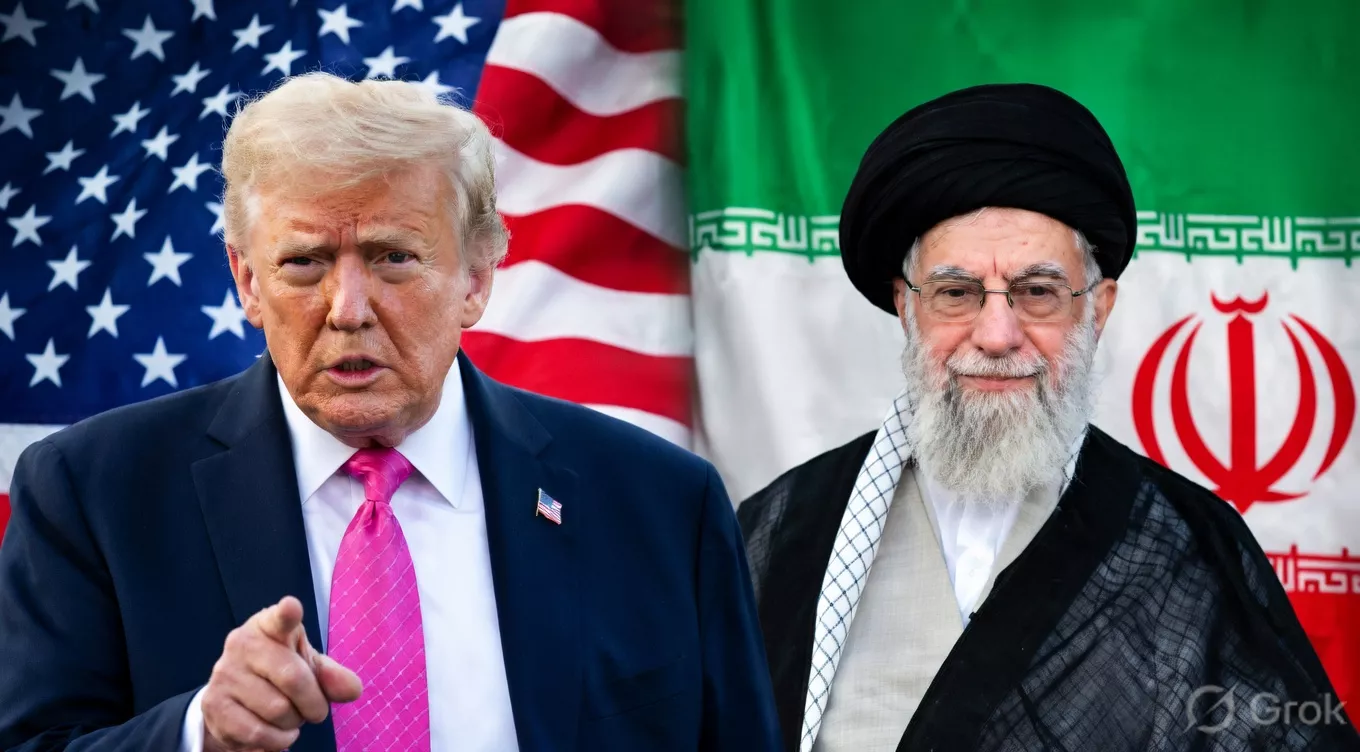
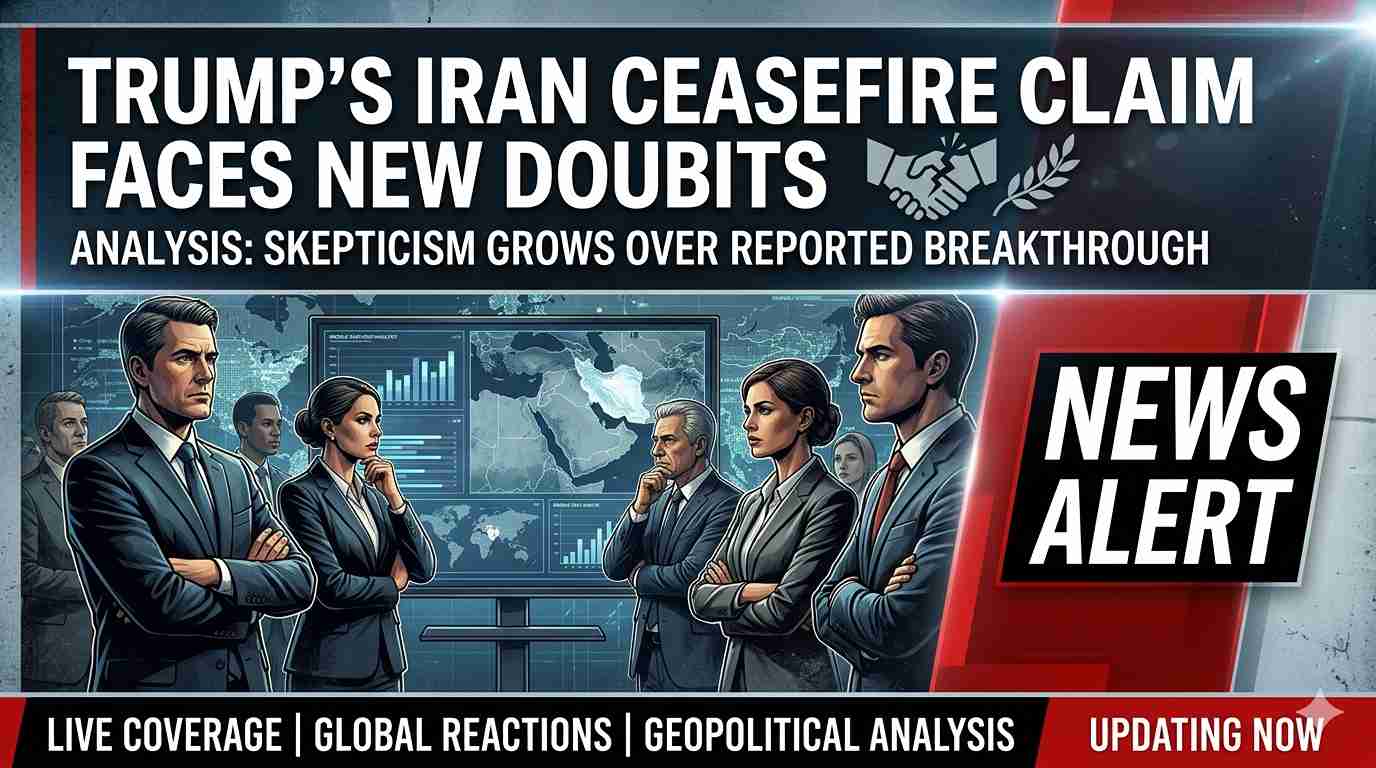
Hyderabad / Washington D.C. / Islamabad – President Donald Trump boldly declared “total and complete victory – 100 percent, no question about it” just hours after the United States and Iran announced a two-week ceasefire on April 8, 2026. Defense Secretary Pete Hegseth called it a “historic and overwhelming victory” that left Iran’s military “combat ineffective for years.”
Yet behind the victory speeches, the reality on the ground tells a far more complicated — and concerning — story for NRIs and Indian families watching global events with one eye on America and the other on fuel prices, remittances, and the rupee back home.
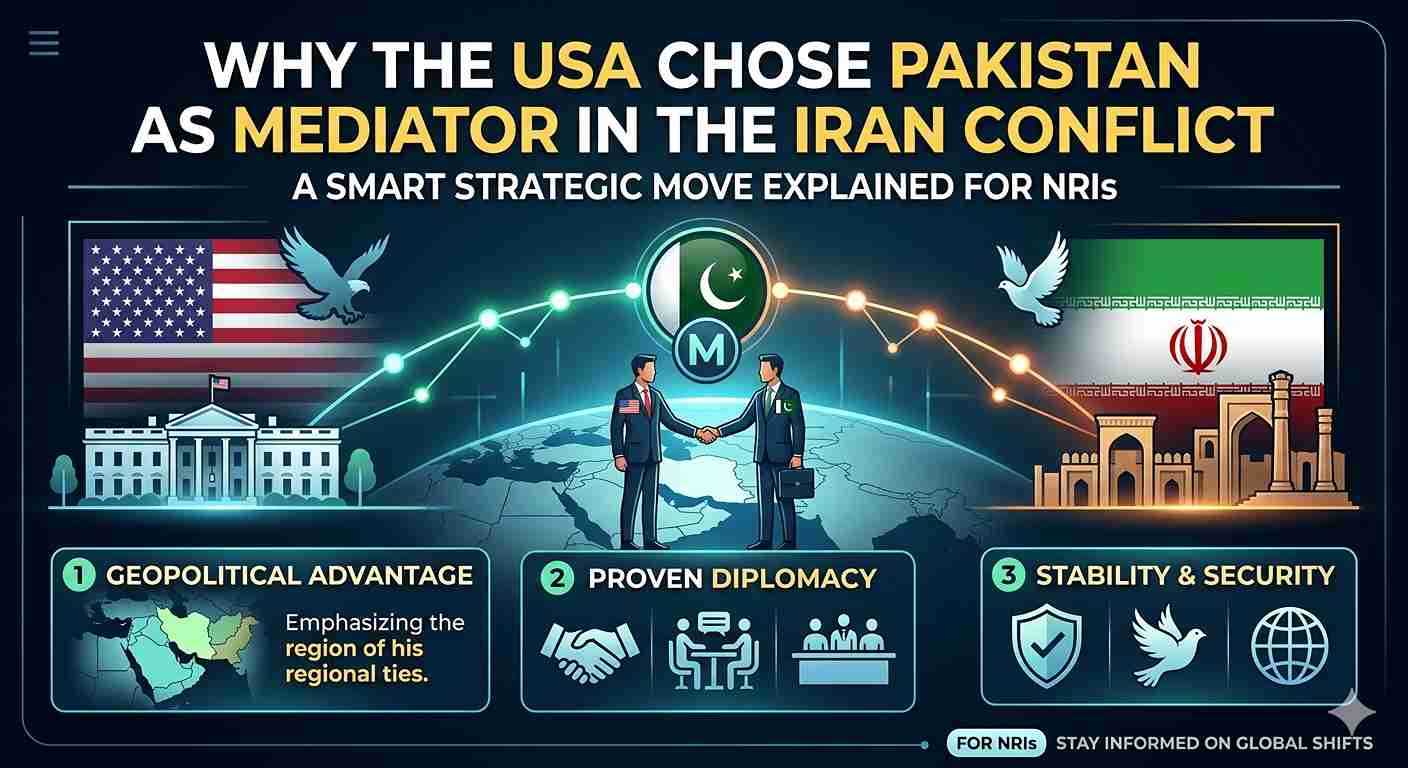
NRIGlobe’s investigative team has examined the leaked proposals, official statements, and on-the-water shipping data. What emerges is a fragile pause, not a decisive win. Iran still holds significant leverage, near-weapons-grade uranium stockpiles remain a worry, and high-stakes talks led by Vice President JD Vance begin this weekend in Islamabad, Pakistan.
Both Sides Claim Victory – But Did Anyone Really Concede?
Trump hailed the deal as proof that American military pressure forced Iran to the table. Iran’s leadership, including President Masoud Pezeshkian, called it a “great victory” for standing firm against aggression.
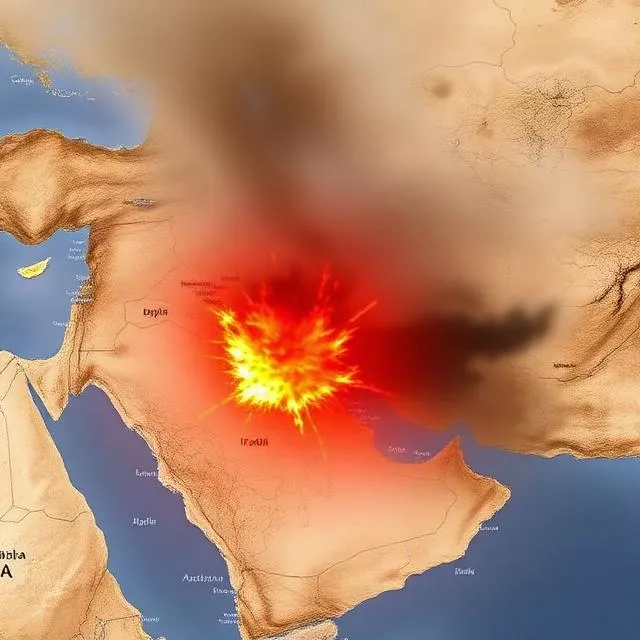
The public core of the ceasefire: Iran agreed to allow the “complete, immediate and safe opening” of the Strait of Hormuz in exchange for a two-week halt in direct U.S. and Israeli strikes on Iranian soil.
But here’s what the White House isn’t shouting from the rooftops:
- The ceasefire is temporary — just 14 days — and explicitly does not cover Israeli operations against Hezbollah in Lebanon.
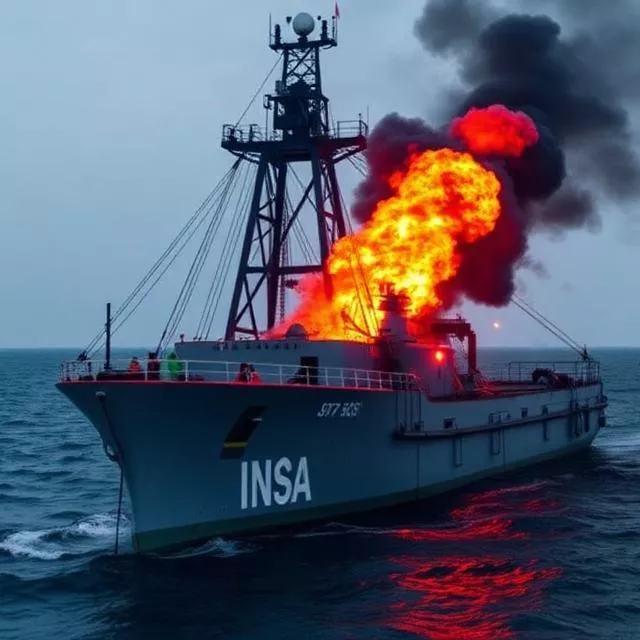
- Shipping through the Strait of Hormuz has not returned to normal. As of April 9-10, only a handful of vessels (mostly 3-11 per day) have transited under tight Iranian-controlled conditions, compared to the pre-war average of 60+ commercial ships daily. Many tanker operators remain cautious, insurance rates are still elevated, and full normalization could take weeks even if the truce holds.
- Iran submitted a 10-point proposal that includes demands the U.S. has long rejected: full lifting of primary and secondary sanctions, continued Iranian control over the Strait of Hormuz, U.S. military withdrawal from the broader Middle East, release of frozen assets, an end to attacks on Iran and its allies (including Hezbollah), and acceptance of Iran’s nuclear enrichment program.
Reports indicate the U.S. had earlier floated its own 15-point plan, which Iran largely rejected before countering with its own framework. Trump described parts of Iran’s 10-point offer as “workable,” but significant gaps remain on sanctions relief, nuclear issues, and regional de-escalation.
JD Vance Heads to Islamabad – The Make-or-Break Moment
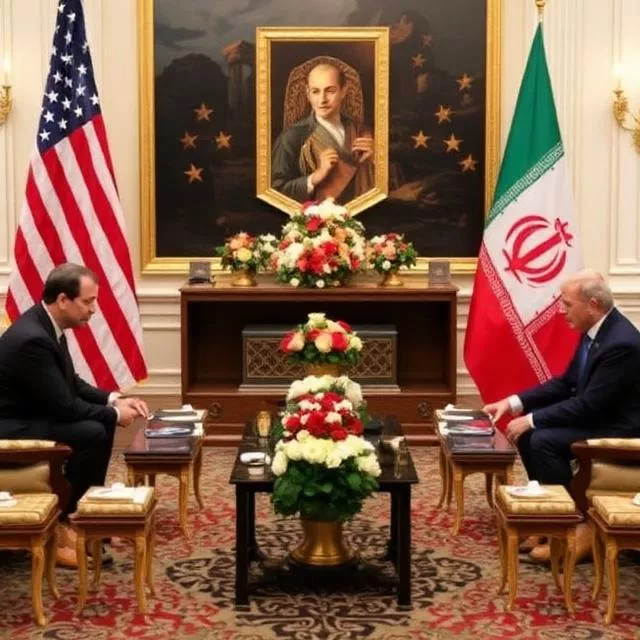
Vice President JD Vance will lead the U.S. delegation to Islamabad for direct talks with Iranian representatives, joined by Special Envoy Steve Witkoff and Jared Kushner. Talks are scheduled to begin Saturday, April 11, 2026 (local time).
Vance has described the current ceasefire as “fragile” and stressed that President Trump expects “good faith” negotiations but remains impatient for real progress. The two-week clock is ticking — if no lasting agreement is reached, hostilities could resume with even higher stakes.
For the global Indian diaspora, these backroom deals matter deeply:
- Gulf NRIs (UAE, Saudi, Qatar, Kuwait, Oman) — home to millions of Indians — rely on stable energy and construction sectors. Prolonged uncertainty risks job slowdowns and reduced remittances (which bring in over $50 billion annually from the region pre-crisis).
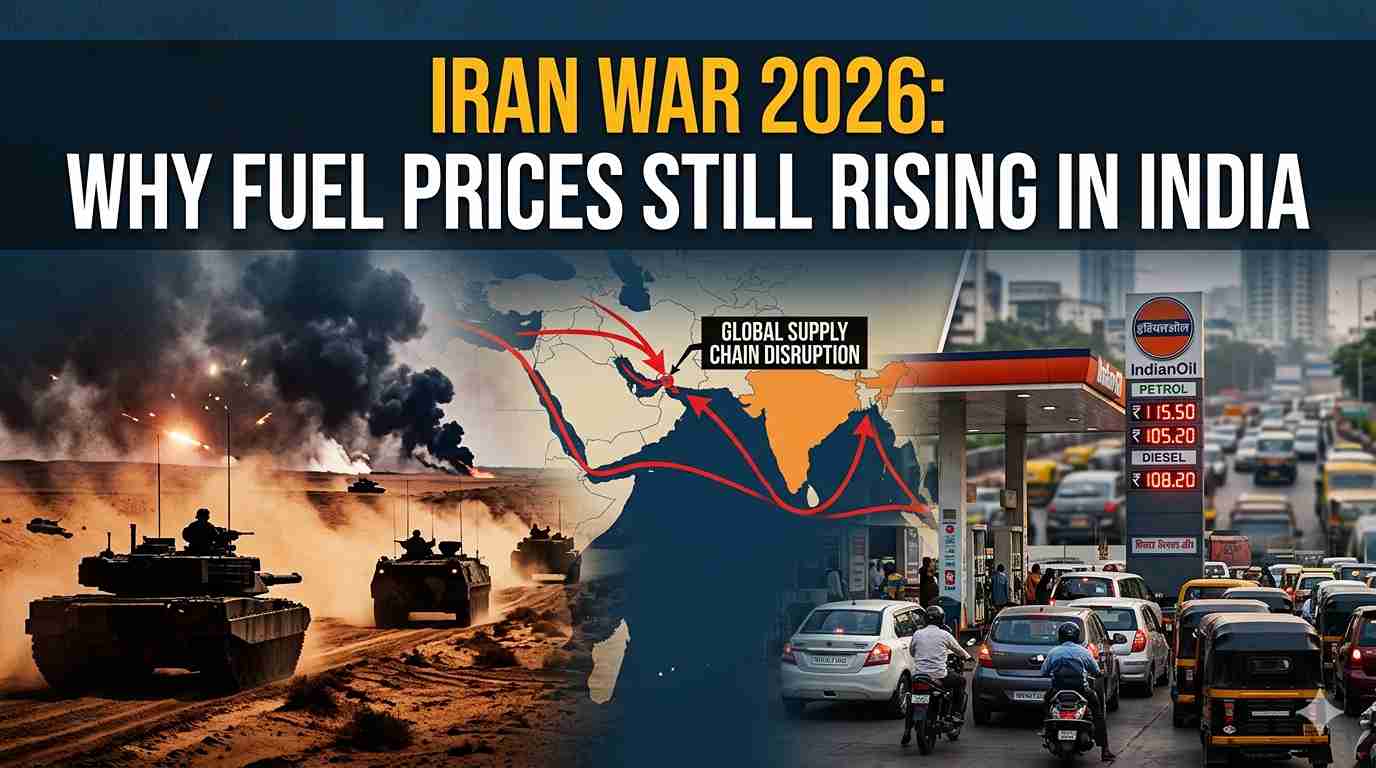
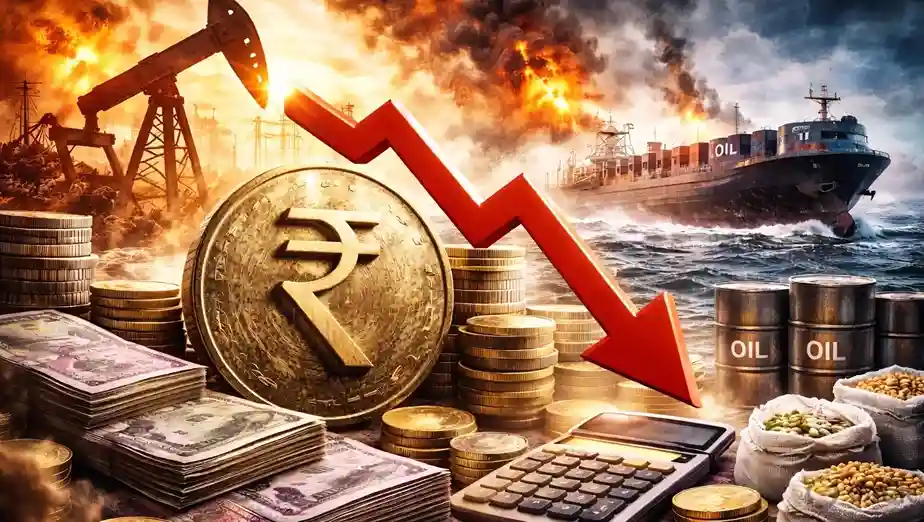
- Fuel prices in India remain elevated despite the initial crude price drop after the ceasefire announcement. In Hyderabad, petrol sits at around ₹107.46/litre and diesel at ₹95.70/litre (as of April 10). While crude plunged as much as 17% briefly, retail relief has been slow due to taxes, logistics, and cautious oil marketing companies. Government excise cuts helped cushion the blow earlier, but full pass-through of lower global prices is not yet visible.
- Rupee and investments: Any escalation or prolonged Hormuz restrictions could pressure the INR, affecting NRIs sending money home or planning repatriation.
The Uncomfortable Truth the Victory Spin Hides
Multiple intelligence assessments and leaked details suggest Iran’s nuclear program was degraded but not eliminated. Tehran retains near-weapons-grade uranium and advanced ballistic missile capabilities. The regime survived the intense U.S.-Israeli campaign, and now negotiates from a position strengthened by its control over the world’s most critical oil chokepoint.
Meanwhile, continued Israeli strikes near Beirut have prompted Iranian accusations of ceasefire violations, adding tension to the fragile pause.
NRIGlobe’s investigation reveals the classic pattern: both sides declare victory to save face, but the real work — and the real risks — lie ahead in Islamabad.
Will Vance and the U.S. team extract verifiable concessions on Hormuz opening, nuclear limits, and sanctions? Or will Iran’s 10-point demands force compromises that leave the door open for future crises?
NRIGlobe Bottom Line for the Diaspora
This is not just Washington’s story. For NRIs in the US, UK, Canada, Australia, and especially the Gulf, the fragile 2026 ceasefire directly touches your wallet, your family’s fuel bills in India, your job security abroad, and the stability of the rupee.
The “total victory” narrative bought political breathing room in America, but the on-ground reality — restricted shipping, unresolved nuclear concerns, and a ticking two-week clock — means uncertainty lingers.
NRIGlobe will continue tracking the Islamabad talks, real-time Hormuz shipping data, fuel price movements in Indian cities, and remittance impacts. We cut through the spin to deliver the unfiltered truth you need.