
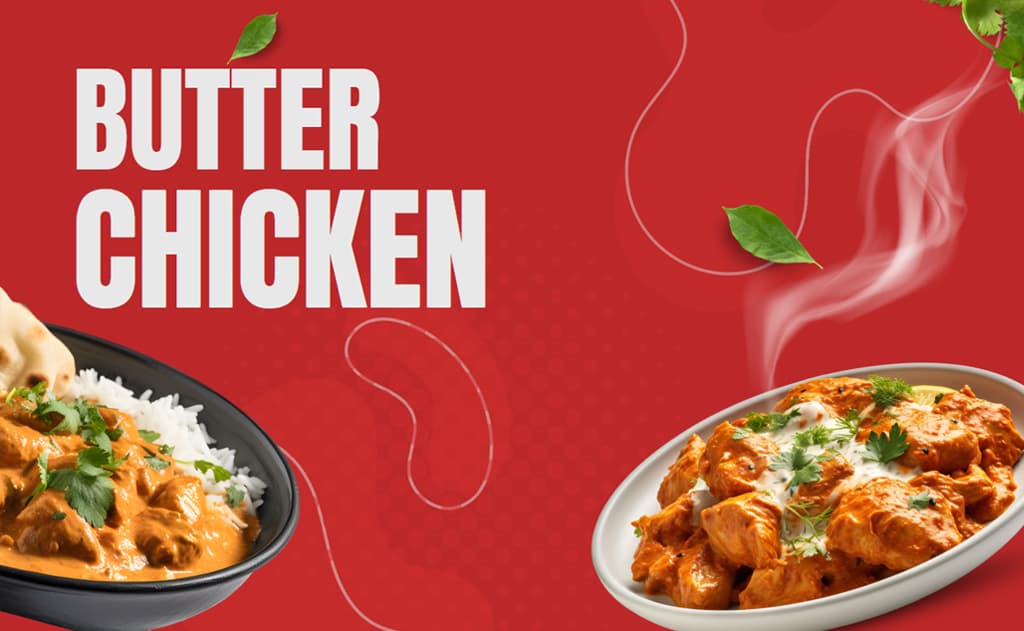
From TikTok trends to Instagram reels, food has become a cultural passport for Gen Z. Butter chicken dominates the narrative, yet India's street food landscape extends far beyond this single dish. For NRI teens seeking authentic connection to their heritage, regional cuisines offer a direct path—one paved with unexpected spice blends, contrasting textures, and genuine cultural meaning. This guide explores seven iconic regional snacks that deserve equal attention, plus accessible fusion approaches for home cooking.
Why Regional Indian Food Matters for NRI Identity
Food and cultural identity research consistently demonstrates that diaspora communities use cuisine as a primary anchor for maintaining connection to heritage. When NRI teens taste authentic regional dishes—not the Americanized or Westernized versions served in many restaurants—they access a tangible piece of their family's geography and history. Vada pav isn't just a snack; it represents Mumbai's working-class culture. Puchka carries Kolkata's street vendor traditions. Chole bhature embodies Delhi's breakfast ritual.
The social media explosion around Indian food has created both opportunity and dilution. While trending content introduces younger generations to Indian cuisine, it often flattens regional distinctions into a single "Indian food" category. Recognizing these differences—the mustard-forward tang of Bengali puchka versus the tamarind-heavy golgappa of North India—deepens cultural literacy and strengthens the connection between food and personal identity formation.
Scholars of diaspora studies emphasize that regional cuisine exploration serves as more than mere consumption; it functions as active cultural participation. By learning to distinguish between regional flavor profiles, preparation methods, and accompaniments, NRI teens engage in what researchers describe as "culinary citizenship"—a way of claiming and understanding their heritage through sensory experience and informed appreciation rather than passive consumption of globalized "Indian food" categories.
Vada Pav: Mumbai's Fiery Burger
Vada pav is Mumbai's ultimate grab-and-go snack, born from the city's rapid industrialization and need for affordable, portable nutrition. A spicy mashed potato fritter—the vada—sits inside a pav (soft bread roll), typically accompanied by garlic chutney and fried green chilies. The contrast between the crispy exterior and creamy potato interior creates textural complexity that justifies its status as India's answer to the hamburger.
The snack originated in the 1960s as street food for factory workers and remains deeply tied to Mumbai's identity. Reports indicate that the Maharashtra government recognized vada pav's cultural and economic significance through official designation, acknowledging its role in the state's food heritage and vendor economy. Vendors earn livelihoods across the city; quality varies dramatically by location and vendor reputation.
Home Fusion Approach: Toast mini brioche buns, layer a crispy potato fritter with chipotle mayo, fresh microgreens, and thinly sliced red onion. Serve with a side of traditional garlic chutney for authenticity. The brioche adds richness while maintaining the original's street-food accessibility.
Puchka: Kolkata's Tangy Treasure
Known as golgappa in North India and pani puri elsewhere, Kolkata's puchka represents a distinct regional interpretation. The semolina shells are thinner and more delicate than their northern counterparts. The tamarind water carries a sharper tang, often enhanced with mustard oil and nigella seeds—ingredients that define Bengali street food flavor profiles.
The filling typically includes spiced mashed potatoes, chickpeas, and sometimes moong sprouts. Unlike standardized versions, authentic Kolkata puchka vendors customize the spice level and water intensity for each customer. The experience is interactive; vendors hand you the puri and let you control the filling-to-water ratio.
Home Fusion Approach: Replace traditional puris with crispy wonton cups or baked tortilla shells. Fill with the traditional potato-chickpea mixture, then top with tamarind chutney, a drizzle of mustard oil, and fresh cilantro. Serve on a wooden board with small bowls of the flavored water on the side, allowing guests to customize their experience.
Chole Bhature: Delhi's Power Breakfast
The Dish and Its Significance
Chole bhature consists of golden, puffed fried bread (bhature) served alongside spicy chickpea curry (chole). Delhi's breakfast culture revolves around this dish; weekend mornings see long queues at established vendors. The bhature requires skill—the dough must rise properly, and frying temperature must be precise to achieve the characteristic puff without greasiness.
Traditionally eaten with tangy mango pickle, sliced raw onions, and sometimes a dollop of yogurt, chole bhature represents comfort food in its most authentic form. The meal is deliberately heavy, designed to sustain through a full day of labor or activity.
Home Fusion Approach: Prepare traditional chole (chickpea curry) using canned chickpeas if time is limited. For the bhature component, use mini flour tortillas warmed and puffed in a skillet with a touch of oil. Layer with the chole, diced onions, fresh mint chutney, and a squeeze of lime. This maintains the flavor profile while reducing preparation complexity.
Dabeli: Gujarat's Sweet and Spicy Sandwich
Dabeli is a lesser-known gem originating from Kutch in Gujarat. The filling combines spiced mashed potatoes with jaggery, creating an intentional sweet-spicy tension. Pomegranate seeds and roasted peanuts add textural contrast. The bread is typically a pav, but some vendors use specially made buns.
The dish exemplifies Gujarati cuisine's comfort-food philosophy—bold flavors, textural variety, and the strategic use of jaggery to balance heat. Regional variations exist; some versions include boiled chickpeas in the filling, while others add roasted chickpea flour (besan) for nuttiness.
Home Fusion Approach: Prepare the traditional potato-jaggery filling, then use it to stuff mini quesadillas made with whole wheat tortillas. Serve with a cooling yogurt-garlic dip and a side of pomegranate seeds and crushed peanuts. The quesadilla format makes it shareable and Instagram-friendly while preserving the original's flavor architecture.
Idli Fries: South Indian Remix
Idlis—steamed rice and lentil cakes—are South India's breakfast staple, but their versatility extends beyond the traditional presentation. Slicing leftover idlis, deep-frying them, and tossing with gunpowder spice mix (a blend of dried chilies, lentils, and curry leaves) transforms them into a crunchy snack that contradicts their original soft texture.
This preparation method emerged from home kitchens seeking to repurpose leftover idlis. It has since become a trendy snack, particularly popular among younger generations who appreciate its crispy-outside, soft-inside contrast and lower preparation barrier compared to making idlis from scratch.
Home Fusion Approach: Prepare or purchase ready-made idlis. Slice them into wedges and air-fry using moderate heat settings until golden and crispy. Toss with gunpowder spice mix, then serve with sriracha-infused mayo and a coconut-lime yogurt dip. This method reduces oil content while maintaining crispness, appealing to health-conscious teens.
Tandoori Momos: The Delhi Craze
Tandoori momos represent modern Indian street food innovation. The concept takes Tibetan steamed dumplings (momos) and applies tandoor cooking—a traditional Indian technique—creating a charred exterior with smoky flavor. Delhi's college canteens and late-night food trucks have made this a Gen Z favorite, particularly among students seeking quick, shareable meals.
The filling typically includes spiced ground chicken or paneer. After grilling in the tandoor, they're coated with a spicy sauce—often a blend of yogurt, tandoori spices, and chili paste. The result bridges culinary traditions, creating something distinctly modern yet rooted in established techniques.
Home Fusion Approach: Purchase frozen momos from an Indian grocery store. Cook using an air-fryer or oven at moderate-to-high heat settings until the exterior crisps and browns. Toss with peri-peri spice blend and serve with a cheesy garlic dip made from cream cheese, yogurt, and minced garlic. This approach requires minimal equipment while delivering restaurant-quality results.
Building a Regional Food Exploration Practice
Exploring regional Indian foods requires intentionality. Start by identifying which regions your family originates from, then research that region's signature dishes. Visit Indian grocery stores and ask vendors for recommendations. Follow social media accounts dedicated to specific regional cuisines rather than generic "Indian food" content.
When trying these foods, pay attention to flavor components: the spice profile, the use of specific aromatics (mustard seeds, curry leaves, asafoetida), the textural contrasts, and the accompaniments. These elements define regional identity more clearly than any single dish.
| Dish | Origin Region | Key Flavor Profile | Primary Ingredient | Best Served With |
|---|---|---|---|---|
| Vada Pav | Maharashtra (Mumbai) | Spicy, garlicky, crispy | Potato fritter | Garlic chutney, chai |
| Puchka | West Bengal (Kolkata) | Tangy, mustard-forward, sharp | Semolina shells | Tamarind water, mustard oil |
| Chole Bhature | Delhi (North India) | Spicy, savory, hearty | Chickpea curry | Mango pickle, onions |
| Dabeli | Gujarat (Kutch) | Sweet-spicy, nutty, balanced | Potato-jaggery filling | Pomegranate seeds, peanuts |
| Idli Fries | South India (Tamil Nadu) | Crispy, spiced, savory | Rice-lentil cakes | Gunpowder spice, coconut chutney |
| Tandoori Momos | Delhi (North India, Tibetan fusion) | Smoky, spiced, charred | Spiced meat or paneer | Yogurt-based sauce, garlic dip |
Sourcing Ingredients Abroad
NRI teens living outside India can access most ingredients through established Indian grocery chains. Major cities typically have multiple options; smaller towns may rely on online retailers. Essential items—chaat masala, tamarind concentrate, mustard seeds, curry leaves (fresh or frozen), and pav—are widely available.
Building relationships with local Indian grocery store owners often yields benefits. They can source specialty items, recommend vendors for specific dishes, and provide cooking advice. Many stores also offer prepared items like pav, idlis, and momos, reducing preparation barriers.
Adapting Spice Levels for Home Cooking
Street vendors in India typically prepare food at high spice levels, assuming customers can tolerate significant heat. Home versions can be adjusted without sacrificing authenticity. Replace fresh green chilies with milder varieties, reduce chili powder quantities, or increase yogurt-based components to cool the overall profile.
The key is maintaining the intended flavor architecture. A puchka without tang loses its identity; a chole bhature without spice becomes bland. Adjust heat while preserving the signature taste elements that define each dish.
Next Steps
Select one dish from this guide that connects to your family's regional origin. Research three vendors or recipes online. Gather ingredients from a local Indian grocery store. Prepare the dish at home, inviting family members to participate. Document your experience—the flavors, the preparation process, the family stories that emerge. Food becomes a bridge when you approach it with curiosity and intention.
Share your regional food discoveries with peers. Create content that highlights the specific regional origins and flavor profiles rather than collapsing everything into generic "Indian food." This approach deepens cultural understanding across your community while honoring the distinct traditions each dish represents.
Sources
Related NRI Globe Coverage
- Best Indian Web Series of 2026: Must-Watch OTT Picks for NRIs
- Must-Watch OTT Releases Feb 2026 NRIs
- Valentine’s Weekend 2026: Hollywood Must-Sees
- This Weekend USA Movie Releases January 24-26 2026: Must-Watch
- This Week's Top OTT Releases for NRIs Worldwide: Must-Watch Indian Movies
- Navratri Day-Wise Recipes - Traditional Fasting Foods
- Discover the Buzz: 'They Call Him OG' Premiere Collections Break Records – A Must-Watch for NRIs Worldwide
- Hari Hara Veera Mallu First Review: A Must-Watch Pan-India Epic for NRIs
Fresh from NRI Globe
- YouTuber Nandu's World (Rama Nandana) UK Visa & Job Fraud Case: Full Details + Key Lessons for NRIs (2026)
- Dussehra / Vijayadashami 2026 Events Country-Wise — Global NRI Directory (Ram Lila, Ravana Dahan, Durga Puja Pandals, Ayudha Puja Venues + Booking)
- Diwali 2026 Events Country-Wise — Global NRI Directory (White House, Leicester, London Trafalgar, Toronto, Auckland, Sydney Parramasala, Fiji, Mauritius, Trinidad, South Africa and More)
- Diwali / Deepavali 2026 Country-Wise NRI Celebrations — Complete Global Guide (USA, UK, Canada, Australia, Fiji, Mauritius, Trinidad, South Africa, UAE and 30+ Countries)