
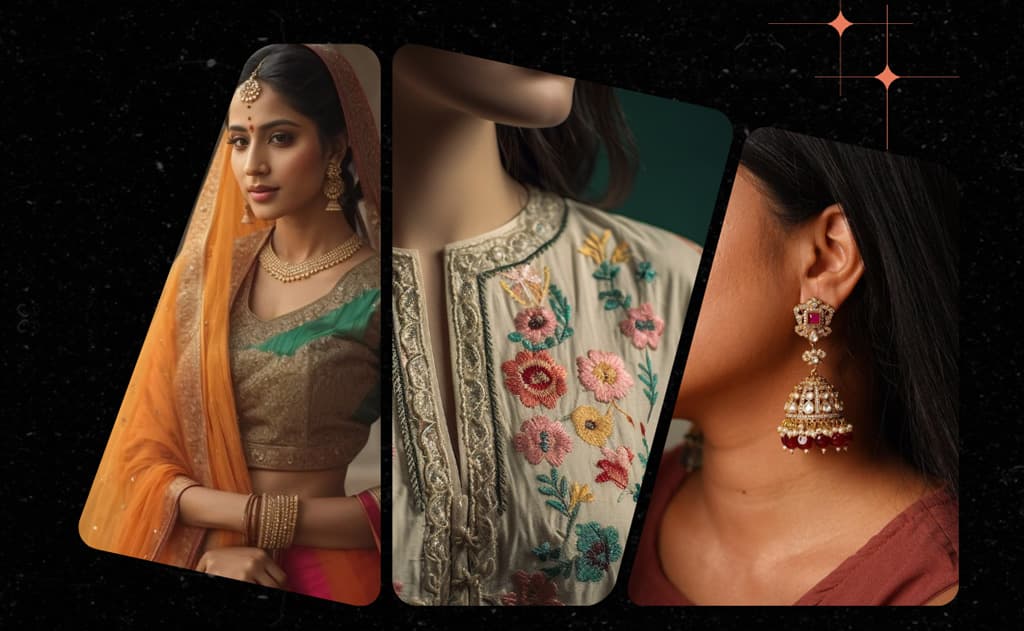
Gen Z is rewriting fashion by fusing cultural heritage with global trends. For the modern NRI, Indo-Western style offers a powerful way to celebrate Indian roots while embracing contemporary streetwear. By pairing traditional pieces like kurtas and jhumkas with urban staples, you create a wardrobe that's stylish, sustainable, and deeply personal.
TL;DR
- Indo-Western fashion merges Indian textiles and craftsmanship with global streetwear aesthetics.
- Sustainable Indian brands like Doodlage, Suta, and Anita Dongre's Grassroot empower artisans while reducing environmental impact.
- Gen Z prioritizes ethical production, fair wages, and eco-friendly materials—many seek personalized, conscious fashion.
- Styling tips: layer dupattas over graphic tees, pair kurtas with denim, mix block prints with cargo pants.
- Thrift and upcycle platforms like Riimagined extend wardrobe life while reducing textile waste.
The Rise of Indo-Western Fashion Among Gen Z
Indo-Western fashion is fundamentally about fusion—melding the rich textures and craftsmanship of Indian attire with the edgy, versatile aesthetic of global streetwear. Think kurtas styled with denim jackets, jhumkas paired with oversized hoodies, or lehenga skirts with graphic tees. This aesthetic resonates deeply with NRIs and Gen Z globally who value individuality, cultural pride, and sustainability.
According to Vogue India's 2021 consumer survey, Gen Z consumers increasingly prioritize unique fashion statements that reflect their identity, with a growing preference for ethical brands. Research suggests that a significant majority of Gen Z consumers actively seek personalized, eco-friendly fashion options. For diaspora youth, Indo-Western styling becomes a tangible expression of belonging—honoring ancestral traditions without abandoning contemporary identity.
Styling Indian Pieces with Global Streetwear
Creating an Indo-Western look requires balance and intentionality. Here's how to style traditional Indian pieces for a Gen Z-approved wardrobe:
- Kurtas as Versatile Staples: A handwoven cotton kurta from sustainable brands like FabIndia or Anita Dongre's Grassroot functions as a dress or pairs with high-waisted jeans for a bohemian vibe. Add clean sneakers and a crossbody bag for streetwear flair. Grassroot's kurtas, crafted by female artisans using traditional embroidery techniques, bring authenticity and ethical production to your wardrobe while supporting rural women's economic independence.
- Jhumkas for Statement Style: Traditional Indian earrings are perfect for adding desi character to minimalist outfits. Pair bold jhumkas from brands like Zola or Daughters of the Ganges with a minimalist crop top and joggers for a chic, urban look. Zola's jewelry, made with Bidri inlay and Dhokra casting techniques, supports rural artisans while offering quirky, eco-friendly designs that elevate any ensemble.
- Mixing Prints and Textures: Combine Indian block prints or ikat patterns with streetwear staples like bomber jackets or cargo pants. Brands like Suta and Tokree Jaipur offer vibrant kurtas in mulmul or chanderi that pair effortlessly with denim shorts or leather jackets, creating a vacation-ready aesthetic that bridges seasons and occasions.
- Layering with Dupattas: A handwoven dupatta from Okhai or Anokhi can be draped as a shawl over a graphic tee and ripped jeans, blending tradition with urban edge. Anokhi's hand-block printed textiles, crafted in Jaipur using natural dyes, add sustainable elegance to any outfit while preserving centuries-old printing methods.
- Footwear Fusion: Pair mojari shoes or kolhapuris from sustainable brands like Paaduks with athleisure wear for a quirky yet stylish look. Paaduks uses jute and cotton to create eco-friendly, breathable footwear that supports local communities while offering durability and comfort for daily wear.
Sustainable Indian Brands Redefining Indo-Western Style
Gen Z's commitment to ethical fashion is driving demand for sustainable brands that prioritize eco-friendly materials, fair trade, and transparent supply chains. The following Indian brands are recognized for redefining Indo-Western style with sustainability embedded in their operations:
| Brand | Specialty | Key Sustainable Practice | Ideal For |
|---|---|---|---|
| Anita Dongre's Grassroot | Kurta sets, sarees, embroidered pieces | Empowers female artisans; uses hand-embroidery and natural dyes | Versatile Indo-Western styling with streetwear |
| Doodlage | Upcycled kurtas, jackets, co-ords | Zero-waste philosophy; upcycles factory waste; plastic-free packaging | Gen Z seeking bold, upcycled pieces |
| Suta | Kurtas, sarees, woven textiles | Celebrates Indian weaves; uses ancestral artisan techniques | Elegant Indo-Western looks with traditional craftsmanship |
| No Nasties | Minimalist kurtas, organic tops | Organic cotton focus; carbon-conscious processes; vegan production | Conscious NRIs prioritizing minimal environmental impact |
| B Label (Bombay Hemp Company) | Hemp kurtas, cargos, palazzos | Uses hemp fiber; durable and biodegradable material | Ethical wardrobe with long-lasting pieces |
| Tokree Jaipur | Functional kurtas in cotton and mulmul | Adds practical pockets; uses natural fibers; muted and vibrant hues | Modern women seeking functionality and style |
Why Gen Z Chooses Sustainable Indo-Western Fashion
For Gen Z, fashion is a statement about values. Sustainable Indo-Western pieces align with a broader commitment to transparency, ethical production, and environmental responsibility. By supporting artisans and using natural fabrics like organic cotton, hemp, and Tencel, these brands reduce the fashion industry's environmental footprint. According to UN Environment Programme research, the fashion industry is a significant contributor to global environmental challenges, making conscious consumption choices increasingly important.
For NRIs specifically, Indo-Western fashion serves as cultural anchor. It allows diaspora youth to maintain connection to heritage without feeling disconnected from peers in Western contexts. When a Gen Z NRI wears a sustainable kurta with denim, she's making three statements simultaneously: cultural pride, environmental consciousness, and individual identity. This layered meaning resonates far more deeply than conventional fashion choices.
The economics matter too. Sustainable brands typically offer above-minimum wages to artisans and provide stable employment in rural areas where traditional textile work is disappearing. When Gen Z purchases from these brands, they're directly supporting women's economic empowerment and craft preservation. This creates a tangible link between personal style choices and community impact.
Building Your Sustainable Indo-Western Wardrobe: Practical Steps
- Shop Mindfully for Longevity: Choose quality over quantity. Invest in versatile pieces from brands like The Summer House or Ahmev, which use organic fabrics and timeless designs meant to last multiple seasons. A well-made kurta in natural fiber costs more upfront but outlasts several fast-fashion alternatives, reducing long-term environmental impact and cost-per-wear.
- Support Artisans Directly: Opt for brands like Okhai or Daughters of the Ganges that empower rural artisans, ensuring fair compensation and preserving traditional crafts. Research brand transparency—look for documented artisan stories, wage information, and production locations on their websites. This due diligence ensures your purchases genuinely support the communities behind each piece.
- Explore Thrifting and Upcycling Platforms: Platforms like Riimagined specialize in pre-loved Indian wear and upcycled pieces that reduce waste while adding unique, one-of-a-kind items to your wardrobe. Thrifting extends textile lifecycle and often costs significantly less than retail, making sustainable fashion more accessible.
- Master the Mix-and-Match Formula: Experiment with layering Indian textiles with streetwear. A Suta kurta with oversized joggers or a handwoven jacket with distressed jeans creates a bold, Gen Z-approved look. The key is balancing proportions—if your kurta is voluminous, pair it with fitted bottoms, and vice versa. This approach maximizes outfit combinations from fewer pieces.
- Accessorize with Intention: Add jhumkas, bangles, or potli bags from ethical brands like Beej or Zouk to elevate your outfit while supporting sustainable production. Accessories are often the most affordable entry point into ethical fashion and can transform basic pieces into statement looks without requiring significant investment.
The Thrifting Movement: Extending Wardrobe Life
Thrifting Indian wear has emerged as a Gen Z favorite for multiple reasons. Second-hand markets reduce demand for new production, which consumes water, chemicals, and labor. Producing new textiles requires substantial water resources—buying pre-loved pieces eliminates this environmental cost entirely while still providing access to quality garments.
Thrifting also democratizes access to heritage pieces. Vintage sarees, antique jhumkas, and hand-embroidered dupattas become affordable when purchased second-hand. Many Gen Z NRIs hunt thrift stores and online platforms for authentic vintage Indian wear, creating a circular economy that benefits both environment and wallet. This practice also preserves cultural artifacts and prevents beautiful pieces from ending up in landfills.
The thrifting movement aligns perfectly with Indo-Western aesthetics, where mixing eras and styles is celebrated rather than discouraged. A 1990s vintage saree paired with contemporary sneakers or a grandmother's dupatta layered over modern streetwear creates authenticity that new pieces cannot replicate. This approach to fashion also tells personal stories—each thrifted item carries history and meaning beyond its material composition.
Next Steps
Start by auditing your current wardrobe. Identify which pieces you wear repeatedly and which languish unworn. This reveals your authentic style preferences and prevents future impulse purchases. Next, choose one sustainable brand that aligns with your values—whether that's artisan empowerment, zero-waste production, or organic materials—and purchase a single versatile piece like a kurta or dupatta. Experiment with styling it three different ways before buying additional items.
Follow sustainable Indian fashion brands on social media to stay informed about their artisan stories, production practices, and seasonal collections. Join Gen Z fashion communities on platforms like Instagram or TikTok where NRIs share Indo-Western styling inspiration and recommendations. Finally, consider hosting a clothing swap with friends to exchange pieces you no longer wear, extending wardrobe life while building community around conscious consumption.
Remember that building a sustainable Indo-Western wardrobe is a gradual process, not an overnight transformation. Each thoughtful purchase, each thrifted find, and each styling experiment contributes to a wardrobe that reflects both your identity and your values. By choosing quality, supporting artisans, and embracing circular fashion practices, you're participating in a movement that honors tradition while protecting the planet.
Sources
- Vogue India: How Does Indian Gen Z Shop?
- UN Environment Programme: Putting the Brakes on Fast Fashion
- Fibre2Fashion: Top 26 Sustainable Fashion Brands in India
- Local Samosa: Sustainable Fashion and Lifestyle Brands in India
- Riimagined: Pre-Loved and Upcycled Indian Wear
Related NRI Globe Coverage
- How NRIs Are Redefining Indo-Western Fusion Fashion
- Gen Z Revives Early 2000s Fashion: Juicy Couture Tracksuits and Bedazzled Low-Rise Jeans Make a Comeback
- K-Pop’s Lit Takeover: How TREASURE’s “AGENCY in the USA” Is Slaying with Indian-American Gen Z
- Risks Involved with Live-in Relationships with Native Girls Instead of Desi Girls
- NRI Guide to Sustainable Indian Fashion: Eco-Friendly Choices
- Worldwide OTT Releases This Week — September 17-21, 2026 (Netflix, Prime Video, Max, Disney+, Apple TV+, JioHotstar) NRI Family Guide
- Fall 2026 Hollywood Movie Preview for NRI Families — October, November, December Big Releases (Oscar Contenders, Marvel, Family Films)
- Hollywood This Week — September 17-21, 2026 New Movie Releases, Box Office Update and Where to Watch (NRI Family Guide)
Fresh from NRI Globe
- YouTuber Nandu's World (Rama Nandana) UK Visa & Job Fraud Case: Full Details + Key Lessons for NRIs (2026)
- Dussehra / Vijayadashami 2026 Events Country-Wise — Global NRI Directory (Ram Lila, Ravana Dahan, Durga Puja Pandals, Ayudha Puja Venues + Booking)
- Diwali 2026 Events Country-Wise — Global NRI Directory (White House, Leicester, London Trafalgar, Toronto, Auckland, Sydney Parramasala, Fiji, Mauritius, Trinidad, South Africa and More)
- Diwali / Deepavali 2026 Country-Wise NRI Celebrations — Complete Global Guide (USA, UK, Canada, Australia, Fiji, Mauritius, Trinidad, South Africa, UAE and 30+ Countries)