Maha Shivaratri 2026 in India: Complete Guide
Maha Shivaratri, revered as the Great Night of Lord Shiva, is one of Hinduism’s most sacred and spiritually charged festivals. Dedicated to Lord Shiva—the destroyer of ignorance, supreme yogi, and cosmic transformer—this night commemorates his Tandava dance sustaining the universe, his marriage to Goddess Parvati, consumption of Halahala poison during Samudra Manthan to save creation, and manifestation as an infinite Jyotirlinga of light.
In India, where Hinduism originated and thrives with over a billion devotees, Maha Shivaratri unites millions through fasting, night-long vigils (jaagaran), abhishekam, mantra japa (“Om Namah Shivaya”), and temple pilgrimages. Celebrations are grandest at Jyotirlingas and historic Shiva shrines in cities like Varanasi, Ujjain, Somnath, Kedarnath, and more—drawing lakhs for Rudrabhishek, processions, and spiritual discourses.
In 2026, Maha Shivaratri falls on Sunday, February 15, with observances extending into the early hours of Monday, February 16. The Nishita Kaal Puja—the most auspicious midnight window—is approximately 12:09 AM to 01:01 AM (Feb 16, IST, duration ~51 minutes; slight local variations apply). Four Ratri Prahar pujas divide the night: First Prahar (~6:11 PM–9:23 PM Feb 15), Second (~9:23 PM–12:35 AM Feb 16), Third (~12:35 AM–3:47 AM Feb 16), Fourth (~3:47 AM–6:59 AM Feb 16). Parana (breaking fast) is from ~6:59 AM to 3:24 PM on Feb 16.
Indian devotees observe with intense devotion—fasting (nirjala or phalahar), staying awake, and seeking blessings for peace, health, prosperity, marital harmony, and moksha.
Profound Significance of Maha Shivaratri
From scriptures like Shiva Purana and Linga Purana, this night emphasizes overcoming tamas (darkness/ignorance) through sattvic practices. It symbolizes:
- Shiva’s role in cosmic cycles.
- Union of Shiva (consciousness) and Parvati (energy/Shakti).
- Victory of light over negativity.
- Ideal for meditation, mantra power, and inner awakening.
In India, it’s a national spiritual event—temples illuminate, streets fill with bhajans, and families bond in devotion.
Maha Shivaratri 2026 Date and Auspicious Timings in India
Timings (IST, approximate; use local panchang for precision):
- Chaturdashi Tithi Begins: Feb 15, ~5:04 PM.
- Chaturdashi Tithi Ends: Feb 16, ~5:34 PM.
- Nishita Kaal Puja: ~12:09 AM–1:01 AM (Feb 16).
- Ratri Prahar Puja Windows:
- First: ~6:11 PM–9:23 PM (Feb 15).
- Second: ~9:23 PM–12:35 AM (Feb 16).
- Third: ~12:35 AM–3:47 AM (Feb 16).
- Fourth: ~3:47 AM–6:59 AM (Feb 16).
- Parana Time: Feb 16, ~6:59 AM–3:24 PM.
Major temples align abhishekam, Rudrabhishek, and homams with Nishita Kaal.
How Indian Hindus Celebrate Maha Shivaratri
Traditions vary regionally but core elements include:
- Vrat/Fasting: Nirjala or phalahar (fruits, milk, nuts, sabudana khichdi).
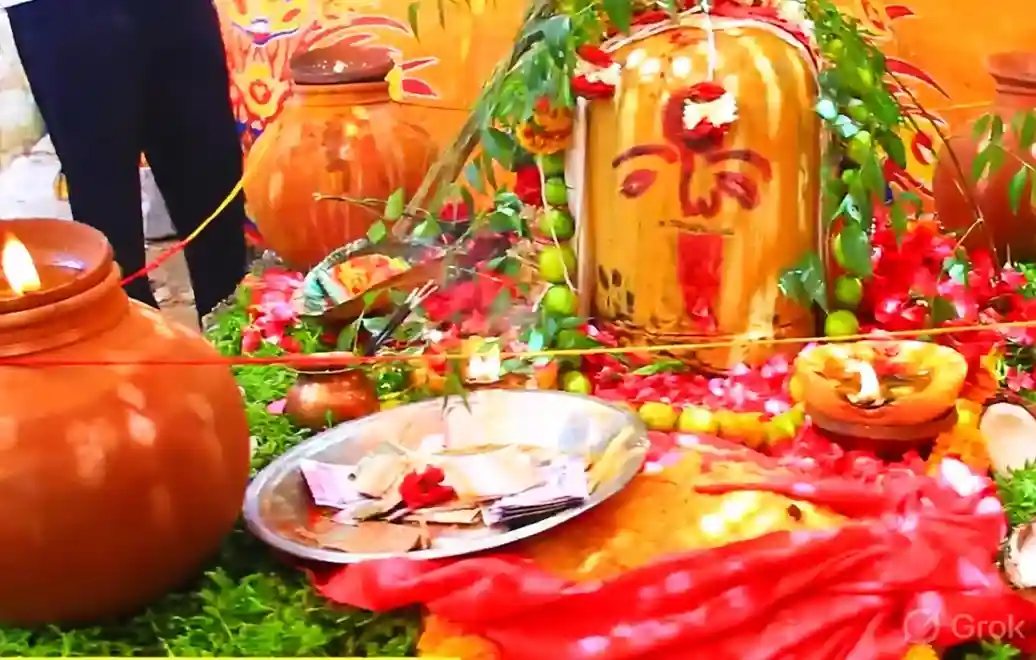
- Abhishekam: Shiva Lingam bathed in milk, honey, curd, bel leaves, Gangajal.
- Jaagaran: All-night vigil with bhajans, kirtans, Shiva Sahasranama, Rudram.
- Aarti & Programs: Midnight Maha Aarti, cultural dances, discourses.
- Community: Temple gatherings, processions, prasadam distribution.
Many join Isha Foundation’s global Mahashivratri at Coimbatore or local events.
Major Temple Celebrations in India for Maha Shivaratri 2026
India’s 12 Jyotirlingas and historic temples host epic events—lakhs flock for darshan and rituals.
Varanasi, Uttar Pradesh (Spiritual Capital)
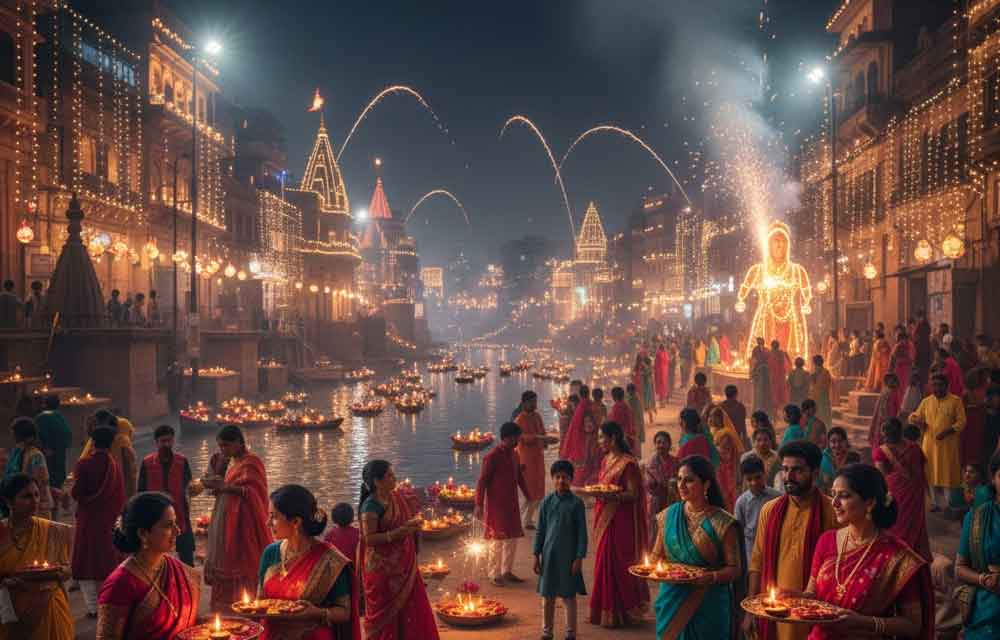
Kashi Vishwanath Temple (one of 12 Jyotirlingas) sees massive crowds—city stays awake with Ganga aarti, processions, and continuous abhishekam. Illuminated ghats, bhajans echo all night. Address: Vishwanath Gali. Expect lakhs; police manage crowds.
Ujjain, Madhya Pradesh
Mahakaleshwar Jyotirlinga hosts grand celebrations—Bhasma Aarti (unique ash ritual), Rudrabhishek batches, night-long pujas. Ujjain, linked to Shiva’s legends, draws pilgrims nationwide. Address: Mahakaleshwar Road.
Somnath, Gujarat
Somnath Jyotirlinga on Arabian Sea shores features elaborate lighting, floral decorations, all-night vigils, and ocean-facing aarti. Symbolizes rebirth; massive crowds for darshan.
Kedarnath, Uttarakhand
Kedarnath Jyotirlinga (Himalayan shrine) sees winter preparations end; devotees trek or helicopter for abhishekam. Snowy setting adds spiritual intensity.
Other Key Jyotirlingas & Temples
- Trimbakeshwar, Nashik (Maharashtra): Godavari origins; special pujas, processions.
- Rameshwaram, Tamil Nadu: Ramanathaswamy Temple—grand South Indian style celebrations.
- Baidyanath, Deoghar (Jharkhand): Kanwar yatra-like fervor.
- Omkareshwar, Madhya Pradesh: Island temple with boat processions.
- Mallikarjuna, Srisailam (Andhra Pradesh): Shakti-Shiva combined events.
- Kailashnath (Ellora Caves, Maharashtra): Rock-cut heritage site vigils.
- Murudeshwar, Karnataka: Tall Shiva statue; coastal aarti.
- Brihadeeswarar, Thanjavur (Tamil Nadu): Chola-era grandeur.
- Vadakkunnathan, Thrissur (Kerala): Ancient Kerala-style observances.
Major Cities & Regional Highlights
- Delhi: Temples like Bangla Sahib (Sikh-Hindu blend), Shiv Mandir (Connaught Place), Hanuman Mandir—night vigils, aarti.
- Mumbai: Siddhivinayak (Ganesha-Shiva link), Mumba Devi, local mandirs.
- Hyderabad: Birla Mandir, Chilkur Balaji—Shiva-focused events.
- Bengaluru: ISKCON, local Shiva temples.
- Chennai: Kapaleeshwarar Temple—traditional Tamil pujas.
- Kolkata: Dakshineswar (Kali-Shiva), Kalighat area gatherings.
Temples often require early arrival; check official sites for 2026 schedules.
Celebrating Maha Shivaratri at Home in India
For personal/family observance:
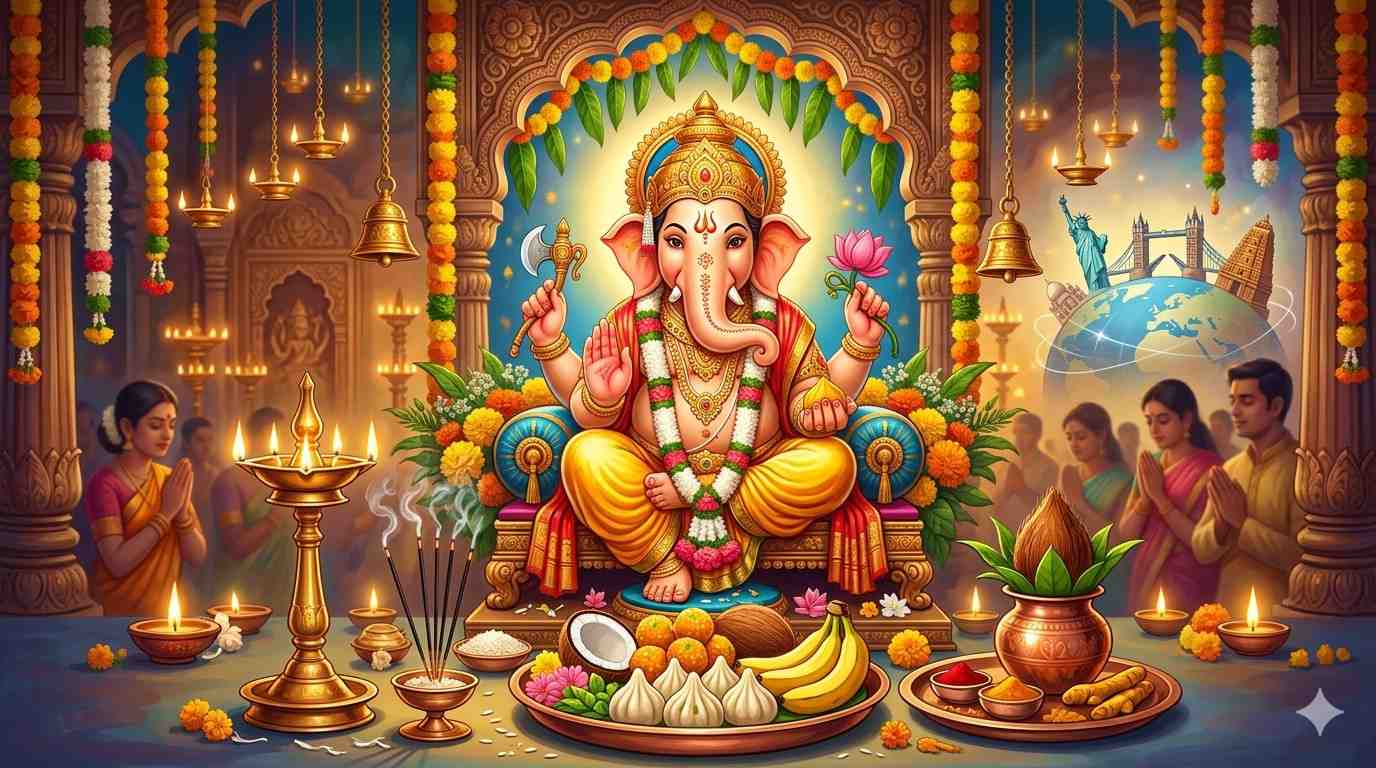
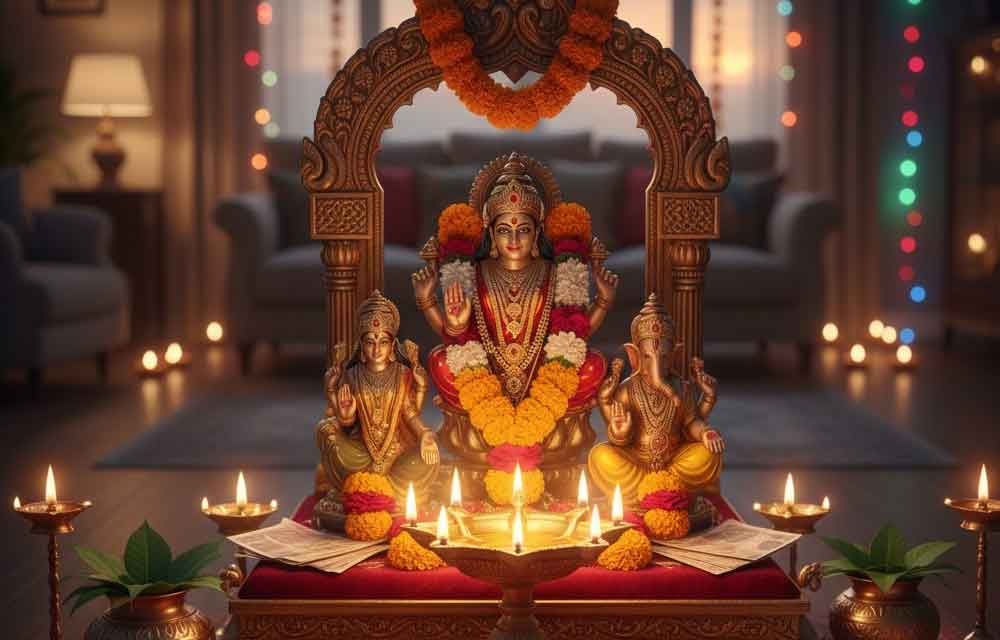
- Altar Setup: Shiva Lingam/photo, diya, bel leaves, milk/honey.
- Rituals: Bath, vrat sankalp, evening abhishekam.
- Nishita Kaal: Intense japa/meditation.
- Jaagaran: Bhajans, Shiva Purana readings.
- Break Fast: Sattvic meal post-parana.
Regional variations: South India emphasizes bilva leaves; North adds thandai (if non-vrat).
Cultural & Spiritual Impact in India
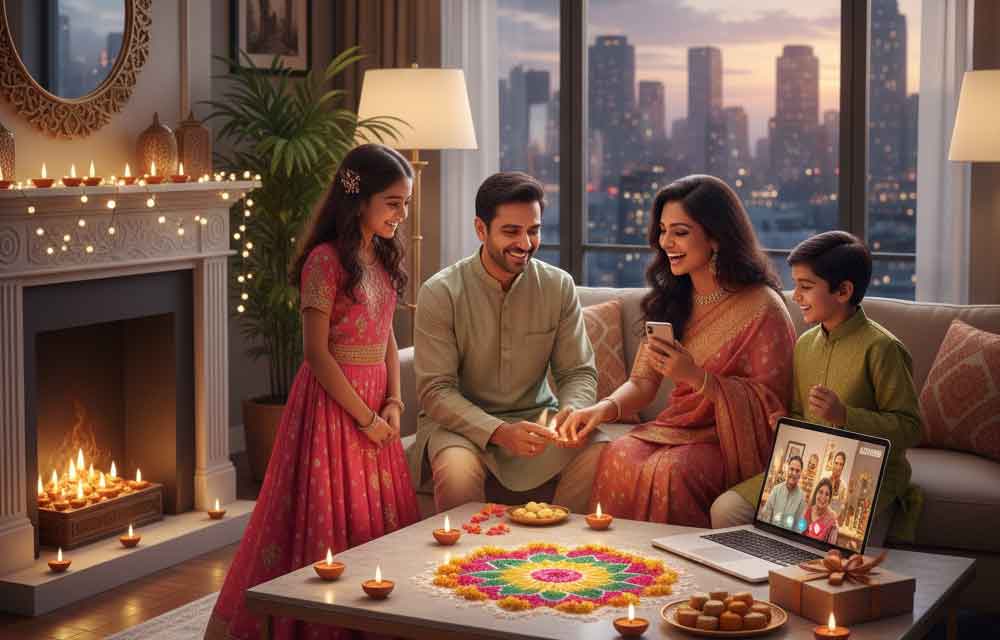
Maha Shivaratri fosters unity—families fast together, youth join kirtans, elders meditate. It promotes wellness (detox via fasting), inner peace, and cultural heritage. In modern India, it’s a reminder of timeless devotion amid busy lives.
Har Har Mahadev! May Lord Shiva bless all with enlightenment.
For 2026 updates, check temple websites or panchang apps. Share your Shivaratri traditions—what’s your favorite ritual?
Om Namah Shivaya—Har Har Mahadev!
Latest NRI News & Global Updates:
Health, Wellness & Lifestyle for NRIs
https://nriglobe.com/health-wellness/
Latest NRI News & Global Updates
https://nriglobe.com/news/
Business & Finance News for NRIs
https://nriglobe.com/business/
Investment Guides for NRIs
https://nriglobe.com/investment/
Jobs & Career Opportunities for NRIs
https://nriglobe.com/jobs/